3 Layer Gore Tex Jacket Explained: 2026 Guide
Contents
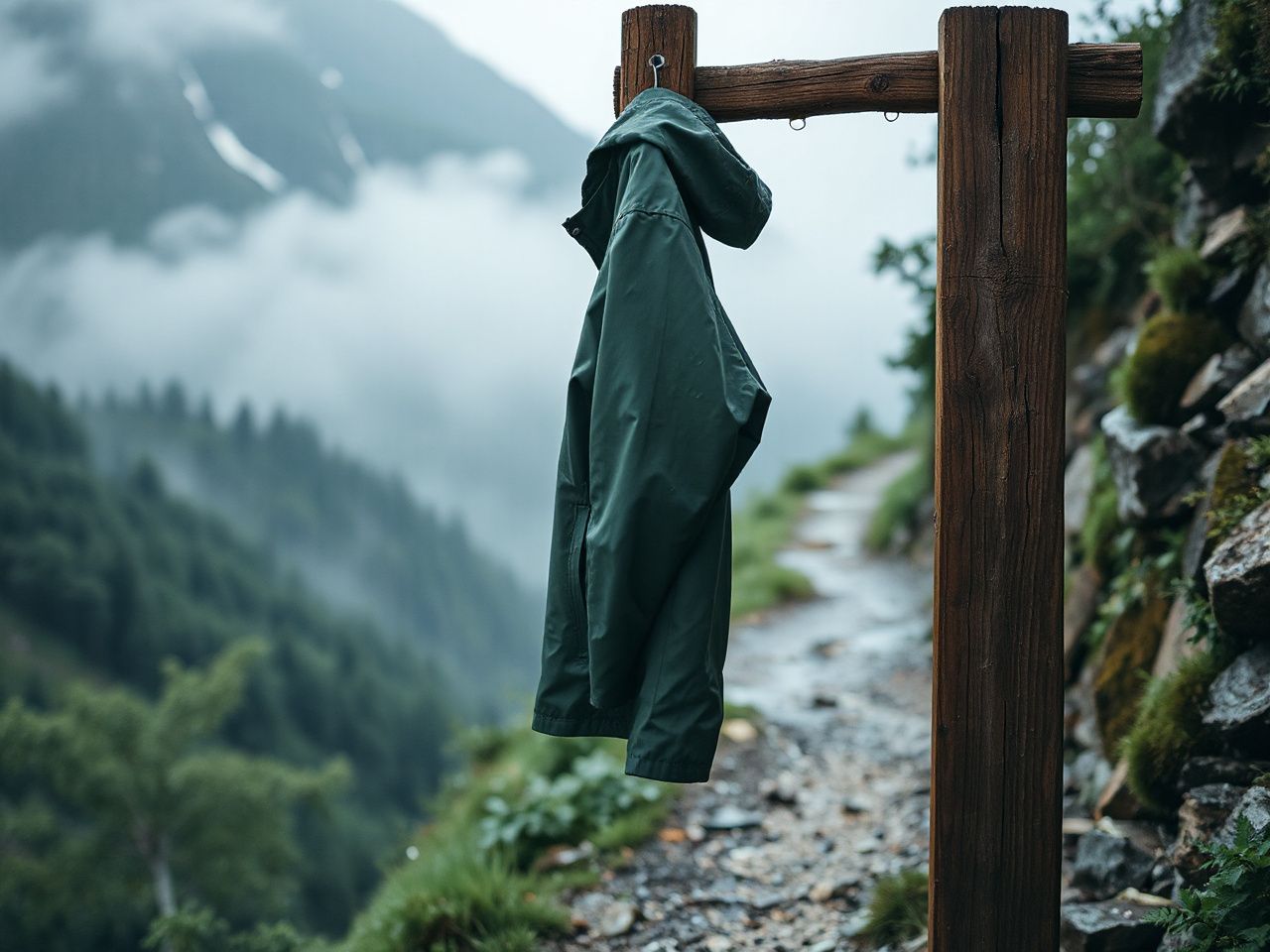
Something has been shifting in the motorcycling community over the past few seasons. Riders are talking less about horsepower and more about how gear performs when the weather turns unpredictable. The three-layer Gore-Tex jacket is at the center of this conversation. The rides that make the best stories are almost always the ones where something went wrong, which is precisely why preparation earns its place. It doesn’t prevent adventure — it just gives you better options when adventure shows up. A 3 layer Gore Tex jacket is one of those options that can turn a soaked, miserable day into a manageable one, letting you focus on the road ahead rather than the rain soaking through your sleeves.
Key Takeaways
- A three-layer Gore-Tex jacket uses an outer shell, a waterproof-breathable membrane, and an inner liner bonded together into a single laminate.
- This construction reduces bulk and weight compared to traditional two-layer designs, making it ideal for layering under motorcycle gear.
- The bonded inner liner protects the membrane from sweat and abrasion, extending the jacket’s lifespan.
- Understanding the difference between 2-layer, 2.5-layer, and 3-layer builds helps you choose the right jacket for your riding style and climate.
What Exactly Is a Three-Layer Gore-Tex Jacket?
To understand what makes a three-layer jacket different, you need to look at how Gore-Tex constructs its laminates. A standard waterproof-breathable jacket uses two layers: an outer face fabric and a separate Gore-Tex membrane that’s glued to the inside. A loose mesh liner is then added to protect the membrane from wear. That’s the classic two-layer design.
A three-layer build takes a different approach. The outer fabric, the Gore-Tex membrane, and a thin inner liner are all bonded together into a single, unified material. There’s no separate lining flapping around inside. The result is a jacket that is stiffer, more durable, and lighter than its two-layer counterpart.
The Three Layers Explained
Layer 1: Outer Face Fabric — This is what you see and touch. It’s typically made from nylon or polyester and is treated with a durable water repellent (DWR) coating to make water bead up and roll off. On motorcycle jackets, this layer is often reinforced with abrasion-resistant materials like Cordura.
Layer 2: Gore-Tex Membrane — This is the heart of the jacket. The membrane is a thin sheet of expanded polytetrafluoroethylene (ePTFE) with billions of microscopic pores per square inch. Each pore is about 20,000 times smaller than a water droplet but 700 times larger than a water vapor molecule. Water from rain can’t penetrate, but sweat vapor can escape.
Layer 3: Inner Liner — This is the layer that touches your base layer or thermal. In a three-layer jacket, this liner is bonded directly to the membrane. It protects the membrane from abrasion, oil, and sweat, and it helps wick moisture away from your skin. The liner is usually a thin knit or woven fabric, often treated with a wicking finish.
How a 3 Layer Gore Tex Jacket Performs on the Road
The performance difference between a two-layer and a three-layer Gore-Tex jacket becomes obvious after extended use in the saddle.
A two-layer jacket tends to feel clammy after a few hours of steady rain. The loose liner traps moisture against your body, and the jacket starts to feel heavy. A three-layer jacket, because the liner is bonded directly to the membrane, moves moisture more efficiently. The inner layer stays drier, and the jacket remains lighter.
Breathability and Moisture Management
Breathability is measured in grams of water vapor that pass through a square meter of fabric over 24 hours (g/m²/24h). A good three-layer Gore-Tex jacket typically rates between 10,000 and 28,000 g/m²/24h. For comparison, a standard rain jacket might rate around 5,000.
That higher breathability matters when you’re wearing the jacket under a motorcycle shell or over a thermal layer. If you’re riding through the Rockies in spring, you might start at 40°F and climb to 70°F by afternoon. A breathable jacket lets you regulate your temperature without stopping to change layers every hour.
Durability and Packability
Three-layer jackets are inherently more durable because the bonded construction eliminates the weak point where a loose liner can snag or tear. The membrane sits safely between two stable layers. Two-layer jackets can develop pinhole leaks after regular use, especially around the shoulders where a backpack strap rubs. A three-layer jacket resists that kind of wear much longer.
Packability is another advantage. Because there’s no bulky mesh liner, a three-layer jacket can be folded or rolled into a smaller package. If you’re traveling light on a motorcycle, that extra space in your saddlebag matters.
Choosing the Right Three-Layer Jacket for Your Riding
Not all three-layer jackets are built for motorcycling. Some are designed for hiking or mountaineering, where breathability and pack weight are the main concerns. A motorcycle-specific three-layer jacket includes abrasion-resistant panels, armor pockets, and a cut that works in a riding position.
Key Features to Look For
- Armor compatibility: The jacket should have pockets for shoulder, elbow, and back armor. CE Level 2 armor is the current standard for impact protection.
- Ventilation zippers: Look for pit zips or chest vents that let you dump heat when you’re stopped in traffic or climbing a mountain pass.
- Adjustable cuffs and collar: A snug fit at the wrists and neck prevents water from running down your arms and back.
- Reflective panels: High-visibility elements are not just for night riding. They help other drivers see you in heavy rain or fog.
- Storm flap over the main zipper: A double storm flap with snap or magnetic closure adds an extra layer of waterproofing where most jackets fail first.
Fit and Layering
A three-layer Gore-Tex jacket should fit snugly over a base layer and a mid-layer thermal. If you plan to wear it over a heated liner in winter, size up one increment. Try on the jacket with the gear you’ll actually wear underneath. A jacket that fits perfectly over a t-shirt might be too tight over a fleece and a heated vest.
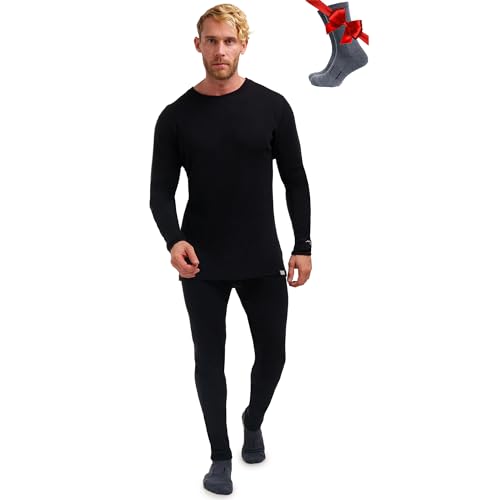
If you’re looking for reliable base layers to pair with your jacket, our guide to the best base layer versus thermal options for 2026 covers the key differences between moisture-wicking tops and insulating mid-layers.
Caring for Your Three-Layer Gore-Tex Jacket
A three-layer Gore-Tex jacket is an investment. With proper care, it can last five to ten years of regular riding. The most common cause of failure is not the membrane, but the DWR coating wearing off. When the DWR stops beading water, the outer fabric saturates, and the jacket feels wet even though the membrane is still intact.
Washing and Reproofing
Gore-Tex recommends washing your jacket with a technical cleaner like Nikwax Tech Wash or Grangers Performance Wash. Do not use regular laundry detergent, which leaves residue that clogs the membrane pores. Wash the jacket on a gentle cycle with warm water, then rinse twice to ensure all soap is removed.
After washing, you can restore the DWR using a spray-on or wash-in treatment. For motorcycle jackets, I prefer spray-on treatments because you can control where the product goes. Focus on the shoulders, upper back, and sleeves — the areas that take the most direct rain impact. Apply the treatment, then tumble dry the jacket on low heat for 20 minutes to activate the DWR.
If you need a reliable rain jacket for casual use or as a backup for your Gore-Tex shell, our Bodbrella rain jacket product info and reviews page covers a lightweight option that packs down small for easy storage.
Storage and Repairs
Store your jacket hanging in a cool, dry place. Never fold it and leave it under heavy gear, as creases can stress the membrane over time. If you develop a small tear, use a Gore-Tex repair patch on both sides of the fabric. For larger damage, send the jacket to a professional repair service that specializes in outdoor gear.
When a Three-Layer Jacket Is Overkill
Three-layer Gore-Tex jackets are not the best choice for every rider. If you mostly ride in dry climates or only go out on sunny weekends, a two-layer jacket or even a simple waterproof shell might serve you better. Three-layer jackets are stiffer, more expensive, and less breathable than unlined shells because the bonded liner adds some resistance to airflow.
Similarly, if you ride exclusively in hot weather, a three-layer jacket can be too warm. The bonded construction traps heat more than a loose liner does. In those conditions, a ventilated two-layer jacket or a mesh jacket with a separate rain liner might be a better fit.
Consider Your Riding Conditions
Ask yourself these questions before investing in a three-layer jacket:
- Do you ride in rain at least once a month?
- Do you ride through multiple climate zones on a single trip?
- Do you prioritize durability over packability?
- Are you willing to spend more for a jacket that will last longer?
If you answered yes to three or more, a three-layer jacket is likely the right choice. If not, you might save money and get better comfort from a different construction.
Frequently Asked Questions
Can I wear a three-layer Gore-Tex jacket in summer?
Yes, but expect it to be warmer than a two-layer or mesh jacket. The bonded construction reduces airflow. Look for a jacket with large pit zips and chest vents to help dump heat. On hot days, wear it over a thin, moisture-wicking base layer and avoid insulating mid-layers.
How do I know if my 3 layer Gore Tex jacket needs to be reproofed?
If water no longer beads up on the outer fabric and instead soaks into the material, the DWR coating has worn off. You can test this by sprinkling a few drops of water on the sleeve. If they spread and darken the fabric, it’s time to reproof. The membrane itself is still waterproof, but the outer layer will feel wet against your skin.
What is the lifespan of a three-layer Gore-Tex jacket with regular use?
With proper care — regular washing, DWR reproofing, and proper storage — a three-layer jacket can last between five and ten years. The main limiting factor is the DWR coating, which needs to be reapplied every one to two seasons depending on use. The Gore-Tex membrane itself does not degrade under normal conditions.