Cheapest Tent For Camping: 6 Smart Tips
Contents
Most people think the cheapest tent for camping means sleeping in a leaky nylon bag that collapses in the first breeze. That belief is common. It’s often true of motorcycle travel that the moments that make the best stories are almost always the ones where something went wrong. Preparation doesn’t prevent adventure — it just gives you better options when it shows up.
A low-cost tent doesn’t have to mean low quality, even for nights in deserts, mountains, and along coastal highways. The trick is knowing what to look for and what to skip. This isn’t a list of tents to buy. It’s a framework for making smart choices when every dollar matters.
Key Takeaways
- Focus on design simplicity and material weight rather than brand name when shopping for an affordable camping tent.
- A tent with fewer poles and a simple dome shape is cheaper to produce and more reliable in wind than complex cabin-style shelters.
- Polyester fly sheets with 1500mm to 2000mm hydrostatic head ratings offer sufficient rain protection without premium pricing.
- Used gear from reputable manufacturers often outperforms new budget models at the same price point.
Why the cheapest tent for camping isn’t always the obvious choice
Selecting a tent for a location like Moab, Utah, requires preparation for high-wind conditions. When a massive eight-person tent is purchased for forty dollars at a big box store, structural integrity is often sacrificed. Poles of that grade are prone to bending, and lightweight flies are prone to tearing. These failures often result in the shelter becoming unusable in moderate wind.
That kind of failure carries an important lesson. The cheapest tent for camping isn’t the one with the lowest price tag. It’s the one that keeps you dry and sheltered for the longest time without costing a fortune. A tent that fails after three trips is actually more expensive than one that lasts three years.
What drives tent prices down
Tent manufacturers cut costs in predictable ways. They use thinner fabrics, fewer pole intersections, and simpler zippers. They skip the extra seam sealing and use cheaper coatings. None of these things automatically make a tent bad. The key is knowing which shortcuts you can live with and which ones will leave you wet.
For example, a budget tent might use fiberglass poles instead of aluminum. Fiberglass is heavier and can splinter under stress, but it’s also cheaper and easier to repair with a simple repair sleeve. If you’re car camping and weight doesn’t matter, fiberglass poles are perfectly acceptable. On a motorcycle trip where every pound counts, you’ll want to look for aluminum or steel.
How to evaluate a budget tent like a pro
When judging an affordable tent, ignore the color and the marketing claims. Check three things: the pole structure, the seam construction, and the floor material. These three elements determine whether a tent will survive a storm or collapse on the first rainy night.
Pole structure and geometry
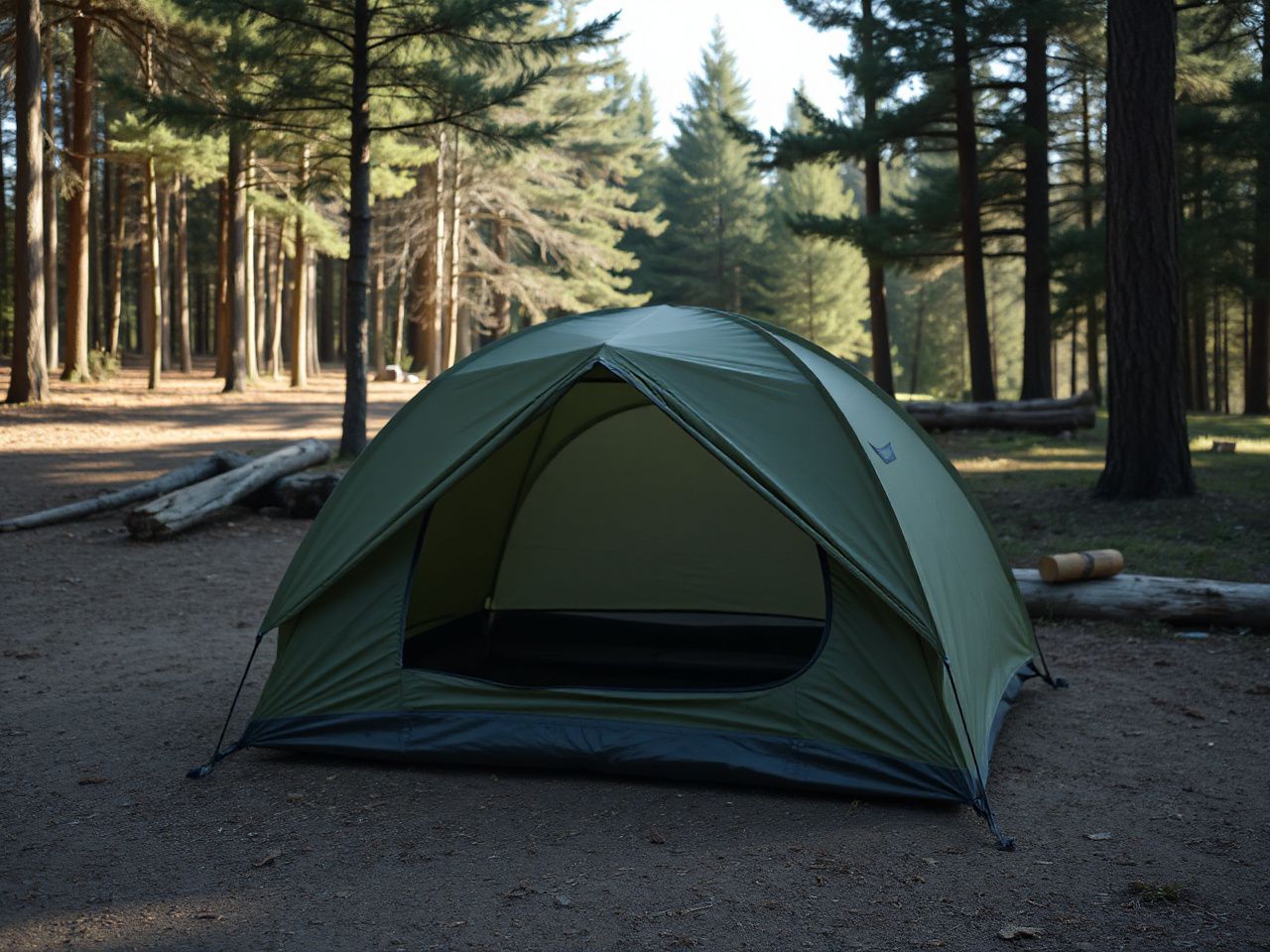
Simple dome tents with two crossing poles are the most reliable budget option. They shed wind better than cabin-style tents with vertical walls, and they’re easier to pitch alone. If you see a budget tent with four or more poles, be suspicious. More poles mean more failure points and higher production costs. A tent with fewer poles at a low price is usually a better value than one with many poles at the same price.
Look for tents that use a hub system or a simple X-frame. These designs distribute stress evenly across the fabric. Avoid tents with complex multi-pole geometries unless you’re willing to spend more for quality materials. The simpler the geometry, the easier it is to manufacture cheaply without sacrificing performance.
Seams and waterproofing
The cheapest tents often skip factory seam sealing. This is the single most common failure point on budget shelters. Water finds its way through needle holes in the fabric. A tent that isn’t seam sealed will leak along every seam within the first hour of rain.
You can fix this yourself. Buy a tube of seam sealer from any outdoor store and apply it to all interior seams, especially the floor corners and the ridge of the fly. This adds fifteen minutes of work and about eight dollars to your total cost. It transforms a mediocre tent into a reliable shelter. If you’re not willing to do this, budget for a tent that comes pre-sealed.
Floor material and thickness
Budget tents typically use polyethylene floors or thin polyester. Polyethylene is heavy but durable. Thin polyester is light but punctures easily. For the cheapest tent for camping, a polyethylene floor rated at 2000mm to 3000mm hydrostatic head is a good compromise. It’s tough enough to handle gravel and sticks without adding too much weight.
If you’re setting up on grass or soft ground, you can get away with a thinner floor. But if you camp on rocky terrain or in the desert, invest in a separate groundsheet. A ten-dollar footprint will double the life of a budget tent floor. Polyethylene groundsheets are durable and suitable for extended use across many miles of travel.
The best strategy: buy used from reputable brands
If you want the cheapest tent for camping that still performs well, skip the new budget models entirely. Look for used tents from established manufacturers like Eureka, Kelty, Marmot, or MSR. These brands build tents to last, and their used products often sell for less than new generic models.
The Kelty Gunnison can often be found used for around sixty dollars at a gear swap. Some may have a small patch on the mesh or a missing stake bag. With re-sealed seams and replacement stakes, it becomes a tent that would retail for over two hundred dollars. The materials and construction are built to withstand thunderstorms and sandstorms. It’s known for its durability.
Where to find used tents
- Gear swap meets and outdoor club bulletin boards
- Online marketplaces like Craigslist, Facebook Marketplace, and OfferUp
- REI Re/Supply and other used gear retailers
- Local climbing gyms and hiking groups
When inspecting a used tent, check for UV damage. Hold the fly up to the light. If you see thin spots or cracking, the fabric is degraded. Also check the zippers. Zipper failure is the most common repair issue on older tents. Run the zippers fully open and closed several times. If they stick or skip, budget for a replacement.
Essential features to accept and features to avoid on a budget
When you’re shopping for the cheapest tent for camping, you have to make trade-offs. Here’s what you can safely compromise on and what you should never sacrifice.
Features you can skip
- Vestibules — A small or missing vestibule is fine if you store gear inside the tent or under a tarp.
- Color options — Bright colors are for aesthetics, not performance. Olive green or grey work just as well.
- Built-in storage pockets — You can use a lightweight stuff sack as a gear organizer.
- Footprint included — Buy a separate groundsheet if needed.
Features you need
- Full-coverage fly — The fly must extend to the ground on all sides. Partial flies leave you exposed to wind-driven rain.
- Ventilation — Mesh panels and adjustable vents prevent condensation. A tent without ventilation turns into a sauna.
- Sturdy zippers — Cheap zippers fail fast. Look for YKK or similar branded zippers.
- Guyline attachment points — At least four points for guylines. Budget tents often skip these, but they’re essential for wind stability.
Practical tips for making any budget tent last longer
Once you’ve found your affordable shelter, a few small habits will extend its life dramatically. Following recommended care practices can help a cheap tent last for many nights of use.
Set up on a soft surface
Clear the ground of rocks, sticks, and pine cones before pitching. Even a small rock can create a pressure point that wears through the floor over time. Use a groundsheet even if the tent has a thick floor. The groundsheet takes the abrasion instead of the tent floor.
Dry the tent before storage
Never pack a wet tent into its stuff sack. Moisture trapped inside will degrade the waterproof coating and promote mold growth. If you have to pack up in the rain, dry the tent as soon as you get home. Hang it in a garage or over a shower rod for at least twenty-four hours.
Replace stakes and guylines
Budget tents come with the cheapest stakes possible. Replace them with aluminum Y-stakes or titanium shepherd hooks. A set of six good stakes costs about fifteen dollars and will prevent your tent from blowing away in moderate wind. Similarly, replace the thin nylon guylines with reflective cord. It’s easier to see at night and less likely to tangle.
When the cheapest tent for camping makes sense and when it doesn’t
Some travelers insist on spending five hundred dollars on a tent. Others use a thirty-dollar tent and love it. Both are right, depending on the situation.
A budget tent works well for:
- Car camping with short walks to the site
- Fair-weather trips where rain is unlikely
- Festival camping where theft or damage is possible
- First-time campers who aren’t sure they’ll stick with the hobby
Skip the budget tent if:
- You’re backpacking more than five miles to your campsite
- You camp in alpine environments with high winds and snow
- You need a tent that sets up in under two minutes
- You’re planning a multi-month expedition
For those who need a tent that handles extreme conditions, consider investing in a mid-range model. If you’re looking for a shelter that performs well in heat, check out The Best Tent for Hot Weather: Top Picks 2026. For rugged, off-grid camping, The Best Primitive Camping Gear for 2026 offers reliable options. And if you’re planning a beach trip, The Best Beach Camping Tents of 2026 covers shelters designed for sand and salt.
Frequently Asked Questions
Can I find a decent tent for under fifty dollars?
Yes, but you’ll need to buy used or accept significant compromises. A new tent under fifty dollars will likely have thin fabric, poor waterproofing, and fiberglass poles. If you’re willing to re-seal seams and use a groundsheet, it can work for fair-weather camping. For anything more serious, look for a used tent from a reputable brand in the fifty to eighty dollar range.
Is a two-person tent big enough for one person and gear?
Yes, a two-person tent is ideal for solo camping with gear. You get enough space for your sleeping pad and bag plus a duffel or backpack. If you’re sharing the tent with another person, consider a three-person tent. Two-person tents are tight for two adults plus equipment, especially in rainy weather when you’re stuck inside.
How do I waterproof a cheap tent without spending much money?
The most cost-effective method is to seam seal all interior seams with a tube of silicone-based seam sealer. You can also spray the fly with a waterproofing spray designed for nylon or polyester. For the floor, use a separate polyethylene groundsheet. These three steps cost about twenty dollars total and will make a budget tent significantly more water-resistant.
What’s the lightest cheap tent I can buy?
For under one hundred dollars, look for a simple dome tent with a polyester fly and mesh inner. Expect a packed weight of four to six pounds. Lighter tents require more expensive materials like silnylon or Dyneema, which push prices above two hundred dollars. If weight is critical, consider a bivy sack or a tarp shelter, which can be found for under fifty dollars.