The Complete Guide to National Parks on the East Coast
Contents
More riders are swapping the interstate for winding park roads, but the shift brings a new concern: where to safely park a loaded bike while you explore. The gear skipped to save money is often the gear most regretted when needed. Invest once, invest right. That philosophy applies to locks, covers, and choosing campgrounds that treat your motorcycle like the valuable machine it is. This guide covers the national parks on the east coast—focusing on security, access, and the practical details that make or break a trip.
Key Takeaways
- East coast national parks offer varied terrain from coastal dunes to mountain peaks, but secure motorcycle parking is not guaranteed at every visitor center.
- Timed entry reservations are now required at several popular parks—plan ahead to avoid being turned away at the gate with a loaded bike.
- Bringing your own ground anchor and disc lock gives you peace of mind at trailheads and campgrounds where security is minimal.
Understanding the East Coast National Park Landscape
The eastern seaboard packs an incredible range of ecosystems into a relatively compact region. You can ride from the granite peaks of Acadia to the mangrove tunnels of Everglades National Park in under three days if you push hard, but the real reward comes from slowing down. Each park presents unique challenges for motorcyclists, from parking availability to weather patterns that can shift in minutes.
What Makes East Coast Parks Different from Western Parks
Unlike the vast, sprawling parks out west, east coast national parks tend to be smaller and more fragmented. Shenandoah National Park runs along a narrow ridgeline with limited pull-offs. Great Smoky Mountains National Park sees over 12 million visitors annually—more than Yellowstone and Yosemite combined. That traffic creates parking competition, especially at popular trailheads. Bikes squeezed into spots meant for compact cars, riders balancing machines on uneven gravel, and dropped bikes from careless parking choices are common occurrences.
Acadia National Park: Riding the Coast of Maine
Acadia is a bucket-list destination for any rider who loves coastal scenery. The 27-mile Park Loop Road offers sweeping ocean views, granite cliffs, and dense forest—all within a manageable loop. But parking comes with strict rules. The park has implemented a vehicle reservation system for the Cadillac Summit Road, and overflow lots fill by 9 AM in peak season.
Motorcycle Parking and Security at Acadia
The main visitor center lot has designated motorcycle parking near the entrance, but it’s uncovered. Sand Beach and Thunder Hole lots get crowded early. Arriving before 7:30 AM helps secure a spot with some buffer space. Use a disc lock and a heavy-duty chain through the rear wheel to a ground anchor if you can find a solid post or railing. The coastal air is salty—bring a breathable cover to protect your seat and controls from corrosion.
Best Campgrounds for Riders
Blackwoods Campground is the most convenient for motorcycle access. It’s located along the Park Loop Road with tent sites that have nearby parking spurs. The ground is mostly packed gravel, so a kickstand plate is helpful. Seawall Campground on the quieter western side offers more privacy but fewer amenities. Both require reservations months in advance for summer dates.
Shenandoah National Park: The Blue Ridge Parkway Connection
Shenandoah National Park runs 105 miles along the crest of the Blue Ridge Mountains. Skyline Drive connects directly to the Blue Ridge Parkway, creating one of the best multi-day motorcycle routes on the east coast. The speed limit is 35 mph, but that’s fine—you’ll want to slow down for the 75 overlooks.
Parking Logistics Along Skyline Drive
Each overlook has a small parking area, but most lack designated motorcycle spots. The Big Meadows area has a large lot near the visitor center that offers secure parking. Use the far end where foot traffic is lower. The park has no timed entry reservations, but entrance fees apply. A seven-day pass costs $30 per motorcycle. Annual passes are available if you plan multiple visits.
Rider-Friendly Lodging Options
Skyland Lodge and Big Meadows Lodge offer rooms with nearby parking lots. Neither has covered motorcycle parking, but the lots are well-lit and patrolled. For camping, Mathews Arm Campground is quieter and has fewer bear issues than the more popular Big Meadows sites. Bring a bear-proof container for any food stored on your bike—black bears are active throughout the park.
Great Smoky Mountains National Park: The Most Visited Park
Great Smoky Mountains National Park straddles the border between North Carolina and Tennessee. It’s the most visited national park in the country, and that popularity creates serious parking challenges. The park does not require reservations for entry, but it does have a pilot parking reservation system for the most popular trailheads during peak season.
Navigating Parking at Cades Cove
Cades Cove is the most crowded area. The 11-mile loop road has limited pull-offs, and the main parking lot fills by 8 AM in summer. Motorcycles can use the overflow lot near the campground, but it’s a half-mile walk to the visitor center. Riding the loop early—before 7 AM—when traffic is light and the wildlife is active is advisable. Use a cable lock through your helmet strap to the frame, and never leave valuables in your saddlebags.
Campgrounds That Welcome Bikes
Elkmont Campground is a solid choice for riders. It has sites near the river with parking spurs that can accommodate a bike and a small tent. The campground store sells basic supplies. Cades Cove Campground is larger and more crowded but has a dump station and flush toilets. Both require reservations from March through November. For a quieter experience, look at Balsam Mountain Campground—it’s at 5,300 feet elevation and stays cool even in summer.
Everglades National Park: Flat Riding Through the Wetlands
Everglades National Park is a completely different experience. The main road runs 38 miles from the Ernest Coe Visitor Center to Flamingo. The terrain is flat, the speed limit is low, and the wildlife is everywhere. Alligators, crocodiles, and birds are common sights from the saddle.
Parking and Security in the Everglades
Parking at the visitor center is straightforward—large, paved lots with plenty of space. The Flamingo area has a marina with overnight parking for campers, but it’s not covered. The biggest threat here is not theft but weather. Summer storms roll in fast, and the sun is brutal on vinyl seats and handlebar grips. Use a UV-resistant cover and a heavy-duty chain. Ground anchors are an option at the campsite, as the soil is soft enough to drive a screw anchor into by hand.
Riding Tips for the Everglades
Bring extra water—the heat and humidity are intense even in winter. The road to Flamingo has several potholes, so take it slow. Mosquitoes are relentless from May through October; invest in a good mesh jacket and a full-face helmet with a pinlock visor to keep them out of your eyes. The park has no fuel stations inside, so fill up in Homestead before entering.
Congaree National Park: The Hidden Gem
Congaree National Park in South Carolina is one of the least visited parks on the east coast. That means uncrowded trails and plenty of parking. The park protects the largest intact old-growth bottomland hardwood forest in the southeastern United States. It’s a unique ecosystem that’s best explored on foot or by canoe.
Motorcycle Access to Congaree
The park has a single entrance road leading to the Harry Hampton Visitor Center. The parking lot is small but rarely full. There’s no designated motorcycle parking, but you can usually find a spot near the entrance. The road is paved and well-maintained. Camping is available at the Longleaf Campground, which has sites with parking spurs. The campground is primitive—no hookups, no showers—but it’s quiet and safe for leaving your bike overnight.
Timed Entry and Reservation Systems
Several east coast national parks now require timed entry reservations during peak season. Acadia’s Cadillac Summit Road reservation costs $6 per vehicle in addition to the entrance fee. Shenandoah and Great Smoky Mountains do not currently require timed entry for general access, but trailhead parking reservations are being tested. Check the National Park Service website before you ride. For a comprehensive breakdown of reservation policies, check out The Complete Guide to Timed Entry National Parks.
Essential Gear for Park Camping on a Motorcycle
Camping in national parks on a motorcycle requires careful packing. Space is limited, and you can’t just throw extra gear in a car trunk. Prioritize security, weather protection, and compact cooking equipment.
Security Gear
- Disc lock with a bright reminder cable to prevent you from riding off with it attached.
- Heavy-duty chain at least 10mm thick and 6 feet long for securing to fixed objects.
- Ground anchor that you can screw into dirt or concrete at campsites.
- Cover that is waterproof, UV-resistant, and has a grommet for a cable lock.
Camping Gear
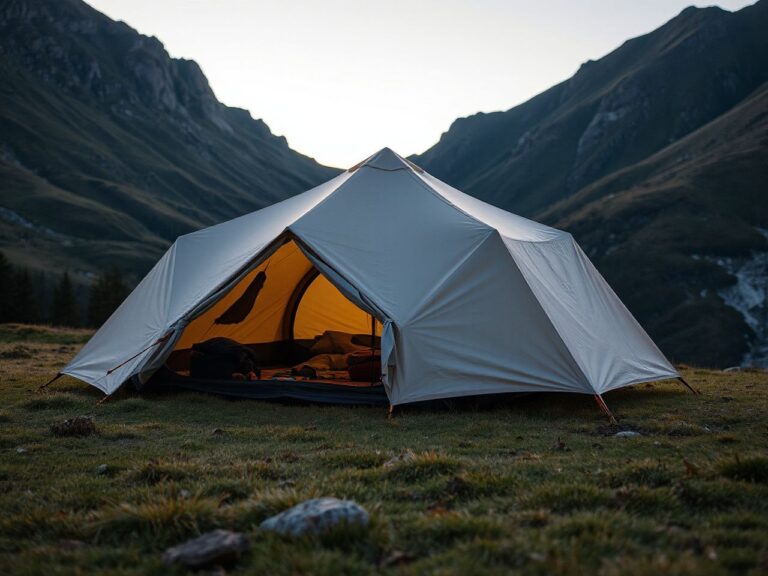
- Tent that packs small—a 2-person backpacking tent fits on a rear seat.
- Sleeping bag rated for 20°F to 30°F for mountain parks; a 40°F bag works for coastal parks.
- Camp stove that runs on isobutane canisters—compact and reliable.
- Bear-proof container for food storage in parks like Shenandoah and Great Smoky Mountains.
Frequently Asked Questions
What is the best time of year to visit national parks on the east coast by motorcycle?
Late April through early June and September through October offer the best combination of mild weather and lower crowds. Summer months are hot and humid, especially in southern parks, and peak visitation means packed parking lots. Autumn colors in Shenandoah and Great Smoky Mountains are spectacular but bring cold mornings—plan for layers.
Are there national parks on the east coast that allow motorcycle camping without reservations?
Congaree National Park and New River Gorge National Park and Preserve do not require camping reservations for backcountry sites, but front-country campgrounds in most parks fill up. Great Smoky Mountains requires reservations for all developed campgrounds. Always check the park’s website before you ride. Some parks have first-come, first-served sites, but they go fast.
How do I keep my motorcycle secure while hiking in a national park?
Use a disc lock on the front rotor and a heavy-duty chain through the rear wheel to a fixed object if available. Remove your key and lock the steering. Cover your bike to deter casual thieves and protect it from weather. Never leave valuables in saddlebags or top cases—take them with you or lock them in a metal bear box at campgrounds.