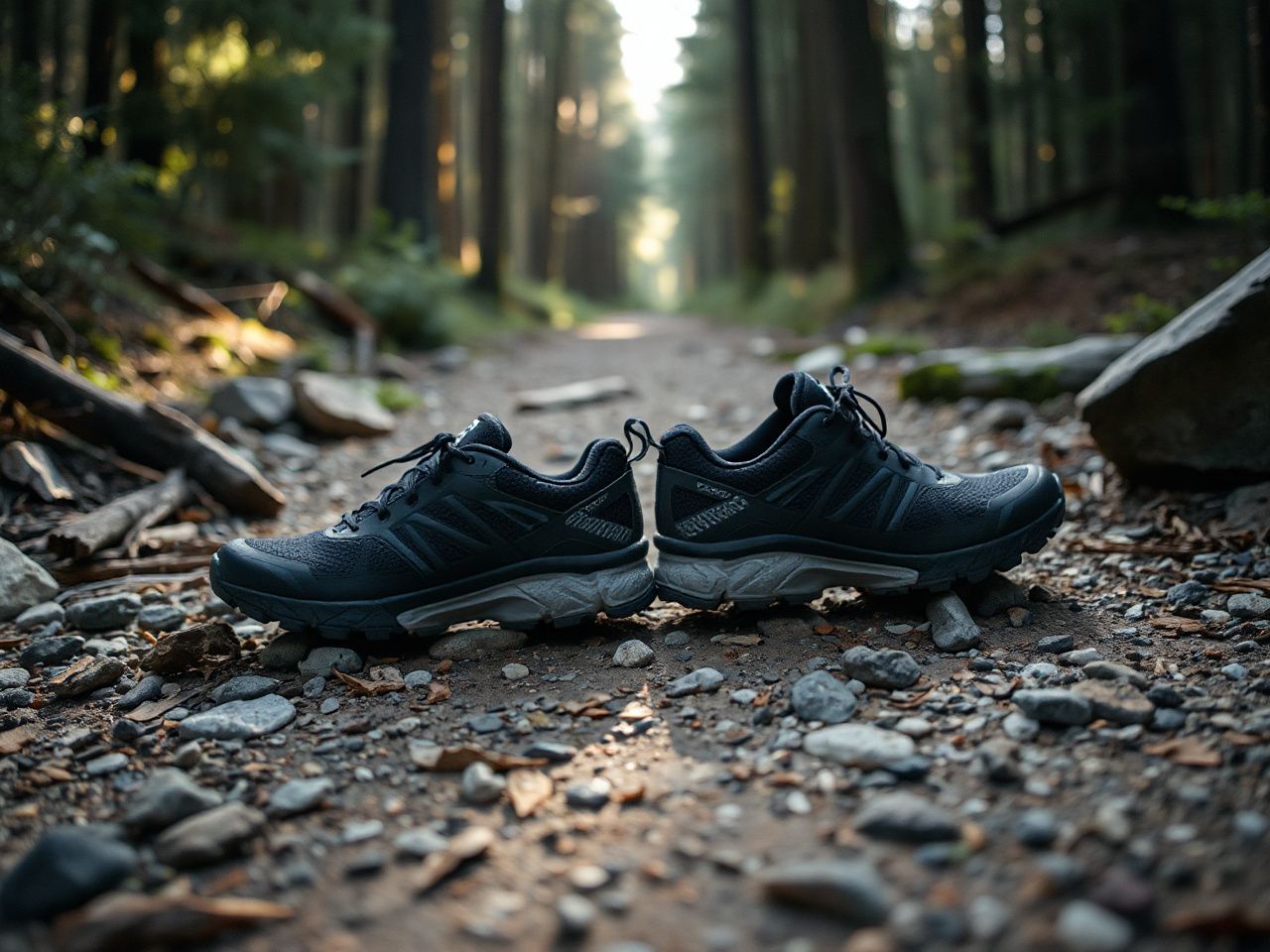
Black Trail Running Shoes: Complete Guide to Choosing
Contents
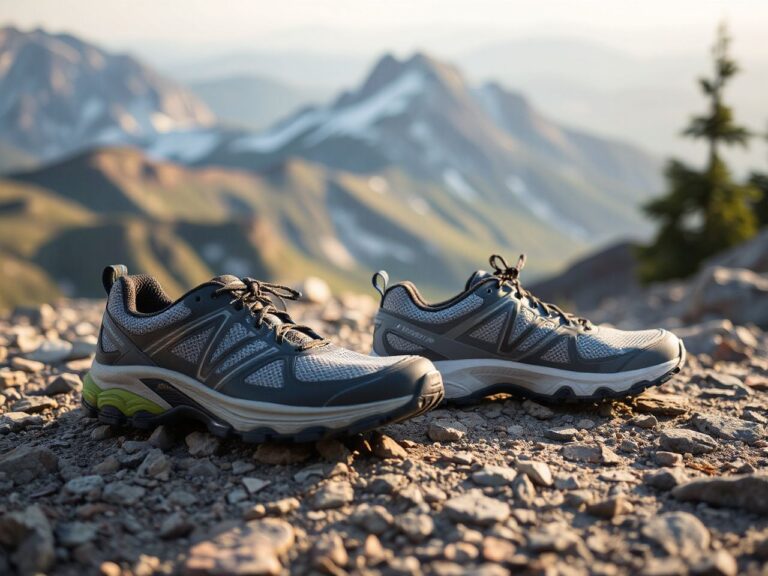
Ask any long-distance motorcycle traveler what they pack for off-bike exploration, and a black trail running shoe is likely in the top three. That shift didn’t happen by accident. Riders like me have realized that one versatile pair of shoes can carry you from a gas stop in Moab to a ridge scramble above the treeline without weighing down your saddlebags. That’s why black trail running shoes have become my go-to travel footwear when I park the bike and hit the singletrack.
Black shoes are common across desert dust, alpine scree, and Pacific Northwest mud. The single most overlooked factor is that the outsole rubber compound matters more than lug depth for grip on wet rock. Deep, soft lugs feel grippy but slip on granite, while a hard compound like Vibram Megagrip with moderate lugs holds and doesn’t clog. Many beginners buy black because it hides dirt, then experience overheated feet or blown-out midsoles after a summer of hot runs. That’s the tradeoff you accept with dark colors, and you can mitigate it by choosing a shoe with breathable mesh or lighter-colored accents around the toe. If you’re still deciding between trail and road models, our comparison of trail running shoes and road shoes breaks down the differences in under two minutes.
Key Takeaways
- Black shoes absorb more solar heat, which degrades EVA foam faster and makes feet sweat more on sunny days.
- Rubber compound beats lug depth for wet rock grip—harder compounds like Vibram Megagrip outperform deep, soft lugs on granite.
- Always leave a thumb’s width of toe room and use a heel lock lacing pattern to prevent black toenails on steep descents.
Why Black Trail Shoes Run Hotter Than You Think
A black upper soaks up more solar radiation than a lighter color. That’s basic physics, not opinion. On a 90-degree day in Arizona, the surface of a black shoe can reach 15 to 20 degrees hotter than a white shoe sitting in the same sun. That extra heat does two things to your footwear. It makes your foot sweat faster, which leads to blisters and odor. And it speeds up the breakdown of EVA foam in the midsole, the very material that gives a trail shoe its bounce and shock absorption.
The Science of Dark Colors and Midsole Foam
EVA foam is a closed-cell polymer that softens when heated. Repeated heat exposure causes the cell walls to compress and the foam to lose its rebound. Lighter-colored shoes reflect more sunlight and stay cooler, but a black shoe left in a hot car or gear bag for an afternoon can experience enough heat to permanently reduce its cushioning by a measurable margin over a single season. This is an observable result you can feel underfoot on a long descent: the shoe feels flat and unresponsive much sooner than it should.
You don’t have to give up black shoes. You do have to manage the heat. Choose a black upper with a high proportion of breathable mesh instead of solid synthetics. Mesh allows convective airflow that moves sweat away from your skin, even if the outer fabric is dark. Look for lighter-colored stitching or overlays around the toe box—those areas reflect a little extra radiation and also make the shoe look less like a black hole. Loosen the laces slightly on hot days to let the foot’s natural swelling breathe.
Outsole Rubber and Lug Depth: The Real Grip Story
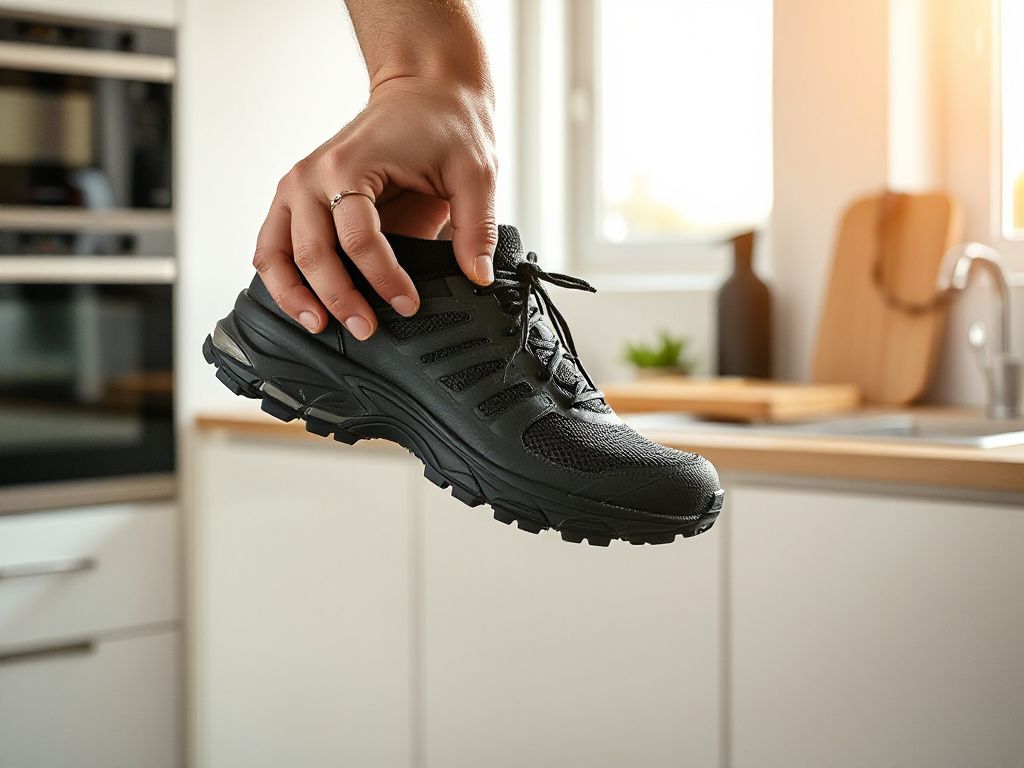
Most riders pick a trail shoe by looking at the lug pattern. Bigger lugs must mean more grip, right? Not always. The rubber compound is a better predictor of how well a shoe holds on wet rock, roots, and hardpack. That’s the lesson I learned the hard way on a foggy morning in the Cascades, sliding off a wet granite slab in shoes with aggressive 6-millimeter lugs made from a soft, sticky compound.
The problem is that soft rubber deforms under load on smooth rock. The lug might dig into dirt beautifully, but on granite the surface area actually touching the rock is tiny—those deep lugs leave the rubber between them hanging in the air, and the compound itself flexes and slides. A harder compound with a moderate lug depth of 3 to 4 millimeters puts more rubber in contact with the rock and resists the microscopic sliding that causes falls.
Mud, Rock, and Everything Between
Vibram Megagrip is the benchmark compound for wet rock traction. Its official technology page describes the compound as an exclusive rubber blend that maintains grip on both dry and wet surfaces without sacrificing durability. That matches what I’ve felt across hundreds of miles of sandstone and basalt. Salomon Contagrip is another well-known outsole technology with similar goals, though each brand tweaks the formula for specific terrain.
For sticky mud, deep lugs over 5 millimeters will clog and turn your shoes into slippery platforms. The mud packs into the spaces between lugs and won’t release, leaving a smooth, dangerous bottom. A shallower lug depth of 3 to 4 millimeters sheds mud more easily because the surface tension between the mud and the rubber is insufficient to hold a thick layer. Wide, well-spaced lugs work better in muck than tightly packed ones. For rocky trails, a harder compound with moderate lugs provides the best balance of grip and protection. The La Sportiva Akasha is one model that uses this approach well, though I won’t tell you to buy it—just know that the pattern of hard compound plus shallow-to-moderate lugs is what you want for mixed wet rock.
Fit, Cushioning, and Protection for Steep Terrain
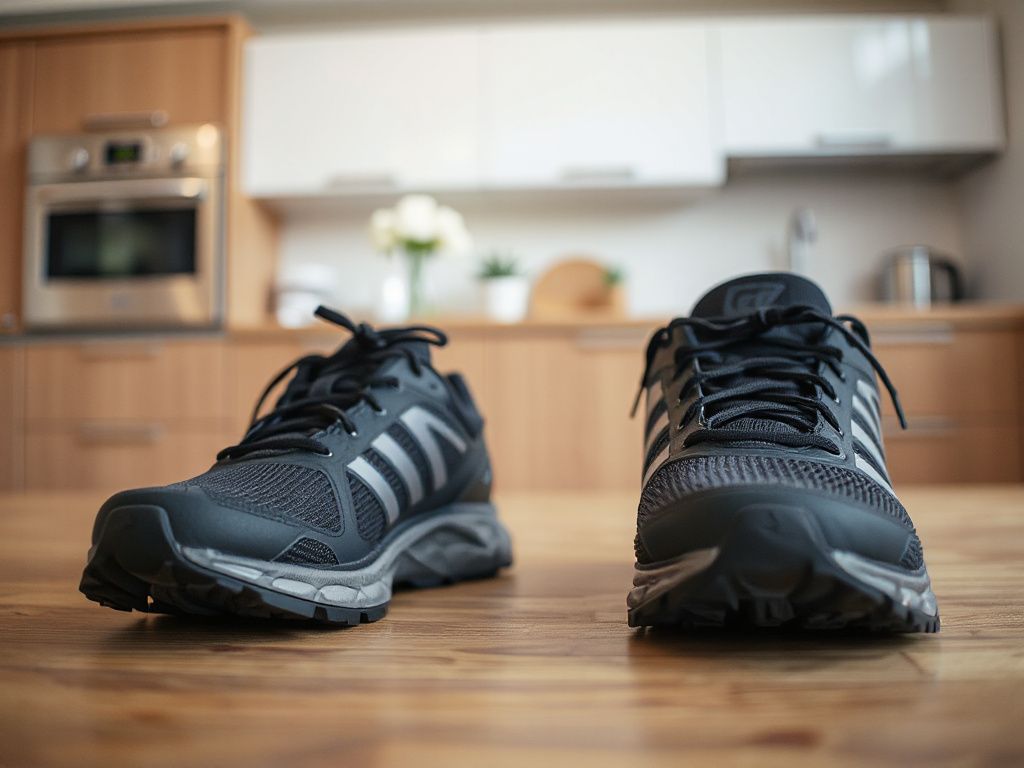
Trail shoes fit differently than road shoes because your foot moves differently. On a descent, your foot slides forward inside the shoe. That forward slide is the main cause of black toenails—the toenail repeatedly jams against the front of the toe box. Road runners often size down for a snug fit, but a trail shoe needs extra space at the front.
Leave a thumb’s width of space between your longest toe and the end of the shoe. That’s roughly 8 to 12 millimeters. When you push off on a steep uphill or slam downhill, that space gives your toes somewhere to go without hitting the front. You can test this in a store by lacing the shoe snugly and then standing on an incline; your toes should barely graze the front, but not press hard.
How Much Cushioning Do You Need?
Cushioning is a personal choice, but terrain drives the decision. A plush shoe like the Hoka Challenger feels great on buffed singletrack and fire roads, but on technical rocky trails that extra stack height can make you feel disconnected from the ground and increase the chance of rolling an ankle. A firmer, lower-profile shoe gives better proprioception and stability on uneven surfaces. The EVA foam in most midsoles compresses over time, so a shoe that felt perfectly cushioned at 300 miles will feel dead at 500. For mixed travel use where you might hike one day and run the next, a medium cushioning level—around 20 to 25 millimeters of stack height in the heel—offers a good balance.
Pay attention to the heel-to-toe drop. A drop of 4 to 6 millimeters is common for trail shoes and encourages a midfoot strike, which reduces impact forces on steep downhills. A zero-drop shoe takes time to adjust to and can strain calves if you’re not used to it. The Merrell MQM has a 4-millimeter drop and a rock plate, a thin flexible sheet of plastic or carbon between the outsole and midsole that protects against stone bruises. That rock plate is worth paying extra for if you run on scree or sharp rocky trails—it can save your forefoot from serious pain without adding much weight.
Heel Lock Lacing for Steep Descents
The most common foot problem on descents besides black toenails is heel slip. Your heel lifts inside the shoe, causing friction blisters and a loss of control. The fix is a lacing technique called the heel lock or runner’s knot. Here’s how to tie it:
- Lace your shoes normally until you reach the top two eyelets.
- Instead of crossing the lace through the top eyelet, thread it through the top eyelet on the same side, forming a small loop on each side of the shoe.
- Cross the laces and thread each end through the opposite loop.
- Pull up and then tie as usual.
This cinches the heel collar around your ankle and locks the foot in place. On a long motorcycle trip, this single technique can prevent blisters that would otherwise end your hiking plans for a week.
Waterproofing, Breathability, and Odor: Keeping Your Black Shoes Fresh
Gore-Tex is a waterproof and breathable membrane used in many black trail shoes. It works by allowing water vapor from sweat to escape while blocking liquid water from rain or puddles. That sounds perfect for travel. But there’s a tradeoff. The membrane adds a layer that reduces airflow compared to a non-waterproof shoe. On a hot, sweaty run or a humid day in the Southeast, a Gore-Tex shoe will feel noticeably warmer and damper inside than a mesh shoe. The official Gore-Tex technology page explains the membrane’s microporous structure, but even the company acknowledges that breathability has limits under high heat and humidity.
For travel in dry climates like the desert Southwest, skip the waterproof version. For trips through the Pacific Northwest or the Scottish Highlands, a Gore-Tex membrane is worth the extra warmth and reduced breathability because your feet will stay dry from external moisture. A good compromise is to carry a pair of lightweight gaiters and use non-waterproof shoes for most conditions, relying on wool socks to keep feet warm when wet.
Cleaning Mud and Controlling Odor
Black hides dirt visually, but the bacteria that cause odor don’t care about color. Mud and sweat left in the shoe create a perfect environment for odor-causing microbes. Clean your black trail shoes after every muddy run. Remove the insoles and laces, then rinse the shoes with cool water. Never use hot water—it can weaken the adhesive that holds the upper to the midsole. Scrub the outsole with a soft brush to remove packed mud, then stuff the shoes with newspaper or paper towels and let them air dry away from direct heat. A hair dryer or radiator will warp the EVA foam and break down the glue.
For persistent odor, sprinkle the inside with baking soda and leave it overnight, then shake out. A diluted white vinegar spray (one part vinegar to three parts water) can kill odor-causing bacteria, but test it on a small hidden area first to make sure it doesn’t discolor the black upper material. Let the shoes dry completely before wearing them again. Rotating between two pairs of shoes on a long trip gives each pair at least 24 hours to dry out, which dramatically reduces odor and extends the midsole’s life.
Trail Etiquette and Travel: Leaving the Landscape Better Than You Found It
Hikers and runners often ignore the basics of trail etiquette. The same black trail shoes that carry you across a desert wash can also carry invasive plant seeds, mud-borne pathogens, and microplastics from one ecosystem to another. The fix is simple: clean your shoes between trail systems. A stiff brush and a quick rinse at a trailhead station or a gas station sink can prevent the spread of sudden oak death and other diseases that hitchhike on shoe soles.
Stay on marked trails. Shortcutting switchbacks with your black shoes might feel efficient, but it causes erosion that scars the landscape for decades. Pack out everything you bring in, including gel wrappers and banana peels—decomposition rates in alpine zones are surprisingly slow. When you meet other trail users, yield to uphill travelers; they have the right of way and are working harder. A friendly nod and a few words with local runners often leads to the best trail beta you’ll ever get. That’s the culture-first approach I bring to every region, whether I’m on two wheels or on foot.
Frequently Asked Questions
Will black trail running shoes make my feet hotter in summer?
Yes, black uppers absorb more solar radiation than lighter colors, raising the surface temperature by 15 to 20 degrees on a sunny day. That heat transfers to your foot and accelerates EVA foam breakdown. Choose black shoes with breathable mesh panels and lighter-colored toe overlays to mitigate the effect.
What’s the ideal lug pattern for muddy and rocky trails?
For mixed terrain, a lug depth of 3 to 4 millimeters with a hard rubber compound like Vibram Megagrip works best. Deep lugs over 5 millimeters clog in sticky mud and reduce contact area on wet rock. Wide spacing between lugs helps shed mud more effectively.
How do I stop my black trail shoes from smelling bad?
Bacteria that cause odor thrive in warm, damp environments. Remove insoles after each use, rinse shoes with cool water, and air dry away from heat. Use baking soda overnight or a diluted vinegar spray to kill bacteria. Rotating two pairs gives each at least 24 hours to dry completely.
Can I wear black trail shoes for hiking, or do I need hiking boots?
Trail running shoes work well for day hikes on well-maintained trails because they are lighter and dry faster than boots. For multi-day backpacking with a heavy pack, a mid-height boot offers more ankle support. Our mid top running shoes guide explains where that middle ground shines.
How often should I replace my trail running shoes?
Most trail shoes last 300 to 500 miles of running or hiking before the EVA foam loses significant cushioning. Signs it’s time include visible creasing in the midsole, reduced bounce on downhills, and new aches in your knees or shins. The outsole may look fine but the foam is the real wear item.
If you’re ready to see how specific models compared in real-world testing last year, our trail running shoe reviews for 2026 roundup covers the shoes our team actually ran in across the same terrain I’ve described here.