Europe Travel Clothing Made Simple: What to Pack in 2026
Contents
More clothing rarely makes a European trip easier. A flexible layer system usually beats a suitcase full of outfits designed for one forecast, one photograph, or one restaurant. The useful distinction in European travel clothing is between garments that handle repeated transitions and garments chosen for a single forecast: adaptable layers, quick-drying fabrics, and comfortable walking footwear usually matter more than highly specialized outfits. Advice should also separate weather protection from social appropriateness, because a technically functional outfit may still be unsuitable for religious sites, formal venues, or local customs.
Key Takeaways
- Build around layers that can handle coastal, northern, continental, Mediterranean, alpine, and shoulder-season changes.
- Choose fabrics and footwear for walking, rain, drying, and repeated wear rather than for a single polished outfit.
- Pack one modest, presentable layer for religious sites, cultural venues, and occasions where casual travel clothing is unsuitable.
Why Europe Travel Clothing Needs a Flexible System
Europe is not one climate zone, and a route that crosses several regions can change the clothing problem completely. Coastal weather may feel damp and unsettled, northern conditions can call for more insulation, continental interiors may swing between cool mornings and warm afternoons, Mediterranean cities can become hot in direct sun, and alpine destinations can stay cool even during a generally warm season. Shoulder seasons add another layer of uncertainty.
June offers a useful example. Temperatures can swing widely within one trip, from cool evenings in northern cities such as Paris to hot afternoons in southern cities such as Rome, so plan layers rather than a single-season wardrobe. Those figures do not describe every street or every day, but they show why a single heavy garment or a single summer outfit is a poor foundation.
A layering system adapts to changing temperatures better than one heavy garment because indoor heating, shade, wind, and regional weather can change the comfort level during one day. The practical system is simple: a base layer that feels comfortable against the skin, a middle layer for warmth or modesty, and an outer layer that deals with wind or rain.
Start with the route, not the marketing
List the environments on the itinerary before listing garments. A day of city walking has different demands from a mountain transfer, and a ferry crossing may expose you to wind that never appears in a sheltered urban square. Route length matters less than surface and exposure. Cobblestones, wet pavement, steep streets, station platforms, and long waits can turn attractive clothing into an uncomfortable liability.
- Coastal areas: Give priority to a light outer layer that handles wind and unsettled weather without becoming a burden indoors.
- Northern areas: Plan for cooler conditions and keep a warm middle layer available, even if the calendar suggests summer.
- Continental areas: Use layers that can separate easily as the day changes from cool morning to warm afternoon.
- Mediterranean areas: Favor sun coverage, breathable materials, and garments that remain comfortable during extended walking.
- Alpine areas: Treat altitude and exposure as separate concerns from the weather in nearby cities.
- Shoulder seasons: Pack for interruption and variation rather than trusting a single average forecast.
A packable rain shell is useful when it can stay with you through the day, but a water-resistant garment is not automatically waterproof. A breathable waterproof membrane may help keep rain out while allowing some moisture from inside to escape, yet the garment still needs to be judged by its construction and stated use rather than by the word “breathable” alone.
The three-layer logic
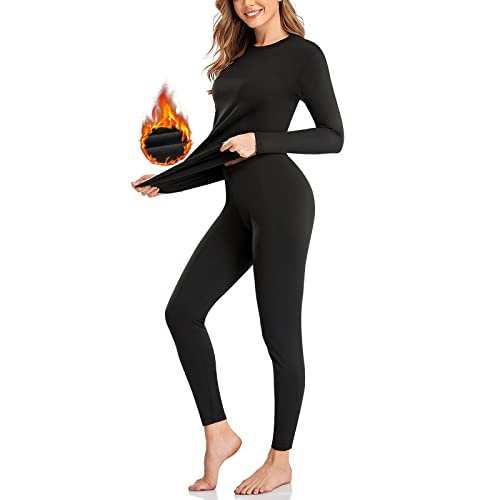
The base layer controls the feel next to your skin. Merino wool can be comfortable across changing conditions, while polyester often dries readily and can be practical for washing by hand. Elastane adds stretch to some blends, which can help with movement, but blends behave according to the whole fabric rather than according to one fiber name.
The middle layer supplies warmth, visual structure, or coverage. A thin sweater, overshirt, cardigan, or similar layer can work in a train, museum, church, or evening setting without taking the place of a rain layer. The outer layer should block the weather you actually expect. A thin shell is easier to carry than a bulky coat, but it cannot replace insulation in genuinely cold conditions.
Pack layers that can be worn separately. A base top should work under a sweater, and the sweater should look acceptable over the base top when the day warms up. That is the difference between a repeatable wardrobe and a pile of single-use outfits.
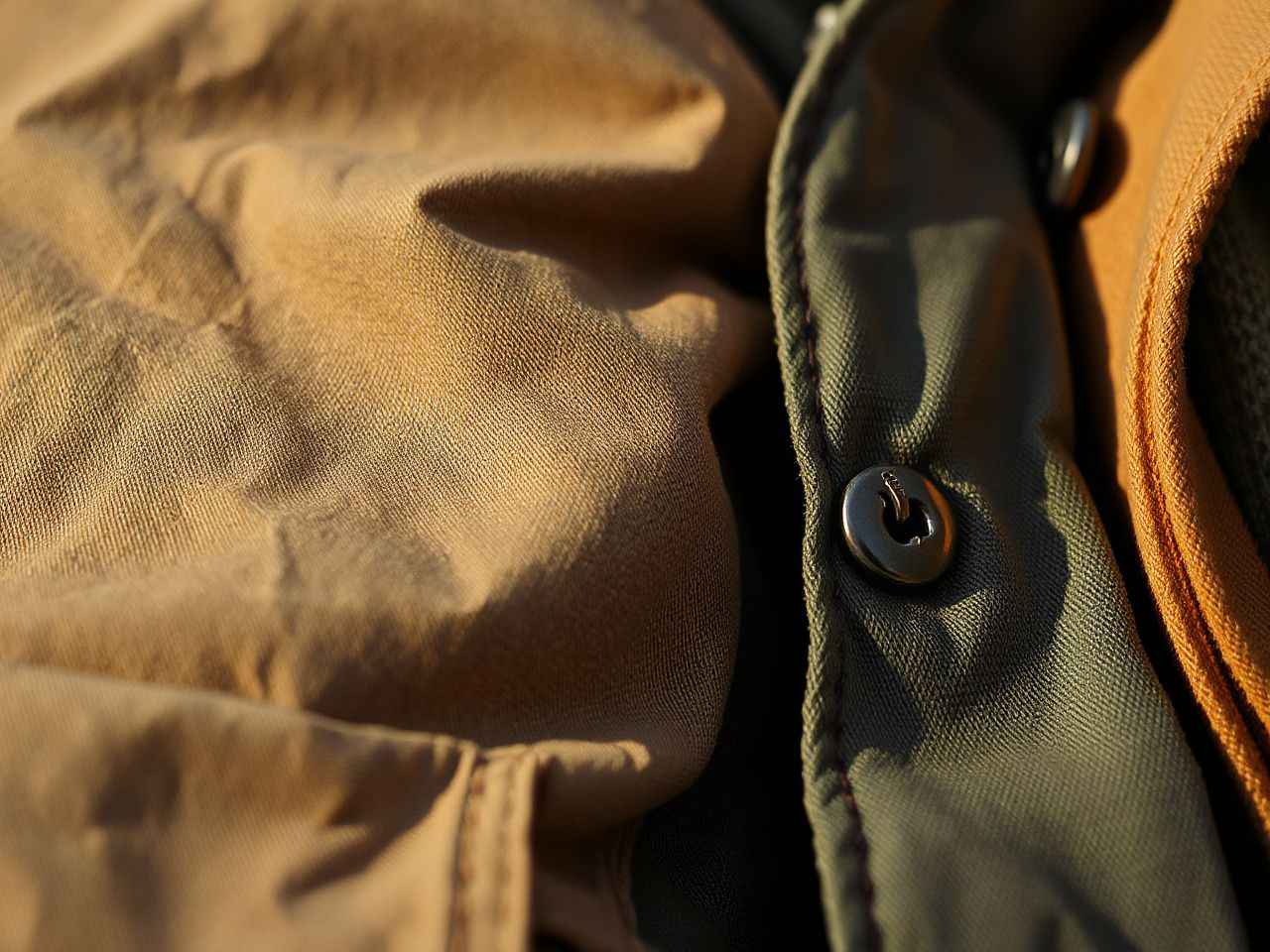
How to Choose Fabrics for Walking, Rain, and Repeated Wear
Fabric choice affects comfort, drying, appearance, and how often a garment can return to the rotation. No fiber wins every situation. The useful comparison is between the conditions you expect and the care the garment allows.
Merino wool or synthetic fabric?
Merino wool is often chosen for its comfortable hand feel and its ability to remain useful across a range of conditions. Polyester is often chosen because it can dry readily and works well in lightweight travel layers. The correct choice depends on how much hand washing you expect, how warm you run, how easily you notice odor, and whether the garment must look presentable after being packed.
A merino garment is not automatically ideal for every traveler, and polyester is not automatically unpleasant. Fabric weight, knit, blend, fit, and finishing all change the result. Read the care label, then consider whether the piece can be worn under your other layers without creating bulk.
Merino wool and polyester can both support repeat wear, but their actual travel usefulness depends on fabric construction, care instructions, and drying conditions. A merino-polyester blend may behave differently from either fiber by itself. Treat the blend as its own fabric rather than assuming that one component supplies all the advantages.
Why cotton and denim can become a problem
Cotton feels familiar and can work well in dry, warm conditions. Its weakness appears after rain, sweat, or washing: cotton and denim can remain cold and uncomfortable while wet, and heavy denim takes longer to become wearable again. That matters more on a trip where the next day starts before a full laundry load is possible.
Cotton is not forbidden. A light cotton shirt may suit a dry city day, and a cotton layer can be appropriate when appearance matters more than quick drying. The mistake is assigning cotton or denim to every role, including the layer expected to recover after rain.
When linen helps and when it becomes a nuisance
Linen is practical in hot, dry settings where airflow and a relaxed appearance fit the route. It can become a nuisance when the itinerary involves frequent packing, damp weather, or a need for crisp presentation. Linen wrinkles readily, and its relaxed texture may be unsuitable for a formal venue even when the garment feels cool and comfortable.
Use linen deliberately. A linen shirt or trouser can serve a warm Mediterranean day, but it should not be the only option for a trip that also includes cool evenings, rain, or dress expectations. A blend may crease differently from pure linen, so inspect the actual care label and fabric rather than relying on the fiber name alone.
Stretch, weight, and movement
Elastane can make a garment easier to move in, especially on stairs, transit connections, or long walking days. Stretch does not automatically make trousers durable or comfortable, however. Check whether the waistband, pockets, and seat remain comfortable while sitting, then test the garment with the layers you expect to wear underneath.
Heavy fabrics create two problems: they occupy more space and they take longer to dry. That does not make them useless, but the reason for packing them should be clear. A heavy garment chosen only because it looks substantial may be less useful than two lighter layers that cover more conditions.
Building a Clothing Plan for City Walking and Sightseeing
City sightseeing rewards clothing that stays comfortable through movement, pauses, transit, meals, and changes in indoor temperature. The goal is not to look ready for an expedition. The goal is to avoid clothing that forces you to shorten the day because your feet hurt, your wet layer will not dry, or your outfit cannot adapt to the next setting.
Choose walking footwear by surface
Walking shoes that feel fine on dry pavement may perform poorly on wet cobblestones. Look for a secure fit, enough comfort for prolonged walking, and a sole suited to the surfaces on the itinerary. A shoe that is too loose can create friction, while a shoe chosen only for appearance may become tiring on uneven streets.
Footwear also needs a weather plan. Water-resistant footwear may delay moisture, but it should not be treated as waterproof without clear evidence from the maker. Wet cobblestones reduce confidence and can make a smooth or poorly suited sole feel unstable, so the route surface deserves as much attention as the forecast.
Walking shoes should be judged against wet cobblestones and long urban days, not only against how they look beside a hotel mirror. Wear the shoes with the socks and trousers intended for the trip, and make sure the combination does not restrict movement or create pressure points.
For a focused discussion of footwear choices, see this guide to shoes for walking through European cities. The useful principle remains the same: surface and exposure matter more than a polished label.
Use trousers, dresses, and skirts as systems
Convertible trousers can be useful when the change between covered and lighter clothing suits the itinerary, but the conversion feature should not decide the whole wardrobe. Check whether the altered form looks appropriate for the places you plan to enter and whether the fasteners or extra fabric become irritating while walking.
A simple trouser, skirt, or dress can work across several settings if its fabric handles sitting, walking, and packing. Pairing a dress with a scarf or light middle layer may make it more suitable for an evening venue or a religious site, but a scarf cannot compensate for every dress expectation. Clothing should be respectful before accessories are added.
Make one travel outfit do real work
The travel-day outfit should tolerate sitting, carrying a bag, temperature changes, and a quick walk after arrival. It can also become the first sightseeing outfit, which reduces the amount packed. Choose pieces that combine with the rest of the wardrobe rather than a special outfit that serves only the transit day.
Discreet travel storage belongs in the same planning conversation. Pockets should close securely without making the garment uncomfortable, and a bag should not force you to keep adjusting your layers. Clothing cannot prevent theft, but less conspicuous storage can reduce the need to display valuables in crowded transit spaces.
Look presentable without packing formalwear
Many travelers overcorrect in one direction: they pack only technical clothing and then feel too informal in a restaurant, cultural venue, or smaller town. A clean overshirt, a structured cardigan, a scarf, or trousers with a calmer appearance can create a more finished outfit without requiring a separate formal wardrobe.
Color coordination helps a small wardrobe work harder, but matching everything is unnecessary. Choose a restrained base and add one layer that changes the appearance of an outfit. Wrinkle control matters too; the separate guide to wrinkle-free travel clothes for 2026 can help with that specific problem without turning the whole trip into a search for specialized garments.
Dress Expectations, Rain Protection, and Local Context
Weather protection and social appropriateness are different jobs. A waterproof shell can keep rain off, but it does not make shorts suitable for every church, monastery, mosque, or cultural venue. Expectations vary by place and may include covered shoulders, covered knees, or head coverings.
Prepare for religious sites
Carry a layer that provides coverage without becoming too warm during the rest of the day. A scarf may help with head or shoulder coverage in some settings, but it is not a universal solution, and local instructions take priority. Some sites provide coverings; others expect visitors to arrive prepared.
Religious-site clothing requirements vary by place, so travelers should check the specific site before visiting rather than assume that one European custom applies everywhere. Pack trousers, a longer skirt, or a shoulder-covering layer when the itinerary includes religious buildings, and remember that the same garment may need to work outside in heat and inside in cooler air.
Compare a rain shell with an umbrella
A rain shell keeps both hands free and remains useful during wind, walking, and transit. An umbrella can provide a broad area of coverage and may be pleasant during steady rain in open streets, but it takes one hand and becomes awkward in crowds, narrow lanes, or strong wind.
Neither choice is automatically superior. Use the route to decide. A shell is the more adaptable foundation for active walking, while an umbrella can complement it when the forecast suggests sustained rain and the itinerary allows easy carrying. A water-resistant coat may handle light moisture, yet water-resistant and waterproof are not interchangeable descriptions.
Check the hood, cuffs, closure, and packability of a shell before departure. The reader can inspect those features directly. A garment that cannot be closed comfortably around the neck or that remains difficult to stow is less useful than its fabric label suggests.
ASTM International develops voluntary consensus standards that cover many products and materials; its main site, ASTM.org, is a suitable place to understand what a cited standard means rather than treating an unverified label as proof of performance. The same caution applies to clothing claims: a named feature is not a guarantee of suitability for every route.
Keep claims and labels in perspective
Independent bodies and government agencies publish information about consumer products and safety, but a general label does not answer every travel question. The U.S. Consumer Product Safety Commission provides consumer product safety information at CPSC.gov; use official information for a specific safety concern instead of assuming that a marketing term covers it.
For ordinary packing decisions, observable details remain useful: fabric that feels clammy, a shoe that slips on a wet surface, a shell that leaks at an opening, or a garment that becomes uncomfortable after sitting. Those signs tell you more about route suitability than an inflated difficulty claim or a polished product description.
How to Pack Enough Clothing Without Shopping Mid-Trip
Pack by combinations, not by calendar days. A capsule wardrobe works when each main garment has more than one partner and when the layers can handle changes in temperature. The aim is not to own a tiny number of pieces at any cost; the aim is to avoid carrying items that serve one narrow scene.
Use a role-based packing list
Build the list around functions such as walking, weather protection, modest coverage, sleep, and an evening setting. Then remove duplicates. Two tops that perform the same job but combine with different trousers may be useful; two garments that cannot be worn in rain, transit, or ordinary sightseeing are harder to justify.
- Base layers: Choose tops that can be worn alone or beneath another layer.
- Middle layers: Include one piece that adds warmth and one that improves coverage or presentation if the route needs both.
- Weather layer: Carry a packable rain shell when rain exposure is possible, but do not treat it as insulation.
- Bottoms: Choose pieces that work for walking, sitting, and modest settings, with at least one option that does not rely on dry weather.
- Footwear: Let the roughest planned surface guide the walking pair, then keep extra footwear limited to a clear purpose.
- Accessories: A scarf can add warmth, coverage, or visual variety without taking much room, but it should support the system rather than replace a suitable garment.
Plan for small laundry, not perfect laundry
Travel laundry is a practical way to reduce duplicates, but it only works when fabrics can be washed and dried under the conditions available. Hand washing a light item and hanging it where air can move may be more realistic than waiting for a full laundry load. Heavy denim and thick cotton are poor choices for a rotation that depends on quick recovery.
Keep worn and clean clothing separate inside the luggage. Air damp items before packing them away, follow care labels, and avoid sealing moisture into a closed compartment. A garment can smell stale even when it is not visibly dirty, so airing and rotation matter when washing is delayed.
Travel clothing stays fresher when worn items are aired and separated from clean garments before the bag is closed. That basic habit does not require specialized equipment, and it helps prevent one damp layer from affecting the rest of the packing system.
Pack by access, not only by compression
Compression can make a bag appear orderly while hiding the layer you need first. Keep a rain shell and a spare top accessible during transit, and place delicate or presentable pieces where they are less likely to become crushed by shoes or heavy items. Packing cubes can separate categories, but they do not solve a poorly planned wardrobe.
Carry-on packing rewards restraint. Before adding a garment, ask whether it works across weather, walking, and social settings. If the answer is no, the item should have a very clear reason to come along. The complete solo travel packing checklist can help organize the wider load, while the clothing decisions still need to follow the route rather than a generic list.
Care for clothing during a mixed-weather itinerary
Do not fold a damp shell or shirt into the center of the bag and expect the next layer to remain fresh. Hang the item when possible, wipe visible dirt according to its care instructions, and allow the fabric to dry before storage. Cotton, denim, merino wool, polyester, linen, and blends all respond differently to washing and drying, so the label is more reliable than a universal rule.
Pack a small amount of clothing that can bridge several situations rather than several outfits built around a single photograph. The result may look less dramatic on paper, but it is more useful on a route that includes rain, transit, religious sites, and long streets in the same day.
Beginner, Intermediate, and Advanced Clothing Decisions
Beginner: solve the obvious discomforts
Start with walking shoes suited to the actual surface, a layer for changing temperatures, and a rain plan. Avoid building the wardrobe around denim, heavy cotton, or a coat that cannot be worn indoors. Add one modest layer for sites with dress expectations.
The beginner mistake is usually excess rather than shortage. A traveler adds clothing for every imagined scene and still lacks a comfortable combination for rain and walking. Test the main outfit by sitting, climbing stairs, carrying the intended bag, and adding the outer layer.
Intermediate: make each piece earn its space
At this stage, compare garments by repeat use. Can the top work under a sweater and alone? Can the trousers suit both a museum and a long station transfer? Can the rain shell cover the layers without restricting movement? Does the linen piece suit the climate, or is it being packed because it looks summery?
Color coordination becomes useful here, but technical labels should not dominate the decision. A breathable fabric may still feel wrong in humidity, and a water-resistant jacket may still fail in sustained rain. Surface, exposure, and social context remain the real checks.
Advanced: plan transitions before departure
Advanced planning means identifying the moments when the wardrobe is most likely to fail: a cool arrival after a warm flight, rain before hotel check-in, a religious site after lunch, or an evening venue reached after a full walking day. Put the needed layer where it can be reached and choose combinations that do not depend on changing the entire outfit.
Do not confuse complexity with preparedness. A route with many regions may need more careful layering, but it does not automatically need more garments. The strongest system is the one that remains usable when the forecast changes and the itinerary runs late.
Frequently Asked Questions About Europe Travel Clothing
How should I dress for changing weather across Europe?
Dress in layers rather than choosing one heavy garment. Coastal and northern routes may need a useful outer layer and a warmer middle layer, while Mediterranean cities may call for breathable clothing and sun coverage. Continental, alpine, and shoulder-season routes need more flexibility. Check each region on the itinerary, then choose pieces that can be worn separately indoors, outdoors, and during transit.
Is merino wool better than synthetic fabric for travel?
Neither is automatically better. Merino wool can suit travelers who value a comfortable, adaptable layer, while polyester can be practical when quick drying is important. Fabric weight, blend, care label, fit, and personal comfort affect the result. A merino-polyester blend behaves according to its full construction, so do not assume that one fiber supplies every advantage associated with it.
What should I wear for churches, mosques, monasteries, and cultural venues?
Carry a layer that can cover shoulders and choose bottoms that can cover knees when the site expects it. Some places may also ask visitors to cover their heads, so a scarf can be useful, but requirements vary by location. Check the specific venue before arriving. Weather protection does not equal social appropriateness, and a rain shell cannot replace respectful coverage.
How can I keep clothing fresh without doing a full laundry load?
Rotate garments, air worn pieces before storing them, and keep damp clothing separate from clean clothing. Light merino wool, polyester, and suitable blends may recover more easily than heavy cotton or denim, but care instructions still control the method. Wash small items by hand when practical and allow them to dry fully before packing them into a closed compartment.
Should I take a rain shell, an umbrella, or both?
A rain shell keeps both hands free and suits walking, wind, and transit. An umbrella can provide broad coverage during steady rain, but it occupies one hand and becomes awkward in crowds or narrow streets. Choose according to the route. A shell is usually the more adaptable foundation, while an umbrella may complement it when the itinerary allows easy carrying and the weather calls for sustained rain.
How can I avoid looking too informal without packing formalwear?
Use one clean, structured layer that works over your walking clothes, such as an overshirt, cardigan, scarf, or calm-looking jacket. Pair it with trousers, a skirt, or a dress that remains comfortable during movement. Avoid relying only on technical fabrics, cargo details, or worn denim if restaurants and cultural venues are part of the route. A flexible middle layer can change the appearance of an outfit without adding a separate formal wardrobe.