Best Hiking Boots for Men: Reviewed for Every Trail
Contents
Wet socks, heel slip, and a boot that turns every descent into a toe-jamming exercise can spoil an otherwise good hike. The best hiking boots for men need more than a waterproof label: fit, foot control, cushioning, and terrain-appropriate traction decide whether a boot earns space in your pack.
My overall pick is the Merrell Men’s Moab 3 Mid Waterproof Hiking Boot because its documented waterproof construction, protective details, removable footbed, and heel cushioning create the most balanced package here.
RedSky Adventures is funded by affiliate commission. Our picks come from comparing published specifications and documented features against what matters in the category — no brand pays for a place on this page. If you buy through a link here we may earn a commission at no extra cost to you, and it pays for the research behind the next guide. Full disclosure.
As an Amazon Associate we earn from qualifying purchases. This does not affect the price you pay.
CERTAIN CONTENT THAT APPEARS ON THIS SITE COMES FROM AMAZON. THIS CONTENT IS PROVIDED ‘AS IS’ AND IS SUBJECT TO CHANGE OR REMOVAL AT ANY TIME.
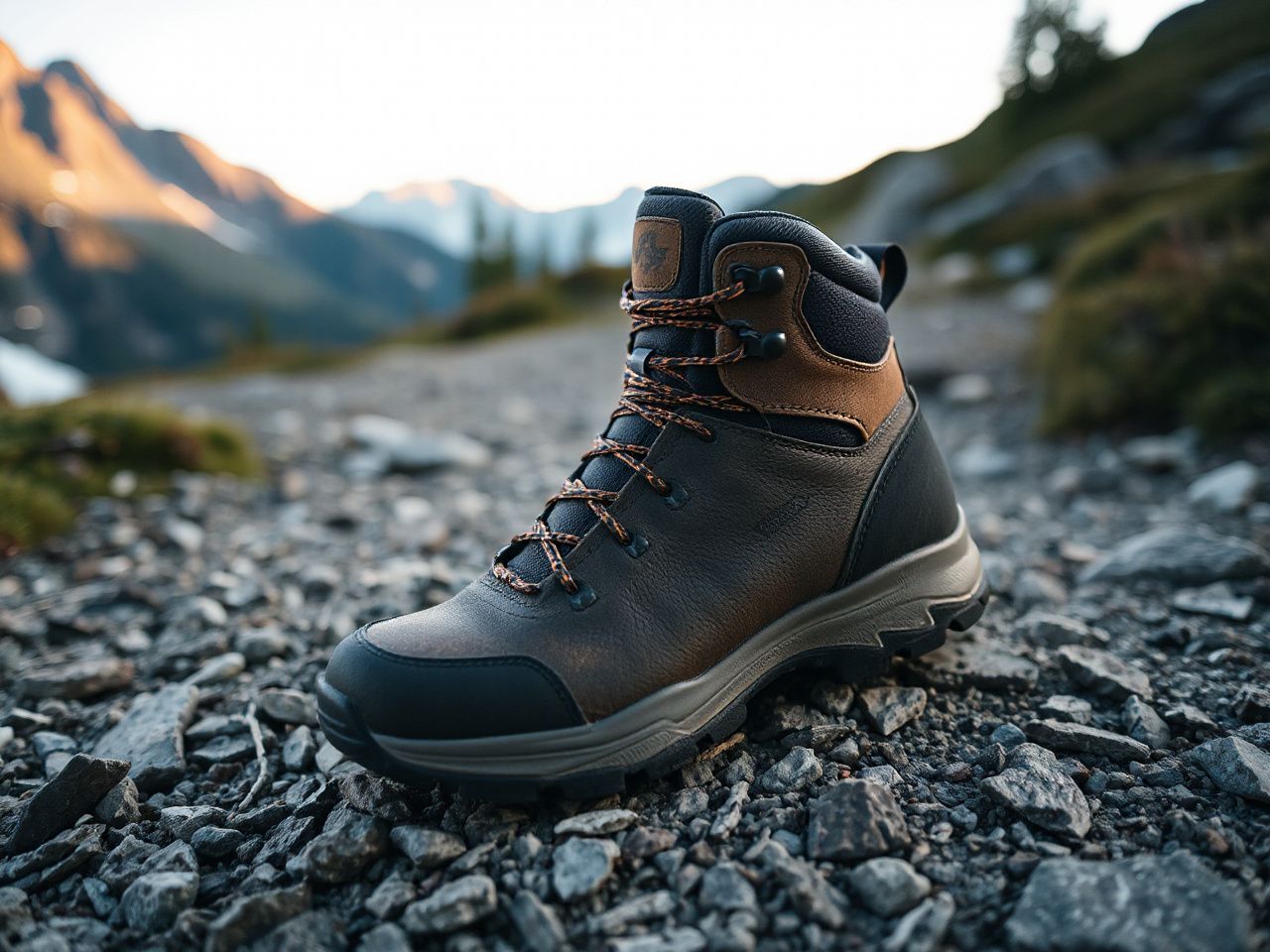
Columbia Transverse Waterproof Hiking Boot (Multi-terrain outsole)

The short answer
- Best overall: Merrell Men’s Moab 3 Mid Waterproof Hiking Boot — balanced protection, cushioning, and fit features
- Best value: NORTIV 8 Men’s Ankle High Waterproof Hiking Boots — budget-friendly comfort with EVA cushioning
- Recommended: Columbia Men’s Transverse Waterproof Hiking Boot — breathable waterproof construction and multi-terrain grip
How We Chose These Hiking Boots for Men
These picks come from comparing published specifications, materials, and documented features against what actually matters on foot. Fit received the greatest weight because heel lockdown, midfoot security, toe-room on descents, foot width, instep volume, and sock thickness influence comfort more than an ankle-height label. Waterproof construction matters for rain and shallow water, but waterproof boots can retain more heat and sweat than non-waterproof footwear, so breathability matters in warm conditions. Midsole cushioning and the stated outsole design were also important, although none of these listings supplies a full lug-depth or rubber-compound specification. Buyers should check the exact model, available width, sizing notes, return policy, and room for their preferred hiking socks before ordering. A mid or ankle-high boot may improve stability and debris protection, but it cannot prevent ankle sprains or replace careful footing. Our shortlist is based on what the listings document, not on physical wear or laboratory testing. For fit details, our guide to common hiking-boot fitting mistakes is a useful companion.
Merrell Moab 3 Mid Waterproof Hiking Boot (Protective all-rounder)

- BrandMerrell
- ModelJ035839
- Dimensions15.0 inches x 11.0 inches x 6.0 inches
- Weight0.65 pounds
- Size / capacity10
- ColourEarth
Quick take: The Merrell Moab 3 Mid is the strongest all-purpose choice for day hikers who want documented protection, cushioning, and a mid-height design without moving straight to a more specialized mountain boot.
The listing identifies the model as J035839, in the Earth colour, with a listed weight of 0.65 pounds and dimensions of 15.0 by 11.0 by 6.0 inches. Its pigskin leather and mesh upper, waterproof membrane, recycled mesh lining, recycled laces and webbing, bellows tongue, and protective toe cap give the boot a practical mix of weather protection and debris control. The manufacturer also lists a removable contoured Kinetic Fit ADVANCED footbed and Merrell Air Cushion in the heel.
That feature set gives the Merrell the most complete fit-and-protection story of the three, at least on paper. The bellows tongue can help keep trail debris from entering around the instep, while the heel cushioning is relevant on hard-packed approaches and pavement between trail sections. The listing does not identify the rubber compound, lug shape, lug depth, or available widths, so nobody should assume the boot will grip wet rock, loose dirt, mud, and smooth pavement equally well. The manufacturer names the waterproof membrane but does not provide a waterproof rating or breathability figure.
Pros:
- Waterproof membrane — intended to keep rain and shallow water out while allowing moisture to escape.
- Protective construction — the toe cap and bellows tongue address two common trail annoyances: impacts and debris.
- Heel cushioning — Merrell Air Cushion is listed as absorbing shock and adding stability.
Cons:
- Lug details not listed — the listing names a Vibram TC5+ rubber sole but not its lug pattern or depth.
- Fit information is incomplete — width options, toe-box shape, and instep volume are not listed.
- Warm-weather tradeoff — waterproof construction can feel less airy than non-waterproof footwear, and no breathability figure is supplied.
Why It Stands Out
Ideal for: Day hikers, mixed-surface travelers, and people who want a protective mid boot with a removable footbed. Pass on this if: you need confirmed wide sizing, detailed wet-rock traction data, or a very airy boot for hot-weather trails. For readers comparing closure systems, our guide to Boa hiking boots explains why fit adjustment deserves attention.
NORTIV 8 Ankle High Waterproof Hiking Boots (EVA comfort)

- BrandNORTIV 8
- ModelAE-2-B1-160448_M-BRN_BK_TAN-SZ-12
- Weight0 pounds
- Size / capacity12
- ColourBrown/Black/Tan
In a nutshell: The NORTIV 8 is the budget-friendly option for casual hikers and travelers who want waterproof construction, cushioning, and a flexible feel without paying for a more elaborate feature set.
The listing gives the colour as Brown/Black/Tan and the size as 12; the stated product weight is 0 pounds, which is not a credible usable weight for a pair and should not guide a buying decision. The product description identifies removable shock-absorbent cushioned insoles and lightweight, flexible EVA midsoles. It also describes rubber soles with a non-slip traction design, but the listing does not provide lug depth, compound details, or an outsole weight.
EVA cushioning and removable insoles make the NORTIV 8 relevant to buyers prioritizing everyday comfort, including those searching for the best backpacking boots for men on a tight budget. Still, the published details support day hiking and general outdoor use more confidently than demanding backpacking loads or rough mountain trails. The claim that the rubber soles are slip-proof is marketing language, not a guarantee for every wet rock, muddy slope, loose scree field, or polished pavement surface. Compared with the Merrell, this boot offers less documented protection: the listing does not mention a toe cap, bellows tongue, leather upper, or heel air-cushion system.
Pros:
- Flexible EVA midsole — designed to reduce foot fatigue through cushioning and energy return.
- Removable insoles — useful for buyers who need to inspect the fit with hiking socks or use different hiking insoles.
- Rubber traction sole — the listing specifically describes a non-slip design for wet and muddy surfaces.
Cons:
- Unreliable weight listing — the stated 0-pound weight should be treated as missing data rather than a genuine advantage.
- Limited construction detail — upper material, waterproof membrane type, lug pattern, and seam construction are not identified.
- Less documented protection — the listing does not mention a protective toe cap or debris-blocking gusseted tongue.
Our Take
Perfect for: Casual day hikes, travel, campsite paths, and shoppers who value removable cushioning and competitive pricing. Not great if: you carry a heavy pack, need confirmed width options, or expect the boot to provide specialized grip on wet rock and loose mountain terrain. Buyers seeking more context on wet-weather use can read our explanation of how hiking boots behave around water.
Columbia Transverse Waterproof Hiking Boot (Multi-terrain outsole)
- BrandColumbia
- Model206740
- Dimensions10.24 inches x 2.36 inches x 1.97 inches
- Weight0 pounds
- Size / capacity12
- ColourCordovan/Golden Yellow
Here’s the deal: The Columbia Transverse suits hikers who want a leather-and-mesh boot with documented waterproof-breathable construction and a stated multi-terrain traction system.
Columbia lists model 206740 in Cordovan/Golden Yellow, with dimensions of 10.24 by 2.36 by 1.97 inches and a listed weight of 0 pounds. That weight is clearly incomplete data, not a reason to call the boot ultralight. The upper combines leather and mesh, while metal hardware and a cushioned collar address durability and comfort in the construction described by the manufacturer.
The Columbia has the clearest outsole description of this group: Omni-Grip is said to use specially formulated compounds and strategically blended lug patterns for rock, dirt, and gravel in wet and dry conditions. Omni-Tech is described as a multilayered, seam-sealed waterproof construction that allows the inside to breathe. Those details make the Columbia more compelling for varied terrain than the NORTIV 8 on paper, though the listing still does not provide lug depth, rubber hardness, width choices, or a measurable breathability rating. Compared with the Merrell, it offers stronger documented traction language but fewer named fit and impact-protection details.
Pros:
- Omni-Tech construction — seam-sealed waterproofing is described as allowing interior moisture to escape.
- Omni-Grip outsole design — the listing specifically addresses rock, dirt, gravel, and wet or dry conditions.
- Leather and mesh upper — combines a stated durable material with mesh in a mixed-terrain hiking design.
Cons:
- Missing usable weight — the product specification says 0 pounds, so weight comparisons are not possible.
- Fit variables remain unclear — the listing does not state width availability, toe-box volume, or instep fit.
- Traction limits remain unknown — no lug depth or compound measurement confirms performance in deep mud or on smooth pavement.
Who Should Buy This
Great match for: Hikers who value documented waterproof-breathable construction and a named multi-terrain outsole. Think twice if: you need a known weight, wide-fit confirmation, or a boot specifically designed for prolonged technical mountain travel. Those comparing lower footwear should also consider the tradeoffs in our guide to hiking boots versus trail runners.
| Product | Best for | Waterproof construction | Key traction detail |
|---|---|---|---|
| Merrell Men’s Moab 3 Mid Waterproof Hiking Boot | Balanced day hiking | Waterproof membrane | Vibram TC5+ rubber sole |
| NORTIV 8 Men’s Ankle High Waterproof Hiking Boots | Budget comfort | Waterproof construction | Rubber non-slip sole |
| Columbia Men’s Transverse Waterproof Hiking Boot | Mixed terrain | Omni-Tech seam-sealed | Omni-Grip lug patterns |
How to Choose the Best Hiking Boots for Men
Fit comes before ankle height
A proper hiking boot should hold the heel and midfoot securely without crushing the instep, while the toe box needs enough room for natural toe spread and downhill movement. Thick moisture-wicking hiking socks can change the fit substantially, so check sizing with the socks you actually plan to wear. Wide feet, high insteps, and different sizing runs make the listed size only a starting point. Product names can cover different revisions and colourways, so verify the exact model, available width, waterproof construction, and return policy before ordering. Custom sizing may be relevant for unusual foot shapes; our guide to custom-made hiking boots explains what that process involves.
Waterproofing has a clear limit
Waterproof membranes resist rain and shallow water, but they do not make a boot suitable for prolonged submersion. Rain, mud, and a brief shallow stream crossing are different problems from standing water that reaches over the collar. Waterproof layers can also retain more heat and sweat than non-waterproof footwear, which matters in warm climates and on humid forest trails. A gusseted or bellows tongue can help reduce debris entry, but none of these listings supplies a waterproof rating.
Read the outsole language carefully
Rubber or plastic, sometimes with an internal metal sheet, may be used for footwear soles, while a full, three-quarter, or half-length shank may be part of a hiking boot’s construction. Those components can affect underfoot support, but these listings do not confirm shank type. Traction depends on the rubber compound, lug pattern, and surface; Columbia provides the most specific outsole description with Omni-Grip, while Merrell’s and NORTIV 8’s available details are less precise. A boot that grips wet rock may not perform equally on mud, loose scree, or smooth pavement.
Day hikes are not heavy-load expeditions
The Merrell and Columbia make the strongest cases for varied day hiking because their listings document more construction detail. The NORTIV 8 is better understood as a value-oriented outdoor boot unless the seller provides further information about its upper, fit, and outsole. None of the three listings establishes a technical mountaineering specification or a verified load-carrying capability. For safety and compliance claims, remember that a marketing term is not a certification; ASTM International publishes footwear-related standards and technical information at ASTM.org, but these listings do not identify compliance with a particular standard.
Boot maintenance is simple but not optional. Brush away dried mud, follow the manufacturer’s cleaning guidance, let wet footwear dry naturally away from direct heat, and restore water resistance with a treatment suited to the upper. Leather may be treated with mink oil or neatsfoot oil to enhance water resistance, but treatment can alter appearance and should be checked against the manufacturer’s care instructions. Gaiters can add debris protection in mud, snow, and loose ground, while trail runners or low-cut hiking shoes may be a better choice when low weight and ventilation matter more than ankle coverage.
Our Final Recommendation
The Merrell Men’s Moab 3 Mid Waterproof Hiking Boot is our overall winner because it combines a waterproof membrane, protective toe cap, bellows tongue, removable contoured footbed, pigskin leather and mesh upper, and heel cushioning in one well-rounded listing. The NORTIV 8 Men’s Ankle High Waterproof Hiking Boots are the best value for casual hikers who want EVA cushioning and removable insoles without a premium feature list. The Columbia remains recommended for hikers who put documented Omni-Tech waterproof-breathable construction and Omni-Grip traction first. For comfortable mens walking boots, choose by fit and terrain rather than the label alone.
Frequently Asked Questions
How should men’s hiking boots fit around the heel, toes, and instep?
The heel should stay locked without pressure points, while the midfoot should feel secure rather than compressed. Leave enough toe-room for downhill movement, especially with thick hiking socks. Foot width and instep volume matter as much as length, and a listed size does not confirm a boot’s shape. Check the return policy before ordering because the Merrell, NORTIV 8, and Columbia listings do not state width options.
Are these good backpacking boots for longer trips?
The Merrell has the most complete documented protection and cushioning package, so it is the strongest candidate for demanding day hikes among these three. The NORTIV 8 is positioned more clearly toward casual outdoor use, while the Columbia offers useful waterproof-breathable and traction details. None of the listings confirms a technical backpacking rating, shank construction, load limit, or performance on prolonged mountain routes.
Will waterproof hiking boots keep feet dry in rain, mud, and shallow streams?
Waterproof membranes are intended to resist rain and shallow water, and the Columbia’s Omni-Tech construction is described as seam-sealed and breathable. They do not make boots suitable for prolonged submersion, and water can enter over the collar. Mud can also work into seams and hardware. Clean and dry the boots according to the manufacturer’s care guidance, and use gaiters when debris or deeper mud is likely.
Which boot offers the best traction on wet rock and loose dirt?
The Columbia provides the clearest published traction information because Omni-Grip is described for rock, dirt, gravel, and wet or dry conditions with blended lug patterns. The NORTIV 8 lists rubber soles with a non-slip traction design, while the Merrell listing does not provide detailed lug information. No listing gives lug depth or rubber-compound data, so none can be declared universally best for wet rock, mud, scree, and pavement.
How should I clean and maintain waterproof hiking boots?
Remove loose mud, clean the upper with a method approved for its material, and allow the boots to dry naturally rather than using intense direct heat. Leather may be treated with mink oil or neatsfoot oil to enhance water resistance, but those treatments can change the finish and may not suit every membrane or mesh panel. Recheck the manufacturer’s guidance before applying any conditioner or re-waterproofing product.