Dispersed Camping California: Getting It Right in 2026
Contents
Dirt beats pavement every time. The moment the front tire leaves the asphalt and hits gravel or hardpan, the ride transforms from a commute into an exploration. Chasing that transition leads to some of the best dispersed camping in California—free, raw sites on public land where the only neighbors are coyotes and the night sky steals the show.
Preparation doesn’t prevent adventure—it just gives better options when it shows up. This guide is built from two wheels and a tight budget, with a focus on how to find, reach, and enjoy California dispersed camping without a $50-a-night campground or a chase vehicle.
Key Takeaways
- Most dispersed camping in California is free on BLM land and in national forests, but you must know how to identify legal sites and follow stay limits.
- Motorcycle camping demands ultralight gear and careful water planning; what works for a 4×4 will bury a bike.
- Fire restrictions change fast and a California Campfire Permit is often required, even for a camp stove.
The Rider’s Mindset for California Dispersed Camping
Throwing a tent and sleeping bag on a bike and pointing it toward a blank spot on the map feels like freedom—until you realize you’re 40 miles from the nearest water spigot. The common mistakes are easy to make: packing too much, trusting a phone battery, ignoring a ranger’s fire warning. The best way to approach California dispersed camping is to treat the bike as a self-contained lifeboat. Every ounce matters.
A typical setup weighs under 38 pounds including tools, food, and 3 liters of water. That figure is based on a typical packing list for multi-day rides, accounting for only the gear and supplies that are consistently used. For a rider new to boondocking, copying a backpacking gear list is a solid start—then add a motorcycle-specific tool roll and a puncture repair kit.
Packing Light Without Sacrificing Comfort
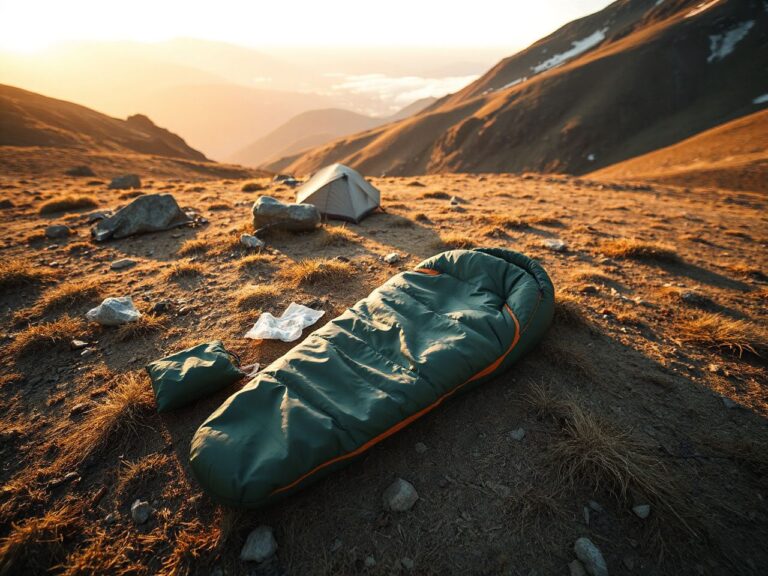
A hammock system instead of a tent saves nearly a pound and a half when tree line is available. In desert or alpine zones, a freestanding ultralight tent with a short pole set straps perfectly across the rear rack. A sleeping bag rated to 30°F handles the Sierra summer chill, but a silk liner is useful for nights dipping below 20°F in the high desert shoulder seasons.
Clothing doubles as pillow stuffing. A puffy jacket packed into its own pocket makes a workable headrest, and rain gear acts as a windbreaker around camp. Packing no more than two sets of socks is advisable—one dry pair stays sealed in a waterproof bag and is only worn inside the sleeping bag.
The Motorcycle-Specific Tool Kit
Roadside repairs are not the time to discover you left the axle wrench at home. A good kit lives in a tool tube bolted to the skid plate and includes a multitool with pliers, a compact 1/4-inch socket set down to 14 mm, zip ties, a master link, a spare clutch cable, and a manual tire pump. A tubeless repair kit with mushroom plugs can save a trip.
If you ride a bike with tubes, carry two spare tubes—one in a fender bag and one stuffed under the seat. Pinch flats on a loaded bike are miserable on loose rock, and patching a tube in the dark with headlight glare is difficult and best avoided.
Finding Your Spot: BLM Land, National Forests, and Beyond
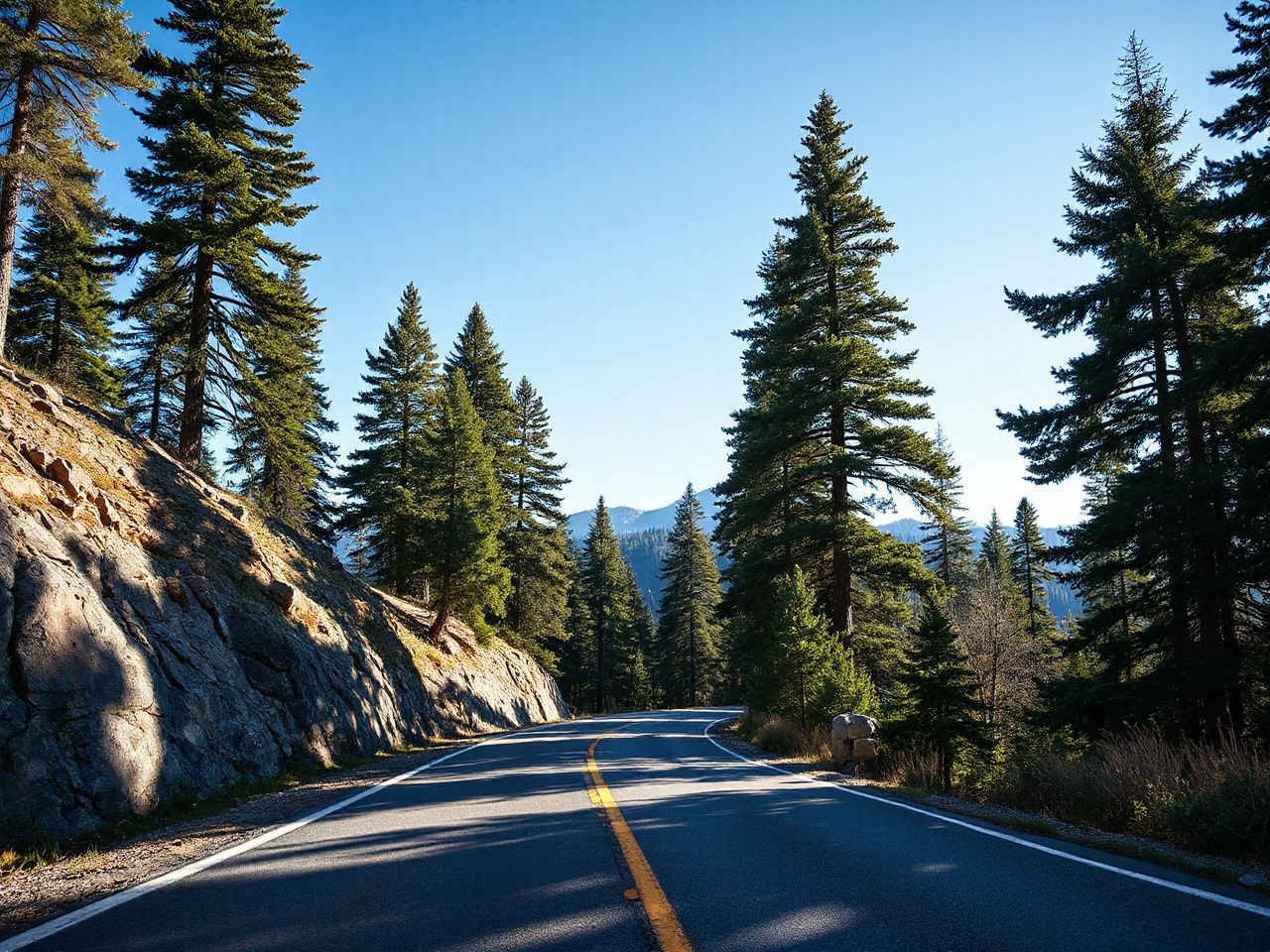
California holds over 15 million acres of BLM land and another 20 million acres of national forest, much of it open to dispersed camping. The trick is separating the roads that lead to legal sites from the ones that dead-end at private property or protected habitat. Use three layers of scouting before you ever kick the kickstand down.
Riders coming from other regions will find the same public-land logic applies elsewhere. If you’re planning a multi-state journey, our dispersed camping Idaho guide shares similar tactics for tracking down open rangeland and forest roads.
Reading the Map: Digital Tools and Paper Backups
Start with Gaia GPS with the Public Lands layer active, downloaded offline for the whole region. It color-codes BLM (yellow), Forest Service (green), and private inholdings (white). Before starting the engine in the morning, zoom in on the area you intend to reach and drop waypoints on at least two potential sites.
Phone batteries die fast in cold mornings. A folded paper Motor Vehicle Use Map (MVUM) for the specific national forest is mandatory. They’re free at ranger stations and show every legal motorized route. Mark it with a highlighter to indicate roads open to dispersed camping—usually any spur off a designated forest road unless posted otherwise.
For BLM parcels, the BLM Surface Management Map series works the same way. Cut out the relevant quadrants and laminate them with packing tape. In places like the Alabama Hills, a cheap paper map can keep you from pitching on a mining claim, which would be a hard wake-up call.
Spotter’s Checklist: What Makes a Good Dispersed Site
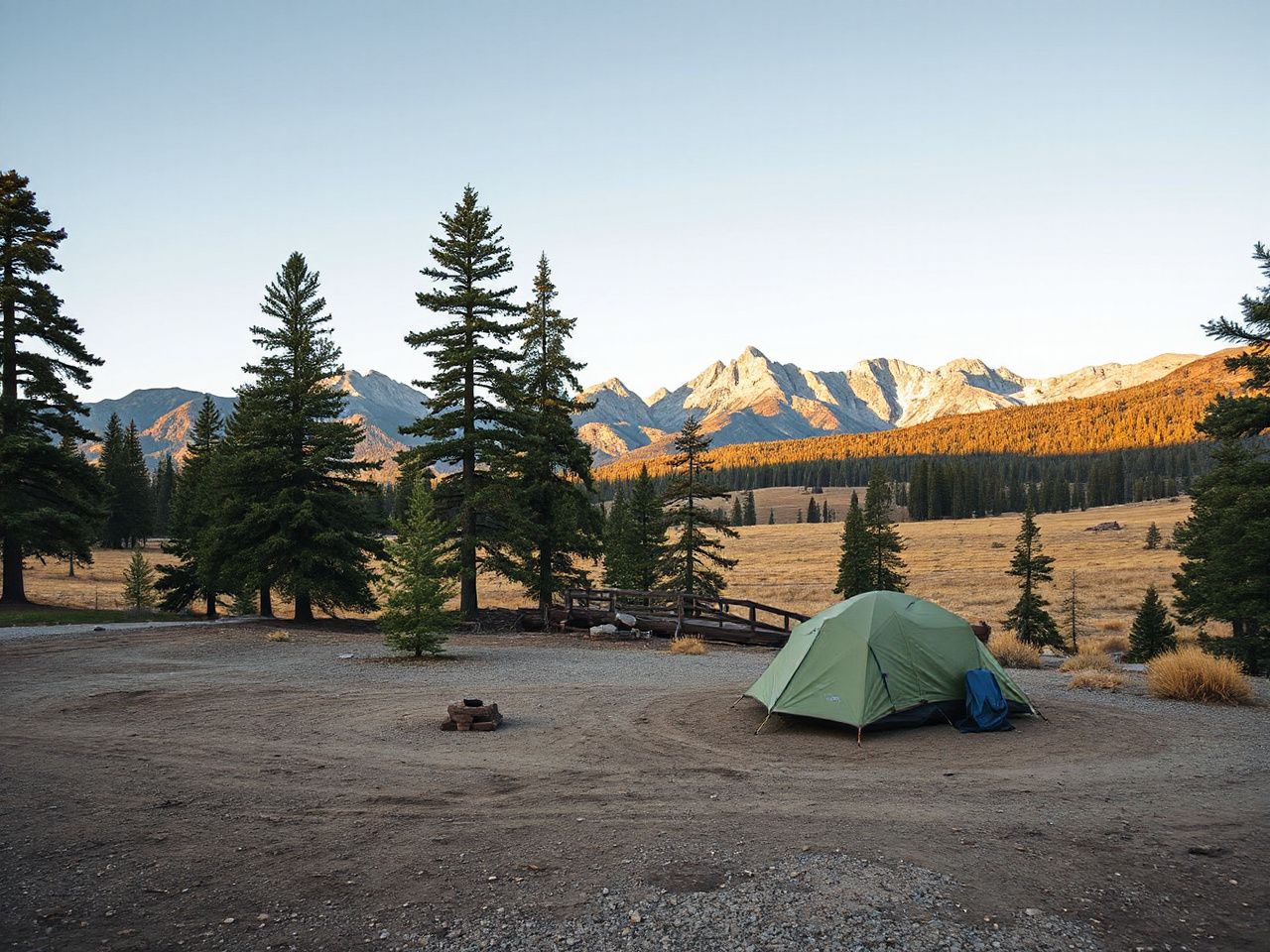
When rolling slowly up a dirt track, scan for four things: flat ground at least 10 feet from the road, previous use (a fire ring made of rocks, bare dirt where tent stakes went in), no overhead widowmakers (dead branches), and cell signal—or at least a clearing where you can bounce a message off a satellite. One bar of LTE is gold if the bike won’t start.
Avoid sites near streams in the Sierra unless it’s an established dispersed site—the setback requirement is usually 100 feet from any water source. In the desert, look for natural windbreaks like boulder piles. Setting a tent in the lee of a Joshua tree is illegal and damages the root system, so that’s a hard no.
Setting Up Camp on Two Wheels
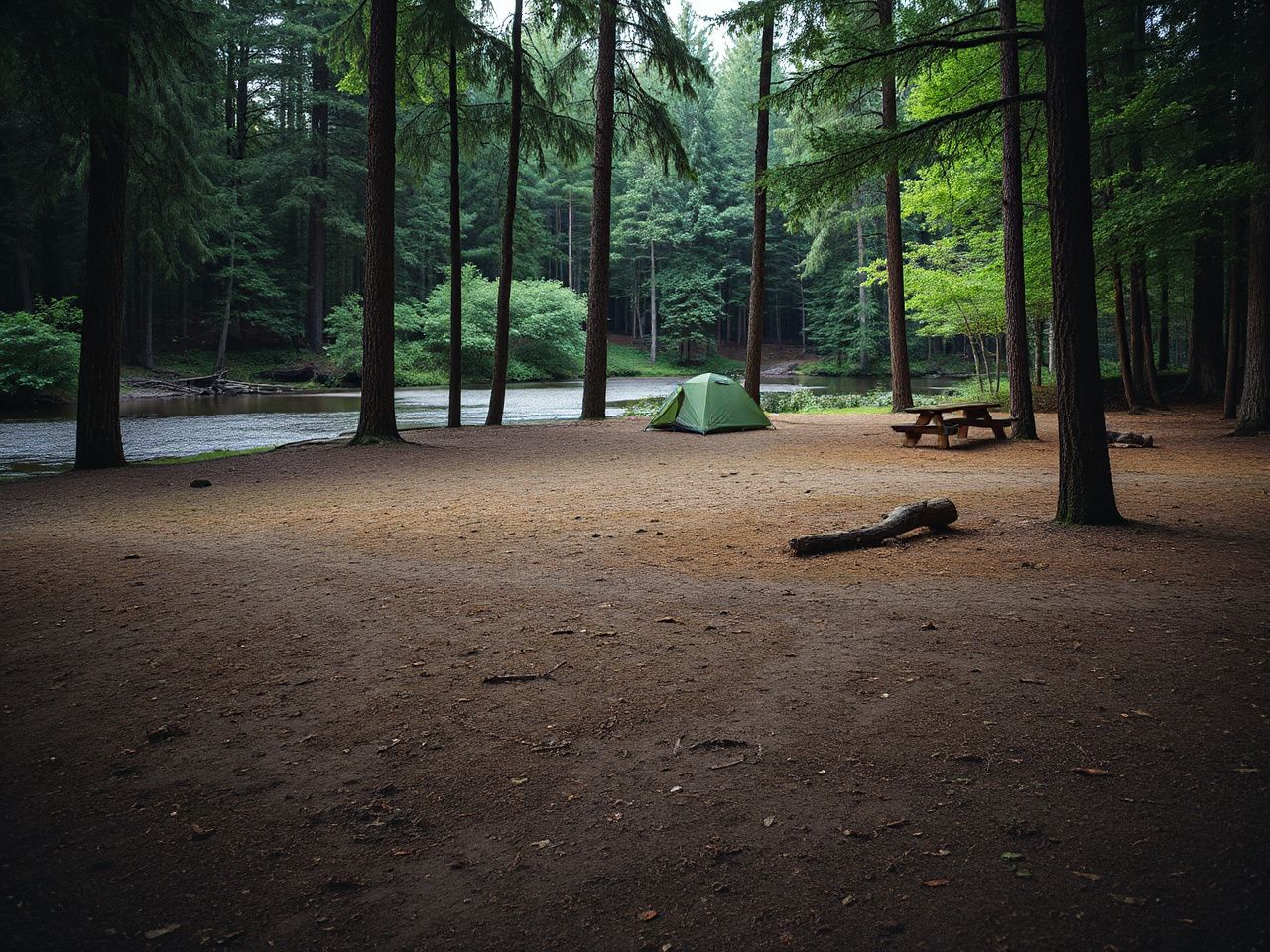
Living off a motorcycle means every task—cooking, pitching a tent, filtering water—must be doable in the space of a small blanket while the bike sits on its sidestand. A refined routine saves you from fiddling with guylines as the temperature drops past 45°F.
When the engine is killed, the helmet stays on until the bike is in its final position. The site should be walked first, kicking rocks aside, checking for anthills, and feeling for damp soil that signals a dry creekbed. Then the bike goes on the centerstand if the ground is firm—that keeps it level for fuel measurement the next morning and stops the sidestand from sinking into soft dirt overnight.
Pitching Fast in Wind or Dark
A fly-first tent puts the rainfly up before the inner body. In a stiff afternoon wind like the one that rips through the Owens Valley, stake the windward corners first and use rocks to weigh down the unstaked side while you crawl in to insert poles. With practice, the whole setup goes quickly—and that practice pays off when a storm front rolls over Tioga Pass faster than the forecast claimed.
Store tent stakes in a roll-top bag clipped to the outside of a pannier. Digging through a packed dry bag for a single stake in a gale is avoidable suffering.
Water Strategy When Every Ounce Counts
Carrying enough water for a full day of riding and a night of camp cooking is the single trickiest piece of motorcycle dispersed camping. Carry 3 liters in a hydration bladder and another 2 liters in a collapsible bottle strapped to the tail rack. That’s enough for 24 hours in moderate temperatures, plus dry oatmeal or freeze-dried meals.
In the desert, plan routes around water refill points: ranger stations, campground spigots, and occasionally a water cache buried in a marked location on the way in. A lightweight Sawyer squeeze filter works for streams and creeks—it screws directly onto the collapsible bottle and removes bacteria without chemical aftertaste. In regions like the Mojave, surface water doesn’t exist, so every mile must be calculated.
Riders heading east might want to read about dispersed camping in Montana for wide-open spaces where water access follows a different rhythm.
California Regional Spotlights for Riders
Certain regions stand out not just for scenery but for reliable access, legal certainty, and low traffic. These zones are recommended for disappearing for a few days without a reservation.
Mojave Desert: Desert Solitude and Star Shows
Between November and March, the Mojave is prime. Daytime highs hover around 65–75°F and nights drop into the 30s. The area south of Kelso Dunes is a good target, where BLM land stretches for miles. A graded dirt road runs east from Kelbaker Road, and within half a mile you’ll spot pull-offs used by previous campers.
This is boondocking at its purest: no water, no toilets, no cell signal once behind the dunes. Carry a satellite messenger for this zone. In the evening, the Milky Way emerges even before full darkness. It’s one of the few places that feels entirely off the grid while still being two hours from a gas station.
Sierra Nevada Foothills: Cool Pines and Fire Roads
The Stanislaus and Tahoe national forests host dozens of miles of fire roads that climb from 3,000 feet to 6,000 feet in elevation. Dispersed sites pepper these roads, often marked by a flat turnout and a stone fire ring. Avoid them during fire season (typically July through October) because restrictions can change overnight and air quality suffers.
Midweek in late spring, you can ride up a canyon and find a site beside a creek without a soul around. The key is to check the MVUM for the specific district—some roads allow camping only within 30 feet of the road’s edge, while others permit short spurs. A paper map helps avoid tickets by showing which trails are non-motorized hiking paths.
Los Padres National Forest: Coastal Range Hideaways
The Los Padres runs parallel to the coast, offering a cooler alternative when the interior deserts bake. Riding in from the east side near Ojai leads into the pines. The fire roads here are narrower, often washed out, and steep—requiring a bike that can handle loose shale. Dispersed camping is allowed throughout the forest with a California Campfire Permit, which is free online after a short quiz.
Good spots sit near Pine Mountain or along the route toward Lockwood Valley. Morning fog rolls in like a blanket, and the scent of sage fills the air. This region is popular with off-road enthusiasts, so ride farther in to find solitude.
For those riding through the Midwest, our Minnesota dispersed camping guide details state forest systems that reward the same patience and preparation.
Leave No Trace and Backroad Etiquette
Free camping survives only if riders and campers treat public land better than they found it. Pack out everything—including orange peels, which take two years to decompose in arid zones. A reusable trash bag clipped to a pannier makes this easy.
Human waste: dig a 6–8 inch cathole at least 200 feet from water, trails, and campsites. In desert with rocky soil, a sturdy trowel and patience are required. Toilet paper goes in a ziplock bag, never buried. It might sound extreme, but toilet paper blossoms are known to turn a beautiful site into a biohazard.
Motorcycles are narrow and can sneak into spots that trucks can’t reach, but that doesn’t grant permission to create new trails. Stay on existing roads and use only established pull-offs. Rutting a wet meadow to reach a creek for a photo damages the ecosystem for years. The principle is simple: if you can’t see tire tracks already there, it’s probably not a legal route.
Use a fire pan even when a rock ring exists. It takes 30 seconds to set up and leaves zero ash behind. A collapsible stainless steel pan fits under a luggage rack and doubles as a wind shield for the stove.
Permits, Stay Limits, and Fire Rules
Most California dispersed camping requires no fee and no reservation, but a few permits and rules apply everywhere. In national forests, a California Campfire Permit is required for any open flame—including a camp stove. It’s quick: watch a five-minute video, answer a few questions, and print or save the PDF on your phone. Rangers during peak season do check.
Stay limits exist. In most BLM areas and national forests, you can camp in one spot for 14 days within a 28-day period. After that, you must move at least 25 miles to a new location. These limits are enforced more strictly near popular recreation areas like Bishop or Big Bear.
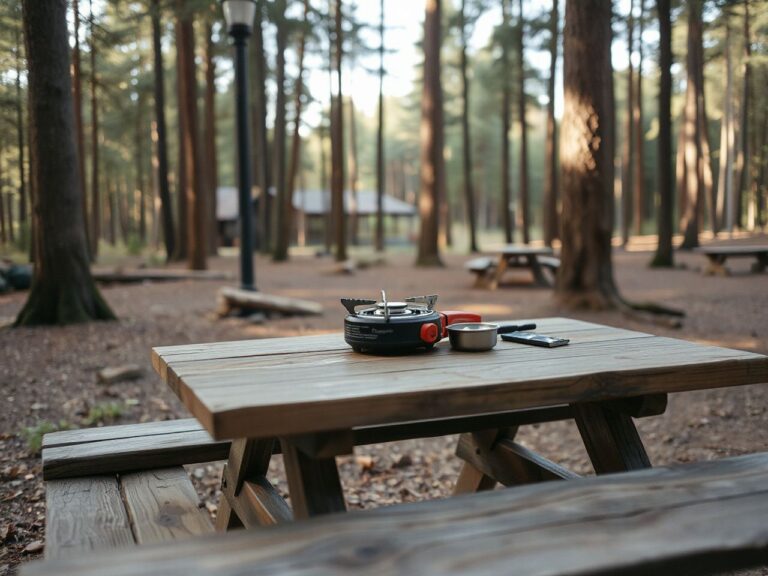
During fire season, Stage 1 restrictions ban campfires outside developed campground fire rings. Stage 2 bans all stoves without a shut-off valve. Carry a canister stove that turns off instantly, which is allowed under nearly all restrictions. Never rely on a campfire for cooking; always plan for cold-soaked or stove-prepared meals.
Frequently Asked Questions
Do you need a permit for dispersed camping in California?
For most BLM land and national forest areas, no camping permit or fee is required for dispersed camping. However, a California Campfire Permit is mandatory if you plan to use a stove, lantern, or campfire outside a developed campground. Some areas, like high-use zones of Los Padres National Forest, also require a National Forest Adventure Pass if you park at a trailhead. Always check the specific ranger district website before you go.
What’s the best time of year for motorcycle dispersed camping in California?
Timing depends on elevation. Spring (March–May) and fall (September–November) are ideal for low and mid-elevation deserts like the Mojave and Colorado Desert. High Sierra routes open when passes clear, usually late June through September. Winter camping works in the lower deserts, but overnight temperatures can hit the 20s. Avoid fire season months (often July–October) unless you’re prepared for strict stove-only rules and potential road closures.
Can you have a campfire while dispersed camping in California?
It depends entirely on the local fire restrictions, which can change by the day. Outside of fire season, you must obtain a free California Campfire Permit and follow any posted rules at the ranger station. During fire season, campfires are typically restricted to designated fire rings in developed campgrounds. A portable propane fire pit with a shut-off valve is often allowed under Stage 1 restrictions, but always verify with the local ranger district before lighting anything.