Does Polyester Breath: What to Know Before You Buy
Contents
Every year, motorcycle rallies swell with more riders wearing sleek synthetic jackets and adventure touring pants. The shift away from heavy leather is unmistakable. But with that shift comes a question that gets whispered around campfires from Chiang Mai to Patagonia: does polyester breathe, or is it just trapping heat in a high-tech disguise? The moments that make the best stories are almost always the ones where something went wrong, which is the whole case for doing the homework first. Preparation doesn’t prevent adventure — it just gives you better options when it shows up. Understanding whether polyester breathes is part of that preparation, especially when you’re five mountain passes from the nearest gear shop.
Key Takeaways
- Polyester does allow moisture vapor to escape, but its breathability depends far more on fabric construction and finish than on the fiber itself.
- Uncoated, loosely woven polyester can be highly breathable, while tightly constructed or membrane-laminated versions can trap heat just like any non-breathable material.
- For motorcycle riders, polyester’s real strength lies in its quick-drying properties and how it integrates into layered systems — not just in how “breathy” it feels at a standstill.
What Does “Breathable” Fabric Really Mean?
Many riders mistakenly equate breathability with airflow. Stick your hand behind a fan, and you feel cooling. But that’s not what fabric scientists mean when they say a material breathes. Breathability is the movement of moisture vapor — the water your body evaporates through sweat — away from your skin to the outer surface, where it can dissipate. Without this, you end up clammy, chilled, or overheated regardless of ambient wind.
The Science of Moisture Vapor Transmission
All fabrics have a measurement called the Moisture Vapor Transmission Rate, or MVTR. It tells you how many grams of water vapor can pass through a square meter of fabric in 24 hours. A high MVTR — say above 5,000 g/m²/24hr — indicates a fabric that lets sweat vapor out quickly. A low number, like under 1,000, means you’ll likely stew in your own humidity. Polyester’s raw fibers have an inherently high MVTR, but finishing treatments can slash that number dramatically.
Consider a polyester base layer in the humid backwaters of Kerala, where at 95% humidity the air itself seems to have forgotten how to evaporate. The fabric cannot magically cool anyone — with the air that close to saturated, there is almost nowhere for the moisture to go. What it does do is transport sweat outward and spread it thin across the face of the cloth, so the moment the sun breaks through the clouds it can flash off in minutes. Cotton, which pulls water into the yarn instead of passing it along, would have stayed wet for hours.
Why Fabric Structure Matters More Than Fiber Type
A common trip-up: assuming that because polyester is plastic, it can’t breathe. That’s like saying all metal is heavy because you’ve only handled lead. Polyester fibers are hydrophobic — they repel water in liquid form but allow vapor to pass through. The true gatekeeper is the weave, knit, or membrane. A loose, open-knit polyester mesh can have higher breathability than a densely woven cotton poplin. Conversely, a polyester fabric coated with polyurethane for waterproofing becomes a sauna suit, blocking nearly all vapor exchange.

The Hidden Structure of Polyester
To really answer whether polyester breathes, you have to get down to the molecular level. It’s not glamorous, but knowing this can save you from baking in a cheap “adventure” jacket during a Patagonian summer.
Hydrophobic Fibers and Wicking
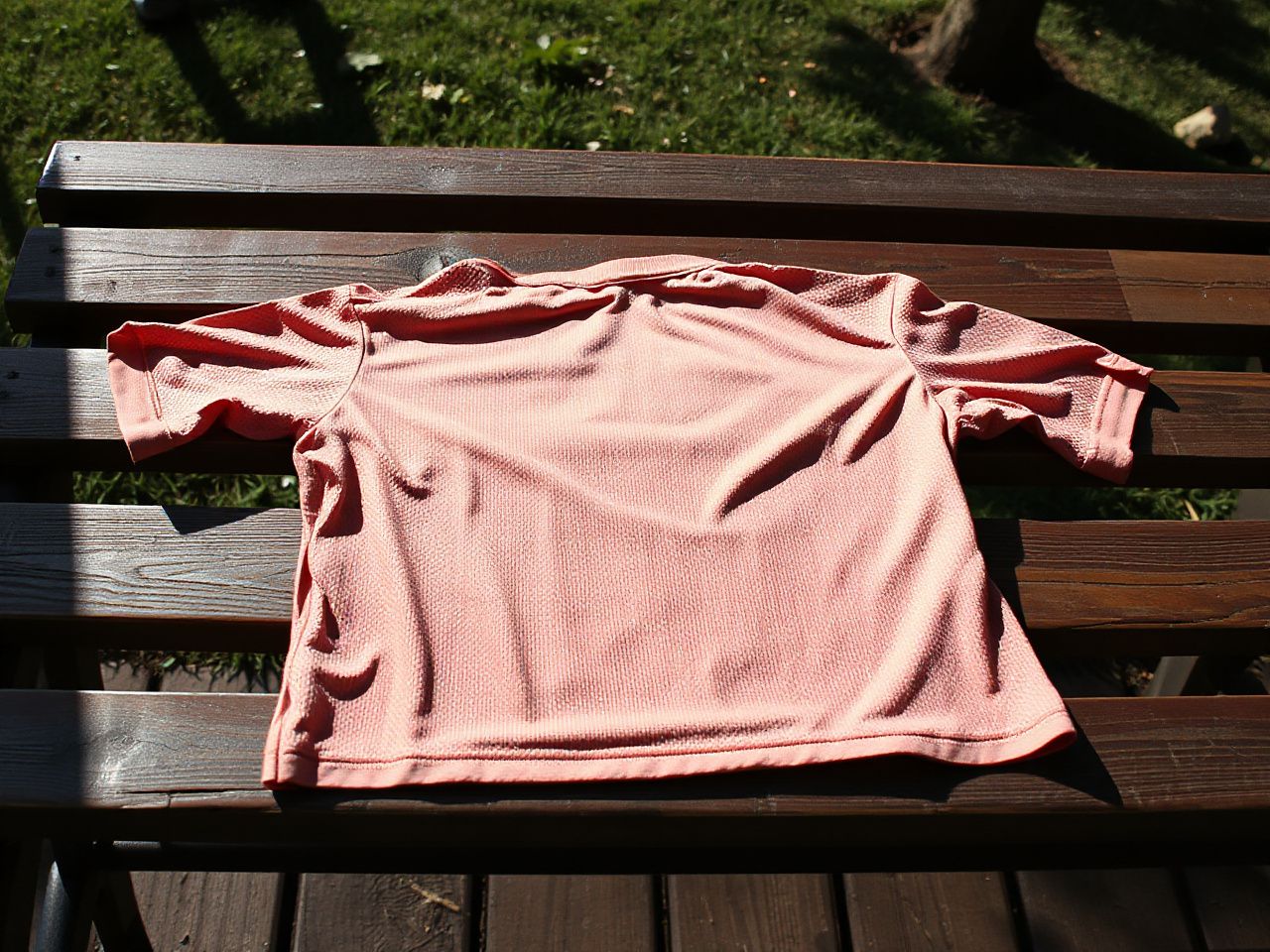
Polyester molecules are long-chain polymers that basically hate water. A droplet won’t spread on them; it beads up. This hydrophobia is an ally — the fibers don’t absorb moisture, so sweat vapor moves through the spaces between yarns rather than saturating the fabric itself. That’s why a polyester shirt dries 4-5 times faster than a cotton one. It can’t hold water weight. In technical terms, polyester’s “regain” is just 0.4% of its weight in moisture, compared to cotton’s 7-8%.
Cotton absorbs moisture and can become cold and uncomfortable in harsh conditions, while polyester’s hydrophobic nature helps keep the wearer dry and warm.
The Role of Coatings and Membranes
Here’s where the breathability question gets tricky. Many polyester motorcycle jackets are coated or laminated to be waterproof. A standard polyurethane coating might reduce MVTR to below 1,500, effectively killing breathability. Higher-end laminates use microporous membranes (think expanded PTFE or polyester-based alternatives) that have pores small enough to block liquid water but large enough to let vapor molecules through. These can achieve MVTR values of 10,000 to 20,000+, rivaling high-end natural materials.
But a membrane only works if the humidity gradient is in your favor. Ride in tropical Southeast Asia where the air is already saturated, and even the fanciest membrane struggles — physics doesn’t bend to marketing. In those conditions, your best bet is mechanical venting, not miracle fibers.
How Polyester Compares to Nylon and Cotton
Nylon is often thrown into the same synthetic basket, and it does share many properties. Nylon is slightly more absorbent (regain around 4%), dries a touch slower, but can feel cooler against the skin. Breathability between the two comes down to construction more than lineage. Cotton, beloved by old-school riders, is a trap. Once wet, its thermal conductivity spikes, pulling heat from your body 25 times faster than dry fabric. Polyester keeps insulating even when damp.
Polyester in the Saddle: Long-Ride Lessons
Culture shapes gear choices as much as climate does. In rural Rajasthan, local motorcyclists often wear loose, flowing cotton garb over polyester synthetics. Not because polyester doesn’t breathe — but because the extreme dry heat necessitates maximum airflow that traditional cuts provide. Conversely, in the damp cold of a Norwegian fjord, polyester mid-layers help keep moisture moving outward even during rain-flecked ferry crossings.
From the Himalayas to the Sahara: Real-World Performance
At 15,000 feet in the Himalayas, you’re dealing with low humidity and intense solar radiation. Polyester shells with light coatings prevent wind chill while letting enough vapor out to avoid freezing from within. Down in the Sahara, though, a heavy polyester pant can turn into an oven if it’s not a loose weave. “Breathability” at 115°F depends on fabric, vent zippers, and the bike’s speed all contributing together.
The Effect of Altitude and Humidity
Physics dictates that water vapor diffuses more rapidly in low-humidity environments. So the same polyester jacket that feels swampy in a Bangkok traffic jam can feel airy and competent on a high-desert plain in Oregon. Don’t blame the polyester alone; the vapor pressure differential is a huge piece of the puzzle. Breathability of a fabric depends greatly on the environmental context.
Layering Strategies for Any Climate
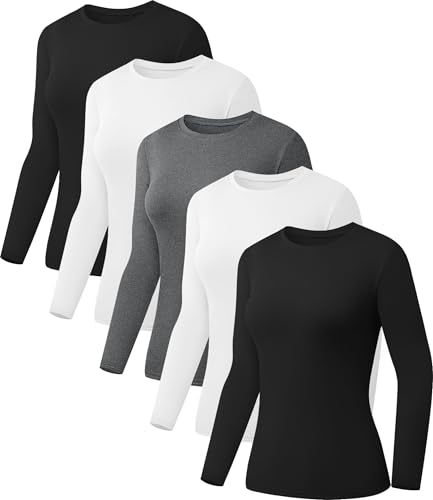
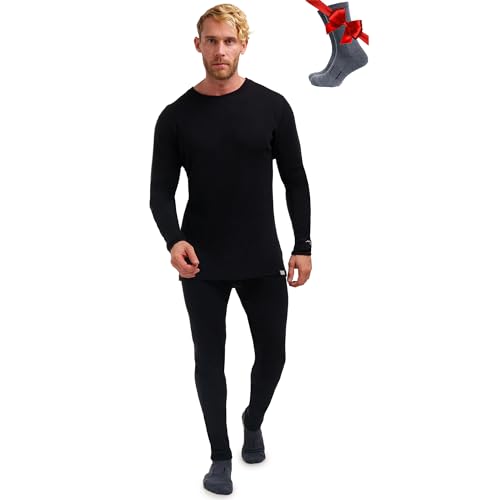
If you know how to layer, polyester becomes a tool rather than a mystery. Start with a thin polyester or poly-blend base layer against your skin. Add an insulating polyester fleece (which is extremely breathable due to its open-knit structure) when it’s cold. Top it with a polyester shell that has strategic venting. By combining layers, you create an air gradient that encourages moisture to move outward. That is the logic behind pairing men’s polyester pants with mesh overpants: the same stack covers morning frost through to afternoon sun without a change of clothes, because what gets adjusted is the venting rather than the garments.
For riders who prioritize minimalism, a single well-chosen polyester oversuit can serve as windbreak and mild rain protection while still breathing adequately for temperate climates. The key is avoiding the “just one more jacket” trap — too many layers restrict airflow between them, creating a still pocket of humid air against your skin.
Leaving It Better: Sustainable Polyester Choices
Moto travelers should leave places better than they found them. That philosophy extends to the gear riders buy and how they dispose of it. Polyester has a problematic environmental image, but the conversation is shifting.
Recycled Polyester and Microfiber Pollution
Today, a growing percentage of polyester fabrics come from recycled PET — think plastic bottles. This reduces reliance on virgin petroleum and significantly lowers the energy footprint. However, recycled polyester still sheds microfibers during washing, which end up in rivers and eventually the ocean. Riders who cherish wild places can mitigate this by using a microfiber-catching laundry bag (like a Guppyfriend) or simply washing synthetic gear less often — which is easy when it airs out after a day on the bike.
Repairing and Extending Gear Life
The most sustainable piece of gear is the one you don’t throw away. Polyester’s durability is a double-edged sword: it lasts long but eventually microplastics are released. Patching, re-waterproofing, and resewing polyester shells keeps them in use far longer. Many local repair shops in Americas and Asia can extend a jacket’s life by years for a few dollars. Buying less, and demanding quality over quantity, reduces the environmental load far more than getting caught up in which “eco-fabric” is trendiest.
Whether you’re spending a day at a skydiving center or a month crossing a continent, breathable gear directly affects your experience. And if you’re curious about the costs of such flights — say, how much Skydive Dubai charges — you’ll find that the principle translates: invest in quality, understand your equipment, and the memories will pay you back.
Frequently Asked Questions
Does polyester breathe better than cotton for motorcycle riding?
Not exactly in terms of raw airflow, but yes in moisture management. Cotton fibers swell when wet and trap vapor close to your skin, accelerating heat loss in cold and discomfort in heat. Polyester stays lightweight, doesn’t absorb sweat, and dries quickly. For long rides over changing elevations, polyester’s vapor-transmitting properties vastly outperform cotton once you factor in real-world humidity and altitude shifts.
How can I tell if my polyester riding jacket will actually breathe?
Check the fabric denier and coating type. Hold the fabric up to a bright light; if you can see tiny pinpricks of light through it, there’s likely some air transfer. The label may list an MVTR rating or mention a hydrophilic membrane. Best field test: cup the fabric to your mouth and exhale firmly. Resistance means limited breathability. If you feel minimal back-pressure, vapor can escape readily.
Does polyester breathe enough for hot desert riding?
When ambient temperatures top 100°F, fabric breathability alone won’t keep you cool — you need air movement. Loose polyester garments with open weaves can work well against direct sun exposure while still allowing sweat evaporation. But many riders combine mesh polyester layers with zippered vents. The real key isn’t just breathability but evaporative cooling: soak a polyester neck gaiter and let the moving air do the rest.
Is all polyester bad for the environment if I ride through sensitive landscapes?
Not categorically. Recycled polyester reduces petrochemical demand, and because it’s highly durable, you can use a single high-quality polyester shell for tens of thousands of miles. The environmental harm often comes from washing, not wearing. Capturing microfibers in a wash bag and repairing rather than replacing gear dramatically lowers your footprint. A responsible rider can use polyester without guilt by making it last.