Badlands Abandoned Campsite: A Complete Visitor’s Guide
Contents
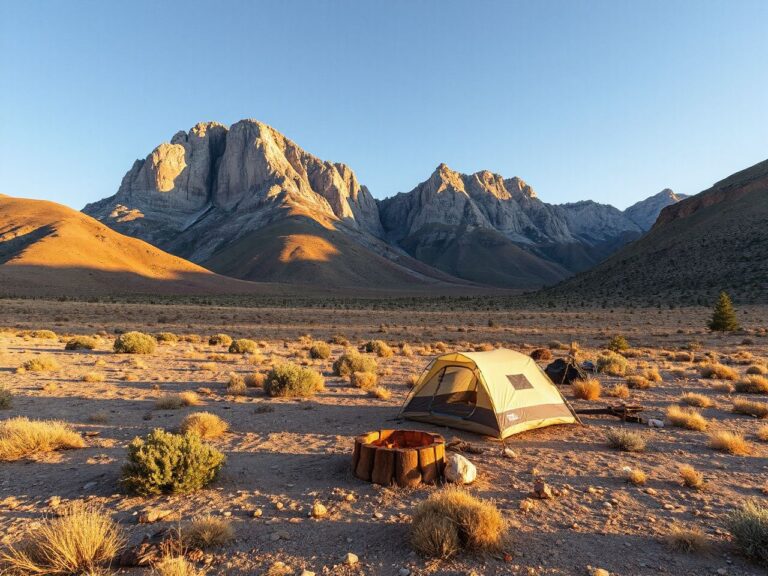
The first time you roll up on an abandoned campsite in the badlands, it feels like a gift. A stone fire ring already sits dead center. The ground looks tamped flat by a previous tent. Maybe there’s a half-buried log to sit on. After a long day of riding through sun-bleached prairie, your brain screams set up here—it’s ready. That’s the exact moment things go sideways.
The thing that separates beginners from people who actually enjoy camping in the badlands is how they treat an existing campsite. A new camper sees a flat patch of dirt and thinks it’s ready; the reality is that abandoned sites are often full of hidden hazards like old tent stakes, fire glass, and residue from human waste. Picking a fresh spot is recommended, even if it means a slight incline, and burning out the old site mentally—not physically. The real challenge isn’t heat or wildlife, it’s the complete lack of water and the tendency people have to underestimate how exposed they are. Those factors, relevant to the environment, are what this guide unpacks.
Key Takeaways
- An abandoned campsite in the badlands rarely means “ready to use.” Hidden glass shards, improperly buried waste, and fire pits with buried metal are the norm, not the exception.
- Water is the single biggest survival variable; there is no reliable natural source, and even the White River demands heavy filtration that often yields only marginally drinkable water.
- Pure preparedness beats fancy gear every time. The right mindset, pre-planned water caches, and a hard rule never to camp in dry washes will keep you safer than any piece of kit.
Beginner Stage: Decoding the Badlands and Abandoned Campsite Dangers
What Makes an Abandoned Campsite Hazardous
Riding into Badlands National Park or the Sage Creek Wilderness, you’ll spot old rings almost immediately because the prairie offers so little cover. Riders who came before you often leave more than a ring. Broken bottle glass gets pressed into soil by tent footprints and becomes invisible until it finds a sleeping pad. Rusted tent stakes, tossed into the fire pit, turn into needle-sharp shrapnel. Nail heads from burned pallet wood stay nestled in ash for years and puncture motorcycle tires just as easily as boot soles.
Then there’s human waste. Many people who abandon a site do not practice Leave No Trace principles. They dig catholes too shallow or not at all. A campsite that looks clean might have fecal matter buried less than two inches deep in the very spot you’d pitch a tent. The dry climate slows decomposition to a crawl—waste can remain biologically active for months. One rainy night and that contamination migrates sideways into the dirt you’re sleeping on.
The most dangerous hazard in any badlands abandoned campsite is the fire pit itself. Trash, aerosol cans, and even ammunition get tossed in. Heat during a sunny day can cause an old can to pressurize, and when you light a fire over it at night, it detonates. Old rings sometimes still hold spent rifle casings embedded in the soot. That’s not a campfire; that’s a munitions bin.
The Water Reality
There is no reliable water source in the badlands backcountry. The White River winds through the southern section of the park, but it’s often so laden with silt and agricultural runoff that it looks like chocolate milk. Alkalinity levels can spike above pH 9.5, and heavy metals from old mining tailings upstream are a genuine concern. The National Park Service strongly recommends bringing all the water you need—one gallon per person per day minimum, more like 1.5 gallons in summer when high exposure pushes sweat loss into overdrive.
Some riders ask about filtering the White River. A high-end pump filter with a ceramic element can remove particulates and most bacteria, but it will not fix alkalinity or dissolved solids. No filter fixes either one. The water still tastes metallic, and the dissolved mineral load is enough to bring on stomach cramps inside a day. Carrying every drop is safer. For a multi-day slow-travel route through the park, the working method is to stash water caches ahead of time against marked GPS waypoints, hiding 2.5-gallon jugs in shaded washouts far from roads. That’s not a gear recommendation—it’s a tactic that gives you margin. Margin is what keeps you out of trouble when a storm front strands you an extra night.
Weather and Exposure That Surprise New Riders
People see photos of sun-scorched buttes and assume it’s always hot. Summer daytime highs in the badlands routinely hit 100°F (38°C), but after sunset, dry air and open terrain drop temperatures into the 40s°F (4–9°C) by 2 a.m. That shift happens fast—often within 90 minutes of sunset. A sleeping bag rated to 40°F will leave you shivering if the wind picks up. The Badlands are essentially a wind funnel. Unimpeded prairie gusts can sustain 30 mph all night, and tent fabric that isn’t anchored with sand stakes or large rocks will collapse.
Flash floods are the sneaky killer. The sky can be perfectly clear where you camp, while a thunderstorm 20 miles northwest pushes a wall of water through every gully. Never pitch a tent in a dry wash, a shallow ravine, or any depression that looks like it might channel water. That includes many tempting spots near the park’s scenic loop where previous campers flattened an area in a draw for wind protection. A flash flood in 2022 swept through Sage Creek camp and completely rebuilt the stream channels overnight. If you’re unsure, check the banks for dried grass matted in a downstream direction—that’s the high-water mark from the last flood.
Intermediate Stage: Gear and Preparation That Actually Matter
Shelter and Sleep System for Open Prairie
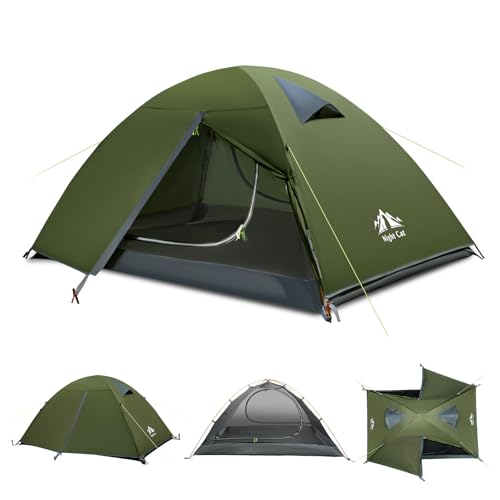
Talk about tents in the badlands all comes back to wind and puncture risks. A freestanding tent like the MSR Hubba-NX lets you move the entire pitch if you discover broken glass under the footprint after dark. It’s also easier to shake out sand. A non-freestanding shelter relying on trekking poles can work, but when the ground is hard-packed clay crisscrossed with old stake marks, getting a solid pitch takes forever. Pairing it with a Therm-a-Rest NeoAir pad—specifically the XTherm version—is recommended not for comfort, but because an R-value of 6.9 truly isolates you from the cold creep that rises out of the ground at 3 a.m. Groundsheet protection matters more than the tent itself. A thick polycryo ground cloth or a piece of Tyvek that’s 6 inches wider than the tent footprint catches shards you’d otherwise push against the floor.
One self-contained gear rule is: the sleeping pad’s R-value matters far more than the bag’s temperature rating on cold, wind-swept prairie. The ground siphons heat out of your body exponentially faster than the air. A 30°F bag on a pad with an R-value of 2 leaves most riders shivering by midnight in 55°F ambient air. Jump the pad to an R-value of 5 or 6, and that same 30°F bag feels almost plush. The takeaway? Budget your sleep kit dollars toward the pad first.
Navigation and Communication
Cell service in the badlands is practically nonexistent outside the visitor center area. A GPS unit that relies on Bluetooth to your phone won’t help if your phone battery dies, so a standalone device with two-way satellite communication is essential. The Garmin inReach series lets you pull weather forecasts, send texts to coordinate a water cache pickup, and trigger an SOS if a rattlesnake bite goes bad. But don’t fool yourself: the SOS function will bring help, but help is often hours away on dirt roads. Pack a comprehensive first-aid kit that includes a pressure immobilization bandage specifically for snake envenomation and know how to use it. NPS wildlife safety guidance stresses that prairie rattlesnakes are active at night and gravitate toward warm objects—like a sleeping bag or a helmet left on the ground.
Paper maps never run out of battery. Carry a waterproof set of USGS 7.5-minute quad maps for the Sage Creek unit and the North Unit, with drainage lines highlighted. When a dirt track washes out and you have to navigate cross-country, contour lines and seasonal stream markers are more useful than any digital topo app, because you can write your own notes directly on the map while you’re scouting.
Clothing and Footwear You Won’t Regret
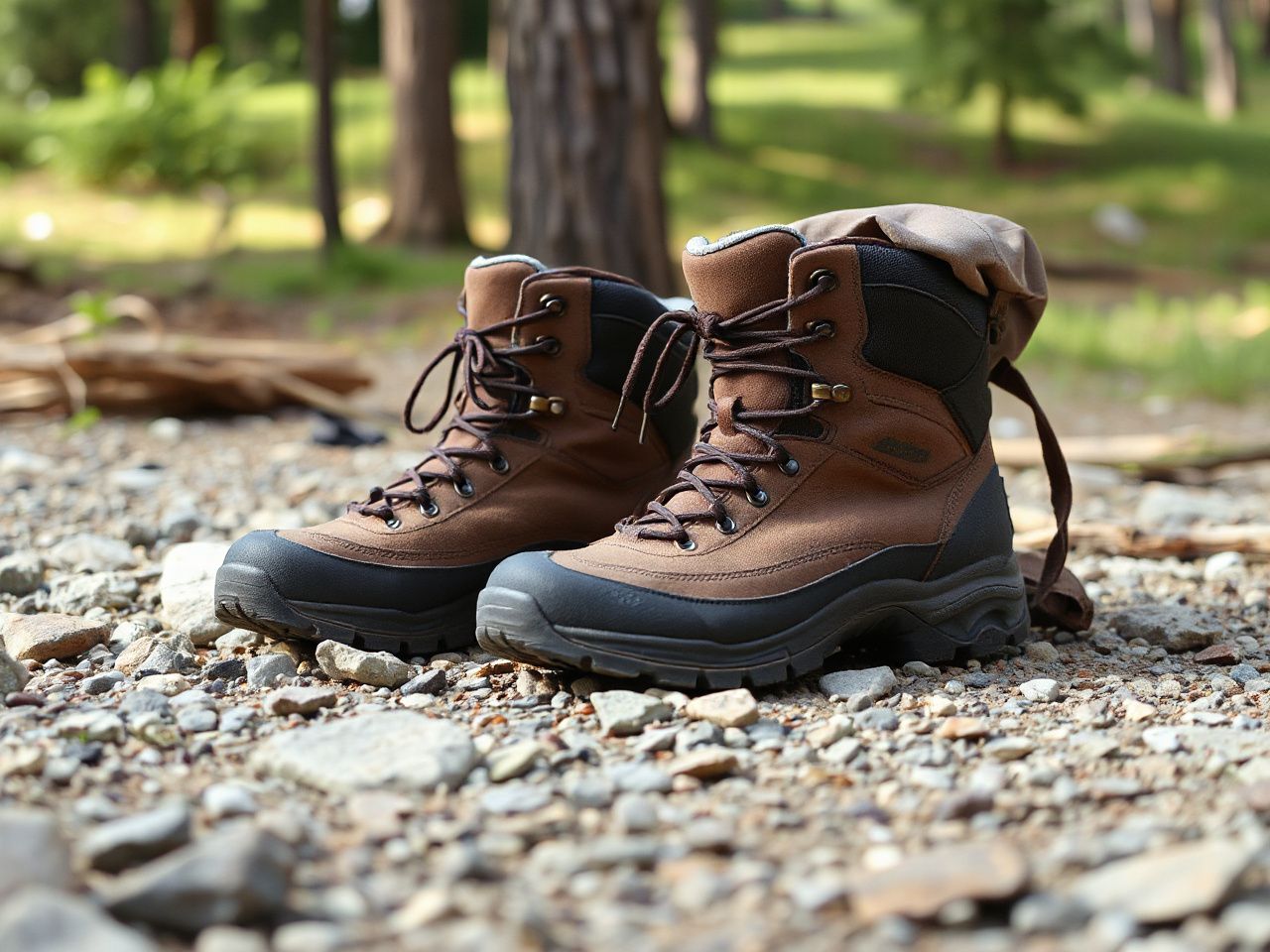
Cotton kills out here quicker than most people believe. The moment sweat soaks a cotton T-shirt and the evening wind kicks up, you’ll chill dangerously fast. Lightweight merino-blend long-sleeve shirts are recommended even when it’s baking—the fabric’s evaporative cooling works because there’s no humidity. Closed-toe boots are non-negotiable. Prairie rattlesnakes often curl up in the shade of tall grass near old campsites, and a mesh trail runner offers zero protection. Gloves for handling firewood and moving rocks are just as critical; scorpions and spiders hide under every surface. Black widows can be found under discarded tent footprints.
Advanced Stage: Site Selection, Campcraft, and Safety Protocols
Picking a Fresh Spot Instead of Reusing an Old One
Regulations in Badlands National Park require you to camp at least 100 feet from any road, trail, or water source and encourage using previously disturbed sites only if they already meet that standard. Many abandoned campsites sit right on the edge of a dirt track because the people who left them didn’t check. Using them puts you in violation of NPS rules and exposes you to dust from passing vehicles. Instead, scan for level, hard-packed soil on the leeward side of a butte or ridge. A slight incline actually helps—rain runoff won’t pool under your tent. Carrying a small folding saw to clear cactus from a 10×10-foot area is useful, along with gloves to pull prickly pear pads without getting spines in your hands. Spending time prepping a clean site rather than accepting someone else’s abandoned mess pays back in safety and genuine peace of mind.
If you do decide to occupy a badlands abandoned campsite because it’s the only flat ground for miles, treat it like a hazmat site first. Thoroughly comb the entire area with a rake-like stick. Lift and shake out every rock near the fire ring. Probe the soil with a tent stake to locate buried metal before your sleeping pad goes down. And always mentally burn the site—assume every inch is contaminated until you’ve cleared it physically.
Managing Wildlife Encounters
Bison traffic through Sage Creek campsites regularly. A bison weighs up to 2,000 pounds and can pivot faster than a sport bike. If you wake to one grazing near your tent, stay inside, stay silent, and wait. Don’t walk to your motorcycle to move it—engine noise can startle the herd. Coyotes are bolder around abandoned campsites because previous people left food scraps. Secure every food item, toothpaste, and lip balm in a hard-sided canister or bear bag hung from a sturdy branch (even though bears are rare, the same scent-management principles that keep bears away from a camp absolutely apply to coyotes, badgers, and raccoons that will shred soft panniers).
For snakes, the rule is simple: never place hands or feet where your eyes haven’t been. Shake out your boots every morning—rattlesnakes will crawl inside a warm boot left outside the tent. A telescoping snake hook and a headlamp with a red-light mode help on nighttime walks around camp, but the best defense is a clean, clutter-free campsite without piles of dead brush or old equipment.
Fire and Sanitation in a Fragile Ecosystem
Fire danger in the badlands spikes in late summer when dry lightning and high winds overlap. If you build a fire, use a fire pan elevated on rocks so the heat doesn’t sterilize the biological soil crust—that dark, bumpy cryptobiotic layer that prevents erosion and takes decades to regrow. Scatter cold ashes widely at least 200 feet from camp, and never burn trash. Pack out toilet paper and hygiene products; the badlands soil is too shallow and biologically active near washes to safely bury them. For human waste, dig a cathole 6–8 inches deep and at least 200 feet from any drainage. Carry a lightweight trowel like a Deuce of Spades, and a small squeeze bottle of hand sanitizer.
One advanced tactic for multi-day trips: pack a WAG bag (waste aggregation and gelling bag) for each night you’ll be far from a suitable cathole site. They’re not glamorous, but they completely eliminate the contamination risk that plagues abandoned campsites. Toss the sealed bag in a dedicated dry sack on your rear rack and deal with it at the next proper disposal station.
Frequently Asked Questions
How dangerous is it to camp near an abandoned campsite in the badlands?
An abandoned campsite can hide sharp debris, buried waste, and unstable fire pits that pose real injury risk. Combining that with extreme weather shifts, zero water access, and potential snake encounters makes it far more dangerous than a fresh site you prepare yourself. Always scout the area for glass, metal, and waste, and consider everything within a 10-foot radius contaminated until proven otherwise.
What gear do I actually need for camping in the badlands, not the stuff REI wants to sell me?
A high-R-value sleeping pad (R-value 5 or higher) matters more than an expensive tent. Sturdy closed-toe boots and leather gloves protect against rattlesnakes, scorpions, and sharp debris. A satellite communicator like a Garmin inReach is essential because cell service vanishes. Bring all your water (1-1.5 gallons per person per day). Everything else is secondary. Skip the heavy camp kitchen; cold-soaked meals simplify logistics and eliminate dishwashing water waste.
How do I find good spots to set up camp when the old campsites are full or sketchy?
Look for level, hard-packed ground at least 100 feet from roads, trails, and drainages. The leeward side of buttes offers wind protection. Avoid dry washes entirely. A slight incline prevents rainwater pooling. Spend 20 minutes clearing cactus and rocks, then thoroughly probe the soil for buried hazards. A fresh site you build yourself is always safer than assuming an existing ring means the patch is ready.
Do I need a permit for camping in the badlands, and are there restrictions on using abandoned sites?
Backcountry camping in Badlands National Park does not require a permit, but you must follow NPS rules: stay 100 feet from roads, trails, and water, and do not camp in archeological sites. Abandoned campsites inside that setback are illegal to occupy. Always check at the visitor center for current fire restrictions and any area closures before heading out.
What’s the deal with water in the badlands—can I filter from the White River, or do I have to haul it?
You must haul it. The White River is often muddy, alkaline, and carries agricultural runoff that standard filters don’t address. Even heavy-duty purification makes the water unpalatably metallic for many riders. Cache water ahead or carry all you need. Assume no natural source is safe without extensive treatment and taste-testing before committing to a multi-day supply from the river.
How do I keep bison, coyotes, and snakes away from my camp?
Secure all scented items—food, trash, toiletries—in a hard-sided container or hung from a sturdy branch. Never approach bison; stay inside your tent if they graze nearby. For snakes, wear boots and gloves, shake out gear every morning, and keep your campsite clear of brush piles and old wood. The same scent-discipline techniques used in bear country work for coyotes and badgers.