Free Camping in Wisconsin: Rules of Thumb for Beginners
Contents
Skipping the homework on where you can legally pitch a tent for free in Wisconsin often leads straight into a weekend-ruining cocktail of confusion, exhaustion, and unexpected fines. Riders frequently roll into a promising-looking logging road at dusk, only to backtrack four miles in the dark because the gate was locked and the nearest legal site sat on the other side of the county. Those nights don’t just steal your sleep—they whisper that maybe you should’ve stayed home. Reliable travel planning suggests that the moments that make the best stories are almost always the ones where something went wrong. Preparation doesn’t prevent adventure—it just gives you better options when it shows up.
Pursuing free camping in Wisconsin isn’t about being cheap. It’s about learning to move through the landscapes of the Driftless Area and the Chequamegon-Nicolet National Forest with the quiet confidence of someone who knows exactly where tonight’s patch of earth will be. This guide comes from countless nights spent on a sleeping pad beside a loaded-down adventure bike, waking to frost on the handlebars in October and the sound of sandhill cranes in May. No glossy campground directories, just the real rules, tools, and rhythms that make free camping sustainable and, above all, safe.
Key Takeaways
- Dispersed camping is legally permitted in Wisconsin’s National Forests and many county forests, but specific setback distances from water and roads apply.
- The Motor Vehicle Use Map (MVUM) is your non-negotiable navigation tool—paper or digital—for accessing free roadside campsites without trespassing.
- Carrying a compact water filter and a 20°F-rated sleeping bag extends your season from late April through October while keeping pack weight down.
- Stealth parking on public land is not the same as legal camping; knowing the difference keeps you from waking up to a ranger’s flashlight at 2 a.m.
Getting Started: The Legal Footing of Free Camping in Wisconsin
For many first-timers, the phrase “free camping” conjures images of pulling off any dirt road and setting up shop. That’s the fastest way to earn a trespassing citation or a dangerously isolated spot without access to water. Wisconsin’s patchwork of public lands—National Forest, state forest, county forest, and state wildlife areas—each has its own rulebook. Understanding them before you twist the throttle east or north saves you from the deflating feeling of being told to move on after you’ve already unpacked.
National Forest Dispersed Camping: The Backbone of Free Stays
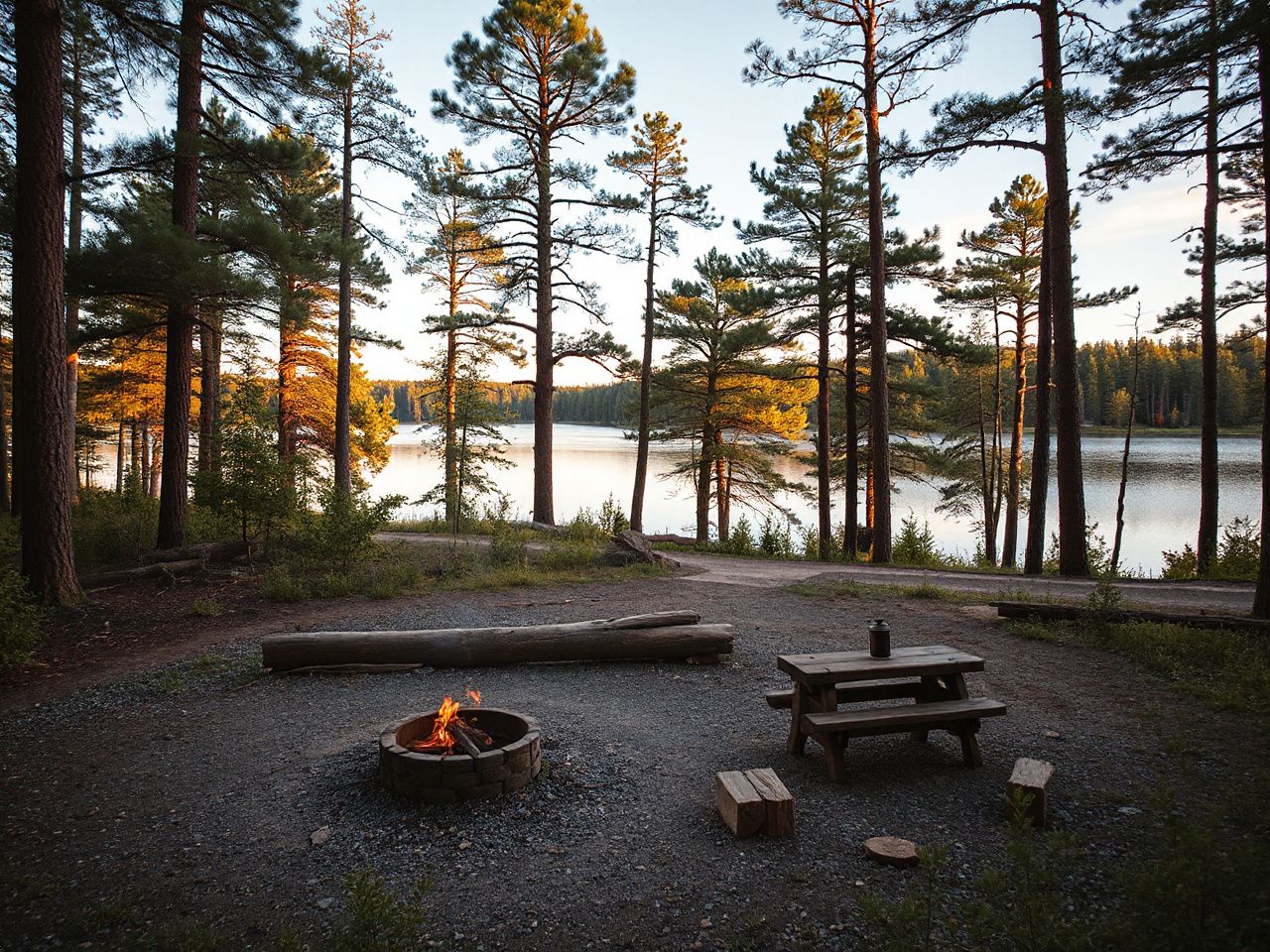
The Chequamegon-Nicolet National Forest allows dispersed camping on most of its 1.5 million acres, provided you’re at least 100 feet from any lake, stream, or developed recreation area. This simple rule opens up thousands of miles of gravel forest roads where you can find a level pull-off, a fire ring left by the previous camper, and a canopy of mixed hardwood and pine. Moving from one national forest spot to another allows for stays that do not require a camping fee.
What surprises many riders is that you don’t need a permit for a single-night stay under 14 days in one location. After 14 days, you must move at least 5 miles away, which on a motorcycle is nothing but a pleasant morning warm-up. The critical tool here is the Motor Vehicle Use Map—often called the MVUM. These are free at ranger stations and downloadable as geo-referenced PDFs. They show exactly which roads and trails are open to motorized use, and where dispersed camping is allowed along them. If a road isn’t on the MVUM, riding it with a camp setup could get you a ticket, even if there’s no gate.
State and County Forests: Different Rules Under the Canopy
Wisconsin’s state forests, like the Northern Highland-American Legion State Forest, generally require you to stay in designated campgrounds, which aren’t free. However, many county forests follow rules closer to the national forest model. Counties such as Bayfield, Douglas, and Marinette allow dispersed camping in their extensive forest holdings, but often with a free or low-cost self-registration system. You’ll find a sign-in board at the forest entrance road. The act of registering isn’t a chore—it’s your insurance that someone knows roughly where you are if a thunderstorm flattens your tent or you have a mechanical breakdown miles from pavement.
Free camping strategies from places like the dispersed sites tucked into Virginia’s George Washington National Forest apply in Wisconsin’s county forests, but the local expectation of checking in may not be posted visibly. A deputy may knock on a tent at dawn—not to ticket, but to make sure the camper isn’t lost. It is advisable to stop at the county forestry office or call ahead when going deep into the forest. The extra ten minutes can prevent early-morning surprises.
Intermediate Skills: Finding and Setting Up a Worthwhile Free Camp
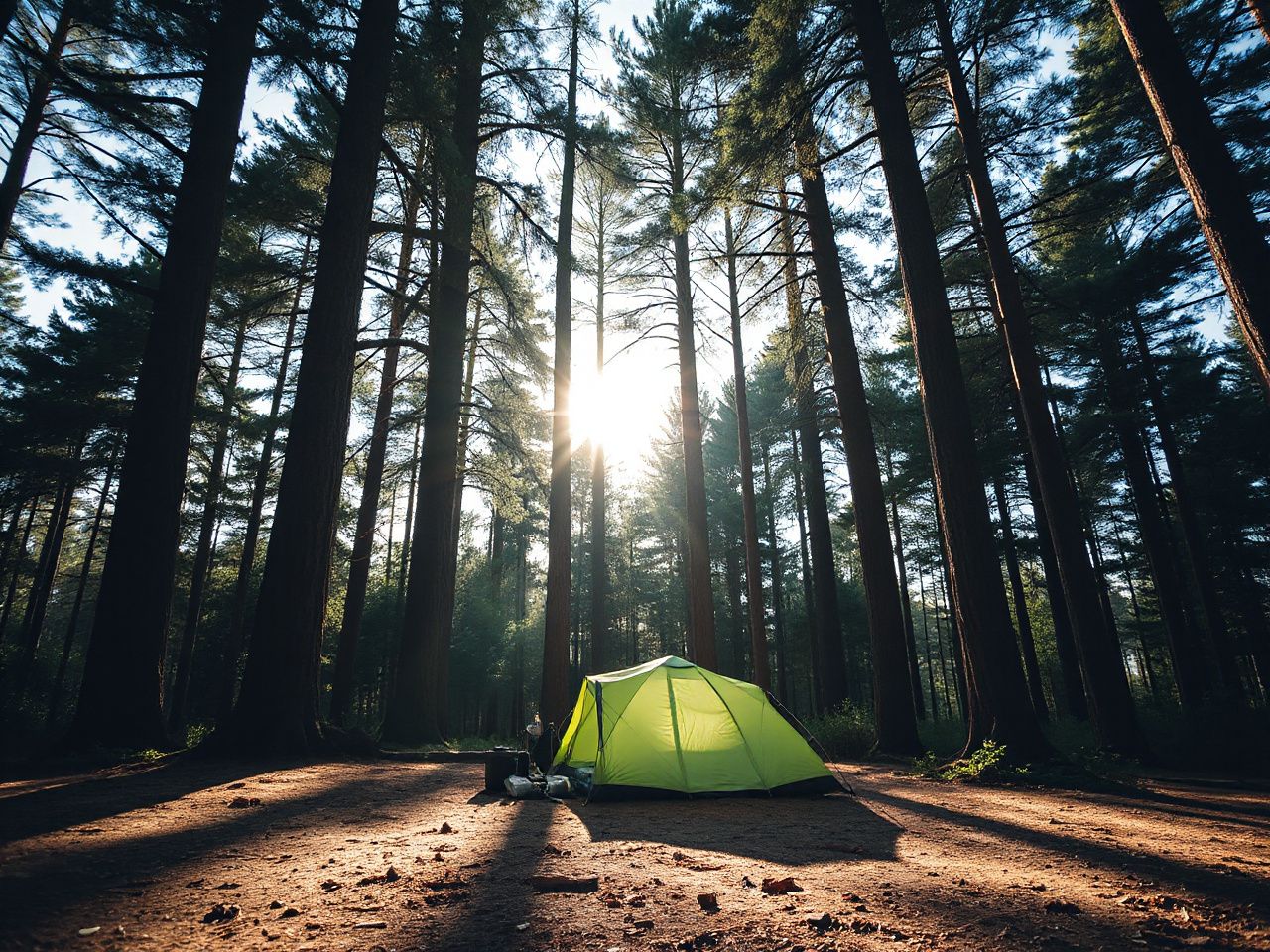
Once you’ve studied the MVUM and know which county or national forest you’re targeting, the next layer is reading the land itself. Free camping in Wisconsin means choosing between established pull-offs with packed gravel and fire rings, or more primitive spots—sometimes just a widening in the road. Which you pick shapes your whole evening.
Reading Topography and Road Surface for a Quiet Night
Motorcycles, especially loaded with soft luggage and camping gear, don’t forgive sand and deep gravel the way a 4×4 does. In the Chequamegon, you’ll encounter stretches of sandy two-track that can swallow a front tire without warning. Study satellite imagery—Google Maps with terrain view, or better yet, Gaia GPS with public land layers—before committing. A spot that looks idyllic on a flat map might sit at the bottom of a hollow where cold air pools and dew soaks everything by 10 p.m. Look for sites on a slight rise, with morning sun exposure, and at least 100 yards from water to avoid insect swarms and frost pockets.
Gravel roads in northern Wisconsin are often well-maintained, but after a heavy rain, a seemingly solid surface can turn to a slick mess of red clay. That’s where tyre choice matters—not the brand, but the tread depth and your speed. Slow, steady, and standing on the pegs lowers your center of gravity and lets the bike float over greasy sections. On free camps along the North Country Trail corridor, it’s common to see loaded adventure bikes struggling because their riders simply haven’t aired down or adjusted their riding technique. Keep speed under 15 mph on wet gravel, and walk questionable sections before you’re committed.
Water and Waste: The Unromantic Essentials
Free camps rarely have potable water. Carry a 3-liter hydration bladder and a small, screw-on water filter that fits standard disposable bottles. In Wisconsin, you’re rarely more than a few miles from a lake or stream, but filtering is mandatory—giardia and other pathogens are present even in clear-looking water. Boiling for at least 1 minute at a full rolling boil works, but a filter is lighter and faster. Also keep a collapsible water container to cache extra at camp so you’re not running back to the source after cooking dinner.
Waste disposal follows Leave No Trace principles. Solid human waste should be buried in a cathole 6-8 inches deep and at least 200 feet from any water source. In areas with heavy use, like sections of the Chequamegon near popular fishing lakes, pack out your toilet paper in a sealed bag. It’s an extra step that feels awkward at first, but seeing a patch of woods riddled with white flags of discarded tissue changes your mind quickly. All gray water from cooking should be strained and scattered well away from camp; food particles attract bears, raccoons, and the occasional curious porcupine that can chew through a motorcycle seat overnight.
Advanced Practice: Long-Term Free Camping & the Slow-Travel Rhythm
Staying on the road for weeks or months with nothing but a tent and a map reorders your relationship with time. Free camping in Wisconsin becomes less about one-night pit stops and more about building a temporary home in a landscape that changes with the season. It’s here that the slow-travel philosophy deepens—you’re no longer a tourist passing through, but a temporary resident of a particular forest, creek drainage, or ridgeline.
Managing Loneliness and Staying Healthy on the Road
Solo motorcycle camping can be profoundly lonely, especially when you hit a stretch of gray October days and haven’t spoken to another person in seventy-two hours. The countermeasure is structure: a small, repeated shape to the day that keeps that loneliness from curdling into something heavier. Let mornings start with making coffee—not instant, but a slow pour-over through a collapsible dripper, with grounds carried in a sealed tin. Ten minutes spent doing one thing carefully anchors a day that otherwise has no fixed points in it at all, whatever the campsite looks like. Then write in a pocket journal before the tent comes down: the weather, the bird calls, a sentence about yesterday’s road. It’s not a blog, it’s a tether.
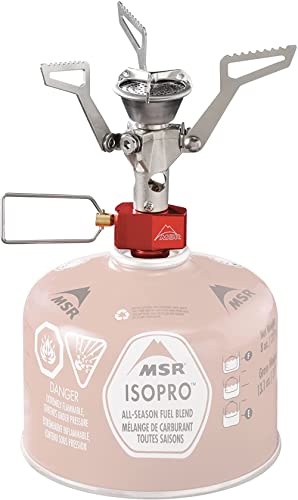
Staying healthy while living in the woods means more than just avoiding injury. It’s managing nutrition without a cooler, staying limber after hours on a motorcycle seat, and regulating sleep when the sun sets at 4:30 p.m. in late fall. Carry high-calorie, nutrient-dense foods like rolled oats, nuts, dried fruit, and canned sardines. A simple meal of instant rice with canned chicken and spices cooked over a backpacking stove restores far more than a gas station sandwich. To counter stiffness, do a stretching sequence every evening—hip openers, forward folds, and shoulder rolls—right after setting up the tent. This habit can help prevent creeping back pain that might cut a planned weeklong ride short.
Stealth Camping in the Gray Areas
Sometimes you’ll find yourself far from a national forest at dusk, with a storm rolling in and no legal free camp marked on your map. Wisconsin’s back roads offer occasional pull-offs, town parks, or trailhead parking lots where you might be tempted to roll out a sleeping bag. This is stealth camping, not dispersed camping, and the line between them is firmer than you’d think.
In small towns, it can pay to ask at the local diner or gas station if there’s a place to pitch a tent for the night. More often than not, someone will point you to a municipal park that tolerates overnighters, or a farmer’s field where they’ve let campers stay. Permission changes everything. Without it, you’re gambling. Many Wisconsin town parks close at 11 p.m., and law enforcement does check. Officers are usually reasonable when you’re polite and explain you’re just trying to stay off the road safely, but never assume you can stay without asking first. If you’re traveling with the rhythm of the land, places like Maine’s vast network of free public reserved lands may feel more forgiving, but Wisconsin’s approach is simply to ask. The same courtesy works just as well here.
Another advanced tactic is timing your arrival with resupply stops. Plan grocery runs and laundry around towns with free overnight parking at Walmart or larger truck stops, catching a few hours of sleep in your tent if the lot allows it, then buying a hot breakfast in the morning. It’s not dispersed camping, but it keeps the trip sustainable on a tight budget. The key is checking local ordinances—some municipalities have banned overnight parking in commercial lots, so calling ahead or using an app with user-submitted status updates keeps you compliant.
Weather Windows and Seasonal Rhythms
Free camping in Wisconsin isn’t a year-round endeavor for the unprepared. The suitable window stretches from late April through early November. In May, black flies and mosquitoes are intense near standing water, so ridgeline sites with steady breezes are preferable. June brings lush greenery but also thunderstorms that build quickly in mid-afternoon; tents should be set up with the fly staked tightly and a small trench dug around the uphill side to divert runoff. August nights dip into the 40s Fahrenheit, requiring a sleeping bag with a comfort rating of at least 20°F if camping in the far north.
October is a favorite month. The bugs are gone, the hardwood forests blaze with color, and the crisp air makes a campfire feel essential rather than optional. Collect dead and down wood well before sunset, processing it with a folding saw to feed a small fire that can be managed safely. Fire rules change with the season—during dry autumn spells, the DNR may issue burning restrictions. Always check Wisconsin DNR’s fire danger map the night before, and carry a small fire extinguisher or a collapsible bucket for water. A fire left smoldering in duff can burn underground and flare up hours later, so drown it, stir it, and feel it with the back of your hand until it’s cold.
When winter starts pressing in, the driftless region in the southwestern part of the state offers terrain with bluffs, steep valleys, and winding county roads. This area has less official dispersed camping, but the climate stays milder longer. Many riders head from Wisconsin’s northwoods down toward the free camping opportunities of places like Oklahoma’s expansive public lands once the snow flies. The quiet late-November camps when the tamaracks have turned gold and the only sound is the river at the bottom of the bluff are especially beautiful.
Frequently Asked Questions
Is dispersed camping really free in Wisconsin’s national forests?
Yes. Dispersed camping in the Chequamegon-Nicolet National Forest costs nothing and does not require a permit for stays under 14 days. You must camp at least 100 feet from water and established recreation sites. Always check the local ranger district for temporary restrictions, especially in fire season or during timber operations. The only cost is the fuel to get there and the gear you’ve already packed.
Can I pitch a tent anywhere in a state forest for free?
No. Unlike national forests, Wisconsin state forests typically require campers to use designated campgrounds, which charge a fee. Some state wildlife and fishery areas do allow primitive camping, but rules vary by property. County forests often offer a middle ground—allowing free or very low-cost dispersed camping with a self-registration system. Researching the specific county’s forestry website is the most reliable approach.
What’s the single most important safety gear for free motorcycle camping in Wisconsin?
A satellite messenger or personal locator beacon. Many dispersed camping areas have zero cell service, and temperatures can swing dramatically. If you crash on a remote forest road or suffer a medical emergency, the ability to summon help without relying on a passing truck could save your life. Carry it on a dedicated tether attached to your riding jacket, not buried in a pannier.
How do I find free camping near specific lakes or rivers in Wisconsin?
Study the MVUM for the ranger district surrounding the waterbody you’re targeting. Look for forest roads that approach the shoreline but stay at least 100 feet back. Satellite imagery can reveal existing fire rings or clearings. Additionally, online communities and forums specific to dual-sport and adventure motorcycle riders often share GPS coordinates of known sites, though discovering your own preserves the sense of exploration.