Mt Diablo Camping: What to Know Before You Go
Contents
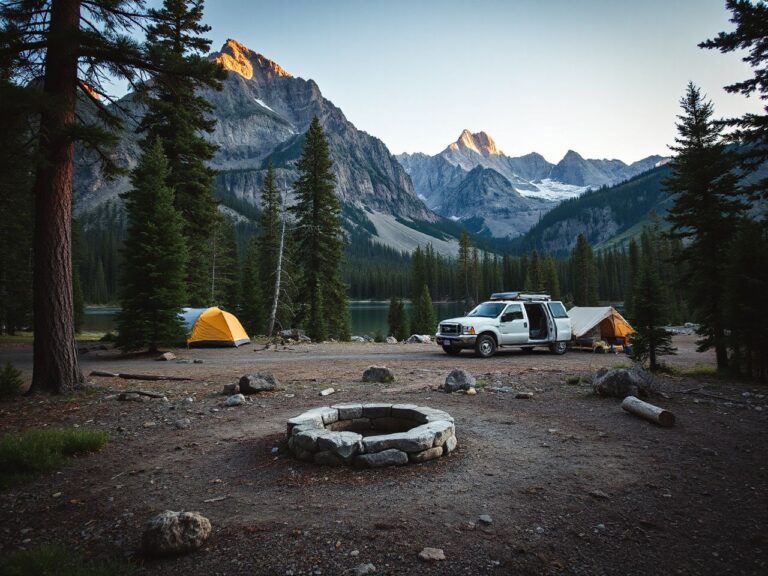
What actually decides a good trip when camping on Mt. Diablo is shade, wind, water, and the fire rules in force that week. The campgrounds sit on dry, open, wind-prone ridges of the Diablo Range. Remoteness isn’t the challenge. Exposure and fire danger are. A smart camper picks a site by its tree cover and wind exposure rather than by view alone. They treat the park’s current alerts as the final word on what cooking and fire methods are allowed.
Key Takeaways
- Exposure drives everything: choose a campground for shade and wind protection first, and views second.
- Fire rules change: campfire and stove permissions vary with fire danger, so read the park’s current alerts right before leaving home.
- Water is limited: confirm what the campground supplies and carry your own backup.
- Book early: sites are reserved through the state system, and popular periods fill, so planning ahead matters more than gear.
Anyone who hunts for the sweet spot between cheap and excellent will find it here. A developed state park campsite costs a fraction of a motel near the freeway. It puts a rider, hiker, or family on a mountain that dominates the Bay Area skyline. Comfort is the trade. The mountain is rustic, dry, and breezy, and it rewards people who prepare.
Which Mt Diablo Camping Spot Suits a First-Timer?
The best starting point for a first-time camper is a developed drive-up campground within Mount Diablo State Park. It’s chosen for shelter from wind and the presence of some tree cover. Juniper Campground and Live Oak Campground are the two main family-style options to compare, and the park’s separate group camps exist for larger parties rather than individual families.
Compare campgrounds by exposure, not by photo
A campsite photographed at golden hour hides the two things that ruin a night. Afternoon sun with no shade is one, and wind with nothing to block it is the other. Before booking, look at the site map and photos on the California State Parks page and ask three questions about each campground.
- Is there tree cover over the table and tent pad, or is the site open to the sky?
- Which direction does the slope face, and does the ridge shelter the pad from prevailing wind?
- How far is the site from the nearest water and restroom?
The names alone give a hint (a campground named for oaks suggests some canopy). But the official site descriptions are the deciding source. Exposure beats scenery in a dry-grass setting.
Group camp versus standard sites
The group camps are built for groups, which makes them a poor fit for a couple or a solo rider. Group sites are reserved as a block. Rules about party size and arrival times can differ from standard sites. Confirm the details with the park before building a plan around one.
Backpacking and walk-in options
Most visitors treat the mountain as a drive-up destination, and the developed campgrounds are the default choice. If walk-in or backcountry camping appeals, check the park’s current camping page for what is offered and what permits apply. Those details change, so nobody should rely on an old forum post. Mitchell Canyon is a popular trail approach for day hikers. It’s worth knowing when planning outings from camp.
How Do You Reserve a Campsite, and How Far Ahead?
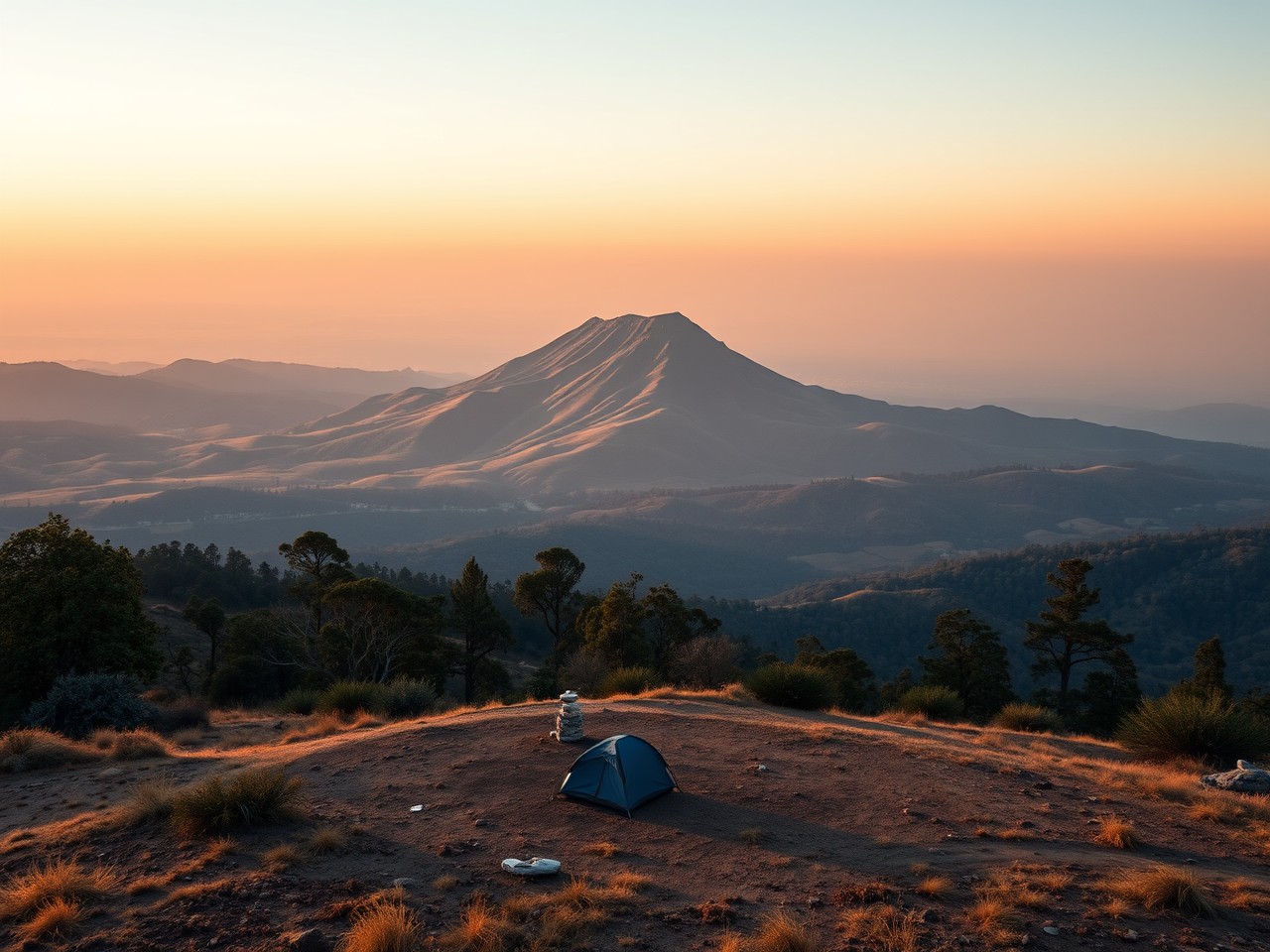
Campsites are reserved through ReserveCalifornia, the state reservation system. Popular periods book out, so reserving as early as the booking window allows is the safest approach. The California State Parks website links to the park page and the current booking rules. It also covers how far in advance a site can be reserved.
Timing the booking
Spring weekends and mild-weather holidays draw the most demand, since those are the comfortable months. Weekday trips are easier to land. A flexible schedule is the cheapest way to get a better site. Check the ReserveCalifornia calendar for cancellations in the days before a trip, since released sites pop up without warning.
Late arrival and early departure
Park gates don’t stay open all night, and arriving after closing can leave a camper locked out or scrambling. Gate hours and campground check-in rules are posted by the park, and they can vary by season. Read them on the park page before you leave. If a late arrival is likely, ask the park what its procedure is rather than guessing at the entrance.
Can You Have a Campfire on Mount Diablo?
Campfire and stove permissions on Mount Diablo depend on current fire danger. The park’s posted alerts are the deciding authority. During dry season the rules can tighten sharply. Restrictions can change between booking a site and arriving at it.
Check alerts before packing the food
A trip menu built around a fire pit can collapse if a restriction lands. Check the park’s alerts page the day before leaving, and again at the gate or visitor contact point. CAL FIRE publishes fire information for California. National Weather Service forecasts at weather.gov flag Red Flag conditions, which signal high fire risk from dry, windy weather.
Plan a no-fire kitchen
The sturdiest approach is a menu that works with no flames at all. Treat a permitted campfire as a bonus. Cold meals, pre-cooked food, and no-cook breakfasts keep a trip going when restrictions are in force. If the park allows stoves, a shutoff-capable stove on a bare, non-flammable surface is the safer choice around dry grass. The guide to the best camping stoves of 2026 covers how stove types differ. Fire handling on days when flames are allowed is explained in the complete guide to a safe camping fire.
Do Campsites Have Water, Showers, or Flush Toilets?
Mount Diablo’s campsites are developed but rustic. Water availability can be limited, so confirm what each campground supplies. Carry your own backup. Showers and flush toilets are not something to assume. The park’s campground pages list what is provided, and conditions can change with seasons and drought.
Bring more water than the plan needs
Dry, exposed slopes pull water out of people quickly, and hiking from camp adds to the demand. A backup supply stored in the vehicle covers a closed spigot or a long afternoon. If a trip stretches the supply, treating water from a safe source is a separate topic. It’s covered in the guide on choosing a water filter for camping in 2026. On this mountain, treated water is a backup to supplied water, not a replacement for carrying enough.
Facilities checklist
- Confirm drinking water is available at the campground and note where the tap is.
- Check whether showers exist before packing a plan around them.
- Confirm restroom type (flush or vault) on the park page.
- Bring a way to carry water from the tap to the site.
When Is the Best Time of Year to Camp on Mount Diablo?
The most comfortable windows are the milder months, when daytime heat is manageable and grass is less brittle. Summer brings strong heat on exposed slopes and the most serious fire restrictions. The park doesn’t offer a single perfect season, so match the trip to your tolerance for heat, wind, and cool nights.
Heat on exposed slopes
Heat is the dominant issue for summer visits. A sun-baked pad can turn an enclosed tent into an oven by mid-morning. Shade over the tent isn’t a luxury here. Pitch where afternoon shade falls on it, and keep the doors and vents open so air keeps moving.
Wind and cool nights
Open ridges channel wind, and nights cool off after hot days. Plan for both extremes in one trip. Bring a layer for the evening, plus a light bag or quilt you can vent when it’s warm. Use wind-rated stakes and guylines, and add extra anchors, because a lightweight tent on a ridge acts like a sail. Face the narrow end of the tent into the prevailing wind, and keep gear stowed so nothing blows away.
Which Hazards Show Up Around the Campsites?
Poison oak, ticks, and rattlesnakes are all present in California oak woodland and grassland, including around Mount Diablo’s trails and campgrounds. None of them calls for panic, but each calls for habits.
Poison oak
Poison oak is a native shrub. It causes skin reactions in many people and grows along trails and in shaded woodland edges. Learn to recognize it. Stay on the trail and avoid brushing against vegetation. Wash clothing and gear that touched it, since oils can linger on fabric and fur.
Ticks and rattlesnakes
Ticks wait in grass and brush, so check skin, hair, and clothing after hikes, and check pets too. Rattlesnakes use the same trails and rock edges as hikers. So watch where hands and feet go, stick to open paths, and give any snake distance. Never reach into crevices or step over logs without looking. A headlamp at night helps avoid stepping on anything.
Dogs at the campgrounds and trails
Dog rules in state parks tend to be stricter than visitors expect. Trail access for dogs is often limited. Confirm the current dog policy on the park’s page before bringing a pet, including leash rules and where dogs are permitted. A pet that can’t join hikes needs a plan for time away from camp. Heat can be dangerous for dogs left in vehicles or tents.
Is Mt Diablo Camping Good for Families With Young Kids?
Family camping works well on Mount Diablo when the plan respects heat and wind. The plan also has to keep small children away from poison oak and snake-prone edges. Developed campgrounds mean a vehicle is close, which helps with gear and emergencies. But rustic facilities and limited water require preparation.
Making it comfortable for kids
- Pick shade first, since young children overheat faster than adults.
- Set boundaries for where kids can walk and explain why they should stay on paths.
- Bring layers for the evening cool-down.
- Pack activities for downtime in the heat, and keep a backup plan for poor weather; ideas from family activities for a rained-out camping trip work equally well on a windy afternoon.
What Can You Do Near Camp?
The mountain offers hiking, views, and stargazing without leaving the campground area. For orientation and exhibits, the Summit Visitor Center is a natural stop. Check opening times. Visitor facilities don’t follow campground hours.
Hiking and views
Trails radiate across the mountain, including the summit loop and approaches from Mitchell Canyon. Plan hikes for cooler parts of the day. Carry more water than seems necessary and tell someone the route. Diablo Range views stretch across the Bay Area on clear days. Haze or smoke can change what’s visible.
Stargazing
Dark skies above a mountain campground make evening observation easy, though city glow still washes out the horizon. Let eyes adjust. Use a red light and keep camp lighting low. Stargazing is a good no-fire evening activity when restrictions apply.
Advanced Planning: Reading Conditions and Leaving No Trace
Experienced campers treat conditions as a moving target, checking forecasts, alerts, and wind before and during a trip. Preparation counts, since dry grass, wind, and heat can change the plan fast.
Watch for Red Flag warnings
Red Flag warnings flag weather conditions that raise fire danger, and the National Weather Service issues them. If one is posted, expect strict restrictions and consider rescheduling. A flexible booking and a backup campground make the decision easier.
Alternatives around the Bay Area
If sites are full or restrictions bite, other Bay Area options such as Henry Coe and Mount Tamalpais offer different terrain and different rules. Treat them as alternatives to check. Don’t assume they’re identical substitutes.
Leave no trace in oak woodland
Pack out all trash, keep food locked away from wildlife, and avoid trampling grassland or cutting new paths. Good wildlife manners count. Don’t feed the animals, and store food in the vehicle or provided containers. Camp on established pads, and keep noise down after dark so others can enjoy the night.
The Bottom Line
A successful night on this mountain comes from choosing a shaded, wind-sheltered site. Book early and follow whatever the park says about fire that week. Carry your own water and dress for hot days and cool nights. Watch for poison oak, ticks, and snakes. Prepared campers get a stay that’s high-value and low-cost, with a view few motels can match.
Frequently Asked Questions
Do I need a reservation for Mt Diablo camping?
Yes, plan on one. Sites are booked through the state reservation system, ReserveCalifornia, and busy periods fill ahead of time. Weekdays are easier than weekends. If your dates are flexible, watch for cancellations a few days before you go. Confirm arrival and gate-hour rules on the park page before you drive up.
Are campfires allowed at Mount Diablo campgrounds?
It depends on current fire danger. Campfire and stove rules tighten during dry conditions and can change quickly. The park’s posted alerts decide, so read them the day before and again on arrival. Plan a no-flame menu as the baseline. Treat any permitted fire as extra rather than something the trip depends on.
Is there drinking water at the campsites?
Water is available in some form at developed campgrounds, but supply can be limited. Confirm what yours offers and bring your own backup. Don’t assume showers or flush toilets without checking the park’s campground page. Carry extra water for hiking, since exposed slopes and heat increase how much people drink.
Can dogs go camping on Mt. Diablo?
Dog rules in state parks are often restrictive, especially on trails, so check the park’s current pet policy first. Confirm leash requirements and where dogs may go. Heat is a serious risk for pets. Never leave a dog in a vehicle or tent, and check them for ticks after outings.