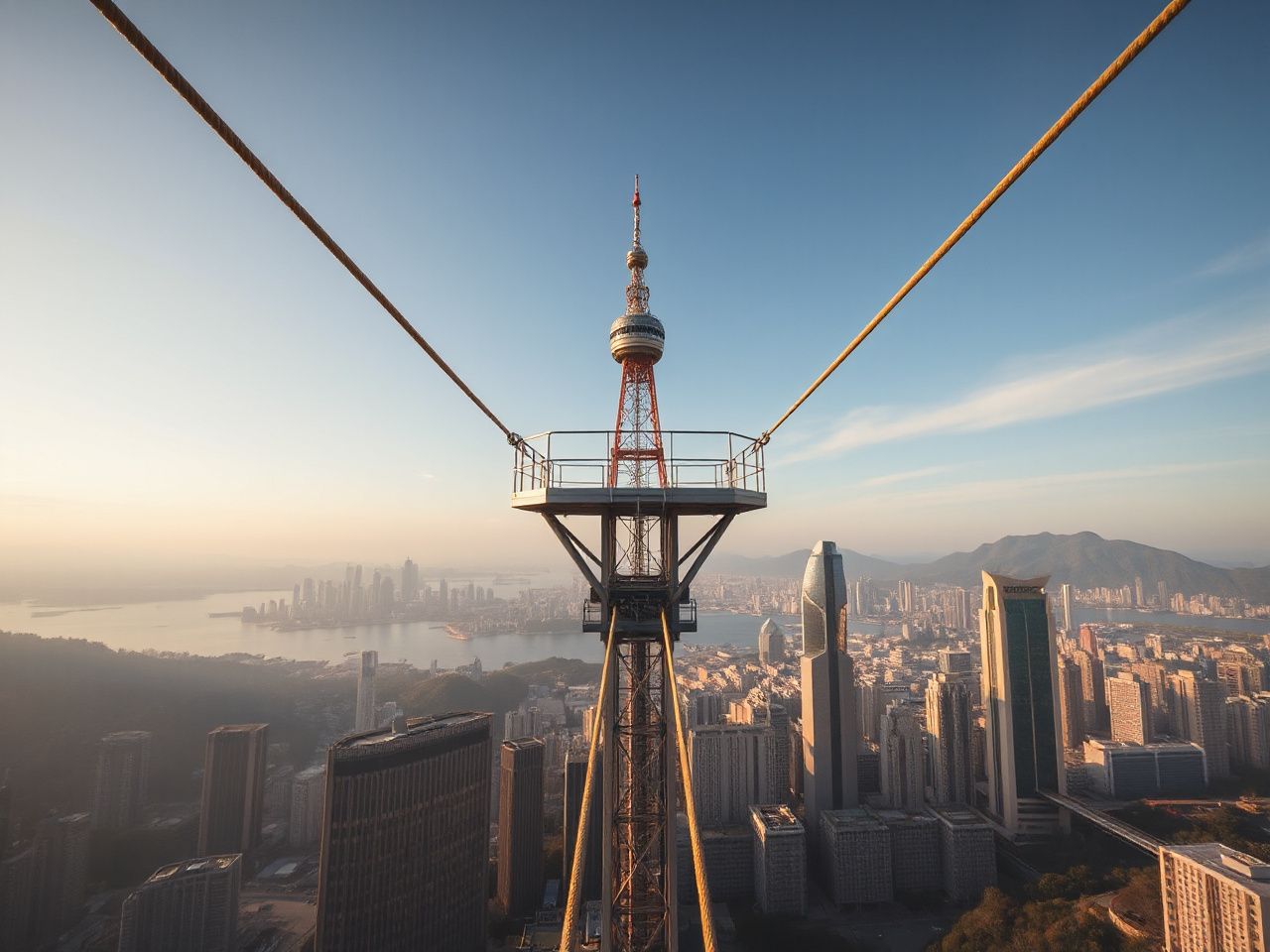
Macau Tower Bungee: What the Jump Is Actually Like
Contents
The Macau Tower bungee jump drops from 233 meters above the Pearl River Delta, one of the highest commercial bungee jumps in the world, and it is the kind of challenge travelers dare each other to take on.
Travelers learn this the hard way: the moments that make the best stories are almost always the ones where something went wrong. Preparation doesn’t prevent adventure—it just gives you better options when it shows up. All of which stops being abstract on the platform itself, staring down a ribbon of cord and a 764‑foot drop. That’s the thing about a Macau Tower bungee: it doesn’t just test your nerve; it exposes every lie you’ve ever told yourself about being an adrenaline junkie.
Key Takeaways
- The 233‑meter (764 ft) Macau Tower bungee remains the highest commercial jump on the planet, operated by the safety‑obsessed AJ Hackett crew.
- Despite the terrifying height, the actual fall is smoother and more controlled than many mid‑range jumps—the equipment and crew are world‑class, not a county fair setup.
- Booking a morning slot on a weekday and skipping the optional photo package add‑ons gives you the purest experience without the hype.
Why Macau Tower’s Bungee Isn’t Just Another Tourist Checkbox
Many bungee jumps feel like a transaction: weigh in, sign a waiver, bounce, collect a shaky GoPro video. The Macau Tower bungee is different, not because of the height—though that certainly rewires your brain—but because the entire operation runs like a military exercise designed by people who actually jump. This isn’t a fiberglass platform bolted to a bridge pylon; it’s a purpose‑built outdoor deck 61 floors above the city, with a full‑time staff of jump masters who have more combined airtime than some small airlines.
That matters when you’re toeing the edge. Many breathless listicles make the same mistake: they conflate height with danger. Height is just a number. What makes a bungee safe or sketchy is the rigging, the crew’s training, and the backup systems. At Macau Tower, the cord itself is tested to absurd tolerances, the harnesses are the same full-body pattern specified for professional rope access work, and the pre‑jump briefing isn’t a rushed mumble—it’s a five‑minute drill that makes you feel like a base jumper being prepped by a Sgt. Major.
The Numbers That Actually Matter
Let’s cut the brochure copy. From the platform to the lowest point of the drop, you’re falling roughly 200 meters (656 ft) before the cord begins to stretch, then another 30 meters or so of deceleration while the world turns into a spinning watercolor. The entire freefall lasts about 5 seconds, though anyone who says they counted that precisely is lying. A 200‑meter freefall in a stable head‑up position puts you at terminal velocity for the last portion—around 200 km/h (124 mph)—but you don’t feel speed so much as a sustained, ungodly pressure in your chest.
The wind blast alone is worth the price of admission. On a breezy day, you’ll hear a low roar build from nothing to a howl that makes your helmetless head feel like a tuning fork. It’s sensory overload in the best way. And unlike the shorter 40‑meter jumps that yank you back almost immediately, here the cord’s stretch is so progressive that the deceleration feels almost gentle—no whiplash, just a sweeping arc that turns your scream into genuine laughter around the fourth rebound.
The Setup: From Check‑In to the Edge
The process is mechanical and reassuring. You’ll check in at the AJ Hackett desk on the ground floor, where staff verify your ID and ask point‑blank about any spine, heart, or respiratory issues. Don’t lie. They’ve seen everything, and a collapsed lung at 764 feet is not the place to discover a pre‑existing condition.
Next comes the weigh‑in, because the cord selection depends on your exact kilogram count, not a range. A 2 kg (4.4 lb) difference changes the bounce profile, and the crew checks it twice. Then you’re suited up in a full‑body harness—not a simple lap belt—with a secondary attachment point that’s clipped to a safety line until the millisecond of the jump. That backup line stays on until you’re literally leaning over the void.
An express elevator takes you to the observation deck, then you walk down a short flight of stairs to the open‑air platform. On the deck, you’ll see the previous jumper’s retrieval, hear the gears winching, and maybe catch a glimpse of Macau’s skyline punctuated by the Zhuhai Special Economic Zone across the water. It’s surprisingly peaceful until it’s not.
The Jump: A Rider’s Account of Every Second
Bungee jumping involves a countdown from the jump master, with a brief moment of silence before the cord tightens and the horizon drops away. The sensation is described as an intense rush, with the world quickly falling away and the cord catching as you plummet downward.
The first second is pure stomach drop, the kind that roller coasters try to mimic and fail. By the second, your vestibular system gives up trying to make sense of the visual smear and you simply exist inside the rush. Wind pressure flattens your cheeks, tears stream sideways from the corners of your eyes, and somewhere around the 200‑meter mark, the cord begins to take the load. It’s not a jerk—it’s a progressive squeeze that pushes your feet apart and then sends you shooting back up past the platform, now spinning slowly.
The Freefall: What They Don’t Tell You
No one mentions the sound of your own heartbeat inside a 200‑kilometer‑per‑hour wind. Helmets aren’t worn on this jump, which keeps the full sense of the fall. The visual detail from that height is extraordinary: the green‑roofed casino complex below, the intricate crossings of the Sai Van Bridge, even the container ships stacked like dominoes at the delta terminal. It’s a perspective normally reserved for birds and wealthy skydivers, but you’re getting it for the price of a nice dinner.
Another piece of information that’s usually missing: the cord itself is a braided rubber cylinder nearly 5 cm (2 in) thick, and it’s not some weathered old rope. AJ Hackett swaps out cords on a strict cycle based on jump count and age, not just visible wear. The entire system has redundant safety loops, so even in a near‑impossible cut, you’ve got backup. That’s the level of engineering that separates this jump from setups that lack such rigorous safety protocols.
The Rebound and the Hang
After the initial recoil throws you back up about 80 meters (260 ft), the oscillations settle into a gentle pendulum. For the next two minutes, you’ll dangle upside‑down or right‑side‑up depending on your tuck, watching the retrieval winch slowly lower a line. The team on the platform throws a weighted retrieval line that clips into your harness d‑ring, and you’re hoisted back up like a fisherman’s catch. It’s undignified, it’s hilarious, and it gives you just enough time to process that you actually did it.
Planning Your Own Leap Without the Hype
Most travel blogs will hand you a packing list for a bungee jump that includes things like “moisture‑wicking undergarments” and “anti‑fog lens wipes.” Ignore them. The tower doesn’t require specialized clothing—just something that won’t fall off and shoes that are securely fastened. Leave rings, necklaces, and any loose change in the free locker they provide, because anything not attached will end up in the harbor.
Reservations are essential. The Macau Tower bungee can sell out during Chinese New Year and Golden Week, but even on quiet Tuesdays, walk‑ups risk disappointment. Booking online ahead is recommended, especially for the Jump + Video + Photos package. The video captures your face in 4K clarity with a helmet‑mounted camera, but the still photos are just screen grabs that you could pull yourself. If you’re in a group, hand a phone to a friend on the observation deck and save yourself MOP 600 (roughly $75 USD).
Weather, Winds, and When to Actually Go
Macau’s subtropical climate means typhoons from May to September can shut down the outdoor platform entirely. The best months are October through December, when the humidity drops, the sky clears, and the temperature hovers around a comfortable 22°C (72°F). January and February are cooler but still workable; just wear a light jacket for the wait on the deck.
Wind speed is the operational limiter, not rain. The crew suspends jumps when sustained winds exceed 40 km/h (25 mph), which is common during the tail end of a typhoon season storm. They’ll reschedule you without drama if that happens, but you can minimize the risk by booking early morning and avoiding the summer months. Afternoon jumps are prone to cancellation due to gusts that pick up after 2 PM—something no glossy website will ever tell you.
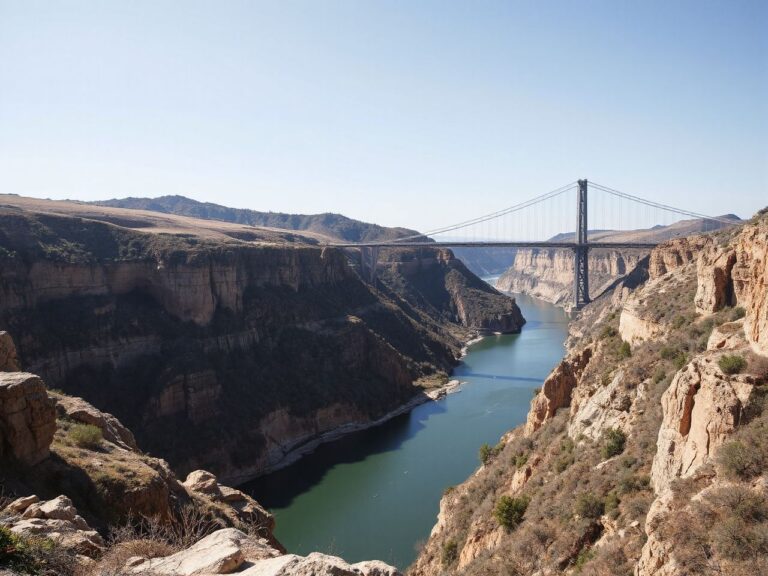
Going deeper into the seasonal logistics, there’s another factor at play: the visibility across the Pearl River Delta. On a humid summer morning, haze can reduce visibility to less than a kilometer, turning that iconic view of the Macau Peninsula, Taipa, and the Zhuhai skyline into a grey blur. It’s still safe, but you lose half the sensory experience. Compare the jumps in our salto en bungee roundup: even the tallest South American bridge leaps don’t suffer the same atmospheric interference because they’re usually over canyons, not coastal cities. Pick a crisp day if you can; the memory is cleaner.
The Fear Factor: How to Not Chicken Out
Fear at the edge of a 233-meter drop is a natural response, and it’s there for a good reason. The trick isn’t removing it—it’s moving before your prefrontal cortex finishes the risk calculation. That’s not some self‑help mantra; it’s neurobiology. The amygdala fires a threat signal in under 50 milliseconds, but the cortical processing that turns that signal into a conscious decision takes about half a second. If you step on “two” instead of “one,” you’ll be in freefall before the rational panic can lock your legs.
One thing to consider for off‑road riding: tighten your core the moment you leave the platform. A relaxed torso flops around and makes the freefall tumble more chaotic, which some people interpret as “out of control.” By bracing your abs—like you’re about to get punched—you’ll fall straighter, the G‑forces will distribute more evenly, and your body won’t whip‑lash when the cord begins to catch. It’s a tiny physical adjustment that makes the difference between a clean, exhilarating drop and a disorienting ragdoll.
Beyond the Bungee: Macau’s Adventure Scene That No One Talks About
Macau isn’t known for off‑road riding. The territory is compact, densely urbanized, and the only dirt you’ll find is construction fill. But if you’re willing to park the bike for a day, the Macau Tower offers a handful of other vertigo‑inducing activities that are weirdly under‑publicized. The Skywalk X—a 1.8‑meter‑wide ledge walk around the outer rim, no handrails, just a tether—is in some ways harder than the bungee. You’re not rushing past the fear; you’re standing on top of it for 20 minutes, which forces a different kind of mental recalibration.
There’s also the Mast Climb, a vertical ladder ascent to the very top of the tower’s spire at 338 meters (1,109 ft) above sea level. It is not a jump but a physical grind with no room for error, though the same safety protocols apply. Both activities often get lumped into generic “Macau adventure” lists alongside indoor skydiving and karting, which is a disservice. The tower’s extreme experiences are genuinely world‑class and run by a team that values competence over tourism theater.
Comparisons with other bungee destinations tend to miss nuance. Indiana, for instance, has no commercial bungee operator at all — the nearest is Vertigo Bungee at Young’s High Bridge in Kentucky, and even that is in a different weight class entirely. A 50‑meter drop over a quarry might tighten your throat, but your brain has enough time to register the fall as a ride rather than a life‑changing event. Macau occupies that rare territory where the duration is long enough to spark genuine introspection—then the cord snaps you back and you’re just a human yo‑yo laughing at the sea.
If you’re chasing the continent’s highest drop, our article on the highest bungee jump North America breaks down how those leaps stack up. None of them hit the 200‑meter mark, so is the travel to Macau worth it for a single jump? The jump itself is half the reason. The other half is the proof that you can trust a system built by people who care.
Frequently Asked Questions
How fast do you fall during the Macau Tower bungee?
In a stable head‑up position, you’ll reach a top speed of approximately 200 km/h (124 mph) after falling roughly 180 to 200 meters. The actual speed depends on your body position—tight tucks reduce drag and can push the number slightly higher—but terminal velocity kicks in quickly at this height. The deceleration from the cord is gradual, so you won’t feel an abrupt yank.
What are the age and weight restrictions for the jump?
The minimum age is 10 years old with parental consent, though anyone under 18 must have a guardian sign the waiver. The weight range is 40 kg to 120 kg (88 to 265 lbs). Outside that range, even by a kilogram, the crew will refuse the jump because the cord selection can’t guarantee safe deceleration. There’s no wiggle room, and honesty at check‑in avoids disappointment later.
Can you jump if you have a fear of heights?
Yes, and surprisingly, many people with diagnosed acrophobia report that the controlled environment helps reset their reactions. The key difference is that you’re not standing near an unprotected edge—you’re in a full‑body harness with redundant safety lines until the moment of the jump. The brain interprets the constant tug of the harness as a signal of security, which reduces the spiral of panic that an open railing can trigger.
Is the Macau Tower bungee still the highest in the world in 2026?
As of 2026, it holds the official title for the highest commercial bungee jump at 233 meters (764 ft) above the ground. There are higher platform jumps—such as the Bloukrans Bridge in South Africa at 216 meters—and occasional special events from taller structures, but for a year‑round, pay‑and‑jump operation, Macau Tower remains the global benchmark. AJ Hackett regularly recertifies the setup, ensuring it maintains that status.