Skydiving Suit Selection Guide: Types, Features, and Safety Tips
Contents
A skydiving suit that doesn’t match your fall rate can flip you unstable, snag on your rig, or mask the body feedback you need for a clean flare. Freefall is like an unmarked trail: you scout the line, you respect the terrain, and you carry gear that matches the conditions. The same way a wrong tire choice on a rocky descent will throw you into a tree, a badly chosen suit will throw your whole descent off line. A skydiving suit is an aerodynamic tool, not just clothing. Even a basic one-piece jumpsuit shifts your fall rate and stability, and a wingsuit adds a whole new axis of control that changes everything.
I’ve been jumping with one-piece jumpsuits and wingsuits for years, and the one distinction beginners always miss is that the suit’s fit and fabric weight matter more than any brand name. A bulky suit can bury the body position feedback that tells you whether your legs are symmetrical. And no suit on earth can substitute for proper canopy skills—your flare and landing are entirely separate from what you wear over your rig. If you’re just getting into this sport, the same survival logic applies as picking a line through a washout: know your machine, know your limits, and pick gear that doesn’t hide the terrain.
Key Takeaways
- A skydiving suit is a control surface, not fashion. Fabric weight, fit, and venting directly change your fall rate and stability.
- Jumpsuits, tracking suits, and wingsuits are different tools for different jobs. Using the wrong one can create dangerous flight characteristics.
- The suit must never interfere with your 3-ring release, reserve ripcord, or AAD. Check every seam and zipper for snag points before you even put it on.
Why a Skydiving Suit Matters More Than You Think
Most people walk into a gear store and treat a jumpsuit like a jacket. That’s a mistake with consequences. In freefall, your body is the wing, and the suit is the skin over that wing. A loose-fitting nylon shell adds drag, slows your descent, and reduces your sensitivity to small body corrections. A tight-fitting Cordura suit does the opposite—it cuts drag, lets you fall faster, and transmits every twitch of your hips and shoulders straight to your brain. When I advise new jumpers, I always stress that a bulky suit can mask your body position feedback, the same way a too-soft suspension on a dirt bike hides the rocks you should be feeling.
The complete skydiving safety guide covers the basics of freefall body control, but here’s the short version: your suit is part of that control loop. On a typical belly-to-earth jump, you’re falling around 120 mph. At that speed, even a few square inches of extra fabric can shift your fall rate by 10 mph or more. That’s the difference between docking smoothly on a formation and floating above it like a confused bird.
Types of Skydiving Suits: Jumpsuits, Tracking Suits, and Wingsuits
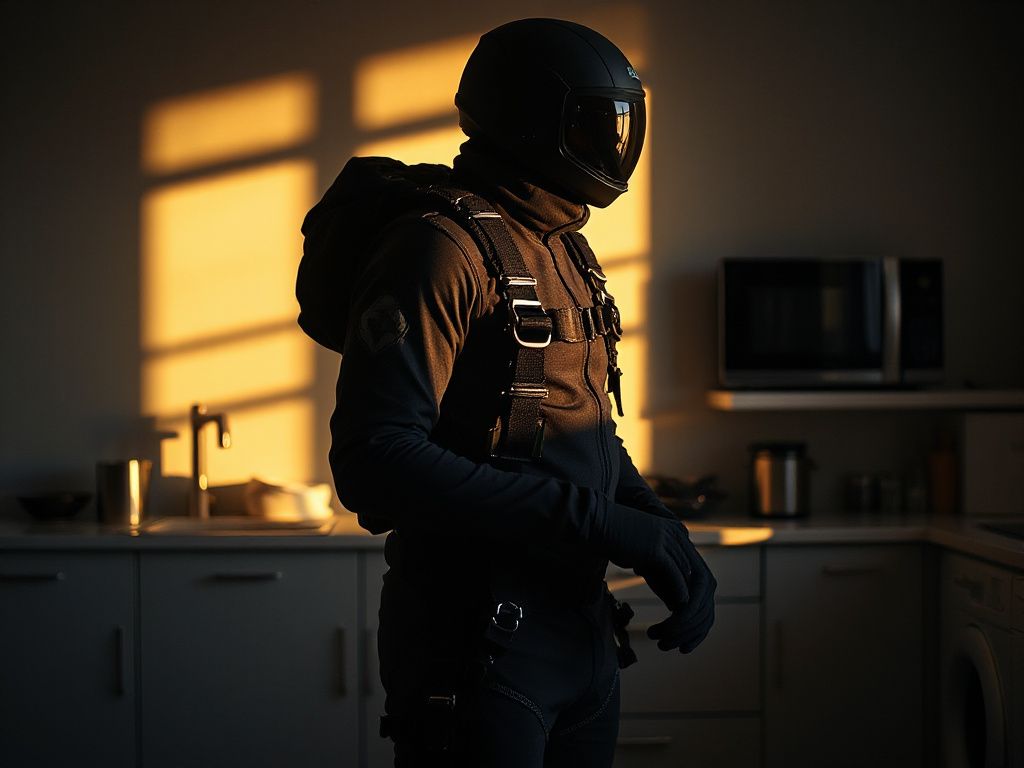
There are three main categories of suits you’ll see at any dropzone, plus a few specialty versions. Mixing them up isn’t just a fashion error—it can put you in a flight regime you never trained for. A tracking suit is not a wingsuit, and a belly jumpsuit is not a tracking suit. Each one alters your airflow in a specific way, and the wrong one can stall your fall or send you into an unrecoverable spin.
One-Piece Jumpsuits: The Workhorse
A standard one-piece jumpsuit covers your torso, arms, and legs in a single garment, usually with a front or back zipper. Most beginners start here because it’s the most forgiving. The typical construction uses ripstop nylon or a nylon-spandex blend, with reinforced knees and seat made from Cordura for slide-landing durability. The suit’s job is straightforward: smooth out your body’s edges, reduce drag, and give you consistent fall rate. A well-fitting jumpsuit will let you hold a stable arch without fighting the fabric.
Some jumpers prefer a two-piece system for quick removal between jumps, but one-piece suits prevent the shirt from riding up and exposing your lower back—a common cause of instability. If you scout dropzones the way I scout desert routes, you’ll notice most experienced belly flyers run a one-piece.
Tracking Suits: For Horizontal Movement
Tracking suits are built for moving across the sky, not just falling straight down. They have larger arm wings and sometimes leg wings made from low-porosity fabric, plus vents that direct air to create forward drive. The whole idea is to turn vertical fall into horizontal glide. When I first started tracking, it felt like leaning a dirt bike into a corner at speed—same balance point management, just with air instead of dirt. A tracking suit can take you from falling at 120 mph straight down to moving 40-50 mph horizontally, which is why track jumps are used to gain separation before deployment.
Because of that horizontal speed, tracking suits demand more skill than a belly jumpsuit. You need to understand body pitch, roll, and the way your arms shape the airfoil. If you’re still learning to hold a stable arch, a tracking suit will only amplify your mistakes.
Wingsuits: A New Axis of Control
A wingsuit adds pressurized ram-air wings between your arms and torso and between your legs. The fabric inflates with air, creating actual lift and a glide ratio far beyond a tracking suit—some modern wingsuits can glide forward three feet for every foot of altitude lost, and experienced pilots routinely cover horizontal distances of a mile or more from a normal exit altitude. That’s the same raw sense of discovery I get when I find an unmarked trail that opens onto a hidden valley. But wingsuit flying is a completely different discipline, with its own training progression and regulations.
The United States Parachute Association requires a minimum of 200 jumps before you can even take a wingsuit first-jump course, and most coaches want far more. You also need a solid foundation in tracking and flat flying. If you’re curious how the wing actually works, this breakdown of gliding suit wingsuit mechanics explains the aerodynamics without the marketing fluff. The key thing to remember: a wingsuit does not make you a better pilot. It makes you a faster, more complex one.
CRW Suits and Specialty Jumpsuits
Canopy Relative Work (CRW) suits are built for canopy formation flying, not freefall. They have extra padding, reinforced fabric panels, and often a bootie system to protect your ankles during close canopy contact. They are not designed for the same airflow as freefall suits—wearing one on a normal freefall jump would make you fall like a brick. Specialty suits exist for camera flyers, students, and tunnel training, each with specific fabric weights and venting. Match the suit to the discipline, the same way you’d match tire tread to the surface.
How to Select a Suit for Your Experience Level
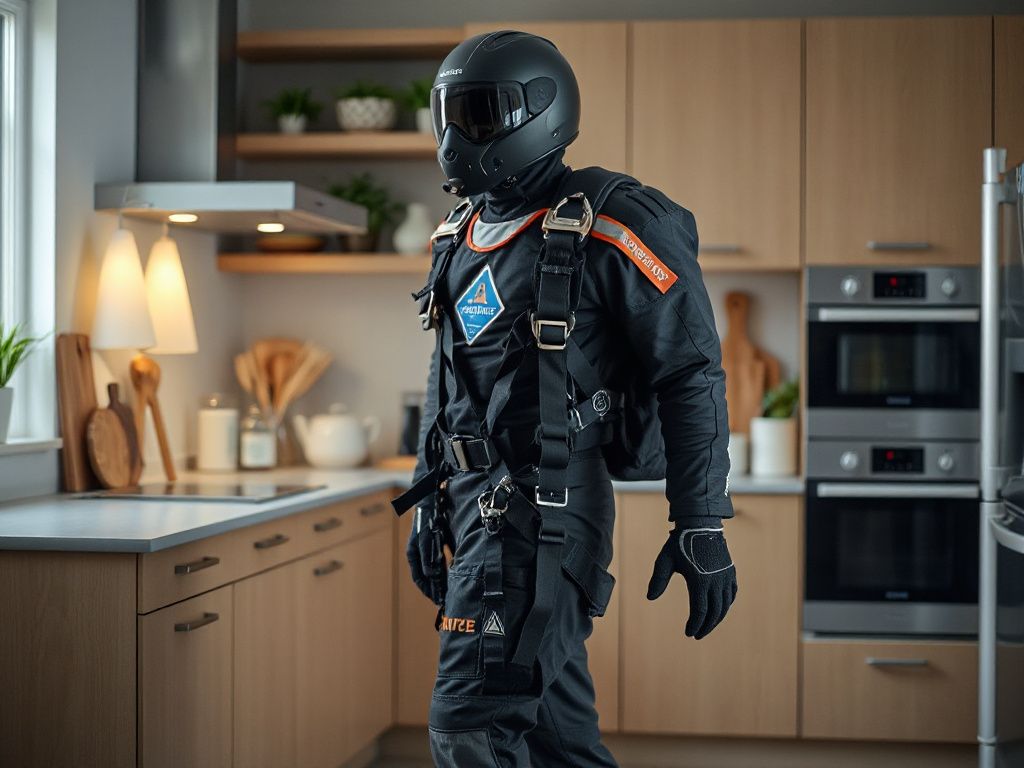
Your first suit should not be your dream suit. Many new jumpers buy a high-performance tracking suit because it looks fast, then spend dozens of jumps fighting instability. The right progression is the same as learning to read terrain: start on wide, predictable trails before you hit the tight singletrack.
Beginner: First Suit Essentials
For your first 50-100 jumps, you want a one-piece jumpsuit made from a medium-weight nylon or nylon-spandex blend. Look for a snug but not restrictive fit, with gripper panels on the inner thighs and underarms—those help you hold your body position in a formation. Avoid anything with built-in wings or large vents. You’re still learning to feel your body’s pitch and roll, and extra fabric will only dampen that feedback. A basic belly jumpsuit will be the most forgiving tool you own.
When I advise new jumpers, one of the first questions is always about cost. A decent used one-piece jumpsuit runs anywhere from $200 to $600, depending on condition and fabric. New custom suits from reputable manufacturers typically start around $400 and go up from there. If you’re near a busy dropzone like the one featured in this skydiving Kalamazoo guide, you can often find local riggers and coaches selling gear that’s already been inspected. That’s often safer than a random online purchase because you can inspect the zippers and seams in person.
Intermediate: Moving to Performance
Once you can consistently dock on formations and hold a flat track, you might start thinking about a tracking suit or a more aggressively cut jumpsuit. At this stage, fit becomes critical. A tracking suit needs to be tighter than a belly suit because you’re using your whole body as an airfoil. Loose fabric will flutter, create drag you don’t want, and make your forward speed unpredictable. Most tracking suit manufacturers offer custom sizing, and you should take advantage of it—off-the-rack rarely fits a human body correctly for this discipline.
The fabric weight also matters more at this level. Low-porosity nylon holds air better, giving you more lift and glide, but it can also make the suit feel stiff. High-porosity nylon breathes more and feels softer, but it won’t perform as well in a track. I always tell intermediate jumpers to rent or borrow a few suits before buying, because the feel is impossible to describe on paper. It’s like comparing a hardtail to a full-suspension bike on a rocky descent—you have to ride both to know which one matches your style.
Advanced: Wingsuit Considerations
Wingsuit selection is a whole separate article, but the core rule is simple: the suit must match your skill and your exit conditions. A large beginner wingsuit with a low glide ratio is what you want for your first 100 wingsuit jumps. A small, aggressive competition suit belongs to someone with 500+ jumps who can handle the increased speed and reduced stability margin. Never buy a wingsuit based on its maximum performance numbers—buy based on what you can safely fly today, not what you hope to fly next year.
Certification is non-negotiable. The USPA requires at least a B license and a minimum of 200 jumps before you attend a first-jump wingsuit course, and many dropzones require more. Check the United States Parachute Association current SIM for the exact requirements, because they update as the sport evolves. Also, be aware that wing suit flying has separate regulations from standard jumpsuits—most governing bodies treat it as a distinct discipline with its own currency requirements and coach ratings.
Materials, Fit, and Features That Affect Performance
Let’s get into the nuts and bolts. The materials and construction of a skydiving suit determine how it wears, how it flies, and how long it lasts. This is the section where I see the most misinformation, so I’ll be specific.
Fabric Weight and Durability
Ripstop nylon is the default fabric for most suits because it’s lightweight, breathable, and resists tearing. The weight is measured in denier, and typical jumpsuit nylon ranges from 30 denier for lightweight tunnel suits to 200 denier for heavy-duty CRW suits. Cordura is a brand of high-tenacity nylon often used for reinforcement panels on knees, elbows, and seat—places that take abrasion during slide landings. Some suits use a spandex blend for stretch panels around the shoulders and hips, which improves range of motion without adding bulk.
A heavy fabric falls faster because it produces less drag per square inch than a light fabric. If you’re a lightweight jumper and you buy a suit made from 200-denier Cordura, you’ll fall like a rock and struggle to maintain formation with others. The reverse is true for heavy jumpers in light suits—you’ll float high and have to work to come down. The manufacturer’s size chart only tells you the dimensions; it doesn’t tell you how that specific fabric will affect your fall rate. That’s why experienced jumpers often have two or three suits of different weights for different scenarios.
Fit: Snug vs Loose
How should a skydiving suit fit? The short answer: snug enough to eliminate flapping, but loose enough to allow full range of motion. When you raise your arms overhead, the armpits should not bind. When you sit as if in a landing flare, the knees and hips should move freely. Any fabric that bunches or billows will create uncontrolled drag and reduce your stability feedback. That’s the same principle as a motorcycle jacket—if it’s too baggy, you lose sensation of the bike moving under you.
For belly flying, the suit should be slightly tighter than a tracksuit. For freeflying (head-down and sit-flying), you want an even tighter fit because those disciplines involve high-speed vertical movement and any loose fabric will thrash around. Tracking suits should fit like a second skin over your arms and legs, with just enough room to allow a full arm extension. Wingsuits are the exception—they need intentional looseness in the wing areas so the fabric can inflate with air.
Vents, Plackets, and Closures
Some suits come with air vents or plackets—flaps that cover mesh panels. These let you adjust the suit’s drag without changing suits. For example, a camera flyer might open the vents to slow their fall rate when wearing a heavy camera helmet. A formation jumper might close them to speed up and catch a fast base. Vents are usually found on the sides of the torso, along the arms, or on the back. They work, but they add complexity, and they can snag lines if not properly secured. Most recreational jumpers never need them.
Closures matter more than you’d think. YKK zippers are the industry standard because they rarely fail under stress. Some suits use Velcro or hook-and-loop fasteners for quick adjustment on cuffs and ankles. Avoid cheap plastic zippers on any suit you plan to jump more than a few times. A zipper failure at 120 mph is not the time to discover your suit was built to a price point.
Maintenance, Safety, and Common Mistakes
Your suit is not a parachute, and it does not provide lift or descent control by itself—your canopy does that. But a poorly maintained suit can interfere with your canopy’s deployment, and that’s where things get dangerous. This section covers the non-negotiable safety rules.
Cleaning and Storage
Wash your suit after every few jumps, especially if you’ve been sliding on grass or dirt. Use cold water and a mild detergent, then hang it to dry away from direct sunlight. UV light degrades nylon over time, making it brittle and prone to tearing. Store the suit in a cool, dry place, never compressed in a gear bag with your rig. The fabric needs to breathe, and creases in the wrong spot can become permanent weak points. I treat my suits the same way I treat my off-road gear—rinse off the mud, dry it completely, and check every seam before the next ride.
Zipper and Closure Failures
Zipper failures are the most common suit-related emergency I see. A zipper that opens during freefall can cause massive instability, and a jammed zipper can trap you in the suit when you need to get out fast. Before every jump, run the zipper up and down a few times. If it catches, fix it or ground the suit. Lubricate metal zippers with a silicone-based lubricant, not oil, which attracts dirt. Check hook-and-loop closures too—if the loops are full of lint, they won’t hold, and a flap that opens in freefall can change your drag profile enough to throw off an entire formation.
The most critical safety check is for snag points. The suit must not interfere with the operation of your 3-ring release, reserve ripcord, or AAD. Before you put the suit on, look for any loose threads, exposed zipper pulls, or Velcro tabs that could catch a handle or line. On the ground, reach for your handles as if you’re in an emergency—if the suit restricts that movement in any way, it’s the wrong suit or it needs alteration. No suit should ever delay your emergency procedures by even half a second.
Suit Safety and Canopy Skills
Here’s the point I hammer into every new jumper I train: no suit can substitute for proper canopy skills. Your flare and landing are entirely separate from what you wear. A great suit might make freefall easier, but it won’t save you from a bad landing pattern or a late flare. The suit stops mattering the moment your canopy opens. Spend your training time on canopy control, accuracy, and emergency procedures. The suit is just one piece of a much larger system.
If you’re looking for a deeper treatment of the overall safety picture, this complete guide to skydiving safety for 2026 covers gear checks, weather decisions, and the emergency procedures you need to drill until they’re automatic. But the short version is this: your suit is your interface with the air, and your canopy is your interface with the ground. Respect both equally.
Frequently Asked Questions
What is the difference between a jumpsuit, a tracking suit, and a wingsuit?
A standard jumpsuit is a one-piece garment that smooths your body for stable belly-to-earth flight. A tracking suit adds larger arm and leg wings plus vents to generate horizontal movement while still falling. A wingsuit has ram-air inflated wings between arms and torso and between legs, creating true lift and a glide ratio far beyond tracking. Each requires a different skill level and training progression—you don’t go from jumpsuit to wingsuit without hundreds of jumps and specific coaching.
How do I know if a skydiving suit fits me correctly?
The suit should feel snug but not restrictive. You need full range of motion: raise your arms overhead, sit into a flare position, and simulate pulling your cutaway and reserve handles. Any binding, bunching, or pressure points are problems. Fabric that flaps in freefall creates uncontrolled drag and reduces feedback. For belly flying, a slightly tighter fit improves stability. For tracking and wingsuit, the fit must be even more precise—custom sizing is worth the extra cost.
Can I use the same suit for freefall and canopy piloting?
In theory, yes, but in practice, most jumpers don’t. A freefall suit is optimized for airflow at 120 mph, while canopy piloting requires more padding and freedom of movement for harness adjustments and landing rolls. Some suits have removable padding, but the fabric weight that works for freefall is usually too heavy for hot summer canopy work. If you split your time between disciplines, you’ll likely end up with two suits—one for freefall and one for canopy relative work or high-performance landings.
What should I check before buying a used skydiving suit?
Inspect every zipper for smooth operation and missing teeth. Check all seams for loose threads or pulled stitches, especially in high-stress areas like the crotch, armpits, and knees. Look for sun fading—that indicates UV damage and weakened fabric. Verify that all closures work and no snag points exist near your rig handles. Ask the seller for the suit’s jump count and maintenance history. If possible, have a rigger inspect it before you buy. A $200 used suit that needs $150 in repairs is not a bargain.