Tandem Skydive Meaning: A Complete Guide
Contents
Over the last few years, tandem skydiving has become the default entry point for first-time jumpers. Drop zones report that more than 90% of all new skydives are tandem, not solo. Adventure sports tend to produce their best stories out of the moments where something went wrong, and preparation does not prevent those moments — it simply gives you better options when one arrives. That is the mindset that applies directly to understanding the tandem skydive meaning: it’s not just about being strapped to an instructor. It’s about knowing what the gear does, how the fall feels, and where the real risks live.
Key Takeaways
- A tandem skydive means you are harnessed to a certified instructor who controls every phase of the jump.
- Freefall lasts roughly 50-60 seconds from 13,500 feet, reaching speeds around 120 mph.
- Your main responsibilities are body position during exit, freefall, and landing — your instructor handles the parachute deployment and steering.
What the Tandem Skydive Meaning Really Involves
The Basic Setup
A tandem skydive means you, the passenger, are attached to a tandem instructor via a four-point harness system. The instructor wears a larger parachute designed to carry two people. The United States Parachute Association (USPA) requires tandem instructors to have logged at least 500 jumps and hold a current Tandem Instructor rating. This is not a job for rookies.
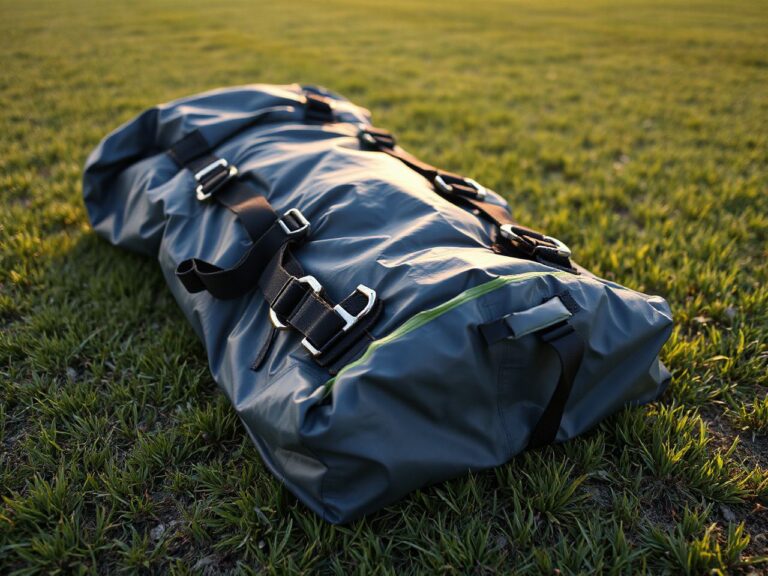
The gear itself includes a main parachute, a reserve parachute, and an automatic activation device (AAD). The AAD is a small computer that fires the reserve parachute if it detects you are still in freefall below a preset altitude — typically 750 feet. This is your last line of defense if the instructor is incapacitated.
What You Actually Do
During the jump, your job is to maintain a stable arch position — head back, hips down, arms and legs spread slightly. The instructor handles altitude awareness, parachute deployment, canopy control, and landing. You will be briefed on three key actions: exit position (don’t grab the door frame), freefall position (arch and relax), and landing (lift your legs so the instructor can slide in).
The Physics of Freefall in a Tandem Skydive
Terminal Velocity and Drag
A tandem skydive meaning is incomplete without understanding what happens to your body in the air. In freefall, you accelerate until air resistance equals your weight — that’s terminal velocity. For a tandem pair, terminal velocity is around 120 mph. The instructor uses a drogue parachute, a small chute deployed immediately after exit, to slow you to about 100 mph. This reduces stress on the main parachute when it opens and keeps the fall manageable.
The drogue also stabilizes you. Without it, two people tumbling together would be unpredictable. The drogue pulls you into a head-high, feet-low orientation that lets the instructor maintain control.
Altitude and Time
Most tandem jumps exit at 13,500 feet. Freefall lasts about 50 to 60 seconds. At around 5,000 feet, the instructor deploys the main parachute. The opening is a firm tug but not jarring — modern parachutes are designed for progressive inflation. After deployment, you spend 5 to 7 minutes under canopy, spiraling down to the landing area.
Who Can Do a Tandem Skydive
Weight and Age Limits
The tandem skydive meaning also includes strict physical requirements. Most drop zones have a weight limit of 220 to 240 pounds, depending on the instructor’s size and gear rating. Some will take passengers up to 260 pounds with an additional fee for a larger rig. The minimum age is typically 18 in the United States, 16 in some other countries with parental consent. There is no maximum age, but you must be able to lift your legs for landing and hold an arch position.
Medical Conditions
If you have high blood pressure, heart conditions, or recent surgeries, you need a doctor’s clearance. Pregnancy is an absolute no — the deceleration forces during parachute opening can cause harm. Back and neck injuries also require medical sign-off. Drop zones will ask you to sign a waiver stating you have no conditions that could be aggravated by the jump.
What Happens During a Tandem Skydive — Step by Step
Ground School (30-45 Minutes)
Before you board the plane, you will attend a ground school. The instructor covers: how to exit the aircraft, what to do in freefall, how to check your altimeter, and how to land. You will practice the arch position on a mock-up or on the ground. This is not optional — it’s the most important part of the day.
Gear Up and Boarding
You will be fitted with a jumpsuit, goggles, and a harness. The instructor attaches your harness to theirs with four metal clips. On the plane ride up, which takes 15 to 20 minutes, the instructor will hook up the drogue and do a final gear check. They will also point out landmarks and confirm the exit altitude with the pilot.
Exit and Freefall
At altitude, the door opens. The instructor shuffles you to the edge. You cross your arms over your chest, lean your head back, and the instructor rocks forward. You are out in under 2 seconds. The drogue deploys immediately. You feel the wind but not the speed — it’s loud but not painful. The instructor taps your shoulder when it’s time to look at the view. At 5,000 feet, they pull the main parachute handle.
Canopy Flight and Landing
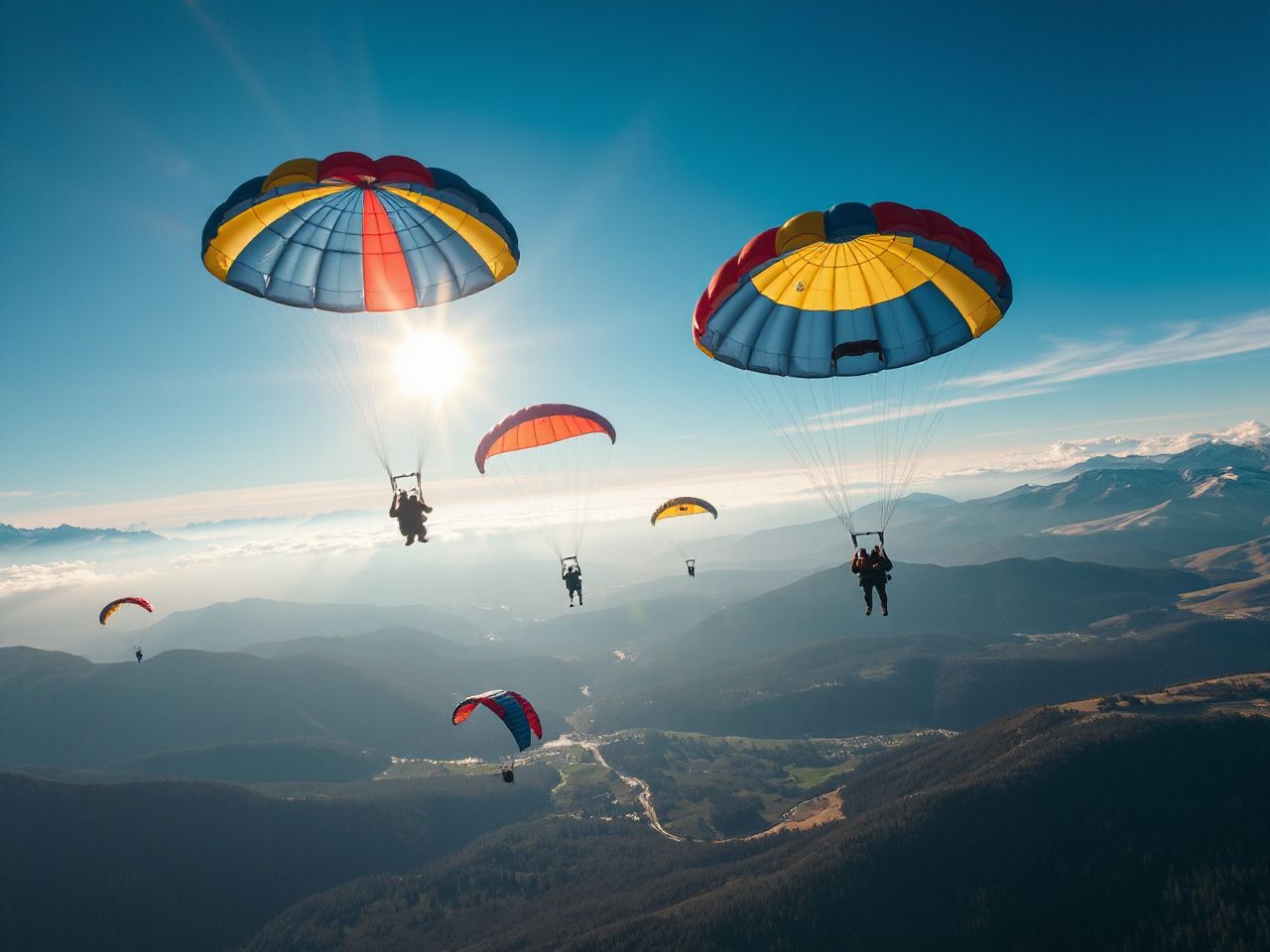
After the parachute opens, the instructor hands you the toggles and lets you steer. You’ll make gentle turns. The landing is a slide-in on your backside — you lift your legs, and the instructor flares the parachute to slow down. Most landings are so soft you barely feel it.
How Tandem Skydiving Compares to Other First-Jump Options
Static Line vs Tandem
Static line jumps mean you exit the plane solo, and a strap attached to the aircraft pulls your parachute open automatically. This gives you about 4 seconds of freefall before the canopy opens. Tandem gives you a full minute of freefall and requires less training. Static line requires a full day of ground school and multiple supervised jumps before you can freefall solo.
Accelerated Freefall (AFF) vs Tandem
AFF is the fastest way to a solo skydive license. You jump with two instructors holding onto you, but you deploy your own parachute. It takes a weekend of training and costs more than a tandem jump. Tandem is cheaper, faster, and requires no prior experience. If your goal is just one jump, tandem is the right choice.
Cost and Time Commitment
Average Pricing in 2026
A tandem skydive in the U.S. costs between $200 and $350, depending on the drop zone and altitude. Higher altitude jumps (15,000 feet) cost more because they require more oxygen and longer freefall. Video packages add $80 to $150. In Europe, expect €150 to €300. Australia and New Zealand run $250 to $400 AUD/NZD.
Total Time
Plan for 3 to 4 hours at the drop zone. Ground school takes 30 minutes, the plane ride 15 minutes, and the jump itself is under 10 minutes. The rest is waiting for weather, gear checks, and other groups. Weekends are busier — weekday jumps move faster.
Safety Statistics You Should Know
The USPA reports that in 2025, there were 10 fatal skydiving accidents out of approximately 3.5 million jumps in the U.S. That’s a fatality rate of 0.28 per 100,000 jumps. Tandem jumps have a slightly lower fatality rate than solo jumps because the instructor is experienced and the gear is inspected more frequently. The most common causes of skydiving fatalities are human error — poor canopy control, low turns, and misjudging altitude.
Frequently Asked Questions
What does tandem skydive mean for someone with fear of heights?
Many people with a fear of heights find tandem skydiving easier than standing on a balcony. The reason is that you are not looking down from a fixed point — you are moving with the air, and there is no reference to height until you are under canopy. The freefall sensation is more about wind than falling. Most first-timers report that the fear disappears after the first 5 seconds.
Can I breathe during a tandem skydive?
Yes. The air is moving fast, but you can breathe normally. Some people reflexively hold their breath, but that can cause lightheadedness. The instructor will remind you to breathe. Oxygen is not needed for jumps below 15,000 feet — the air is still breathable at that altitude for the short duration of freefall.
What happens if the instructor is unconscious during a tandem skydive?
This is extremely rare, but the automatic activation device (AAD) will fire the reserve parachute at a preset altitude — usually 750 feet. Additionally, tandem harnesses have a cutaway handle that a conscious passenger can pull to separate from the main parachute if it malfunctions. The ground school covers this scenario, but in practice, the instructor maintains full control throughout the jump.
How long does the freefall last in a tandem skydive?
From 13,500 feet, freefall lasts about 50 to 60 seconds. From 10,000 feet, it’s about 30 seconds. The drogue parachute slows you to around 100 mph, which extends the freefall time compared to a solo jumper who would fall faster and shorter. Higher altitude jumps (15,000 feet) give you 70 to 80 seconds of freefall.