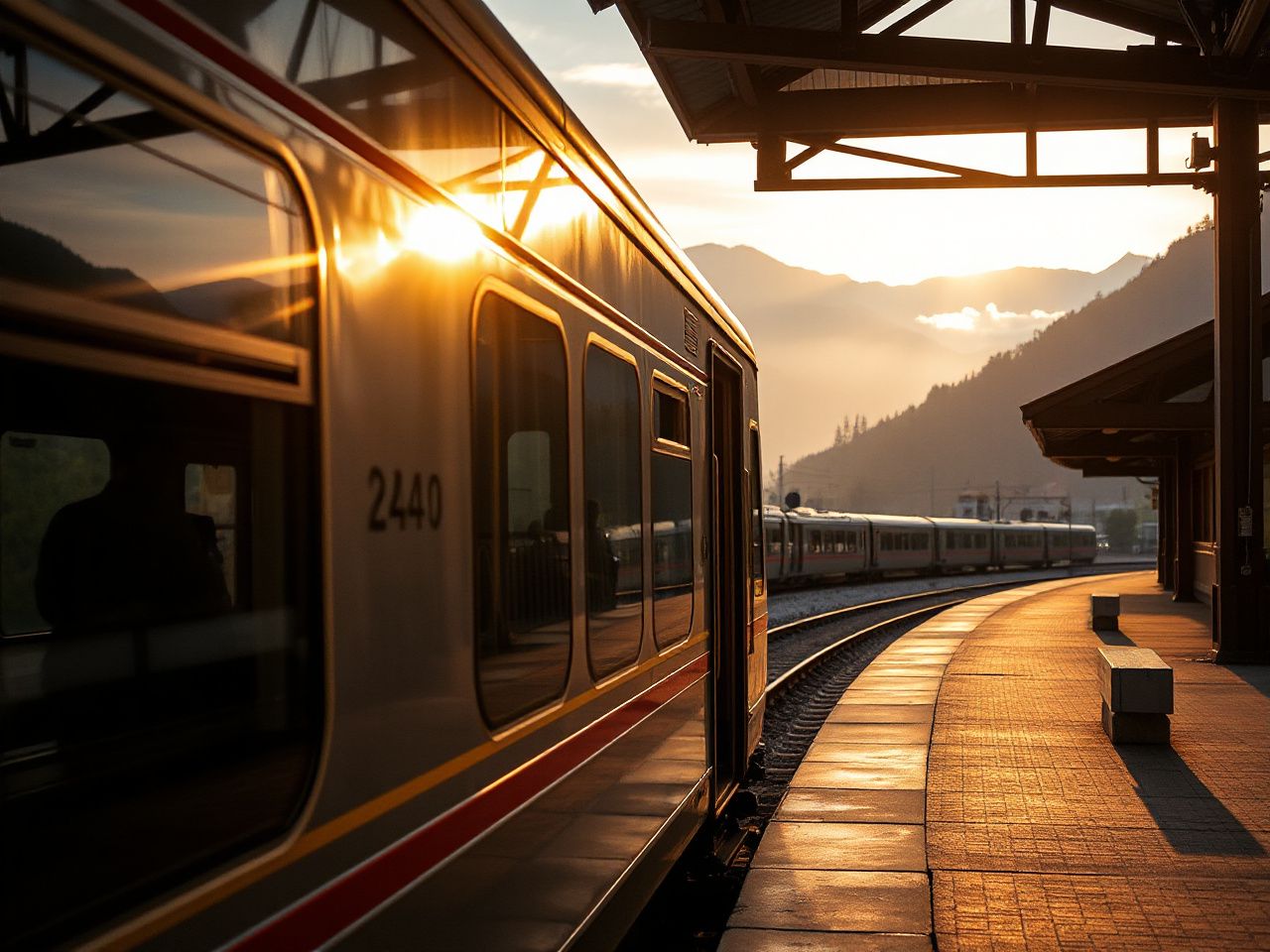
The Complete Guide to a Luxury Train Car Experience
Contents
Most people plan a luxury train car trip around the best-case scenario: crystal-clear views, gourmet meals, and perfect service. I plan for the opposite. The moments that make the best travel stories are almost always the ones where something went wrong — the delay, the diversion, the night the heating failed somewhere past the last town. Preparation doesn’t prevent adventure — it just gives you better options when it shows up. A luxury train car is no different. When you’re crossing remote stretches of the Rocky Mountains or the Siberian tundra, a train breakdown isn’t just an inconvenience—it’s a survival situation waiting to happen.
So, what defines a luxury train car? It’s not just velvet seats and champagne. It’s a self-contained environment where every detail—from climate control to emergency supplies—has been engineered for comfort and safety at high altitudes and extreme temperatures. In this guide, I’ll walk you through the essential planning, safety protocols, and insider knowledge you need to turn a luxury train car trip into a resilient adventure, not a fragile vacation.
Key Takeaways
- A luxury train car is a mobile, self-sufficient unit designed for long-distance travel, often with private sleeping quarters, dining, and observation areas.
- Planning for worst-case scenarios—like delays, weather, and mechanical issues—ensures your trip remains comfortable and safe.
- Understanding train car layout, climate controls, and emergency equipment is critical before departure.
- Packing for variable conditions and limited space separates a smooth journey from a stressful one.
What Defines a Luxury Train Car?
A luxury train car is more than a mode of transport—it’s a self-contained ecosystem. Unlike standard passenger cars, these units feature private compartments, dedicated attendants, and amenities like full kitchens, lounge areas, and sometimes even showers. But for a worst-case thinker like me, the real value lies in redundancy: backup heating systems, emergency food storage, and communication gear that works beyond cell towers.
Key Components of a Luxury Train Car
- Private Sleeping Quarters: Convertible beds, climate controls, and blackout curtains for uninterrupted rest.
- Dining Car: Full-service kitchen with fresh ingredients, often prepared by an onboard chef.
- Observation Lounge: Large windows or a glass-domed roof for panoramic views; often the social hub.
- Ensuite Bathroom: Compact toilet, sink, and shower; water supply is limited, so conservation is key.
- Emergency Systems: Fire extinguishers, first-aid kits, emergency lighting, and backup power sources.
Planning Your Luxury Train Car Journey
Planning a luxury train car trip requires a different mindset than booking a hotel. You’re not just reserving a room—you’re committing to a fixed route, limited supplies, and variable weather. The first step is choosing the right route. Popular options include the Rocky Mountaineer (Canada), the Venice Simplon-Orient-Express (Europe), and the Maharajas’ Express (India). But don’t just pick the most scenic—check the climate history for your travel window. A May trip through the Canadian Rockies can still see snow at higher passes.
Packing for a Luxury Train Car
Space is at a premium. Most compartments have limited storage, so pack light but smart. Here’s my survival-tested packing list for a luxury train car:
- Layers: A base layer (merino wool), mid-layer (fleece), and outer shell (windproof/waterproof). Temperatures inside the car are regulated, but observation decks can be 20°F (-7°C) colder.
- Comfortable Footwear: Slip-on shoes for the car, sturdy boots for excursions.
- Personal Hygiene Kit: Biodegradable wipes, toothbrush, and travel-sized toiletries. Some cars have limited water.
- Electronics: Noise-canceling headphones, a power bank (train outlets may be limited), and a Kindle or book.
- Medications & First-Aid: Prescriptions, pain relievers, motion sickness meds, and a personal first-aid kit.
- Snacks & Water: Even in luxury, delays happen. Pack high-calorie bars and a reusable water bottle.
If you’re driving to the departure station, consider how your vehicle will get there. For a seamless transition, our guide on The Best Car Tent of 2026: Top Picks Tested can help you choose a reliable shelter if you’re camping near the route.
Safety and Emergency Preparedness
Luxury train cars are safe, but they’re not immune to delays, mechanical issues, or medical emergencies. A train stuck in a remote pass for an extended period is a possible scenario. Here’s how to prepare:
Before You Board
- Check the Operator’s Safety Record: Look up recent reviews or incident reports. A reputable operator will have transparent safety protocols.
- Review the Emergency Card: Every car should have a card showing exits, fire extinguisher locations, and emergency contact numbers.
- Know the Route: Study the map. Identify towns or stations along the way. If the train stops unexpectedly, you’ll know where you are.
- Communicate Your Plans: Share your itinerary with someone at home. Include the train company, car number, and expected arrival times.
During the Journey
- Stay Hydrated: High altitudes and dry air can dehydrate you quickly. Drink water regularly, even if you’re not thirsty.
- Monitor Weather Alerts: Many trains have Wi-Fi. Check forecasts for upcoming stops. If a storm is predicted, prepare for possible delays.
- Keep Your Phone Charged: Use the train’s outlets sparingly. A power bank is essential for communication.
- Know the Emergency Exits: Walk through the car and identify all exits. In an evacuation, seconds matter.
Onboard Experience: What to Expect
The onboard experience of a luxury train car is designed to be immersive. Meals are often multi-course, with local wines and fresh ingredients. Attendants provide turndown service, and observation lounges offer uninterrupted views. But here’s the reality: the train moves. That means you’ll feel vibrations, hear tracks, and sometimes experience mild swaying. If you’re prone to motion sickness, bring medication or acupressure bands.
Dining in a Luxury Train Car
Meals are a highlight. Breakfast, lunch, and dinner are typically served at set times in the dining car. Menus are seasonal and regionally inspired. Dietary restrictions should be communicated at booking—most operators accommodate vegetarian, vegan, and gluten-free requests. But don’t expect a 24-hour buffet. Meals are scheduled, and missing one means waiting for the next service. Pack snacks for between meals.
Observation and Excursions
Many routes include off-train excursions: guided walks, museum visits, or cultural performances. These are usually optional but highly recommended. They break up the journey and give you a chance to stretch your legs. Wear comfortable shoes and dress for the weather. Excursions can be canceled due to weather, so have a backup plan—a good book or a deck of cards.
Frequently Asked Questions
What is included in a luxury train car ticket?
Most tickets include accommodation, all meals and drinks (excluding premium alcohol), onboard activities, and some excursions. Gratuities are often extra. Check the operator’s policy before booking. Some cars also provide Wi-Fi, but speeds vary, especially in remote areas.
How do I choose between different luxury train car routes?
Consider your priorities: scenery, climate, culture, and budget. The Rocky Mountaineer offers dramatic mountain views but operates only from April to October. The Venice Simplon-Orient-Express focuses on European history and elegance but runs fewer trips. The Maharajas’ Express covers Indian palaces and wildlife. Research the route’s elevation and weather history for your travel dates.
Can I bring my own food or alcohol on a luxury train car?
Policies vary. Most operators allow you to bring snacks and non-alcoholic beverages. Alcohol is usually provided, but you can bring a personal bottle for your compartment. Glass containers are often prohibited for safety. Check with the operator before packing. If you have dietary restrictions, bringing your own snacks is a smart backup.