Amsterdam to Berlin Sleeper Train: Your Complete Guide
Contents
Missing a connection or losing a reservation on an overnight train can unravel an entire trip before you’ve even closed your eyes. The moments that make the best stories are almost always the ones where something went wrong, and preparation does not prevent them — it just gives you better options when one shows up. The same principle applies to booking an Amsterdam to Berlin sleeper train, where the margin for error is a single nightly departure rather than the next service in an hour. Knowing the exact booking windows, cabin configurations, and station logistics ensures you wake up rested in Berlin, not stranded in a corridor.
Key Takeaways
- Nightjet trains operate nightly from Amsterdam Centraal to Berlin Hauptbahnhof, with journey times around 11 hours.
- Book a couchette or sleeper cabin at least 2–3 weeks ahead for the best fares and availability.
- Bring your own snacks, a water bottle, and an eye mask — onboard dining is limited and cabins can be bright.
- Arrive at the station 30 minutes early; security checks are minimal but platform changes happen.
Why Choose the Amsterdam to Berlin Sleeper Train?
An overnight train saves you a hotel night and a full day of travel. Instead of spending daylight hours on a 6.5-hour high-speed rail journey, you board in the evening, sleep through the countryside, and arrive in Berlin by breakfast. The Amsterdam to Berlin sleeper train is operated by ÖBB’s Nightjet service, which runs nightly in both directions. For anyone shipping a motorcycle or moving between these cities with gear, the sleeper eliminates the stress of navigating unfamiliar roads after dark.
What Makes This Route Unique
Unlike many European night trains, this route crosses two borders — Netherlands to Germany — but there are no passport checks on board. The train’s route passes through the Dutch countryside, crosses the Rhine near Arnhem, and continues through the German state of North Rhine-Westphalia before reaching Berlin. The cabins are compact but functional, designed for solo travelers, couples, or small groups.
Booking Your Amsterdam to Berlin Sleeper Train
Booking is straightforward but requires attention to detail. ÖBB releases tickets about 6 months in advance, and prices rise as the departure date approaches. A couchette in a shared compartment starts around €50, while a private sleeper cabin can cost €120–€180 depending on the season.
Step 1: Choose Your Cabin Type
- Seat (Sitzwagen): A standard 6-seat compartment. Cheapest option, but you won’t sleep well. Only recommended for very short overnight trips.
- Couchette (Liegewagen): Shared compartment with 4 or 6 bunks. Includes a pillow, blanket, and sheet. Good for budget travelers who can handle some noise.
- Sleeper Cabin (Schlafwagen): Private or double cabin with 1–2 beds. Includes a washbasin, towel, and breakfast. Best for comfort and security.
Step 2: Book Through the Right Channel
You can book directly on the ÖBB Nightjet website or through Deutsche Bahn. Third-party sites like Trainline also sell tickets but often charge a booking fee. I always book on ÖBB’s site because they show the exact cabin layout and allow seat selection for couchettes. For the Amsterdam to Berlin sleeper train, the booking code is typically NJ 404 (westbound) and NJ 421 (eastbound).
Step 3: Check the Departure and Arrival Times
The Nightjet departs Amsterdam Centraal around 10:30 PM and arrives at Berlin Hauptbahnhof around 8:30 AM. Arrival times can vary by 15–20 minutes depending on track work. Always check the schedule a few days before departure, as engineering works sometimes cause platform changes or bus replacements.
Onboard Experience: What to Expect
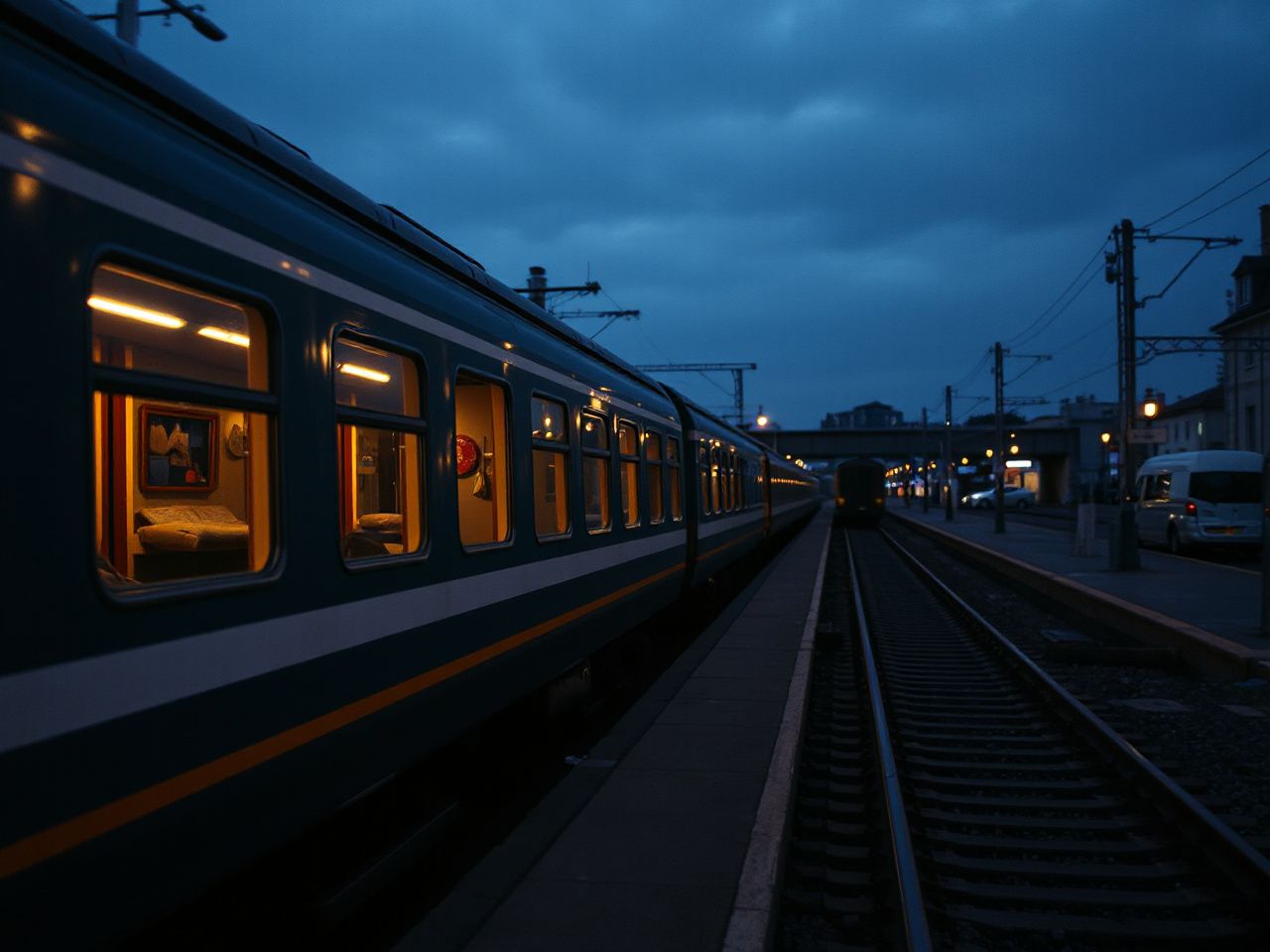
Boarding the Amsterdam to Berlin sleeper train is simple. You show your ticket (digital or printed) to the conductor at the platform, find your carriage, and settle in. The train is usually a mix of older and newer Nightjet coaches. Newer models have USB ports and reading lights at each bunk.
Cabin Comfort and Amenities
Couchette compartments have fold-down bunks with a thin mattress. Each bunk has a curtain for privacy. Sleeper cabins offer a proper bed with a duvet and pillow. Both types have a small sink in the cabin — sleeper cabins have a private washbasin, while couchettes share a sink in the corridor. Toilets are at the end of each carriage.
Dining and Supplies
There is no full dining car on this Nightjet route. A small bistro cart passes through offering coffee, tea, packaged sandwiches, and beer. Bringing your own food and water is advisable. A thermos of coffee, a sandwich, and some fruit make the morning much more pleasant. The train’s heating and air conditioning work well, but cabins can get warm — dress in layers.
Arriving in Berlin: Practical Tips
The train arrives at Berlin Hauptbahnhof, the city’s central station. From there, you can connect to the U-Bahn (lines U5, U55) or S-Bahn (lines S3, S5, S7, S9) to reach any part of Berlin. The station has luggage lockers if you want to explore before checking into your accommodation.
Connecting to Other Transport
If you’re continuing your journey by motorcycle or car, Berlin Hauptbahnhof has a parking garage directly adjacent. For those shipping a motorcycle, the station is well-connected to the A100 motorway. Taxis and ride-shares queue outside the main entrance. The station’s layout can be confusing — the tracks are on two levels — so allow 10 minutes to navigate to your exit.
Alternative Routes and Backup Plans
If the Nightjet is sold out or doesn’t fit your schedule, you have options. The daytime Intercity Express (ICE) from Amsterdam to Berlin takes about 6.5 hours and runs several times daily. Another option is to take the FlixTrain, which is cheaper but slower (around 8 hours). For overnight travel, you could also consider the Berlin–Warszawa Express if you’re heading further east.
Frequently Asked Questions
How far in advance should I book the Amsterdam to Berlin sleeper train?
Book as early as possible — ideally 2 to 3 months ahead for summer travel. Tickets go on sale about 6 months before departure, and the cheapest couchette spots sell out first. If you’re flexible on dates, midweek departures (Tuesday–Thursday) are usually less expensive than weekends.
Is there WiFi on the Amsterdam to Berlin sleeper train?
No, there is no WiFi onboard the Nightjet on this route. Mobile reception varies as you cross the border — it’s generally good in the Netherlands and western Germany, but can drop out in rural areas. Download movies, podcasts, or books before you board.
Can I bring my bicycle or motorcycle on the sleeper train?
Bicycles can be booked in advance for an additional fee, but space is extremely limited (usually 2–4 spots per train). Motorcycles are not accepted on this passenger service. For motorcycle transport, you need a dedicated freight service or a motorcycle shipping company.
What should I pack for the overnight journey?
Pack an eye mask, earplugs, a small pillow (if you’re picky), and a water bottle. Wear comfortable clothes you can sleep in. Bring snacks and a power bank — the USB ports in older carriages may not charge quickly. A light jacket is useful even in summer, as the air conditioning can be strong.