San Diego to Los Angeles Train: Complete Guide for 2026
Contents
Have you ever looked at a train schedule and felt a knot in your stomach, wondering what happens if your connection gets canceled 50 miles from your stop? I’ve ridden long enough to know that the gear you skip buying to save money is almost always the gear you regret not having when you need it most. Invest once, invest right. That same mindset applies to planning a San Diego to Los Angeles train trip — you don’t just hope for the best, you prepare for the worst.
The San Diego to Los Angeles train corridor might seem straightforward, but between shared freight tracks, coastal delays, and occasional maintenance, things can go sideways fast. Whether you’re commuting for work, visiting family, or just wanting to skip the I-5 traffic, this guide covers the real-world details that most online posts gloss over.
Key Takeaways
- The Pacific Surfliner runs multiple daily trips between Santa Fe Depot in San Diego and Union Station in Los Angeles, with travel times ranging from 2 hours 45 minutes to 3 hours 15 minutes depending on stops and freight interference.
- Always book a refundable ticket or have a backup bus route planned — weather-related cancellations and signal delays happen more often than you’d expect on this coastal line.
- Bring your own food and water, download offline entertainment, and keep your phone charged, because cell service drops in several tunnels along the route.
Understanding the San Diego to Los Angeles Train Routes
Most travelers assume there’s only one way to make the train journey from San Diego to Los Angeles, but there are actually two distinct options, and knowing the difference can save you hours of frustration. The primary service is the Pacific Surfliner, operated by Amtrak, which runs along the coast with stops in Oceanside, San Juan Capistrano, Irvine, and Anaheim before reaching Los Angeles Union Station. The trip covers roughly 120 miles of track, but those miles pass through some of the most scenic — and vulnerable — railway terrain in Southern California.
The secondary option is the Metrolink, a commuter rail service that runs between Oceanside and Los Angeles. To use Metrolink, you would first need to take the Coaster train from San Diego’s Santa Fe Depot to Oceanside, then transfer to the Metrolink Orange County Line or Inland Empire-Orange County Line. This option takes longer — around 3 hours 45 minutes to 4 hours 15 minutes total — but tickets are cheaper, and Metrolink offers monthly passes for regular commuters.
Pacific Surfliner: The Main Line
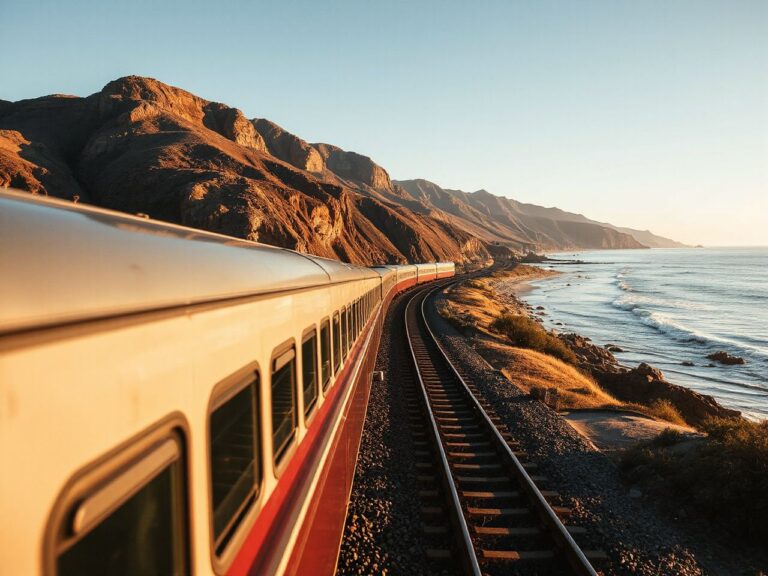
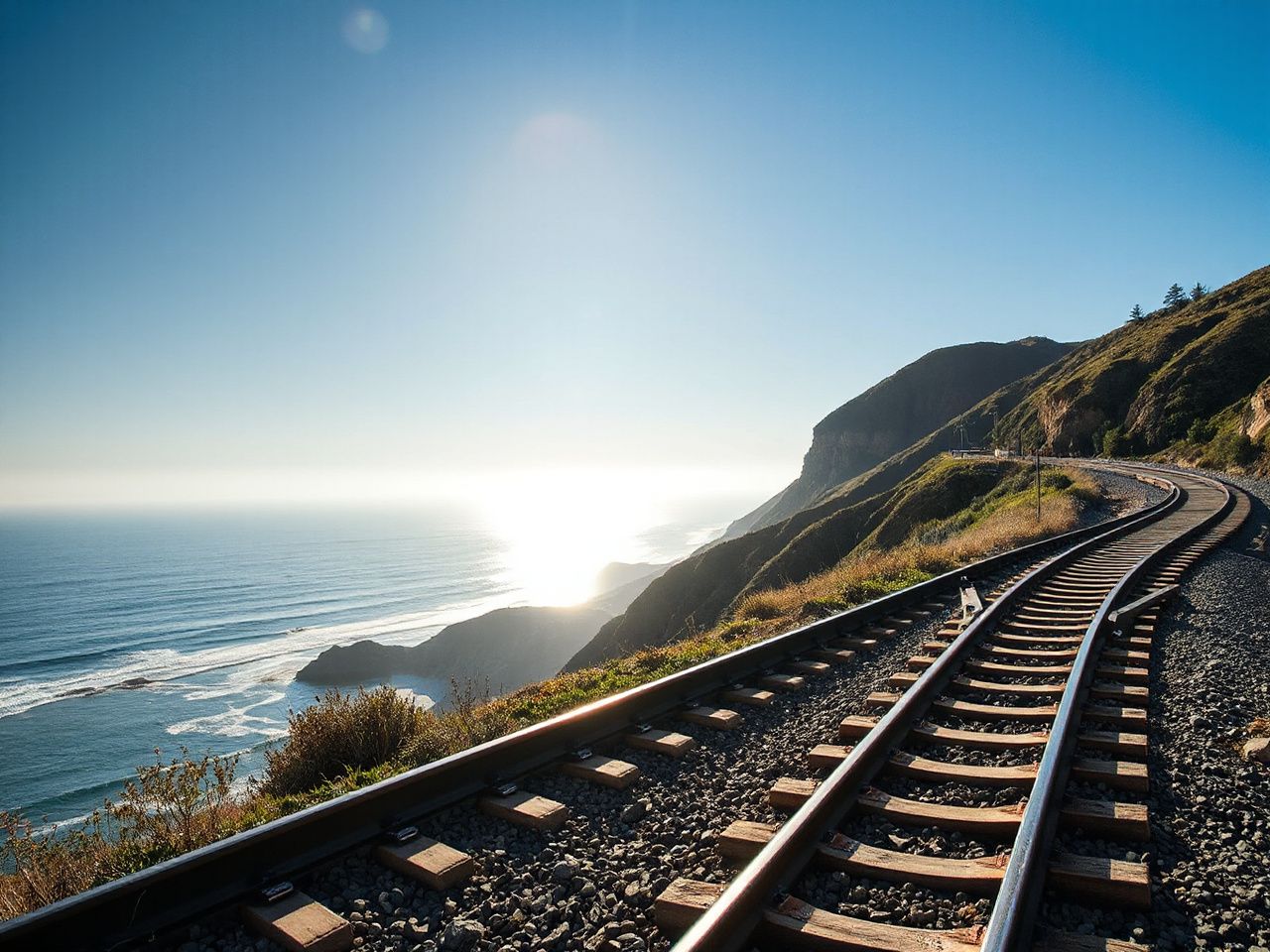
The Pacific Surfliner is the workhorse of the San Diego to Los Angeles train corridor. Trains depart from Santa Fe Depot in downtown San Diego, located at 1050 Kettner Boulevard, and arrive at Los Angeles Union Station at 800 North Alameda Street. The route hugs the coastline for much of the journey, offering views of the Pacific Ocean between San Diego and San Clemente, then turns inland through Orange County’s suburban sprawl.
There are typically 10 to 12 daily departures in each direction, with the first train leaving San Diego around 5:15 AM and the last around 9:30 PM. Frequencies are highest during weekday commuter hours and on weekends when leisure travelers fill the cars. The trains feature two levels: the upper level provides better views, while the lower level is easier for passengers with luggage or mobility needs.
Travel time varies by the number of intermediate stops. Express trains make fewer stops and complete the journey in about 2 hours 45 minutes, while local trains that stop at every station can take up to 3 hours 15 minutes. Always check the schedule for your specific train number, because a difference of 30 minutes can affect your entire day’s plans.
Coaster + Metrolink: The Budget Alternative
If you’re watching your wallet and have extra time, the Coaster-to-Metrolink combination is worth considering. The Coaster runs from Santa Fe Depot in San Diego to Oceanside Transit Center, with stops at Old Town, Sorrento Valley, Solana Beach, Encinitas, Carlsbad, and Oceanside. This leg takes about 1 hour. From Oceanside, you board the Metrolink Orange County Line, which stops in San Clemente, San Juan Capistrano, Laguna Niguel, Irvine, Tustin, Santa Ana, Orange, Anaheim, Fullerton, and finally Los Angeles Union Station.
The total cost for a one-way trip using this method is roughly $15 to $20, compared to $35 to $45 for the Pacific Surfliner. The trade-off is time: the transfer in Oceanside adds at least 30 minutes of waiting, and the Metrolink trains run less frequently than the Surfliner, especially on weekends. If your schedule is flexible and you want to save money, this is a solid option. If you’re running late for a meeting, stick with the direct train.
Booking Your Tickets and Managing Costs
Ticket pricing for the San Diego to Los Angeles train varies based on how far in advance you book, the time of day, and the type of service you choose. Amtrak’s Pacific Surfliner uses dynamic pricing, meaning the earlier you buy, the less you pay. A standard coach ticket purchased a week in advance might cost $35, while the same ticket bought the day of travel could be $45 or more. Business class tickets, which include wider seats and a complimentary drink, run about $20 extra per ticket.
For the Coaster and Metrolink, fares are fixed and based on distance zones. A one-way Coaster ticket from San Diego to Oceanside costs about $8.50, and a Metrolink ticket from Oceanside to Los Angeles costs roughly $10.50. You can buy tickets at station kiosks, through the Amtrak app, or via the Metrolink and Coaster mobile apps. Using the apps allows storing tickets digitally and avoids paper receipts that get lost.
Refundable vs. Non-Refundable Tickets
This is where my worst-case planning mindset kicks in. The Pacific Surfliner offers two main fare types: Saver and Flexible. Saver fares are non-refundable and only allow changes with a 25% fee. Flexible fares can be changed or canceled for a full refund up to departure time. If you’re traveling during winter or spring, when coastal storms can cause landslides or signal failures, pay the extra $10 for a Flexible fare. Travelers often lose $40 because a train gets canceled and they bought the cheapest ticket.
Another option is the Amtrak Rail Pass, which gives you 10 segments over 30 days for about $500. This only makes sense if you plan multiple round trips between San Diego and Los Angeles within a month. For a single trip, stick with individual tickets.
Discounts and Deals
Students, seniors, and military personnel can save 10% to 15% on Pacific Surfliner tickets. Children under 2 ride free. AAA members also get a 10% discount on most Amtrak fares. For the Coaster and Metrolink, seniors and disabled riders get half-price fares during off-peak hours. Always ask about discounts when buying tickets, because the agents don’t always volunteer the information.
What to Expect Onboard and at Stations
The Pacific Surfliner trains are comfortable but not luxurious. Each car has two-by-two seating with power outlets at every seat, free Wi-Fi, and a café car that sells snacks, sandwiches, and drinks. The Wi-Fi works well most of the time, but expect it to drop in the tunnels near San Clemente and in the rural stretches between Oceanside and San Juan Capistrano. Download your shows or work files before you board if you need internet access for the entire trip.
Bathrooms are located at each end of the train cars, and they’re generally clean but get crowded during peak hours. The café car is a good place to stretch your legs and buy coffee or a breakfast burrito, but the prices are higher than what you’d pay at a grocery store. I always bring a refillable water bottle and a pack of trail mix to avoid spending $4 on a bag of pretzels.
Santa Fe Depot Station
San Diego’s Santa Fe Depot is a historic mission-style station with a large waiting room, ticket counters, restrooms, and a small coffee shop. It’s located at the intersection of Kettner Boulevard and Broadway, within walking distance of the Gaslamp Quarter and the San Diego Convention Center. Arrive at least 30 minutes before departure for a stress-free boarding experience. The station has paid parking garages nearby, but street parking is limited and metered.
Los Angeles Union Station
LA Union Station is a major transportation hub with connections to Metro Rail, Metro Bus, and several intercity bus lines. The station itself is a gorgeous 1939 building with high ceilings, marble floors, and a large waiting area. From the train platform, you walk through the main hall to reach the street or the Metro entrance. It’s about a 10-minute walk from the platform to the Metro Red Line, which takes you to Hollywood, or the Gold Line, which goes to Pasadena. If you’re heading to downtown LA, Union Station is right next to the Civic Center area.
Managing Delays and Disruptions
Let’s talk about the elephant on the tracks: delays. The San Diego to Los Angeles train corridor shares tracks with freight trains operated by BNSF Railway and Union Pacific. Freight trains have priority on these tracks, meaning passenger trains can be held in sidings for 20 to 45 minutes while a mile-long freight train passes. This happens most often between Oceanside and San Clemente, where the track is single-tracked and bottlenecks occur.
Weather is another major factor. Coastal fog can reduce visibility and cause trains to run at reduced speeds. Heavy rain can trigger landslides near San Clemente, where the tracks hug the unstable bluffs. In 2023, a landslide near San Clemente shut down the line for weeks, forcing Amtrak to run bus bridges between Oceanside and Irvine. Have a backup plan: the Amtrak Thruway bus from San Diego to Los Angeles is a reliable alternative when the trains can’t run.
What to Do When Your Train Is Canceled
If your Pacific Surfliner train is canceled, Amtrak will typically offer you a seat on the next available train or a full refund. During major disruptions, they may run bus service between stations. Always check the Amtrak alerts page before you leave for the station. If you’re stuck at a station, Union Station and Santa Fe Depot both have comfortable waiting areas with charging stations and food options. Smaller stations like Oceanside or San Juan Capistrano have limited amenities, so carry snacks and a portable charger.
If you’re using the Coaster and Metrolink combination, disruptions are less common but still happen. The Coaster runs on its own tracks for most of the route, so freight delays are minimal. Metrolink shares tracks with freight in some areas, but the service is generally reliable. The biggest risk with commuter rail is reduced weekend schedules — always check the schedule in advance.
Cell Service and Connectivity
Cell service along the route is inconsistent. You’ll have strong signal through San Diego and Orange County’s urban areas, but between Oceanside and San Clemente, the train passes through several tunnels and canyons where coverage drops to zero. If you’re relying on GPS for directions at your destination, download offline maps before you board. The train’s free Wi-Fi is useful but slow during peak hours — don’t count on streaming video.
Packing for the Journey
A worst-case trip planner always packs more than they think they’ll need. On the San Diego to Los Angeles train, here is a recommended packing list:
- Water and snacks — The café car is overpriced and runs out of popular items by mid-afternoon. Bring at least a liter of water and some protein bars or nuts.
- Portable charger — Power outlets are available, but they’re spread throughout the car and not always reachable from every seat. A 10,000 mAh battery will keep your phone alive for the entire trip.
- Entertainment — Download podcasts, audiobooks, or shows before you leave. The scenery is beautiful, but after an hour of coastline, you might want a distraction.
- Light jacket or hoodie — The trains keep the air conditioning running year-round. Even in summer, the cars can feel cold, especially near the windows.
- Printed or digital copy of your ticket — The conductor will scan your ticket on board. Having it ready on your phone or printed saves time and avoids fumbling in your bag.
Frequently Asked Questions
How long does the San Diego to Los Angeles train take?
The Pacific Surfliner usually takes between 2 hours 45 minutes and 3 hours 15 minutes, depending on the number of stops and freight train interference. Express trains with fewer stops are faster. Always check the schedule for your specific train to confirm travel time.
Where does the San Diego to Los Angeles train depart from in San Diego?
The Pacific Surfliner departs from Santa Fe Depot located at 1050 Kettner Boulevard in downtown San Diego. The station is within walking distance of the Gaslamp Quarter and the Convention Center. Paid parking is available in nearby garages.
Can I bring a bike on the San Diego to Los Angeles train?
Yes, the Pacific Surfliner allows bicycles on board. You need to reserve a bike spot when you book your ticket, and there is a limited number of spaces per train. The fee is about $5. Bikes are stored in racks or hooks in the lower-level cars.
Is there Wi-Fi on the San Diego to Los Angeles train?
Yes, Amtrak provides free Wi-Fi on the Pacific Surfliner. The connection works well in urban areas but may drop in tunnels and remote coastal sections. If you need reliable internet for work, download files in advance or bring a hotspot.
What happens if my San Diego to Los Angeles train is delayed?
During a delay, Amtrak will keep you informed through announcements and the app. If your train is significantly delayed, they may offer a seat on the next available train or a full refund for Flexible fares. Saver fares are not refundable for delays under two hours. Always check the Amtrak alerts page before heading to the station.