Hiking Boot Size Chart: A Complete Guide to Fit
Contents
A helmet is more than just a helmet. A non-certified helmet might look great and fit well, but its foam can be compromised by UV exposure within the first couple of years, at which point it needs replacing. That points to something important: the gear you trust with your safety needs to fit correctly, and that starts with understanding the numbers. The same principle applies to hiking boots. A hiking boot size chart is your first step toward a comfortable, blister-free day on the trail. But it’s not just about reading a chart — it’s about knowing how to use it.
In recent years, more hikers are realizing that the size stamped on the box is just a starting point. Boot manufacturers use different lasts (the shape around which the boot is built), and your foot shape matters just as much as length. A hiking boot size chart helps you translate your foot measurements into a usable starting size, but you still need to confirm fit with actual wear. Let’s walk through the process step by step.
Key Takeaways
- Measure your feet at the end of the day when they are slightly swollen for the most accurate size.
- Always wear the socks you plan to hike in when trying on boots — sock thickness changes fit significantly.
- Leave a thumb’s width of space (about 1 cm) between your longest toe and the boot’s end to prevent toe jamming on descents.
- Use a hiking boot size chart as a reference, but always test boots in-store before committing.
How to Use a Hiking Boot Size Chart Correctly
A hiking boot size chart typically lists foot length in centimeters or inches alongside corresponding US, UK, and EU sizes. But the chart is only useful if your measurements are accurate. Here’s the right way to measure your feet.
Step 1: Gather Your Tools
You’ll need a piece of paper, a pencil, a ruler or measuring tape, and a wall. Place the paper on a hard floor against the wall. Stand on the paper with your heel touching the wall. Mark the longest point of your foot — usually the tip of your big toe or second toe. Measure the distance from the wall to the mark. Do this for both feet. Your feet are rarely identical, so use the larger measurement.
Step 2: Account for Sock Thickness
Hiking socks add bulk, especially in the toe box and heel. If you measure your foot barefoot and then add sock thickness afterward, you risk choosing a boot that’s too small. Instead, wear your hiking socks while measuring. If you don’t have them yet, add 0.5 cm (about 0.2 inches) to your barefoot measurement to account for medium-weight wool socks. For thick mountaineering socks, add up to 1 cm (0.4 inches).
Step 3: Translate to the Chart
Once you have your foot length in centimeters, find that value on the hiking boot size chart. Most charts list a range for each size. For example, a foot length of 26.5 cm might correspond to US men’s 8.5 or 9, depending on the brand. Always round up to the nearest half size if you fall between two sizes. Boots that are too tight cause blisters and numbness; boots that are slightly large can be snugged up with thicker socks or insoles.
Common Fit Issues and How to Fix Them
Even with a perfect hiking boot size chart translation, boots can still feel wrong. Here are the most frequent problems and what they mean.
Heel Lift
If your heel rises more than a few millimeters when you walk, the boot is too wide or too long at the heel. This causes friction and blisters. Try a different model with a narrower heel pocket, or use a heel lock lacing technique. If the boot is too long overall, go down a half size.
Toe Jamming
When you walk downhill, your toes slide forward. If they hit the front of the boot, you’ll end up with black toenails. The fix is simple: ensure there’s a thumb’s width of space (about 1 cm) between your longest toe and the boot’s end when standing upright. This space allows your foot to slide forward without jamming.
Hot Spots
A hot spot is a localized area of friction that turns into a blister if ignored. It usually means the boot is too narrow in that spot. Look for boots with a wider toe box or a different last shape. Some brands offer wide sizes, which can solve this without changing length.
Understanding Boot Width and Volume
A hiking boot size chart usually only shows length. But width and volume are equally important. Boots come in narrow (B), medium (D), wide (E), and extra wide (EE) widths for men. Women’s boots typically use A (narrow), B (medium), and C/D (wide). Volume refers to the overall height of the boot’s interior — high-volume feet need more vertical space, especially over the instep.
How to Check Width
Stand in the boot with your weight on both feet. If you can see the sides of the boot bulging outward, it’s too narrow. If you can pinch more than a centimeter of material on either side of your forefoot, it’s too wide. The boot should feel snug but not restrictive. Your toes should be able to wiggle slightly.
How to Check Volume
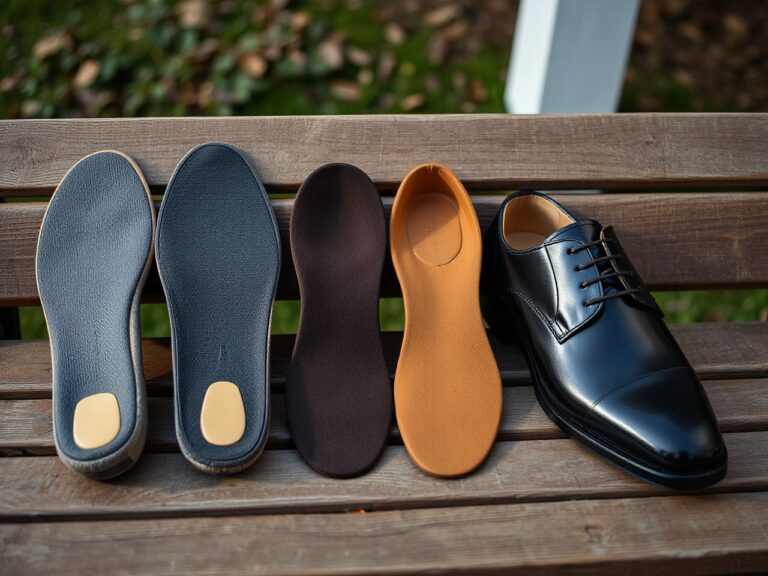
If the boot feels tight across the top of your foot (the instep) even when the laces are loose, the volume is too low. Try a different model or a brand known for higher volume, like Keen or Merrell. Conversely, if you have to cinch the laces extremely tight to get a snug fit, the volume is too high. Consider a lower-volume boot or add a thicker insole.
Breaking in Your Boots
Even with the right size from a hiking boot size chart, new boots need time to conform to your feet. A proper break-in period reduces the risk of blisters and discomfort on long hikes.
Start with Short Walks
Wear your boots around the house for a few hours. Then take them on short, flat walks of 1-2 miles. Gradually increase the distance and add hills. This allows the materials — leather, synthetic fabrics, and foam — to mold to your foot shape. Most boots are fully broken in after 20-30 miles of walking.
Watch for Persistent Pain
If you experience sharp pain or numbness after the first few wears, the boot is not the right size or shape. Don’t try to “power through” the break-in period. Pain is a sign that something is wrong. Go back to the chart, remeasure your foot, and consider a different model.
Frequently Asked Questions
What if my foot falls between two sizes on a hiking boot size chart?
Always choose the larger size. You can add a thicker insole or wear thicker socks to take up extra space, but you cannot stretch a boot that’s too small. A half size too large is manageable; a half size too small causes pain and blisters.
How much space should I leave at the front of my hiking boots?
Aim for about a thumb’s width (roughly 1 cm or 0.4 inches) between your longest toe and the front of the boot when standing upright. This space allows your foot to slide forward on descents without jamming your toes. If you have less space, go up a half size.
Do I need to measure my feet every time I buy boots?
Yes. Feet change shape over time due to age, weight changes, and pregnancy. Measure your feet before every boot purchase. A hiking boot size chart is only accurate if your input measurements are current. Don’t rely on what size you wore five years ago.