Dispersed Camping Near Estes Park: A Complete Guide
Contents
Over 60% of the land surrounding Estes Park is managed by the U.S. Forest Service, offering thousands of acres of free, primitive camping. Yet most visitors drive straight to overpriced RV parks. The moments that make the best camping stories are almost always the ones where something went wrong — the forest road that turned to washboard, the site that was already taken at dusk. Preparation doesn’t prevent adventure — it just gives you better options when it shows up. Finding legal, safe spots for dispersed camping near Estes Park is about knowing where to look and what to bring.
Key Takeaways
- Dispersed camping is allowed on most national forest land outside designated campgrounds, but you must follow specific rules.
- Altitude and weather change fast — prepare for freezing temps even in summer.
- Fire bans are common; always check current restrictions before heading out.
- Motorcycles and high-clearance vehicles have better access to many remote sites.
Understanding Dispersed Camping Regulations
Dispersed camping means camping anywhere outside a developed campground, with no services. On the Roosevelt National Forest and Arapaho National Forest surrounding Estes Park, you can camp for up to 14 days in one spot. After that, you must move at least 5 miles away. This rule prevents long-term occupation and keeps the land open for everyone.
Where You Can Camp
The key is finding land managed by the U.S. Forest Service. Most areas west of Estes Park, along Highway 7 and Highway 34, offer pull-offs and primitive roads. Look for signs marking national forest boundaries. You must camp at least 100 feet from any water source, trail, or road. This protects water quality and leaves room for other users.
Where You Cannot Camp
Rocky Mountain National Park does not allow dispersed camping. Neither do state parks or wilderness areas without a permit. Pay attention to posted signs. Some areas have seasonal closures for wildlife or fire danger. The ranger station in Estes Park can provide up-to-date maps and closure information. I always stop there first — it saves hours of backtracking.
Finding the Best Sites
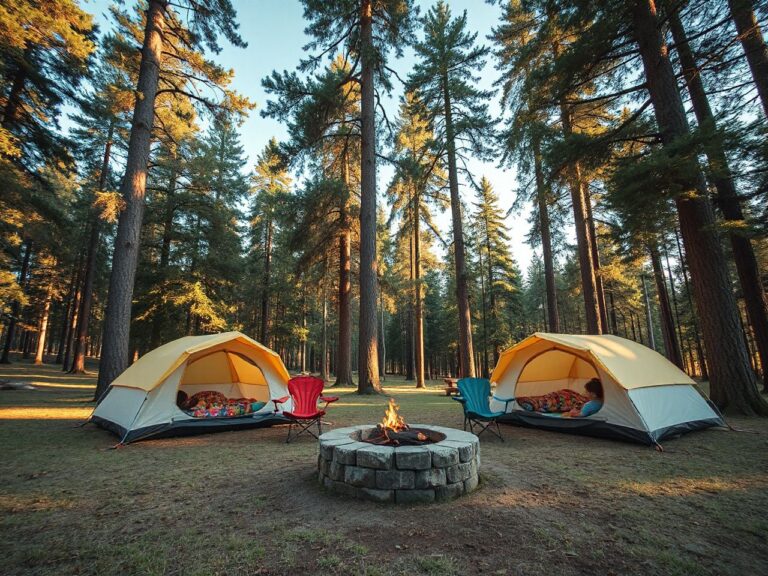
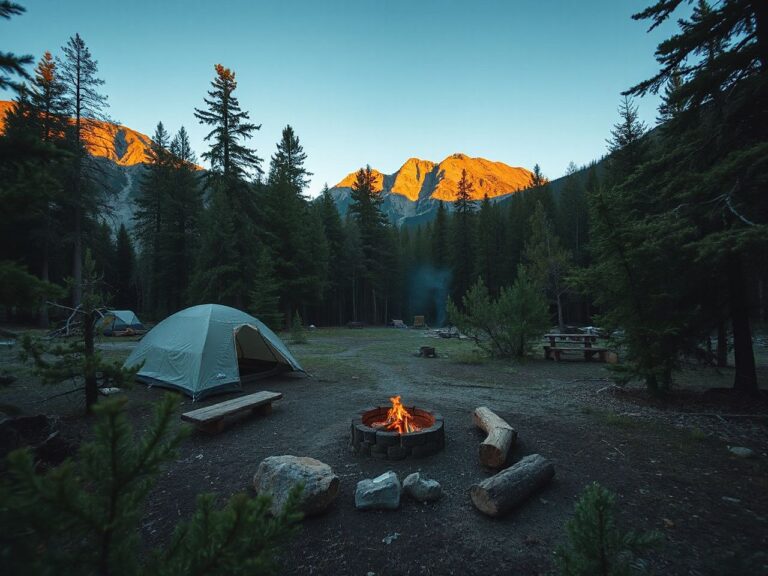
Not all dispersed sites are equal. Some are open meadows with stunning views. Others are tucked in dense pine forest. The best sites for dispersed camping near Estes Park have three things: level ground, a fire ring, and good drainage. A fire ring means someone has camped there before, which usually means the spot is legal and safe.
Highway 7 Corridor
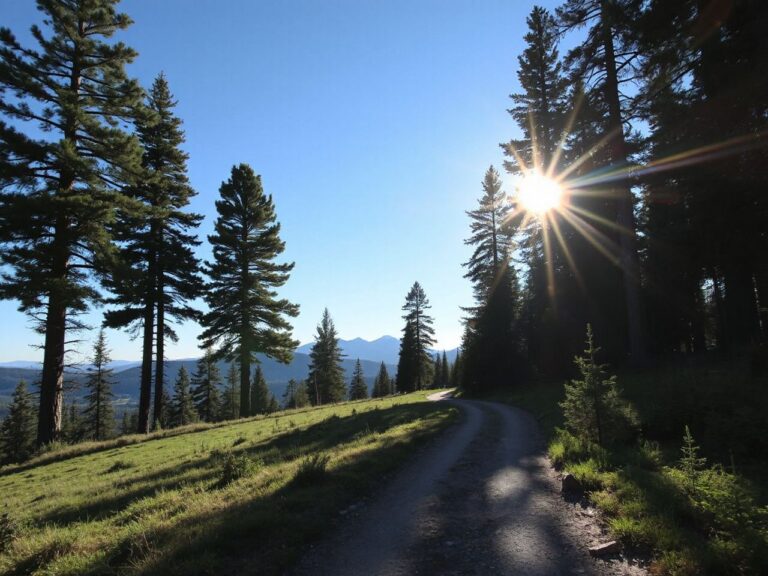
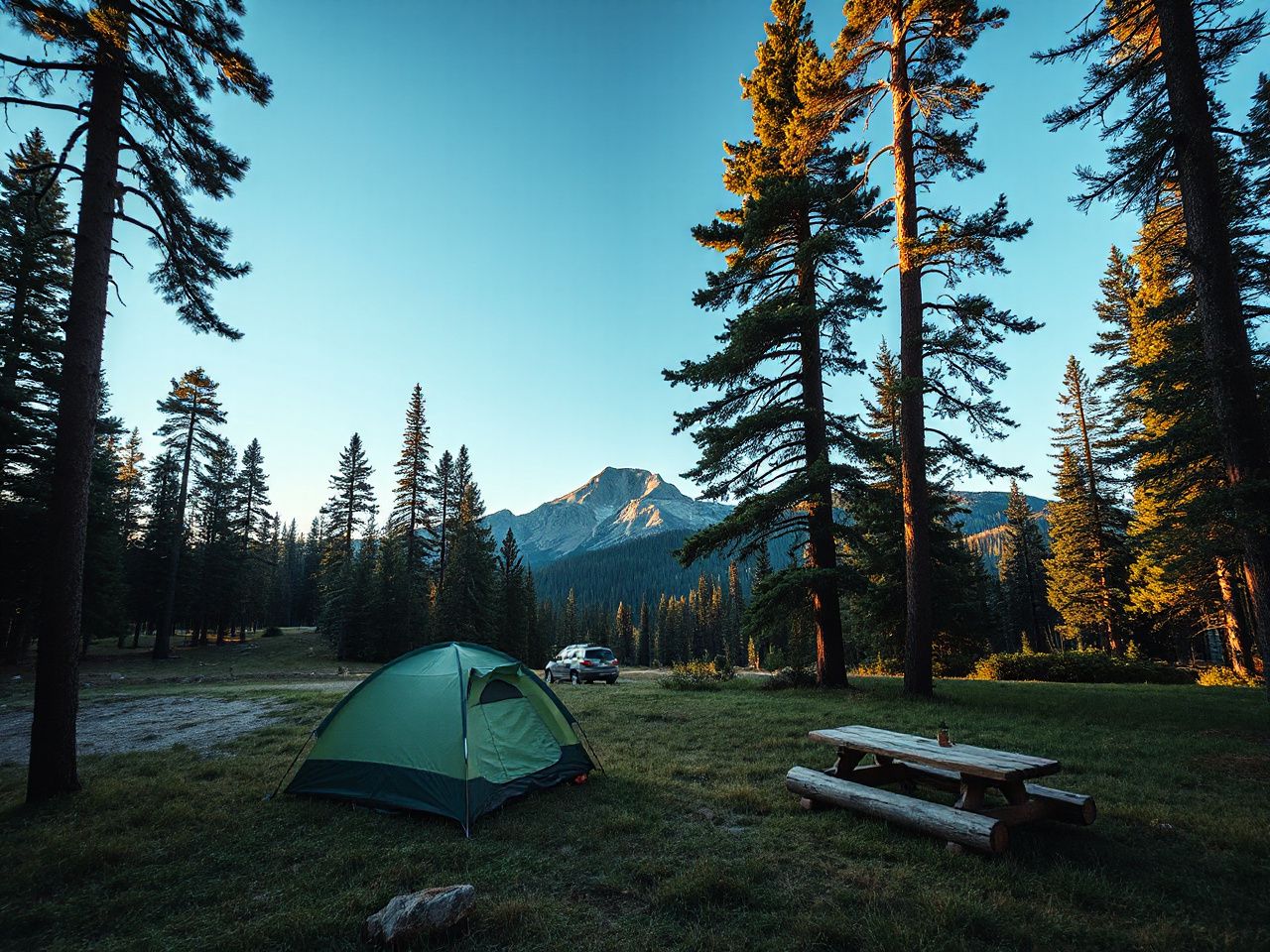
South of Estes Park, Highway 7 runs through the Roosevelt National Forest. Multiple dirt roads branch off, leading to primitive sites. The road to Meeker Park is a favorite. It’s rough but passable for most vehicles. Sites sit along the creek, shaded by tall pines. Expect elevations above 8,500 feet here. Nights get cold even in July.
Highway 34 Toward Grand Lake
West on Highway 34, past the park entrance, the road climbs to 11,000 feet at Milner Pass. Several turnoffs before the pass offer dispersed camping. The Colorado River headwaters area has wide, flat spots with good access to hiking. This area gets less traffic than the eastern side. It is a remote location where seclusion is common.
Poudre Canyon Approach
For a longer, more scenic route, take Highway 14 through Poudre Canyon. This road follows the Cache la Poudre River and offers hundreds of dispersed sites. It’s about an hour drive from Estes Park, but the solitude is worth it. The canyon has fewer restrictions and more open land. Motorcycles handle the twisty pavement well, and the dirt pull-offs are easy to spot.
Essential Gear for High-Altitude Camping
Altitude changes everything. The air is thinner, the sun is stronger, and temperatures drop fast. Packing for dispersed camping near Estes Park requires a different mindset than car camping at lower elevations. A few key items can make the difference between a great trip and a miserable one.
Sleep System
A four-season tent is not necessary, but a three-season tent with a good rain fly is. The biggest threat is wind and unexpected rain. Use a sleeping pad with an R-value of at least 4.0. The ground conducts cold away from your body quickly. A sleeping bag rated to 20°F works for most summer nights. In shoulder seasons, go lower.
Water and Fire
There is no tap water. You must bring your own or treat water from streams. A Sawyer Squeeze filter weighs almost nothing and filters 100,000 gallons of water. Always carry a backup method, like purification tablets. Fire bans are common, especially in July and August. Bring a camp stove for cooking. A small MSR PocketRocket is light and reliable.
Navigation
Paper maps are not optional. GPS devices fail, batteries die, and screens crack. A USFS map of the Roosevelt National Forest costs about $10 and shows every road, trail, and water source. Learn to read contour lines. They tell you if a road climbs steeply or stays flat. A compass with a declination adjustment for the area (about 10° east) helps when clouds roll in.
Safety Considerations
Safety in the backcountry is about preparation, not fear. The biggest risks are weather, wildlife, and altitude sickness. Knowing how to handle each keeps you safe.
Weather
Afternoon thunderstorms are the norm from June through August. Lightning kills more people in Colorado than any other weather hazard. If you hear thunder, get off ridges and away from lone trees. A lightning safety plan means knowing where to go before the storm hits. I always set up camp in a valley or near thick, uniform forest. Avoid open meadows and high peaks.
Wildlife
Bears, mountain lions, and moose all live here. Store food in a bear canister or hang it at least 10 feet off the ground and 4 feet from any tree trunk. Never cook near your tent. Moose are more dangerous than bears. They charge without warning. Give them at least 100 yards of space. If a moose approaches, get behind a large tree or rock.
Altitude Sickness
Estes Park sits at 7,500 feet. Many dispersed sites are above 9,000 feet. Altitude sickness can hit anyone, regardless of fitness. Symptoms include headache, nausea, and shortness of breath. The only cure is descending. I always spend one night in Estes Park before heading higher. This gives my body time to adjust. Drink plenty of water — at least 1 gallon per day — and avoid alcohol.
Planning Your Route
Getting to dispersed sites often requires navigating rough roads. If you’re riding a motorcycle, check out our guide on Motorcycle Route Near Me: Scenic Day Rides and Safety Tips for road conditions and safety advice. The same principles apply to any vehicle: check weather, fuel, and tire pressure before leaving pavement.
Timing
Weekdays are the best time to find empty sites. Fridays and Saturdays see heavy competition. Arrive by 2 PM to claim a spot before others. In July and August, some areas fill by noon. September offers cooler weather and fewer crowds. October brings snow at higher elevations. Road closures start in November and last until May.
Leave No Trace
Pack out everything you bring. This includes toilet paper and food scraps. Human waste should be buried at least 6 inches deep and 200 feet from water. Use a trowel for digging. Campfires are only allowed in existing fire rings. Never cut live trees for fuel. Use dead and downed wood only. Leave the site cleaner than you found it.
Frequently Asked Questions
Do I need a permit for dispersed camping near Estes Park?
No permit is required for dispersed camping on national forest land outside wilderness areas. You must follow the 14-day stay limit and all fire restrictions. Wilderness areas inside the forest require a permit for overnight stays. Check with the ranger station for specific rules.
Can I camp anywhere in the Roosevelt National Forest?
No. You must camp at least 100 feet from water sources, trails, and roads. Some areas have seasonal closures for wildlife or fire danger. Always check the Motor Vehicle Use Map for the specific area you plan to visit. Camping is not allowed in developed recreation sites or day-use areas.
What is the best time of year for dispersed camping near Estes Park?
June through September offers the most reliable weather. July and August are warmest but bring afternoon thunderstorms. September has cooler days and fewer crowds. Snow can fall any month above 10,000 feet. Spring and fall require cold-weather gear and flexible plans. Winter camping is possible but requires specialized equipment and experience.