Best Tent for Hot Weather: Why a “Hot Tent” Is the Opposite
Contents
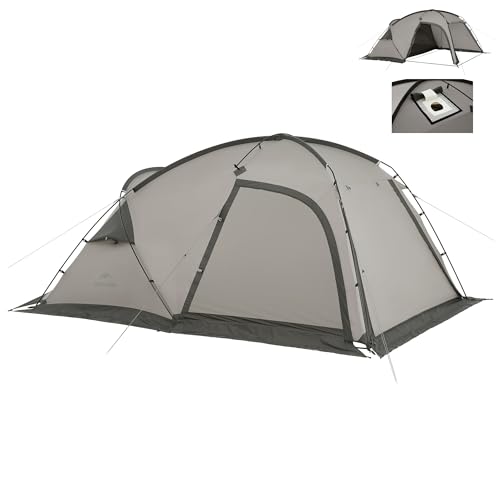
If you searched for the best tent for hot weather and the results filled with heavy canvas shelters that have a hole cut into one wall, you have run into a word collision. In camping usage a “hot tent” is a tent designed to be heated — canvas, with a stove jack in the wall so a wood stove can be run inside it. That is winter equipment, and the opposite of what someone camping in a heatwave needs.
The honest answer to this query is therefore a correction rather than a ranking, followed by what actually matters: a shelter that sheds heat instead of holding it, a pitch that keeps sun off the fabric, and a clear read of the weather ahead. The two tent categories sharing the word “hot” also carry two entirely different risks.
Key takeaways
- “Hot tent” means heated, not cooled — in camping usage it is a canvas shelter with a stove jack, built for winter. A tent for hot weather is the opposite product.
- Up to 15°F — the National Weather Service states heat index values were devised for shady, light wind conditions, and full sunshine can increase them by up to 15°F.
- No agency publishes a rating, certification, test method or approved-product list for hot-weather tents, and none defines “hot tent” either. Both are retail vocabulary.
- 103°F to 124°F heat index is the “Danger” band published by the National Weather Service’s Amarillo, Texas office: heat cramps or heat exhaustion likely, heat stroke possible.
- Carbon monoxide is the hazard attached to the other kind of tent. OSHA states large amounts of CO “can overcome you in minutes without warning.”
Two tents, one word, opposite seasons
The collision is grammatical, not technical. “Tent for hot weather” parses as a tent for use in heat. “Hot tent” parses, in the camping world’s own usage, as a tent that gets hot on purpose — a canvas shelter with a chimney port, built to be warmed from the inside. The two share a word and nothing else.
The consequence is that a reader planning a July trip in the desert or the humid south gets shown a shelter engineered to trap heat. A tent built to be heated is built to hold warmth — legitimate winter kit that becomes a liability in August. This is camping and retail vocabulary on both sides, not language any agency publishes.
No agency ranks a hot-weather tent
No federal agency publishes a scoreboard to appeal to. No agency publishes a rating scheme, certification, test method or approved-product list for tents in hot weather. The part of the Code of Federal Regulations most often invoked for consumer product hazards is titled “HAZARDOUS SUBSTANCES AND ARTICLES: ADMINISTRATION AND ENFORCEMENT REGULATIONS,” and its section headings cover toxicity, flammability and sharp-point test methods, banned toys, lead content and import procedures. Camping tents do not appear among those headings.
That should change how you read every roundup on this subject. When a page calls a tent “rated” for heat, it is repeating a manufacturer’s language or the writer’s judgement — a product claim, not a regulated measurement.
Shade is the factor that should move your pitch
This is the sourced fact worth carrying into the field. The National Weather Service defines the heat index as “a measure of how hot it really feels when relative humidity is factored in with the actual air temperature.” It then adds a detail worth carrying into the field: “Since heat index values were devised for shady, light wind conditions, exposure to full sunshine can increase heat index values by up to 15°F.”
Read that as a campsite instruction. The forecast you checked assumes shade; a tent in an open meadow at midday is not experiencing that number. Choosing afternoon shade — the east side of a ridge or tree line, so the tent loses sun early — is the difference between the forecast you planned around and a harsher one. Humidity compounds it: in the National Weather Service’s worked example, at 96°F and 65% relative humidity the heat index is 121°F. Nor is breeze automatic relief, since the same guidance cautions that “strong winds, particularly with very hot, dry air, can be extremely hazardous.”
Reading the heat before you commit to a site
The National Weather Service’s Amarillo, Texas office publishes the heat index categories and what each means for people outdoors. These bands describe consequences rather than comfort, which makes them the right thing to check before a summer trip.
| Category | Heat index | Effect, as published by the National Weather Service |
|---|---|---|
| Caution | 80°F – 90°F | Fatigue possible with prolonged exposure and/or physical activity |
| Extreme Caution | 90°F – 103°F | Heat stroke, heat cramps, or heat exhaustion possible with prolonged exposure and/or physical activity |
| Danger | 103°F – 124°F | Heat cramps or heat exhaustion likely, and heat stroke possible with prolonged exposure and/or physical activity |
| Extreme Danger | 125°F or higher | Heat stroke highly likely |
The National Weather Service also issues heat alerts. As its guidance currently reads these are named Extreme Heat Warning, Extreme Heat Watch and Heat Advisory, the first issued “when extremely dangerous heat conditions are expected or occurring.” No numeric threshold is attached to any of them there, and names and criteria can change — check the National Weather Service’s current heat pages for your area.
What actually makes a tent liveable in heat
Everything in this section is craft, not regulation. Large mesh panels in the inner tent, instead of solid fabric, let warm air leave and put you under something closer to a bug net than a wall. A rain fly that can be pitched partially, rolled back or left off on a dry night turns one shelter into two. Opposing doors give genuine cross-ventilation rather than one warm pocket.
Vents matter more than spec sheets suggest: low intakes near the ground paired with high vents at the peak drive convection, so warm air leaves the top and pulls cooler air in at the base, wind or no wind. A raised cot puts air underneath you, . National Park Service pitching guidance covers ground rather than sun — find a large, flat place, remove sticks, rocks and other debris, and stay aware of hazards like flash flooding, lightning, wind and dead trees or branches.
Pro tip
Pick the site for where the shade will be at four in the afternoon, not where it is when you arrive at eleven. Put a ridge, rock face or tree line between the tent and where the sun is heading. On a dry, still night, take the fly off entirely and sleep under mesh.
The risk this query actually carries
For the reader who typed this search, the hazard is heat illness, not equipment failure. The National Weather Service describes heat cramps as painful muscle cramps and spasms usually in legs and abdomen, with heavy sweating. Heat exhaustion it lists as heavy sweating; weakness or tiredness; cool, pale, clammy skin; fast, weak pulse; muscle cramps; dizziness, nausea or vomiting; headache; fainting. Its first aid names a timer: move the person somewhere cooler, loosen clothing, apply cool wet cloths, offer sips of water, and seek immediate medical attention if the person vomits, symptoms worsen, or last longer than one hour.
Heat stroke is the one to memorise: throbbing headache; confusion; slurred speech; nausea; dizziness; body temperature above 103°F; hot, red, dry or damp skin; rapid and strong pulse; fainting; loss of consciousness. The instruction is unambiguous — “Call 911 or get the victim to a hospital immediately. Heat stroke is a severe medical emergency. Delay can be fatal.” The National Park Service adds a field-useful distinction: heat stroke signs resemble heat exhaustion but also include changes in behaviour, such as confusion or disorientation.
The risk on the other side of the collision
The stove-heated canvas tent carries a different hazard: combustion inside an enclosed shelter. OSHA‘s carbon monoxide fact sheet, dated 2012, describes CO as “a poisonous, colorless, odorless and tasteless gas” produced by the incomplete burning of material containing carbon such as propane, coal or wood. CO displaces oxygen in the blood and deprives the heart, brain and other vital organs of oxygen, and “large amounts of CO can overcome you in minutes without warning.” Initial symptoms listed are tightness across the chest, headache, fatigue, dizziness, drowsiness or nausea, worsening to vomiting, confusion, collapse and loss of consciousness.
EPA‘s indoor air guidance names unvented kerosene and gas space heaters, wood stoves and fireplaces among indoor CO sources, states that at high levels CO can kill a person in minutes, and gives two flat instructions: “DON’T ever use a charcoal grill indoors – even in a fireplace,” and do not sleep in any room with an unvented gas or kerosene space heater. It adds that a CO detector is not a replacement for proper use and maintenance of fuel-burning appliances.
OSHA is writing about workplaces and EPA about homes; neither is quoted here as tent guidance. What they establish is the mechanism — burning fuel in an enclosed space produces a gas you cannot smell, and it works fast.
Common mistake
Buying a canvas stove-jack tent because the listing said “hot tent.” Scan the description for canvas, stove jack, chimney port or wood-stove compatible. If any appear, that tent is built to be heated, and it is the wrong shelter for a summer trip no matter how the page is titled.
Frequently asked questions
Is a “hot tent” the same thing as a tent for hot weather?
No — they are close to opposites. In camping usage a hot tent is designed to be heated from the inside, typically canvas with a stove jack cut into the wall. A tent for hot weather is built to shed heat, usually with heavy mesh and a fly that can be reduced or removed.
Does any agency certify a tent as hot-weather rated?
No agency publishes a rating scheme, certification, test method or approved-product list for hot-weather tents, and none publishes a definition of “hot tent” either. Any temperature rating comes from the manufacturer or the reviewer, so read it as a marketing description.
How much difference does pitching in shade actually make?
Enough to change the forecast you planned around. The National Weather Service states heat index values were devised for shady, light wind conditions and that full sunshine can increase them by up to 15°F. Shade is a high-value decision at a campsite, and it costs nothing but attention.
When does heat become a medical emergency?
When symptoms shift toward heat stroke. The National Weather Service names confusion, slurred speech, a body temperature above 103°F, hot red dry or damp skin and loss of consciousness among its signs, and says to call 911 or get the person to a hospital immediately.
Is high elevation worth the drive in summer?
Often. The National Park Service tells Death Valley visitors not to hike at low elevations when it is hot and notes the mountains are generally cooler in summer, in a park where it states summer temperatures can reach 130°F with night-time temperatures up to 90°F. That is one park’s guidance, but the elevation point travels.
Does a battery fan help inside a tent in extreme heat?
Airflow across skin helps while sweat is still evaporating, which is why cross-ventilation is worth arranging. One published caution is written about rooms rather than tents: the National Weather Service advises against aiming a portable fan directly at yourself when room temperature is hotter than 90°F.