Base Jump Sport: What You Need to Know Before Starting
Contents
A common failure starts before the jump: a jumper treats a dramatic cliff, building, antenna, or span as one generic launch point. Then they find that the object, wind, terrain, landing area, and escape options don’t fit the same plan. A good guide highlights how BASE jumping differs from skydiving by focusing on the short decision window, object-specific hazards, and limited recovery options. It also separates conventional BASE, tracking, and wingsuit jumps because their exit techniques, deployment demands, flight paths, and landing issues are materially different. That distinction matters in the BASE-jumping sport, where a low object can leave little room to fix a body-position or deployment problem.
Readers comparing this activity with cliff jumping or bungee should start with the operating environment, not the marketing name. The plain-language guide to BASE jumping risks, rules, and safety basics offers useful background, but no article replaces supervised instruction and a realistic decision to walk away.
Key Takeaways
- BASE jumping offers less time and altitude for correcting problems than ordinary skydiving.
- Conventional, tracking, and wingsuit jumps require different exit, deployment, flight, and landing decisions.
- A BASE parachute system is specialized for fixed-object jumping and is not interchangeable with ordinary skydiving equipment.
- Training, inspection, legal access, weather judgment, and an emergency plan must be settled before an exit is considered.
What the BASE-Jumping Sport Actually Demands
Shorter decisions than skydiving allows
Skydiving and BASE jumping both use parachutes, but sharing a canopy doesn’t make the activities the same. An aircraft exit usually gives a jumper more altitude and time to identify a problem, stabilize, deploy, and handle a malfunction. A fixed-object jump may start from a height lower than 486 feet (148 m), so the correction window can be severely limited.
A BASE jump from a 148-metre (486-foot) object, if the jumper stays in free fall, hits the ground in about 5.6 seconds. That number is a warning, not a guarantee of reaction time, because exit position, deployment timing, body orientation, wind, and the object itself all influence the situation.
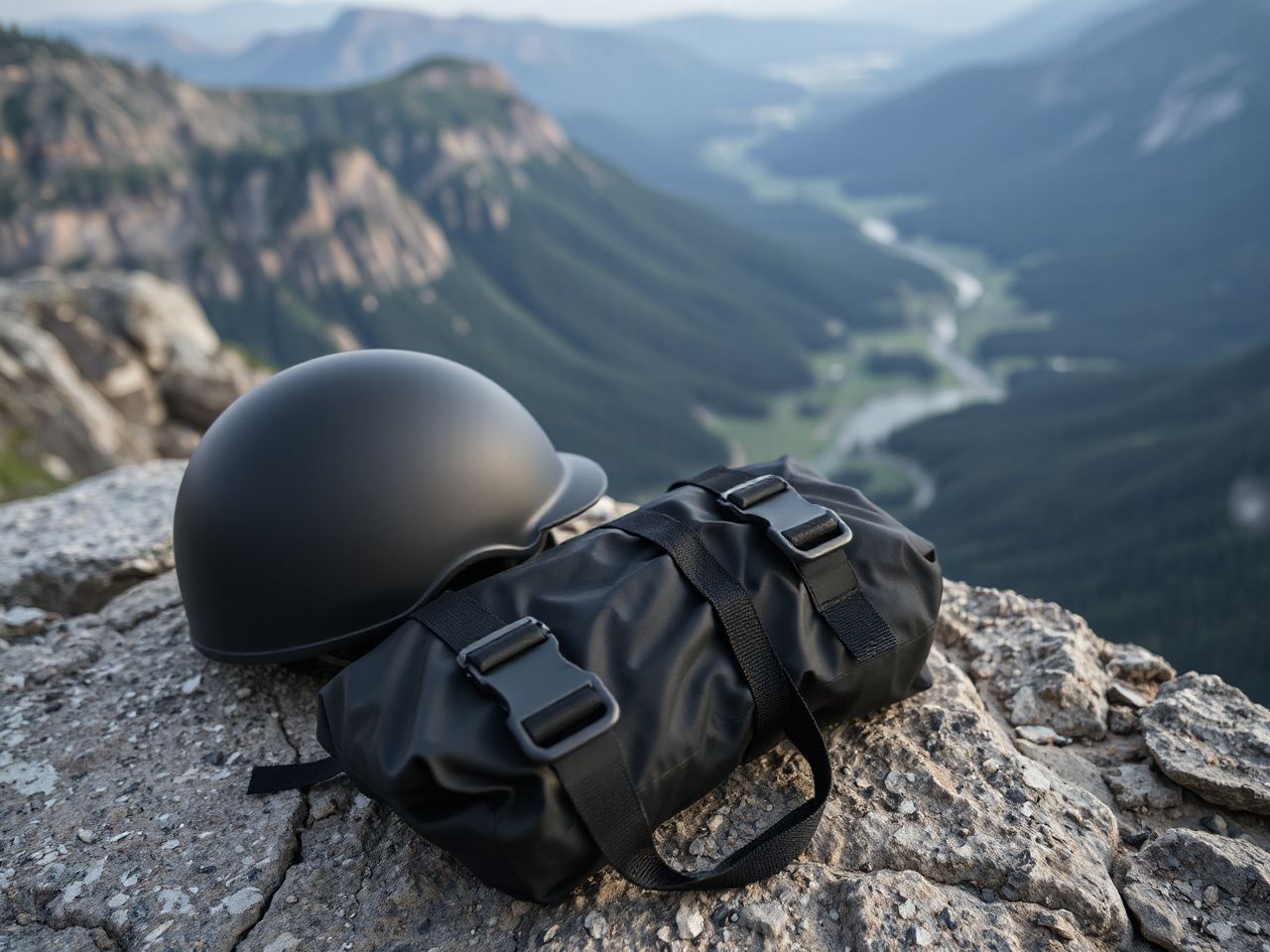
BASE jumping provides much less time and altitude for correcting deployment or body-position problems than ordinary skydiving. A helmet, hook knife, harness-container system, pilot chute, deployment bag, slider, and canopy are parts of a system, not separate answers to a poor exit or a bad landing choice.
Why the object changes the jump
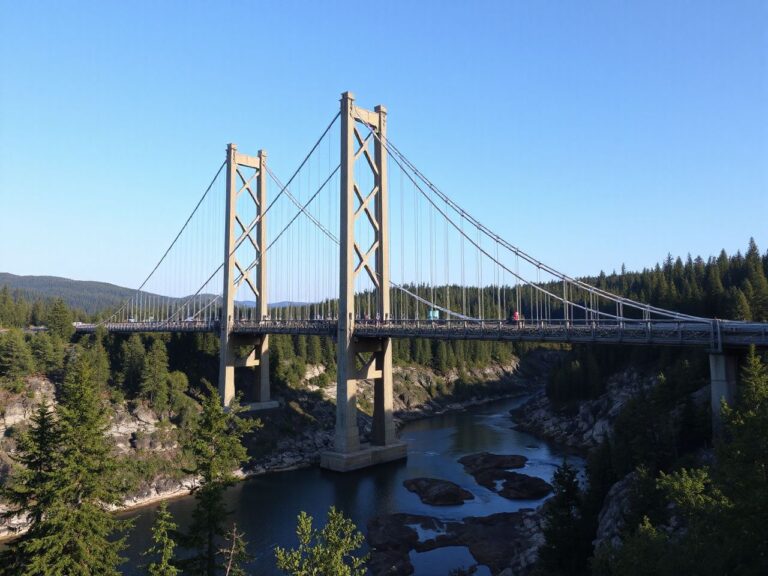
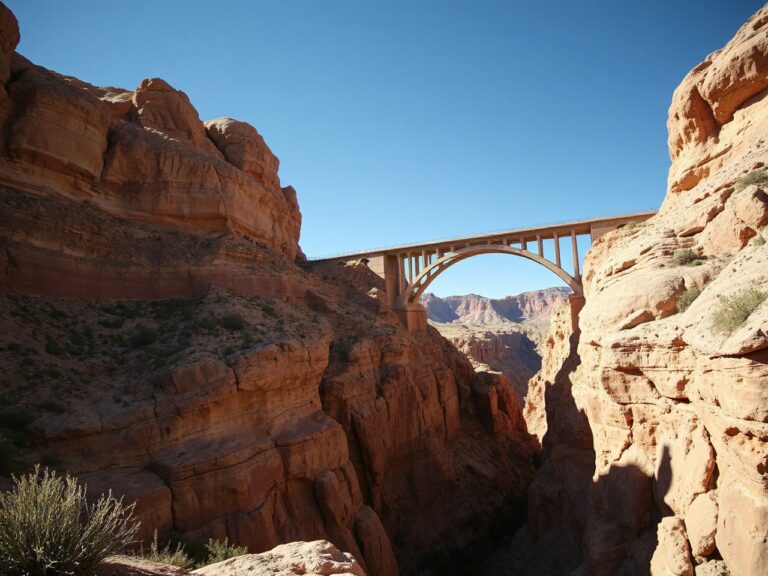
BASE environments are often described as buildings, antennas, spans, and earth formations, but the key difference is physical, not alphabetical. A cliff can introduce terrain, ledges, uneven air, and a sloping landing zone. A building can create edges, walls, roof structures, and urban obstacles. An antenna might offer a narrow platform with exposed structure, while a span can combine height, cables, traffic, water, or restricted access.
Each object changes the hazards related to line entanglement, the airflow near the exit, the flight direction options, the landing surface, and the escape route after landing. The object can’t be judged separately from the wind or the landing area.
A fixed-object exit must be assessed together with wind, terrain, landing area, line hazards, and escape options. A dramatic height rating says very little if the landing area is obstructed or the available walk-out is unclear.
Conventional BASE, tracking, and wingsuit BASE
Conventional BASE jumping generally places the focus on a controlled exit, an appropriate deployment, canopy flight, and a landing area that can be reached without unnecessary movement. Tracking changes the flight path by asking the jumper to create separation and forward movement before deployment. That alters the exit, body position, navigation, and landing setup.
Wingsuit BASE changes the task again. A modern wingsuit usually has one leg wing and two arm wings. The suit impacts the exit, body position, flight path, deployment, navigation, and landing approach. It’s not just a faster version of conventional BASE jumping.
Wingsuit BASE introduces different flight, deployment, navigation, and landing demands from conventional BASE jumping. A wingsuit that works well on an open line of flight might not be suitable where terrain closes the route, the landing space is tight, the wind is unstable, or the deployment plan can’t be carried out cleanly.
Training and Choosing a Progression
Learn the skills before selecting the object
Training should cover body position, canopy control, deployment awareness, emergency responses, landing judgment, packing discipline, and the ability to stop a plan. A learner also needs basic skydiving experience before moving toward fixed-object jumps, because the aircraft environment helps develop foundational responses with more altitude available.
For USPA Basic Safety Requirements, a jumper must hold a current skydiving license and have completed at least 200 previous skydives. The United States Parachute Association publishes safety and licensing info; local instruction might impose additional conditions.
Supervised progression is essential because fixed-object jumping leaves little room to repair an unfamiliar body-position or canopy problem. A course should explain not only how to perform a jump, but also how an instructor decides that a student is not ready for a particular object or discipline.
Use instruction that matches the discipline
A learner considering conventional BASE shouldn’t assume that a tracking or wingsuit lesson is just an advanced version of the same lesson. The movement pattern, deployment process, flight line planning, and landing issues are different. Training for a wingsuit also needs to address how the suit affects body position and navigation before any fixed-object plan.
The article Base Jumping Classes: What Beginners Should Know First can help a reader come up with questions for a qualified instructor. Ask how supervision is handled, how object access is managed, what conditions cancel a jump, and how emergency situations are rehearsed.
- Conventional BASE: concentrate on a stable exit, planned deployment, canopy control, and a landing area that leaves room for the jumper’s current ability.
- Tracking: add a planned separation and flight line, then verify that the route does not trade object clearance for an uncertain landing.
- Wingsuit BASE: assess suit handling, flight path, deployment space, navigation, terrain closure, and landing requirements as one linked problem.
Decide against the plan when the evidence is weak
An ability decision needs to be specific. Check the exit surface against the jumper’s practiced exit. Examine the landing area with known canopy and landing skills in mind. Compare the forecast with the wind limits set by the instructor or local procedure. If the plan requires a narrow clearance or an unverified landing field, or if it involves a last-minute change in direction, the answer should be no.
An exit and landing area are within a jumper’s ability only when the required actions are practiced, the conditions are understood, and the emergency options are credible. Inflated difficulty labels are poor substitutes for a surface inspection and a route that can be described clearly.
How a BASE Parachute System Works After the Exit
Specialized equipment is part of the method
A BASE parachute system is designed for fixed-object jumping and should not be treated as interchangeable with ordinary skydiving equipment. The harness-container system, canopy, pilot chute, deployment bag, slider, and lines must work together during a short deployment sequence. A helmet and hook knife support the overall emergency plan, but neither corrects a poor exit nor removes the need for proper training.
A BASE parachute system is specialized for fixed-object jumping and should not be assumed to behave like an ordinary skydiving system. Equipment choice belongs inside instruction and supervised progression, not at the end of an online gear list.
Deployment is a chain, not a single action
After leaving the object, the jumper follows the deployment method established during training. The pilot chute needs clean airflow, the deployment bag must release the canopy in the intended sequence, and the lines should extend without contact with the jumper or nearby structure. The slider, if used in the system, affects how the canopy opens and must be handled according to the system’s procedure.
The key point isn’t memorizing component names. It’s recognizing how body position, line routing, fabric, container closure, pilot-chute presentation, and object clearance all interact. Even a correctly packed system can be placed in an unsuitable exit or wind situation.
BASE deployment depends on clean airflow, correct packing, clear line extension, and enough space for the canopy to inflate away from the object. The sequence must be taught and practiced through an instructor-approved progression.
What can go wrong
Deployment problems can involve an unstable exit, contact with the object, a pilot chute that doesn’t present as intended, line entanglement, a canopy that doesn’t inflate properly, or a deployment that leaves too little altitude for a response. The specific response depends on the system, the training, the object, and the remaining height.
That is why a generic internet checklist isn’t safe as a substitute for proper instruction. A jumper must know the system’s emergency procedures and recognize the difference between problems that can be fixed and those that can’t. They also need to understand where their body would go relative to the object and ground during a response.
Deployment malfunctions require system-specific training because the available response depends on the object, altitude, body position, and canopy state. A hook knife may assist with a line or equipment problem, but it is not a universal solution.
Inspection and maintenance
Inspection starts with the equipment record and the manufacturer’s instructions for that system. Check the harness-container system, closure, lines, canopy fabric, pilot chute, deployment bag, slider, handles, and connections for damage, unusual wear, contamination, or changes from the documented configuration. If anything’s uncertain, it’s best to consult a qualified rigger or instructor before using it.
Maintenance also means repacking at the recommended interval for the system and local practices, recording repairs, and inspecting the gear after hard landings, contact with vegetation, water, dust, or structural surfaces. A canopy that looks clean doesn’t guarantee every line, seam, connection, and container part is in perfect condition.
A BASE parachute system should be inspected and maintained according to its instructions and qualified professional guidance before a jump. Do not treat a recent jump, a familiar pack job, or an undamaged appearance as proof that inspection can be skipped.
Destination Judgment: Surface, Weather, Access, and Rescue
Read the route rather than the reputation
A destination description can make a jump sound simple by naming the height and the view, but it leaves out details that determine if the route is suitable. Things like the exit surface, approach, wind exposure, terrain shape, landing zone, obstacles, line hazards, and walk-out are crucial.
Start with a physical description that someone else can verify. Is the exit flat, sloping, narrow, loose, wet, crowded, or exposed? Does the intended flight path move toward terrain, structures, trees, water, or an area with no practical landing options? Can you identify the landing area from the air and reach it on foot after landing?
A BASE destination should be judged by its actual surface, remoteness, published grade, landing area, and escape route rather than by promotional language. A grade is a starting point, not a substitute for current local information.
Weather and terrain assessment
Wind can influence the exit, the canopy opening, the flight line, and the landing approach. Mountain weather often shifts around ridges and cliffs, while buildings, antennas, and spans can disrupt airflow near the object. A forecast alone doesn’t tell you about the wind where the jumper will stand or fly.
Check visible cloud movement, wind direction changes, turbulence signs, wet surfaces, poor visibility, and how air moves through the intended route. If conditions differ from the plan, don’t try to improvise a more aggressive flight path to protect the jump.
Mountain weather and terrain assessment must include the exit, flight path, deployment space, landing area, and return route. A calm landing zone does not prove that the exit has safe airflow.
Legal access and landowner permission
Access is a different decision from technical skill. A location may involve private land, protected areas, or restrictions from a structure owner, road authority, railway, bridge operator, or local rules. Permission should be confirmed with the owner or land manager, not guessed from old videos or an unlocked gate.
Government areas publish their own access information. The National Park Service is an example of an official source a reader can check when a proposed site lies in a national park. The relevant local authority remains the final source for the specific location, and rules can change.
Permission to reach an object does not automatically mean permission to jump from it. You should check access, launch restrictions, landing restrictions, parking, road crossings, and any requirement to notify or coordinate with authorities before traveling.
Rescue and the walk-out
Remote terrain can make a minor landing issue harder to handle. A jumper needs a communication plan, a meeting point, an escape route, and a clear plan for what happens if they can’t walk. Rescue may be tough or unavailable, especially where access is private, weather is changing, mobile coverage is uncertain, or the landing is far from roads.
Don’t assume that calling for help will fix the problem. Tell a trusted person the location, planned timing, access route, and cancellation message, while respecting local rules about emergency notifications.
A realistic emergency plan must account for delayed or unavailable rescue in remote BASE terrain. The plan should be simple enough to use under stress and specific enough that another person can identify the correct object and landing area.
Costs, Equipment Records, and Long-Term Commitment
Budget for more than the jump
The ongoing cost of BASE jumping includes instruction, supervised progression, travel, access, repacking, inspection, repairs, and replacement of damaged equipment. It also involves the time needed to reach a suitable standard. A low-cost first jump can turn into an expensive project if travel, training, maintenance, and weather delays aren’t taken into account.
Budgeting should also account for a jump being canceled. Travel costs still apply when wind, visibility, access, or landing conditions aren’t right. Treating cancellation as a failure can create pressure that leads to poor decisions.
BASE jumping costs include training, travel, repacking, repairs, and eventual equipment replacement, not only the fee associated with an exit. No responsible budget should depend on using damaged equipment or skipping professional inspection.
Keep records that support decisions
Keep a record of instruction, supervised jumps, equipment configuration, packing, inspections, repairs, weather observations, access permissions, and canceled plans. The value isn’t in the paperwork itself. It helps determine if a proposed jump matches current practice and if a system has changed since its last check.
Having a long gear list can be distracting. Focus on key questions: who inspected the system, what procedures were taught, what conditions are acceptable, and what to do if the landing or deployment doesn’t go as planned.
Equipment records help a jumper verify that the current system, training, and site plan still match one another. If those records are unclear, it’s better to postpone the jump until the uncertainty is resolved.
Practical Decision Process Before an Exit
Step 1: Confirm the discipline
Note whether the plan involves conventional BASE, tracking, or wingsuit BASE. Each choice affects the exit, flight path, deployment, and landing. Avoid vague descriptions like “a simple BASE jump” if it actually involves a more demanding tracking or wingsuit route.
Step 2: Inspect the object and landing area
Describe the exit surface, nearby structures, airflow concerns, terrain, and landing obstacles. Check the line hazards and walk-out. Confirm that the planned flight line has room for the current ability. The landing area shouldn’t be judged from a photograph alone.
Step 3: Check training and equipment
Make sure the jumper has the relevant supervised progression. The BASE parachute system should have been inspected, packed, and maintained per its instructions. Verify the harness-container system, canopy, pilot chute, deployment bag, slider, lines, helmet, and hook knife as parts of one documented system.
Step 4: Recheck conditions and access
Review current weather, object access, landowner permission, local rules, landing permission, transport, and communication. A published grade or old trip report can’t replace current information about a remote location. Never rely on outdated details.
Step 5: State the cancellation triggers
Agree beforehand that the jump is canceled if permission is uncertain, winds are changing, visibility is poor, exit conditions are wet or unstable, the landing area is unclear, equipment info is missing, or rescue plans won’t work. Cancel before reaching the exit, not while standing at it.
A sound BASE decision includes a clear cancellation point before the jumper reaches the exit. Travel pressure, spectators, weather, or a reputation for completing tough lines isn’t proof that conditions are suitable. Always set a decision point in advance.
Frequently Asked Questions
How is the BASE-jumping sport different from skydiving?
BASE jumping starts from a fixed object and usually offers less altitude and time for correcting issues like an unstable exit, deployment problems, or body-position errors. The object creates specific airflow, contact, line, terrain, and landing hazards. Skydiving experience is important, but using a parachute from an aircraft doesn’t automatically mean someone is ready for fixed-object jumps.
How should someone choose between conventional BASE, tracking, and wingsuit BASE?
Choose based on supervised training and the demands of the planned route, not the thrill of the discipline. Conventional BASE, tracking, and wingsuit BASE differ in exit technique, body position, deployment, navigation, and landing. A wingsuit isn’t suitable where terrain blocks the flight path, deployment space is uncertain, or the landing area exceeds the jumper’s current ability.
What should be checked before a first BASE jump?
Check the relevant skydiving experience and supervised instruction, system inspection, packing and maintenance record, object access, landowner or land-manager permission, current weather, landing area, escape route, communication plan, and rescue limits. The guide explaining how BASE-jumping risk should be assessed can provide wider context, but a local instructor and authority must settle the site-specific decision.