Bahama Cruises From Charleston SC: The Basics Explained
Contents
Skipping a piece of gear to save a few dollars is a familiar trail mistake: the handguards you didn’t buy are the ones you miss after twenty miles of rocky singletrack. Invest once, invest right. The same thinking applies to planning a Bahamas cruise from Charleston, SC. Instead of treating it like a passive vacation, scout the voyage like an uncharted trail and look for the raw, unpolished edges most travelers miss, from the unpredictable Atlantic swells to remote limestone shores.
Key Takeaways
- A Charleston-to-Bahamas cruise offers a unique blend of Southern charm departure and raw Bahamian terrain — think of it as swapping dirt trails for open water with the same sense of unpredictability.
- Proper preparation, from gear selection to understanding port protocols, transforms a standard sailing into a remote, discovery-driven expedition.
- The islands themselves reward those who venture beyond groomed tourist zones: hidden coves, limestone caves, and unpaved tracks reveal a side of the Bahamas few witness.
Scouting the Route: Why a Bahamas Cruise from Charleston Appeals to the Off-Road Spirit
For someone whose internal compass is calibrated by trailhead markers and gravel texture, the idea of a cruise might seem counterintuitive. Yet the moment the chart for a Charleston, SC to Bahamas cruise is studied, familiar patterns emerge. The voyage isn’t a straight, smooth highway. It’s a fluid, dynamic route shaped by currents, wind, and the occasional storm cell — a maritime version of a rutted two-track that demands respect.
The Unpredictable Thrill of the Open Sea
The ship’s bridge crew doesn’t follow a painted line; they adjust constantly. Just as a trail rider reads cambered turns, loose shale, and sudden washouts, a captain navigates shifting sea conditions. On an early morning approach to Freeport, a squall can kick up unexpected chop — nothing dangerous, but enough to remind everyone aboard that the ocean is never fully tamed. That unpredictability is the opposite of a resort lobby, and that’s exactly the point.
Sailing from Charleston adds a layer of historical texture. The city’s cobblestones and colonial bones hint at centuries of maritime departures. Standing on deck as the Holy City recedes, you’re tracing a wake not unlike those left by privateers and explorers — a departure point that feels less manufactured than the mega-ports down south. For anyone who values a less polished launch point, Charleston delivers.
Remote Outposts: The Ports as Unmarked Trails
The true reward of a Bahamas cruise from Charleston, SC isn’t the ship’s buffet—it’s the ports that barely register on a standard tourist map. Unlike the well-documented streets of Nassau, some private cruise islands remain deliberately wild. Dirt paths wind through native scrub, and the lack of signage invites exploration. This is the waterborne equivalent of finding an unlisted fire road in the high desert: uncertain, quiet, and overflowing with potential.
On Grand Bahama Island, beyond the port gates, the terrain shifts quickly. The island’s north shore has limestone riddled with sinkholes and blue holes—water-filled caverns that create a landscape of fractured rock and sudden depth. No vehicle is needed to feel the explorer’s pull; simply walking these edge habitats means navigating a terrain where the earth itself is perforated and raw. The remoteness is exaggerated by the fact that few cruisers venture far from the straw markets.
Gearing Up: Essential Preparation for a Smooth Sailing Adventure
You wouldn’t head into the backcountry without checking your tire pressure, fuel range, and recovery gear. A cruise requires similar foresight, only the tools are different. Beyond the obvious checklist of swimsuits and sunscreen, packing for a Charleston Bahamas cruise should consider that every item must justify its weight and volume.
Packing Like a Trail Scout: What to Bring on the Ship
Staterooms are compact, so multi-purpose items are key. A lightweight dry bag does double duty as a daypack during shore excursions and a waterproof liner for camera gear. Water shoes with aggressive tread are essential to protect feet from sharp limestone on Half Moon Cay that would damage flimsy flip-flops quickly. A compact medical kit with blister pads, antiseptic wipes, and sea-sickness tablets is the maritime equivalent of a tube repair kit; it may never be needed, but is valuable to have.
Navigation off the ship requires some legwork. Offline maps of each port can be downloaded using an app like Gaia GPS, marking potential points of interest—abandoned lighthouses, secluded coves, old plantation ruins. Many cell signals vanish once inland on the islands, and the ship’s Wi-Fi is spotty at best. Relying on a preloaded map is similar to having a trusty topo for a backcountry ride.
Documentation and Navigation: Charting Your Course
Carrying a physical copy of your booking confirmation, daily planner, and emergency contacts is a useful precaution. Technology fails, batteries die, but paper survives. A laminated card with the ship’s agent contact and port schedule tucked into a waist pack supports a preparedness mindset: redundancy is important when far from home.
Weather awareness plays a huge role too. The Atlantic between Charleston and the Bahamas in hurricane season—June through November—can be unpredictable. Marine forecasts from the National Hurricane Center should be monitored like barometric pressure before a mountain pass crossing. A last-minute itinerary shift to avoid a tropical wave is not a disruption; it’s the ocean’s equivalent of a trail reroute, and adaptability is part of the adventure.
Exploring the Islands: A Rider’s Perspective on Bahamian Terrain
Once off the gangway, scouting each port can be evaluated using three criteria: surface unpredictability, remoteness, and the raw sense of discovery. The Bahamas delivers on all three if you know where to look.
Grand Bahama Island: Freeport’s Rugged Edge
Freeport’s cruise terminal is functional and busy, but within a mile, the scene shifts. Head east toward Lucayan National Park, and you encounter one of the longest underwater cave systems in the world. The terrain above is a mess of sharp limestone, sun-stunted vegetation, and sinkholes that open like wounds in the earth. There’s no sidewalk, no guardrail—just a rugged path that skirts the abyss. For someone used to parsing rock gardens on a dual-sport bike, it’s a tactile paradise. You can spend hours navigating the karst, feeling the crust shift underfoot, and never see another group.
Gold Rock Beach during low tide is an unmarked gem. At low water, the beach stretches into a vast, rippled sandflat that mirrors the empty expanses of dry lake beds found in the west. The surface changes dramatically with the tide, exposing tiny channels and sea creatures. The unpredictability of the waterline—how far one can walk, when retreat is needed—adds a layer of navigational challenge that’s playful but demands awareness. Bring a watch; timing the tide is important to avoid being stranded on a sandbar waiting for the ferry back.
Nassau & Paradise Island: Beyond the Paved Tourist Trails
Nassau can feel overrun, but there’s a way to strip away the veneer. Skipping organized tours and walking west from the port toward Delaporte, or hiring a local with a beat-up pickup to drive into the interior, reveals roads that degrade quickly once Bay Street is left behind. Pot-holed lanes lead to small settlements, goat paths, and quiet beaches where more surf-tumbled coral is found than sun loungers. The remoteness, just minutes from commerce, is startling. An abandoned church, roof gone, with vines creeping through the window frames, is the kind of scene expected only on a forgotten Baja trail.
For those who want a taste of a structured visit that still feels suitably raw, consider hopping a water taxi to Rose Island or Sandy Toes. These spots are undeveloped compared to the main strip, offering dirt paths through palm scrub and rocky coastlines that reward agile footwear. If you’re considering other unique cruise experiences, you might explore a completely different kind of exploration, where historic canals become your route—something like the complete guide to cruises starting from Venice, which offers a similarly off-beat departure from standard Caribbean itineraries.
Private Islands: The Ultimate Off-Grid Experience
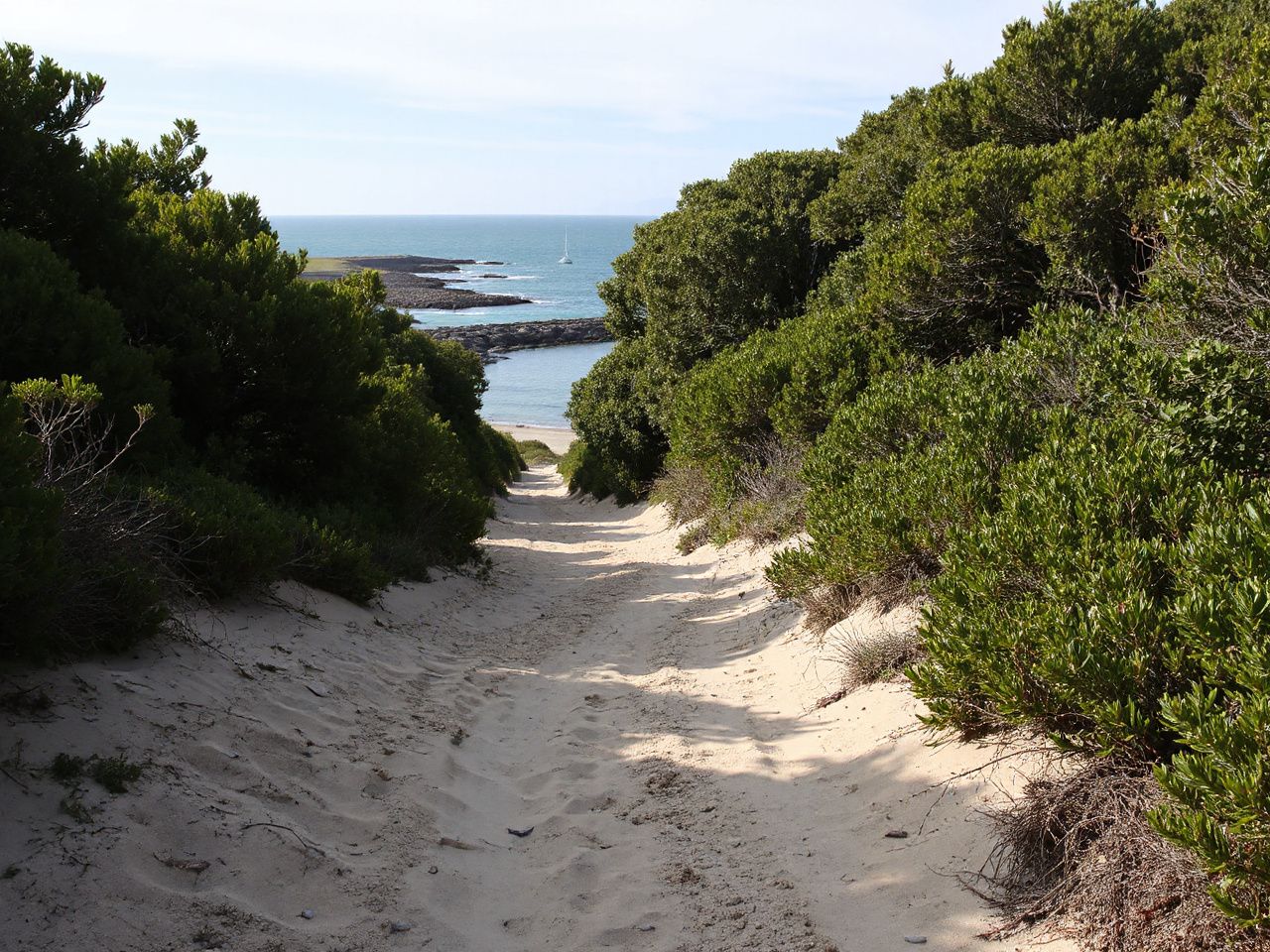
Cruise line private islands like Half Moon Cay, Castaway Cay, and Ocean Cay are often dismissed as controlled environments. But from a scout’s perspective, they’re a controlled wilderness—a contradiction that actually works. The pathways are unpaved and sandy. The vegetation is native coppice, dense and thorny. Many islands have trails that lead to deserted beaches or rocky bluffs, and the cruise lines don’t heavily signpost them. You can wander away from the crowds and, within ten minutes, feel like you’ve made landfall on an undiscovered cay.
Ocean Cay, in particular, stands out. Built on an old industrial sand-mining site, it’s been reclaimed with native species. The terrain is uneven, with crumbling concrete remnants juxtaposed against newly planted mangroves. At sunset, when the last tender departs, the quiet is profound. The surface underfoot shifts from hard-packed coral sand to loose gravel to slick limestone ledges—a sampler of surfaces that would challenge any adventure boot. These varying textures and changing traction levels are exactly the kind of environment that requires a high-performance adventure boot.
The Voyage Back: Reflecting on the Journey
The return sail to Charleston serves as a cool-down lap. Logging observations, marking GPS coordinates in a phone, and planning the next scouting mission are useful activities. A cruise from Charleston to the Bahamas is more than a float trip; it’s a long-range reconnaissance that rewards those who treat it as a dynamic expedition rather than a static itinerary.
Documenting Discoveries
Keeping a small Rite in the Rain notebook during each port visit to scribble route notes, tide timings, and contacts of local guides can be helpful. Transferring these into a more detailed log, cross-referencing with photos and offline maps, mimics the way trail conditions are recorded after a ride—useful for future trips or for sharing with like-minded explorers who value unpolished intel over glossy brochures. For those mapping out a series of voyages with similar exploratory potential, the best Mediterranean cruises for 2026 open entirely new sets of ancient, rocky shores and untrammeled island paths.
Planning Your Next Off-Road Expedition at Sea
The Charleston departure point lends itself to repeat exploration. Different cruise lines rotate their port schedules, so the same general route can yield fresh stops. Some itineraries veer south to include Key West before reaching the Bahamas, adding another layer of cultural terrain. For those who travel with families, balancing the rugged spirit with comfort becomes important. That’s where a resource like the best family friendly cruises for 2026 can help you find a vessel that accommodates both the adventurous and the young explorers in your group—without sacrificing the sense of uncharted discovery.
The sea returns to its rhythm on the final night. Salt on the lips, watching the stars needle through the dark. The same constellations that guide sailors also light the way on moonless Baja runs. The tools change, but the impulse remains: find the route less traveled, equip yourself properly, and commit fully to the experience. That’s the lesson from the backcountry, now applied to every sack of gear and every island approached from a ship.
Frequently Asked Questions
What is the best time of year for a Bahamas cruise from Charleston, SC?
The prime window runs from December to April, when the Atlantic is calmer and temperatures stay in the comfortable 70s°F. Hurricane season spans June through November, and while ships adjust routes, the risk of choppy seas and itinerary changes increases. Scout-minded travelers might actually enjoy the unpredictability of shoulder-season weather, but pack accordingly.
Do I need a passport for a Bahamas cruise departing from Charleston?
For most closed-loop cruises starting and ending in the U.S., a passport is strongly recommended—even if a birth certificate and government ID are technically accepted on some sailings in 2026. Port authorities can change rules quickly, and having a passport ensures you can fly home if an emergency cuts your trip short. Carry it in a waterproof pouch.
Which cruise lines offer Bahama cruises from Charleston?
Carnival Cruise Line historically dominates this route, with regular sailings aboard ships like the Carnival Sunshine or Sunrise. Other lines occasionally run repositioning cruises or seasonal itineraries. Always check the specific port rotation to see which Bahamian islands are on the list—private cay stops are often the most rewarding for those seeking unmarked terrain.
Can I explore off-the-beaten-path spots without booking a ship excursion?
Absolutely. In Freeport and Nassau, local taxis and jitneys can take you to less-visited areas. Negotiate with a driver to act as a guide for the day, and preload offline maps. For private islands, simply walk beyond the developed zones. Stay within island boundaries and respect private property, but many of the best discoveries happen far from the lounge chairs.
How does a Charleston to Bahamas cruise compare to a Mediterranean or Venice cruise for a sense of discovery?
Each offers a different flavor of exploration. The Bahamas run from Charleston tends to be shorter, more accessible, and offers raw tropical wilds. A Mediterranean itinerary—like those covered in our guide to cruises starting from Venice—brings ancient history and complex coastlines. If you crave rocky coves and centuries-old port towns, that’s the next logical step after you’ve scouted the Bahamian limestone.