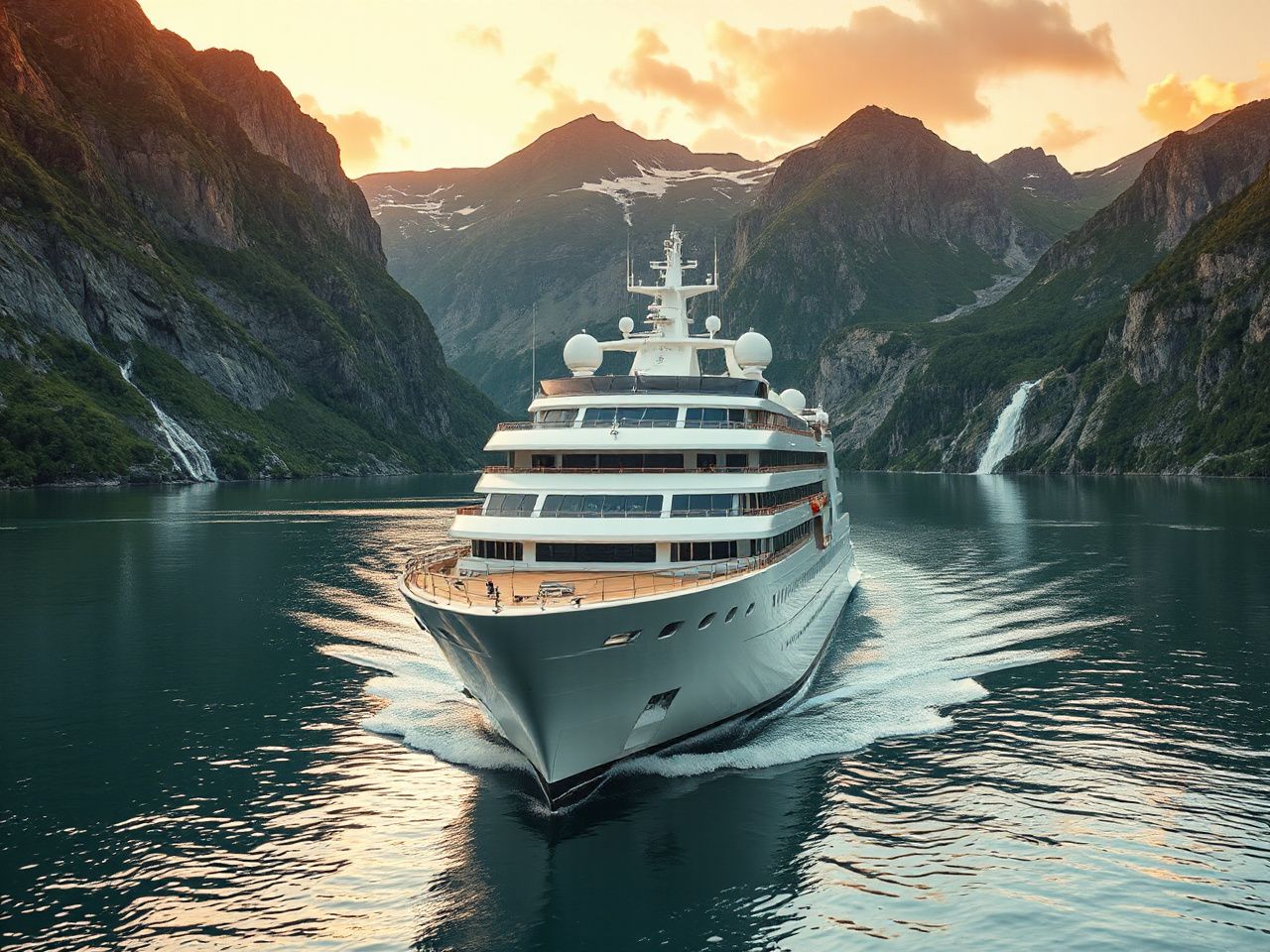
Norwegian Luxury Cruise: What Nobody Tells You About Booking
Contents
The common failure is booking a costly voyage for the word luxury, then discovering that the ship spends little time in port, the cabin feels ordinary, or the fare excludes the shore experiences that made the route appealing. A Norwegian luxury cruise can be an excellent journey, but only if the ship, route, season, port schedule, and included services match what you actually want.
The key distinction is between a purpose-built luxury cruise and a premium coastal service: the former prioritises onboard space, privacy, and hotel-style amenities, while the latter prioritises access to working ports, changing scenery, and regular local connections. A useful guide therefore evaluates the whole journey—ship design, route, season, port time, excursion demands, and what the fare includes—rather than treating the word luxury as a reliable description of the experience. For a wider rail-based comparison, the complete guide to a luxury train car experience offers a useful reminder that movement itself can be the central attraction.
Key Takeaways
- A luxury ship and a Norwegian Coastal Express voyage provide different kinds of comfort and access.
- Fjords, daylight, weather, and port conditions can change the daily experience.
- Cabin quality, dining, excursions, transfers, gratuities, and drinks may follow different fare rules.
- Read the route grade, walking demands, tender arrangements, and accessibility details before paying a deposit.
What a Norwegian Luxury Cruise Actually Promises
Shipboard comfort is only one part of the journey
A purpose-built luxury cruise normally makes the ship a destination in its own right. That means the design may place more emphasis on private space, quiet public areas, hotel-style service, dining choices, and time spent onboard. A coastal voyage has a different job. It connects communities, carries local passengers and cargo, and calls at working ports as the scenery changes outside the window.
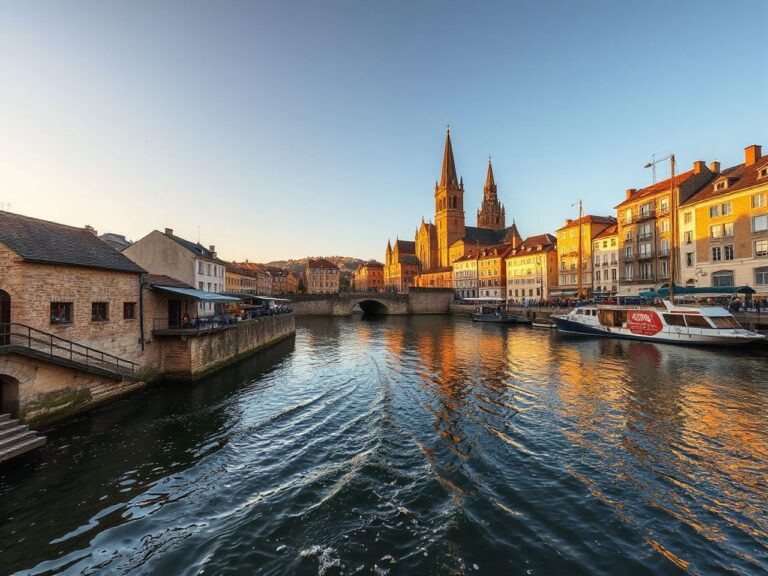
Neither format is automatically superior. A traveller who wants long evenings aboard, private relaxation, and extensive ship facilities may find a conventional luxury vessel more suitable. Someone who wants Bergen, Ålesund, smaller coastal stops, and a closer view of daily Norwegian life may prefer a coastal service even if the onboard setting is less elaborate.
A coastal voyage with frequent local port calls is not the same travel experience as a conventional luxury cruise with extensive onboard facilities. That distinction should shape the itinerary before the cabin category does.
What makes the experience feel luxurious
Luxury comes from fit rather than a label. A spacious cabin has little value if the itinerary leaves too little time to use it. A formal dining room may be irrelevant to someone who wants quick meals before a demanding hike. An attractive lounge does not compensate for an unsuitable route grade or a shore day that requires more walking than the booking page makes clear.
- Space: Check the cabin layout, storage, outdoor area, bathroom description, and location on the deck plan.
- Privacy: Look for how the ship handles shared spaces, dining reservations, shore organisation, and service requests.
- Time: Study arrival and departure windows rather than counting ports.
- Inclusions: Separate what is included from drinks, transfers, gratuities, specialty dining, and excursions.
- Route quality: Judge the actual fjords, port access, and time ashore instead of trusting promotional adjectives.
Cabin standards, dining models, excursion arrangements, and included services can differ sharply between operators using luxury branding. The booking page needs careful reading because the same polished language may describe very different journeys.
Hurtigruten, Havila Voyages, and international luxury lines
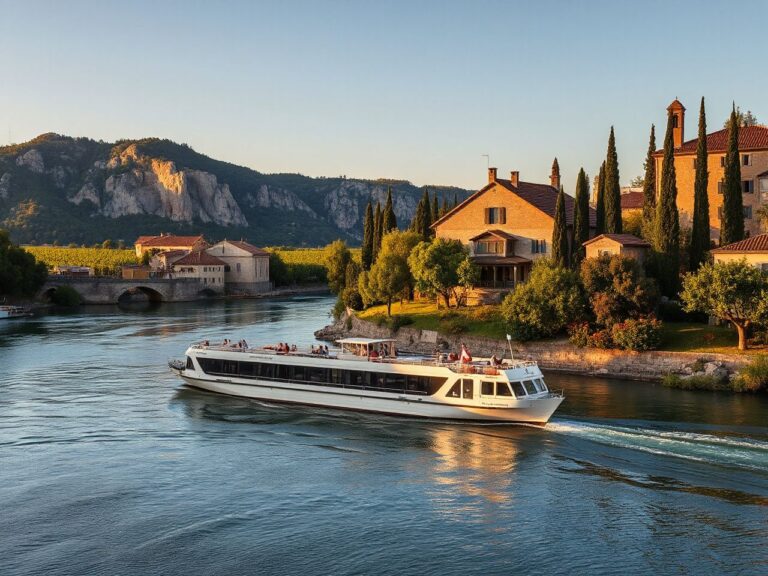
Hurtigruten and Havila Voyages are associated with the Norwegian coastal experience, where frequent port calls and working maritime connections matter. Their ships can put the coast in front of you in a direct, practical way. An international luxury line generally places more weight on onboard facilities, private service, and a cruise-centred daily rhythm.
That comparison should not be reduced to old versus new or simple versus grand. Ask what the ship is designed to do. A coastal vessel may provide a stronger sense of place because it follows a lived-in route, while a large international ship may give you more ways to spend a sea day without leaving the vessel.
The Norwegian Coastal Express can suit travellers who value regular local connections and changing coastal views. A conventional luxury ship can suit travellers who want the vessel itself to carry much of the holiday.
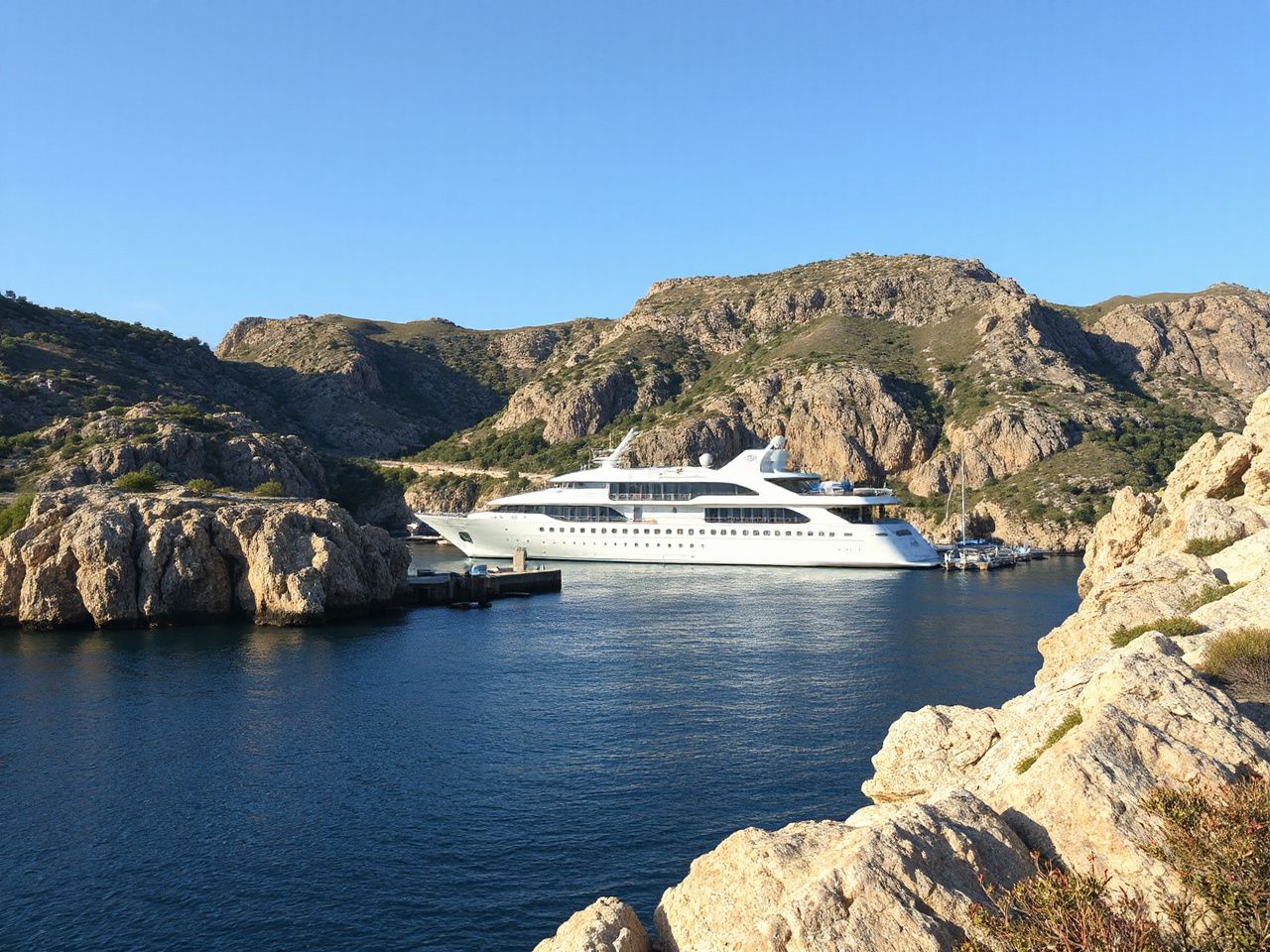
Choosing the Route, Season, and Fjord Experience
Start with the coastline you want to understand
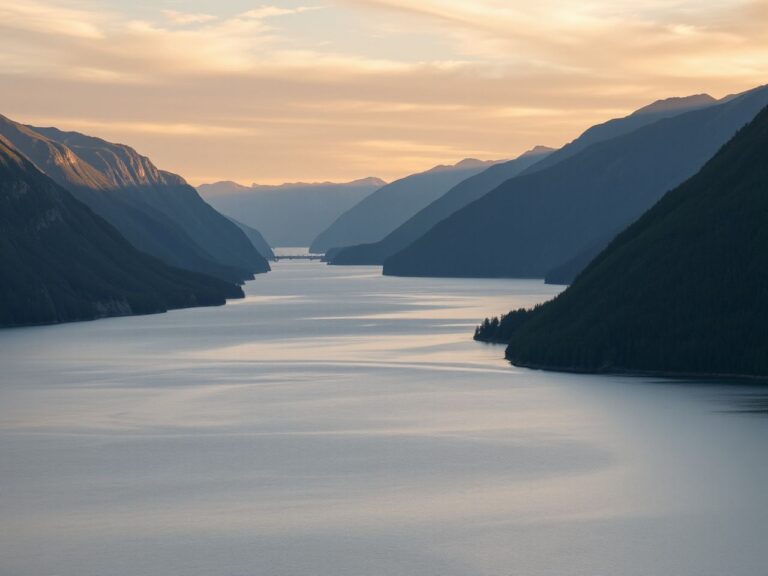
Norway is not one uniform scenic stretch. Bergen provides a useful gateway to western fjord country, while Ålesund offers a different coastal setting. Geirangerfjord and Sognefjord can provide very different impressions depending on the sailing direction, daylight, weather, and time available for shore activity.
The North Cape appeals to travellers seeking a far-northern coastal experience, but a route reaching that region should be assessed with extra care. Northern conditions, changing daylight, sea conditions, and port access can influence views and excursions. A marketing page may show clear skies; a responsible itinerary should explain what happens when the day does not cooperate.
Fjord landscapes are subject to environmental controls and local operating restrictions, so ships may alter routes, speeds, or time spent in sensitive areas. That possibility is part of the route, not evidence that the operator has failed.
Weather and changing port conditions
Bad weather can affect the view, the sea state, tender operations, excursion timing, and the order of port calls. Rough seas may make open decks less comfortable, while heavy conditions can change a shore programme. A port may also become less practical if a transfer, tender, or narrow landing is affected.
Ships are built with stability in mind. The relatively low centre of mass in modern cruise ships helps maintain stability, and large cruise ships are designed with increased metacentric height to improve initial stability. These design features do not promise a motionless ride, so passengers should still plan for changing conditions.
The International Maritime Organization publishes maritime safety information through its official maritime safety website. The United States Coast Guard also provides passenger-vessel safety information through its official maritime safety site.
Daylight matters more than brochure photography
Fjord views depend on light as well as landscape. Northern and shoulder-season waters can bring changing daylight, low cloud, rain, or wind. Those conditions may make the scenery more atmospheric, but they can also reduce visibility and affect outdoor plans.
Ask the operator how much of each day is spent in scenic waters, how late the ship remains near a key fjord, and what happens if the planned port is missed. A route that reaches a famous fjord at an inconvenient time may deliver less than a less famous route with better access and longer viewing time.
Excursion demands and port access
Shore excursions can range from short guided walks to demanding outdoor activities. The published label is not enough. Check the surface, gradients, stairs, transport changes, weather exposure, and distance between the landing point and the main attraction.
Accessibility also requires more than asking if a ship has accessible cabins. Port approaches, tenders, gangways, older coastal vessels, buses, uneven streets, and fjord excursions may present separate limits. Request the operator’s written accessibility details before departure, especially if you use mobility equipment or cannot manage long walks.

Cabins, Dining, Service, and the Real Fare
Read the cabin description like a route map
Luxury branding does not create a universal cabin standard. Compare the category name with the actual deck plan, view description, outdoor space, bathroom arrangement, and location. A private balcony may matter more than a larger shared lounge for someone who expects to watch fjords from the room.
Cabin position can also affect how the journey feels. A traveller sensitive to movement may want the operator to explain the location and expected conditions rather than relying on a generic category title. The ship’s design supports stability, but no cabin removes the possibility of motion at sea.
A cabin description should tell you what space and services are provided, not merely attach a prestige label to the room. If key details are absent, ask for them in writing before booking.
Dining and onboard service
Ask whether dining is assigned, reserved, open seating, or divided between included and specialty venues. Find out if room service, drinks, tasting events, and special menus follow separate charges. A dining room may look formal while the practical meal pattern remains casual, or the reverse.
Service also needs a clear definition. Does the fare include gratuities? Are transfers handled by the cruise operator? Are drinks available throughout the day or only with selected meals? Does the excursion team arrange independent shore time, or does every activity require a separate booking?
Included fares and additional charges should be listed side by side before you compare operators. A lower headline fare can become less useful if essential transfers, drinks, or shore plans are added later.
Extra charges to check
- Shore excursions: Confirm which tours are included, how cancellations work, and whether transport is part of the activity.
- Drinks: Ask which beverages are included at meals and which require a package or separate payment.
- Transfers: Check airport, rail, hotel, and port arrangements rather than assuming they are covered.
- Gratuities: Read the fare conditions for automatic charges and discretionary payments.
- Specialty dining: Confirm reservation rules and extra charges before treating a venue as part of the base experience.
- Independent plans: Leave enough margin for delays, especially when returning to the ship without an organised excursion.
Gambling areas on ships generally begin operating once vessels reach international waters, commonly twelve nautical miles from shore. Small arms carried by cruise ships are kept in a secure locker accessible only to the captain; passengers should not treat that fact as a reason to carry prohibited items or ignore the operator’s security instructions.
Formal and informal evenings
Clothing expectations differ by operator and itinerary. Pack layers for changing weather, practical footwear for wet or uneven ground, and clothing suitable for the stated evening dress guidance. Outdoor excursions need garments that can handle wind and rain, while a warmer layer remains useful on exposed decks.
Formalwear is only sensible if the ship actually schedules formal dining or evening events. A coastal voyage may feel more relaxed, while an international luxury line may place greater emphasis on dress standards. Read the daily programme and packing guidance rather than guessing from the word luxury.
Comparing Ship Travel with Rail, Car, and Coastal Ferry Routes
Ship versus train
A ship lets the scenery arrive at the cabin and can connect coastal places without repeated hotel changes. Rail travel gives a stronger view of inland landscapes and makes overland movement part of the experience. The Viking Norwegian Complete Guide for 2026 can help readers thinking about a broader Norway itinerary, especially if the cruise is only one segment of a longer trip.
Scenic rail travel between Oslo and Bergen has a different rhythm from a fjord voyage. A train exposes you to inland transitions and station-based access, while a ship offers a continuous coastal perspective. Neither format should be sold as a replacement for the other without checking the places you most want to reach.
Ship versus car
A car provides control over stops, luggage, and inland detours, but the driver must manage roads, parking, weather, and hotel changes. A cruise reduces those daily decisions while limiting spontaneous changes once the vessel has departed.
Travellers who want a tightly planned route may value the ship’s structure. Those who distrust inflated grades and vague access claims may prefer a car because they can inspect each road, trailhead, and town before committing to the next stop.
Ship versus coastal ferry
A Norwegian coastal ferry route focuses on transport and local connection. A luxury ship focuses more heavily on onboard hospitality and private leisure. Hurtigruten and Havila Voyages can therefore feel closer to coastal travel than to a resort at sea, even when the cabins and dining arrangements vary by sailing.
The right choice depends on the experience you want to repeat each day: waking near another working port, or spending more time using a ship designed around the onboard stay.
Planning Shore Time and Handling Disruption
Build a realistic day ashore
Start with the ship’s actual port time. Then subtract the time needed to disembark, meet a guide, reach the attraction, and return before departure. A short call can support a focused walk near the harbour, but it may not suit a distant excursion with several transfers.
- Read the port schedule: Record arrival, departure, docking method, and any stated transfer time.
- Check the surface: Look for pavement, gravel, steps, steep streets, boat landings, and weather exposure.
- Grade the activity honestly: Treat a vague “easy” label with caution until the walking and transport details are clear.
- Protect the return: Keep a margin for traffic, weather, crowds, and slower mobility needs.
- Plan a fallback: Identify a nearby museum, waterfront walk, or local café if the main tour is cancelled.
Bergen and Ålesund can work well for travellers who want a port town with independent options, while a remote fjord call may require more reliance on organised transport. Geirangerfjord and Sognefjord deserve attention, but the meaningful choice is the combination of view, access, and time ashore.
What happens when plans change
The operator may change the order of calls, reduce time in a sensitive fjord, cancel a tender, or replace an excursion when conditions become unsuitable. A ship may also remain at sea rather than enter a port that cannot be used safely. These changes can disappoint, but they are preferable to treating a fixed brochure route as more important than operating conditions.
Read the booking terms for missed ports and cancelled excursions. Compensation policies vary, and an alternative day aboard may replace the original plan. The practical response is to pack for more than one kind of day and avoid building the whole holiday around a single landing.
Accessibility and older vessels
Ask specific questions about boarding, gangways, lifts, tendering, cabin thresholds, bathroom access, excursion vehicles, and walking surfaces. Older coastal vessels may have different layouts from newer ships, and a port can be difficult even when the vessel itself is accessible.
Accessibility information should cover the full chain from cabin to shore attraction. A ship’s accessible room does not automatically make every tender, quay, bus, or fjord excursion accessible.
Booking Method: A Practical Decision Sequence
Step 1: Define the journey before the ship
Write down whether your priority is onboard privacy, coastal access, fjord scenery, local port calls, outdoor excursions, or a quiet hotel-like routine. Do not let a ship’s dining room decide the route for you.
Step 2: Mark the non-negotiable places
Choose the ports and landscapes that matter most, then check how long the itinerary stays near them. North Cape, Bergen, Ålesund, Geirangerfjord, and Sognefjord may all sound appealing, but a route cannot give equal depth to every stop.
Step 3: Match the season to your tolerance
Consider daylight, wind, rain, rough seas, and the possibility of altered port access. Northern and shoulder-season sailing can offer a distinctive atmosphere, but the route demands flexibility.
Step 4: Audit the fare
Create two columns: included and additional. Add excursions, drinks, transfers, gratuities, and specialty dining only after checking the operator’s exact terms. If a charge is unclear, treat it as unresolved rather than assuming it is included.
Step 5: Check the physical demands
Read every excursion description for distance, transport, steps, steep ground, boat transfers, and exposure. A traveller should choose a route grade based on the actual surface and access conditions, not on promotional confidence.
Step 6: Prepare for a changed day
Pack layers, rain protection, practical footwear, and suitable evening clothing. Keep a flexible plan for a cancelled tour, missed port, rough sea day, or reduced visibility.
For travellers comparing several forms of high-comfort travel, the guide to luxury ski resorts shows why location and activity demands should be judged separately from the quality of the accommodation. The same logic applies at sea.
Frequently Asked Questions
What is the difference between a traditional luxury cruise and a Norwegian coastal voyage?
A traditional luxury cruise makes the ship a major part of the holiday, with more emphasis on onboard space, privacy, dining, and hotel-style amenities. A Norwegian coastal voyage places greater emphasis on working ports, local connections, and changing scenery. Hurtigruten and Havila Voyages can suit travellers who want coastal access, while an international luxury line may suit those seeking a ship-centred stay.
Can weather change a Norwegian luxury cruise itinerary?
Yes. Weather, daylight, rough seas, tender conditions, and port access can affect fjord views, shore excursions, and the order or length of port calls. Ships may alter routes, speeds, or time in sensitive areas because fjord operations are subject to local restrictions. Pack for a changed day and read the booking terms for missed ports and cancelled excursions.
What extra costs should passengers check before booking?
Check shore excursions, drinks, transfers, gratuities, and specialty dining separately from the headline fare. Also review cancellation rules and the treatment of independent shore plans. A fare that includes a cabin and meals may still leave important parts of the journey outside the price, so ask for written clarification before payment.
How accessible are Norwegian cruise ports and fjord excursions?
Accessibility varies across the complete route. A ship may offer an accessible cabin while a tender, gangway, older coastal vessel, quay, bus, or excursion surface creates a separate barrier. Ask about boarding, lifts, thresholds, bathrooms, walking distance, steps, gradients, and transport changes. Written answers are more useful than a general statement that the ship is accessible.
Which fjords and ports are meaningful to include?
Bergen offers a strong starting point for western Norway, while Ålesund provides a different coastal setting. Geirangerfjord and Sognefjord are important scenic possibilities, and North Cape adds a far-northern dimension. The meaningful choice depends on time ashore, daylight, weather, access, and the kind of experience you want, not simply the number of famous names on the itinerary.
How should passengers compare a cruise with train, car, or ferry travel?
A ship combines accommodation and coastal movement, while a train gives more inland scenery and a car allows greater control over stops. A coastal ferry prioritises local transport and port connections rather than a resort-style onboard stay. Compare the daily rhythm, walking demands, flexibility, and places reached before comparing comfort labels. A mixed itinerary can provide a more complete view of Norway.
What should passengers pack?
Pack layers, rain protection, practical footwear, and clothing suitable for outdoor excursions and changing deck conditions. Add evening clothing that matches the operator’s stated dress guidance rather than assuming every luxury voyage is formal. A flexible kit matters because weather, daylight, and port conditions can change what is practical on a given day.
The strongest booking decision is the one that survives an ordinary change in conditions. Judge the ship by its space and service, judge the route by its surface and access, and judge the fare by what remains after the marketing language is removed.