Iceland And Norway Trip: What To Know Before You Go
Contents
Scrolling through adventure forums lately, there is a spike in riders eyeing a Nordic double-header — an Iceland and Norway trip tackled in one go. The appeal is obvious: volcanic moonscapes and deep fjords, all under the midnight sun. But most planning advice comes from backpackers and campervan travelers, not from sources experienced with riding motorcycles over F-roads and through rain that comes from every direction at once.
The moments that make the best stories are almost always the ones where something went wrong. Preparation doesn’t prevent adventure — it just gives you better options when it shows up. Hours of satellite maps will not prepare anyone for a first glacial river crossing in Iceland, because no screenshot explains how water that hits your boots at 4°C can rewire your entire nervous system in half a second. One crossing settles more questions about a combined iceland and norway trip than any itinerary template ever could.
Key Takeaways
- Timing an Iceland and Norway trip on a motorcycle means building your entire schedule around September weather windows in Iceland and July-August for Norway’s high passes.
- The single biggest oversight is underestimating river crossings — no amount of online forum reading substitutes for a lightweight bike, waterproof boots, and a local contact who knows current ford conditions.
- Combining both countries in one trip is logistically simpler than it looks if you use the Smyril Line ferry and treat the Faroe Islands as a reset stop, not just a transit point.
What the Guidebooks Won’t Tell You About Riding Both Countries
Most trip reports mash Iceland and Norway together like they’re neighboring states. They’re not. The climate, road surfaces, and riding rhythm feel fundamentally different. Iceland’s interior demands a dirt-focused, lightweight machine; Norway’s coastal roads reward a bike that can eat tarmac miles comfortably and still handle gravel detours. One middleweight adventure bike will cover both, which is how most riders solve it, and it does work — but the compromise gets made fresh every single day, in one direction or the other.
When planning a trip that spans these two countries, you’re effectively designing two separate adventures linked by a ferry ride. A solid world trip planning approach forces you to think about resupply points, visa limits (not an issue for Schengen, but timing constraints), and seasonal closures. That mindset serves a Nordic loop better than any country-specific guide.
Iceland’s F-Road Reality vs. Instagram
F-roads open — maybe — from mid-June. Realistically, the highland tracks worth committing to melt out by the last week of June. This past season, snow lingered on Fjallabaksleið Nyrðri until July 2. That leaves a narrow window before August brings heavier traffic and then September, when rental companies start pulling bikes south. By late August the F26 (Sprengisandur) is usually tedious rather than dangerous, because the glacial melt feeding those rivers has passed its summer peak and the fords have dropped. Two weeks earlier the same crossings can run over a cylinder head, and the difference is a warm fortnight on the icecap upstream rather than anything the rider can see from the bank.
Temperature swings: Expect 4°C to 14°C during riding hours, with wind that makes 10°C feel like minus something. Volcanic ash gets into everything — chain, air filter, even your sleeping bag if the tent zipper fails. Pack three pairs of goggles, not one.
Norway’s Fjord Roads: Grip, Rain, and Tunnel Fatigue
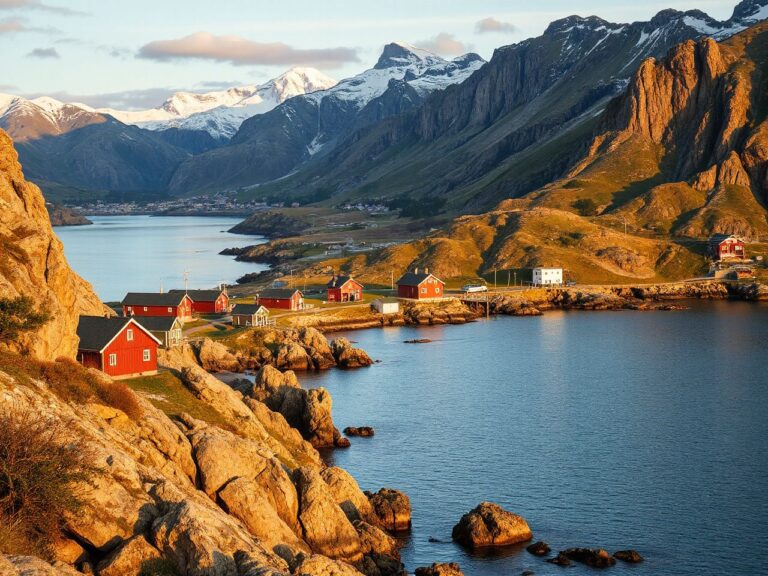
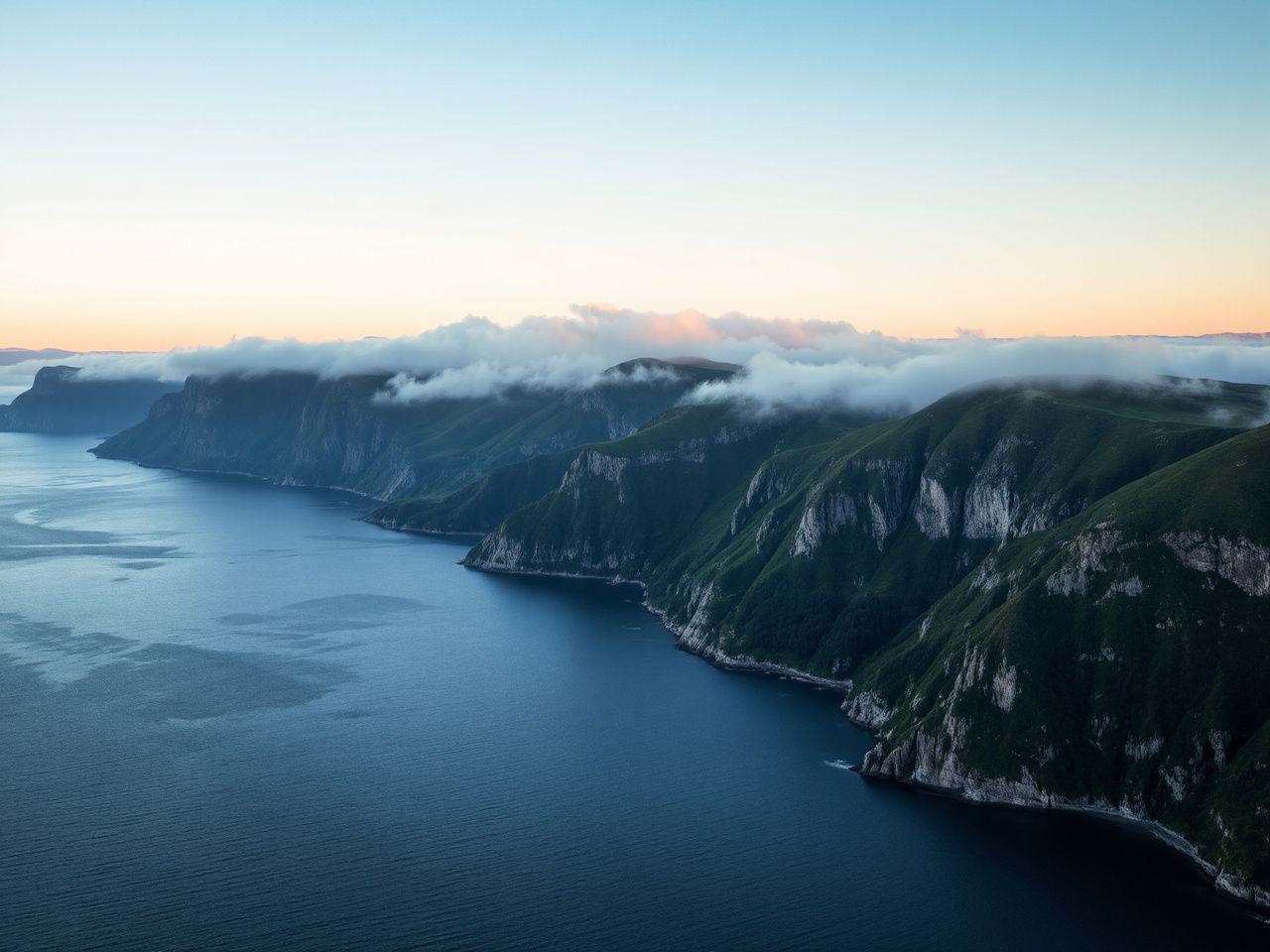
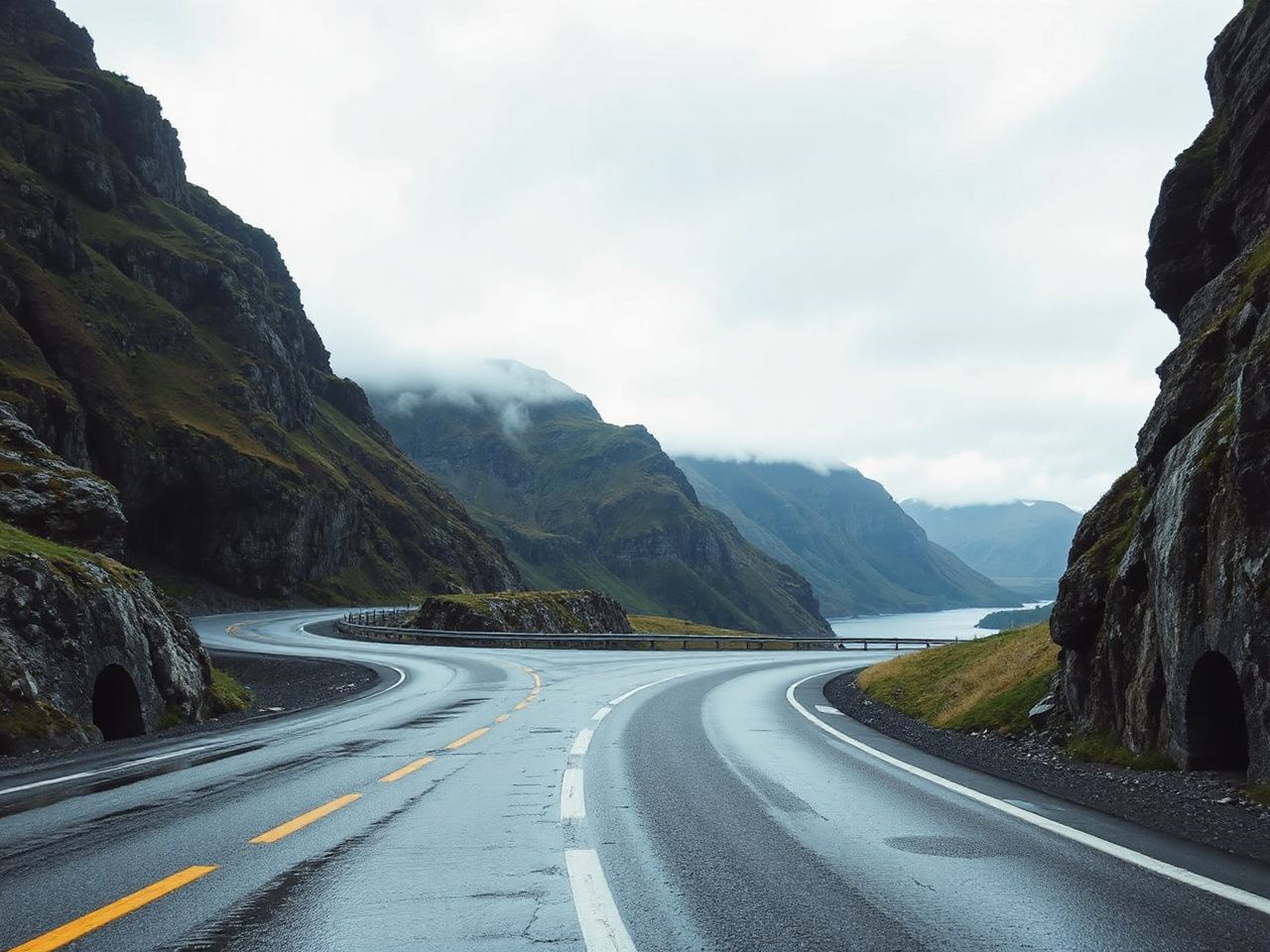
Norway showers you with scenery that feels engineered to make you stop every 15 minutes. But the riding pace drops dramatically compared to Iceland’s open interior. The famous Trollstigen and Geirangerfjord roads get packed midday, so starting early and finishing the highlight sections before tour buses clog the hairpins is advisable. Roadworks on the Rv63 have pushed more traffic onto smaller connecting roads, which works in a rider’s favor if you don’t mind one-lane tunnels.
Rain comes in horizontal sheets along the coast. From Bergen to Ålesund, average precipitation occurs on 4 out of 7 days even in “dry” July. Waterproofing isn’t optional — it’s the baseline condition for a Norway ride. A damp riding jacket at the end of a day matters less than how fast it dries overnight. Sweden offers a drier alternative if you’re willing to trade fjords for forests, but that’s a different kind of trip entirely.
The Ferry Link That Makes a Combined Trip Work
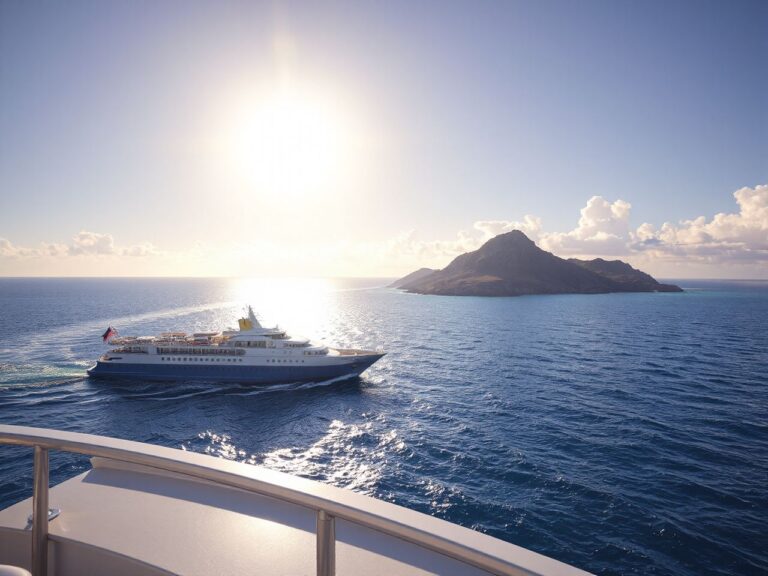
Without the Smyril Line ferry from Hirtshals (Denmark) to Seyðisfjörður (Iceland) via Tórshavn (Faroe Islands), an iceland and norway trip becomes a logistical headache involving flights and bike freight. The ferry timetable shapes everything else on the route: a sailing every week or so, depending on season, with a crossing that takes roughly 3 days total if you stop in the Faroes. Miss a sailing and the next one costs a full week of the trip. Book motorcycle spaces early — they fill faster than car slots because they’re fewer.
The Faroe Islands stop works best as a one-day reset. Tórshavn’s campsite sits a short ride from the harbor, and the tunnels connecting the islands now include the subsea Eysturoyartunnilin, which shortened the route to the northern islands dramatically. But be warned: Faroese weather laughs at forecasts. Fog comes off the Atlantic thick enough that the sheep on the verge become the only navigation reference, and it can do it on a morning the forecast called clear.
Synchronizing Seasons: Why September Matters
Start in Norway in July for the midnight sun and high mountain passes like Sognefjellet still open. Then take the ferry to Iceland in late August, arriving when the interior roads are passable but the light has started its slow tilt toward autumn. You’ll get fewer hours of daylight by September, but the angle of the sun paints the landscape in a way that makes midday riding far less harsh. Plan the loop so you finish with enough usable daylight to ride, set camp, and cook without a headlamp.
What to Pack (and What to Leave Behind)
This is not a full gear catalog. You don’t need it. The real question is what works across both Iceland’s dust and Norway’s perpetual damp. Synthetics over cotton, obviously. A repair kit that includes spare levers, zip ties, and JB Weld because Icelandic sharp lava will slice sidewalls. For Norway, extra gloves matter more than an extra jacket — wet hands lead to miserable miles.
If you’re doing any camping, last minute camping strategies become essential because you’ll frequently adjust stops based on how the day’s riding unfolded. A tent that pitches fly-first helps prevent the inner tent from filling with water in windy or drizzly conditions. Cooking on a multifuel stove that burns both petrol and white gas frees you from hunting for canisters.
Navigation Without Cell Service
Large swaths of Iceland’s highlands have no reception. Norway’s fjord walls block signals in deep valleys. Run a GPS unit with OpenStreetMap overlays and carry a paper map backup. Phone apps work until they don’t. When the battery drains faster in cold temperatures, shut off the phone and navigate by dead reckoning. Knowing how far a tank of fuel takes you becomes the most reliable tool you have.
The Riding Itself: Skill Requirements (No Hype)
Some write-ups paint Iceland’s F-roads as expert-only terrain. That’s inflated. A rider comfortable on loose gravel and shallow water crossings can handle most routes if they modulate speed and tire pressure. Lowering tire pressure gives a larger footprint that floats better on sand. But treat river crossings as non-negotiable skill checks — don’t tackle your first alone. In Norway, the challenge is vertical: 10% grades with tight switchbacks and wet pavement. Low-speed clutch control matters more than horsepower.
The reality behind the highlight reels is that a bike too heavy or with an angled line can stall in river crossings like Iceland’s Kaldakvísl. Even if the water isn’t deep, the current can push the rear wheel sideways and flood the engine. Draining the airbox is necessary before continuing the ride.
Budget Realities Nobody Admits
Norway is expensive in ways that surprise even experienced travelers. A basic campsite fee hovers around 250–350 NOK; fuel fluctuates but hit 22 NOK per liter in some coastal towns this summer. Iceland’s costs come from the ferry ticket and vehicle rental, if you’re not shipping your own bike. Food in both countries rewards supermarket shopping — Bónus in Iceland, Kiwi or Rema 1000 in Norway. Eating at restaurants twice a week is a treat, not a plan.
Build a daily budget that covers ferry amortization, fuel, campsites, food, and a buffer for unplanned repairs. The buffer matters, because repairs and weather delays are hard to predict. Cheaper days happen when you wild camp in Norway (legal in many areas under allemannsretten) or stay at simple mountain huts in Iceland, but budgeting conservatively prevents the mood-killer of financial stress mid-ride.
Connecting With Local Riders
Icelandic and Norwegian riders are the best source of current road intel. In Reykjavík, visiting the Bílar & Jeppar shop or chatting at the N1 station near the Highlands entrance gets you updates no website carries. In Norway, the NAF (Norwegian Automobile Federation) offers road alerts, but local Facebook groups for adventure riders detail which mountain roads have just opened and which have sheep herds crossing. Local posts in groups with a few hundred members can provide valuable, up-to-date information.
Frequently Asked Questions
Can you combine an Iceland and Norway trip in under three weeks?
Physically possible, but you’ll sacrifice depth. The ferry alone eats nearly a week if you include embarkation and the Faroe stop. Riding the highlights of both countries demands at least 21 days on the ground, not counting travel to the port. A rushed Iceland and Norway trip feels like a checklist, not an adventure. Four weeks minimum lets weather delays and spontaneous detours become part of the journey.
What’s the best motorcycle for riding both Iceland’s F-roads and Norway’s tarmac?
No bike excels at both without compromise. A middleweight adventure motorcycle (roughly 200–220 kg wet) with a 19-inch front wheel balances dirt capability and road comfort. Knobby tires that work in sand will wear faster on Norwegian asphalt, so consider shipping a second set to a storage location or accepting faster wear. Using a single set of 50/50 tires may require replacement before the ferry back, which adds cost but maintains safety margins.
How dangerous are Icelandic river crossings really?
They’re serious but not reckless if approached with the right technique and gear. Depth varies hourly with glacial melt, so no guidebook gives a fixed answer. Cross with a partner when possible, wear waterproof boots tall enough to keep water out during a stall, and know how to retrieve a submerged bike. Always check the exit bank for undercut edges before crossing.
Is it cheaper to rent a motorcycle locally or ship your own?
Shipping your own bike usually saves money over a three-week trip, especially if you’re attached to your setup. Rental costs in Iceland run high for properly equipped off-road machines, often 300+ EUR per day. Freight shipping from mainland Europe can work if you have time for sea freight and pickup logistics. For trips longer than two weeks, bringing your own bike usually wins on comfort and cost.