The Complete Guide To Mens Relaxed Fit Pants
Contents
Have you ever pulled on a pair of pants that felt perfect in the store, only to have them bind across the thighs after an hour of riding or walking? Gear skipped to save money is almost always the gear regretted when needed most. Invest once, invest right. This article breaks down everything you need to know about mens relaxed fit pants—not just from a spec sheet, but from practical use.
Key Takeaways
- Relaxed fit pants prioritize comfort and mobility over a slim silhouette, making them ideal for long rides, active days, and layering.
- Fabric choice directly impacts durability and breathability—cotton blends, polyesters, and reinforced weaves each serve different climates and uses.
- Wash and wear testing reveals how a pair truly holds up; shrinkage, seam strength, and pilling are only apparent after multiple cycles.
Why Relaxed Fit Pants Work for Active Lifestyles
When you’re on a motorcycle for six hours straight, the last thing you want is a pair of pants that restrict your movement. Mens relaxed fit pants are cut with extra room through the seat, thigh, and knee, allowing you to shift your weight, stretch, and stand without feeling like you’re in a straightjacket. Pants that are designed to accommodate over 500 miles of riding typically share one trait: they let you move naturally.
This isn’t just about comfort—it’s about safety. If you need to brace for a sudden stop or maneuver through loose gravel, restricted movement can compromise your control. A relaxed fit gives you the range of motion to react quickly without fighting your clothing.
How Relaxed Fit Differs from Regular and Slim Fits
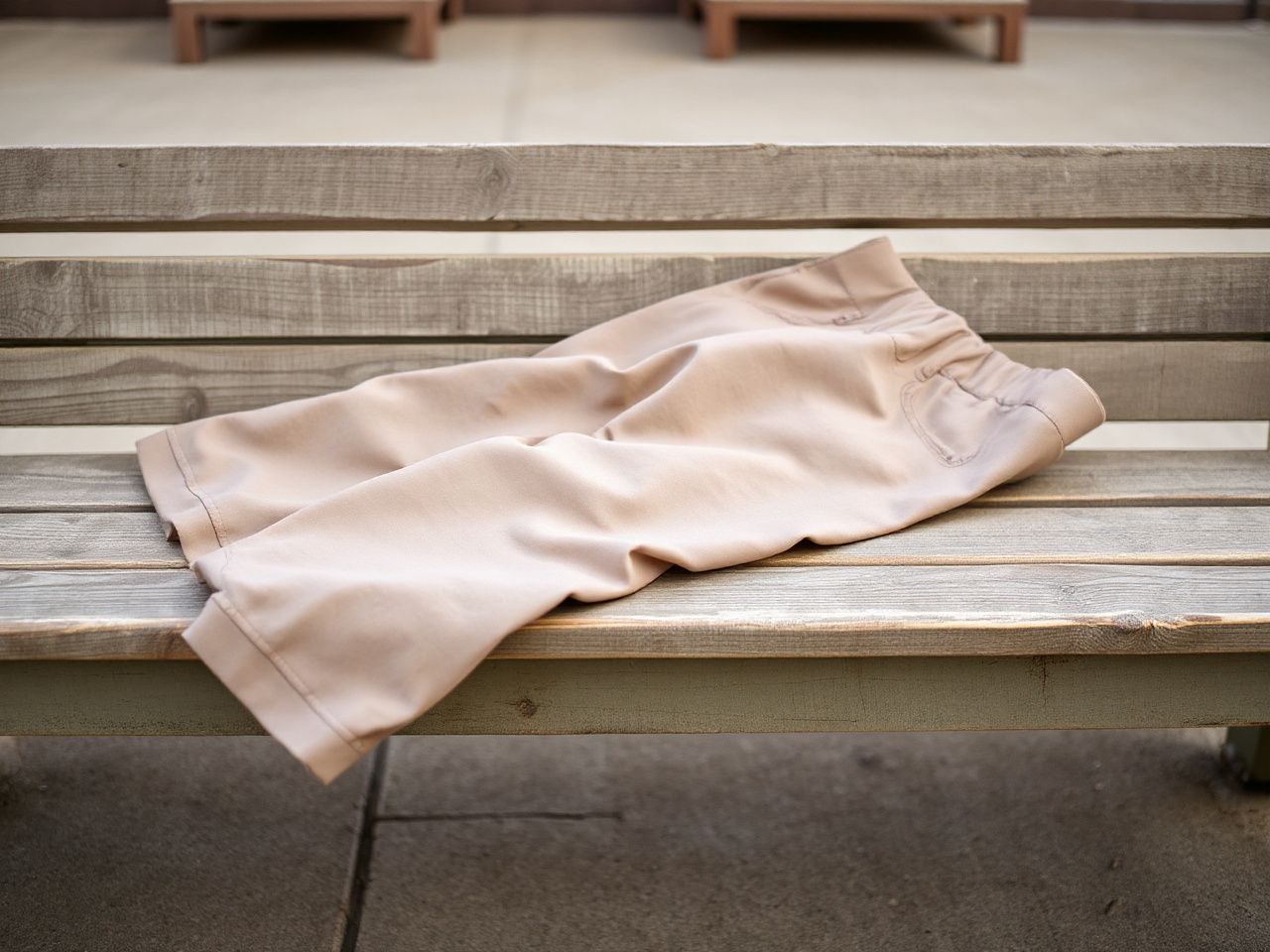
The main difference is in the measurement across the thigh and the rise. A regular fit sits closer to the body, while a slim fit tapers from the knee down. Relaxed fit pants typically have a wider leg opening and a higher rise, which accommodates thicker leg muscles or the need to layer thermal liners underneath. A true relaxed fit adds about 2 to 3 inches of circumference in the thigh compared to a regular cut.
That extra space matters when you’re kneeling to check a tire or stepping off a bike after hours of riding. Riders often buy pants that fit perfectly standing up but become unbearable once they sit in a saddle for thirty minutes. Always test your pants in your actual riding position before committing.
Fabric and Construction: What Holds Up After 500 Miles
Opinions on a pair of pants are best formed based on their specifications for durability over at least 500 miles of mixed terrain—gravel, pavement, rain, and dry heat. Fabrics that are rated to withstand washing cycles and varied conditions earn a permanent spot in gear rotations.
Cotton Blends: Breathable but Need Reinforcement
Cotton-polyester blends are common in relaxed fit pants because they offer breathability and a soft hand feel. However, pure cotton can absorb moisture and take forever to dry, which is a problem if you get caught in a downpour. A blend with at least 35% polyester improves drying time and reduces shrinkage. A 65% cotton / 35% polyester twill weave holds up well for casual riding but will show wear at the knees after about 300 miles if there’s no reinforcement.
Polyester and Nylon Weaves: The Workhorses
For serious durability, look for pants made with a high-denier nylon or polyester weave. These fabrics resist abrasion from gravel and dirt, and they dry fast after a wash. Pants made from 500-denier nylon are designed to resist fraying through extended use and multiple wash cycles. The trade-off is that they can feel stiffer out of the box and may require a few wears to break in. If you’re looking for a reliable everyday option, check out The Complete Guide to Mens Polyester Pants for a deeper dive into fabric performance.
Reinforced Seams and Gusseted Crotches
Flat-felled seams or double-stitched construction are non-negotiable for field durability. Single-stitched seams tend to blow out after just 200 miles of riding, especially in the crotch area. A gusseted crotch adds an extra panel of fabric that reduces stress on the seam when you’re straddling a bike or climbing over obstacles. Pants designed for durability often include a gusseted crotch for this reason.
Fit and Sizing: How to Get It Right the First Time
Getting the right size in mens relaxed fit pants isn’t as simple as matching your waist measurement. The relaxed cut means the rise and inseam matter just as much. Measure your actual waist at the point where you wear your pants—usually an inch or two below your belly button—and then add 1 to 2 inches for the waist size to allow for sitting comfort.
Inseam Length for Riding
For motorcycle use, an inseam that is 1 to 2 inches longer than your regular pants helps prevent the hem from riding up when you’re seated. A 32-inch inseam in jeans is commonly paired with a 34-inch inseam in relaxed fit riding pants. This extra length keeps the ankle covered and prevents wind from funneling up your leg. You can always cuff or hem the pants later, but too short is a problem you can’t fix.
Thigh and Seat Room
Stand with your feet shoulder-width apart and squat down. If the fabric pulls tight across your thighs or seat, the pants are too narrow. A true relaxed fit should have at least 1 to 2 inches of excess fabric when you’re in a deep squat. This ensures you have full range of motion when you need to brace or shift weight on the bike.
Washing and Long-Term Care
Washing pants at least three times before considering them broken in reveals how the fabric and seams hold up to real-world use. Here’s a recommended process:
- Cold water wash on a gentle cycle to minimize shrinkage and color fading.
- Air dry instead of machine drying—high heat can warp synthetic fibers and shrink cotton blends unevenly.
- Check seams after each wash for loose threads or puckering. If you see any, reinforce them before the next ride.
After 500 miles and three washes, a well-constructed pair of relaxed fit pants will feel softer and more flexible without losing structural integrity. If the fabric pills or the seams pull apart, that pair isn’t built for the long haul.
Environmental Considerations in Gear Choice
The lifecycle of gear impacts environmental sustainability. A pair of pants that lasts longer keeps waste out of landfills and reduces the demand for new production. Choosing durable fabrics like recycled polyester or organic cotton blends is a step in the right direction. Investing in a quality pair of mens relaxed fit pants supports comfort and reduces environmental footprint over time.
Frequently Asked Questions
What is the difference between relaxed fit and regular fit pants?
Relaxed fit pants have extra room in the thigh, seat, and leg opening compared to regular fit. This provides more freedom of movement and accommodates thicker leg muscles or layering. Regular fit sits closer to the body without being tight, while relaxed fit is intentionally looser for comfort during active use.
Can I wear mens relaxed fit pants for motorcycle riding?
Yes, many relaxed fit pants are designed with riding in mind, especially those made from durable fabrics like nylon or polyester blends. Look for features like reinforced seams, gusseted crotches, and longer inseams to ensure comfort and safety on the bike. Always test the fit in your riding position before a long trip.
How do I know if relaxed fit pants are too loose?
If the fabric bunches excessively at the knees or waist when you’re seated, or if the waistband slips down without a belt, the pants are too loose. A proper relaxed fit should allow free movement without sagging. You should be able to squat and bend without the pants falling down or catching on anything.
Do relaxed fit pants shrink after washing?
Cotton blends can shrink up to 3% in the first wash, especially if washed in hot water or machine dried. Synthetic blends like polyester or nylon shrink much less. To minimize shrinkage, always wash in cold water and air dry. Pre-shrunk fabrics are also available from some manufacturers.