State Parks in Minnesota for Camping: What Nobody Tells You
Contents
The most common planning mistake is choosing the prettiest park first and figuring out the campsite later. That order is backwards. When you plan camping in Minnesota’s state parks, the real fork is geography versus site type, and getting that wrong is how people end up hauling a tent to a cliffside site with no shade or booking a powered loop when they wanted quiet.
A North Shore park like Tettegouche is scenery-first, but its rugged, limited-electric sites reward tent campers who travel light. A park like Bear Head Lake gives you flat, powered, family-friendly loops instead. Same state, completely different trip. Decide how you want to sleep before you fall in love with a photo.
Key Takeaways
- Match the site type to your gear first, then pick the park — scenery-first North Shore parks and flat powered family loops suit very different campers.
- Reservations open on a rolling 120-day window through the state system, and popular summer weekends fill months ahead.
- A vehicle permit is required on top of the camping fee, and you cannot bring firewood from home because of pest quarantines.
Start With Site Type, Not the Postcard
The Minnesota Department of Natural Resources (DNR) runs more than five dozen state parks and recreation areas, and they are not interchangeable. Some carry hundreds of sites with electric hookups. Others offer only backpack or cart-in sites reachable on foot. That single difference decides whether your car is ten steps away or a half-mile hike.
Drive-in, backpack, cart-in, and camper cabin
Understanding the four main site types saves you from a bad surprise at check-in. Here is the plain version:
- Drive-in sites let you park at your spot. Best for car campers, families, and anyone bringing coolers or a trailer.
- Backpack sites require hiking your gear in, sometimes a mile or more. Quiet, remote, and the wrong call if you overpack.
- Cart-in sites sit a short walk from a parking area, and many parks provide wheeled carts to move your load.
- Camper Cabins are the DNR’s rustic shelters — four walls, a roof, bunks, and usually no plumbing. They turn a rained-out weekend into a comfortable one.
A slow-travel packing philosophy leans hard toward cart-in and backpack sites. Less stuff means less to manage, and the walk in becomes the moment the trip actually starts. For riders and minimalists, a Camper Cabin also removes the tent from the equation entirely, which matters when you are packing everything into panniers.
Electric hookups versus rustic tent-only loops
Electric hookups are the dividing line between a car-camping trip and a lightweight one. Powered sites at parks like Bear Head Lake and Sibley suit trailers, CPAP machines, and families who want to charge phones and run a fan. Rustic tent loops trade all of that for quiet and a lower fee.
If you are unsure how those fees stack up before you commit, this breakdown of state park camping fees for 2026 lays out what the nightly numbers actually include so you can compare parks on the same footing.
The Booking Window Nobody Plans For Until It Is Too Late
Two assumptions sink more Minnesota trips than bad weather. The first is that you can decide the week before. The second is that the campsite fee covers everything. Both fail during peak summer, and both are easy to fix once you know they exist.
How far ahead you actually need to book
Minnesota state park reservations open on a rolling 120-day window, booked through the state system at ReserveMN.usedirect.com. That means a site for a July long weekend becomes available roughly four months earlier, and the good North Shore spots vanish within minutes of opening. Popular parks fill months out for summer Saturdays.
Slow travel does not mean unplanned travel. Mark the 120-day date on a calendar, be online when the window opens, and you get your pick. Show up expecting to grab something the same week and you are relying on cancellations. The Minnesota DNR publishes current reservation rules and park-by-park availability on its state parks and trails pages, which is the only source that stays current as policies change.
The vehicle permit is separate — and required
A Minnesota State Park Vehicle Permit is required for every vehicle entering a state park, on top of any camping fee you have already paid. A daily permit costs a few dollars; an annual permit pays for itself in roughly four to five visits. Beginners assume the campsite reservation covers entry. It does not.
The annual pass math is the same logic that makes multi-visit passes worth it in other states — this look at the Oregon state parks annual pass walks through the break-even point, and Minnesota’s works the same way if you plan more than a few trips a season.
Matching the Right Park to the Right Camper
The best trip is the one that fits your experience level and your gear, not the one with the most famous waterfall. Here is how the parks sort out in practice.
Best parks for a first-time or beginner camper
Beginners want flat sites, nearby restrooms, water, and staff on hand. Bear Head Lake and Sibley State Park deliver exactly that with powered loops and gentle terrain. These parks forgive the mistakes everyone makes on a first outing — forgotten gear, a fussy tent, a late arrival.
Gooseberry Falls State Park is another kind entry point to the North Shore because the falls are a short walk from the parking area and the campground is well serviced. You get the drama of Lake Superior without committing to a remote backpack site on night one.
Scenery-first parks for campers who travel light
Tettegouche State Park is the classic scenery-first choice: high cliffs, inland lakes, and access to the Superior Hiking Trail. Its sites suit tent campers and light packers more than big rigs, precisely because electric hookups are limited and the terrain is rugged. Split Rock Lighthouse State Park pairs cart-in sites with one of the most photographed landmarks on the lake.
Itasca State Park sits in a category of its own as the park where the Mississippi River begins. It is large, well equipped, and works for almost any camper, which is why it stays busy from spring through fall color season.
Parks near the Twin Cities without a long drive
Not every trip needs a four-hour haul north. Several parks within an hour or so of the metro give you a Friday-night arrival without burning half the weekend on the road. That short-drive option is the quiet secret of sustainable, frequent camping — the trips you actually take are the close ones you can leave for after work.
Prairie and off-season options
Blue Mound State Park in the southwest corner swaps forest for tallgrass prairie, bison, and Sioux quartzite cliffs. It is a reminder that Minnesota camping is not only the North Shore. For a wilder alternative once you have the basics down, the Boundary Waters Canoe Area Wilderness and the surrounding national forests offer paddle-in camping that the state parks intentionally do not.
Staying Healthy and Unhurried on a Longer Stay
The best moments on any trip happen when you stop rushing, and rushing is usually a symptom of poor timing. Get the season and the small health details right and the whole stay slows down on its own.
When to go, and when the bugs win
Timing is the single biggest lever on comfort. Blackfly and mosquito season peaks from late spring into early summer, when the bugs can genuinely end a trip early. Late summer and the fall color weeks along the North Shore are the sweet spot — cooler nights, fewer insects, and the leaves turning.
Ticks are the health detail people underestimate. Ticks capable of carrying Lyme disease are active spring through fall in Minnesota, so daily tick checks and treated clothing matter more than any gadget. The CDC’s guidance on tick bite prevention is the plain, current reference for what actually reduces risk, and it is worth reading once before your first northern trip.
Campfires and the firewood rule
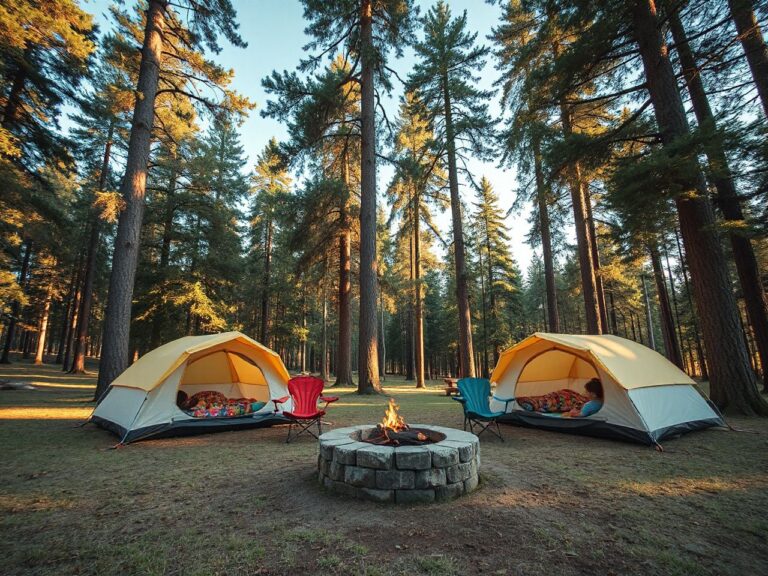
Yes, you can have a campfire in the designated ring at your site during normal conditions. The catch is where the wood comes from. Because of the pest quarantines, the wood in your garage is a liability, not a convenience — buy it near the park or on-site.
This is also basic Leave No Trace practice. Keeping firewood local protects the ash trees that make these forests what they are, and it costs you almost nothing to comply.
Bears, ticks, and northern wildlife
Black bears live across northern Minnesota, and the entire problem is food storage. Keep food, trash, and scented items in your vehicle or a hard-sided container, never in your tent. A clean site is the whole strategy; there is no product that substitutes for not sleeping next to your dinner.
For a sense of how these habits carry over to wilder, less-managed ground, this guide to dispersed camping spots in Washington State covers the same food-storage and Leave No Trace discipline in a setting with no ranger and no marked sites.
Rules, Refunds, and Winter Sites
A few practical policies decide how smooth the edges of a trip feel. Knowing them ahead of time is the difference between a relaxed arrival and a scramble.
Quiet hours and pets
Minnesota state parks enforce quiet hours, generally from 10 p.m. to 8 a.m., and that rule is what keeps a full campground restful. Pets are welcome in most campgrounds but must be leashed — typically a leash no longer than six feet — and are kept out of buildings and swimming beaches. Clean up after them and the welcome stays.
Winter and year-round camping
Camping does not stop when the snow falls. A number of parks keep sites open year-round, and Camper Cabins become genuinely appealing in winter when a heated shelter beats a tent. Fewer people, quiet trails, and a completely different landscape are the reward for the extra layers.
Refunds and changing your plans
Plans fall through, and the reservation system allows changes and cancellations for a fee, with the specifics tied to how close you are to your arrival date. Cancel well ahead and you lose only a small service charge; cancel last-minute and you forfeit more. The same national-park camping habits apply on federal land too, and the National Park Service reservation guidance is a useful comparison if your trip crosses between state and federal ground.
Slow travel gives you an edge here: booking early and building in flexible days means a cancellation is a minor adjustment, not a lost deposit. The less you rush the plan, the less any single change costs you.
Frequently Asked Questions
How far ahead do I need to book camping in Minnesota’s state parks?
Reservations open on a rolling 120-day window through ReserveMN.usedirect.com, meaning a site becomes bookable about four months before your arrival date. For popular North Shore parks like Tettegouche and Split Rock, summer weekends can fill within minutes of the window opening, so mark the date and book the moment it does. Weekday and off-season sites are far easier to get closer in.
Do I really need a vehicle permit on top of the camping fee?
Yes. A Minnesota State Park Vehicle Permit is required for every vehicle entering a state park, and it is completely separate from your campsite reservation. A daily permit runs a few dollars, while an annual permit typically pays for itself in about four or five visits. If you plan more than a handful of trips a season, buy the annual pass before your first outing.
Why can’t I bring my own firewood, and where do I get it?
Emerald ash borer and gypsy moth quarantines restrict moving firewood across county lines, because transported wood spreads tree-killing pests. Buy certified, quarantine-compliant firewood on-site or from an approved vendor near the park instead of hauling your own. It is a small cost that protects the ash and hardwood forests these parks depend on, and it keeps you within the DNR’s rules.