Base Jumping Death Rate: The Complete Guide to Risk
Contents
The Base Fatality List archives reports from jumpers who walked away from loaded exits. The real differentiator between a safe jumper and a dead one is how they plan the first three seconds after exit—especially the decision to deploy at the right altitude relative to the object. The death rate for BASE jumping isn’t a single number; it’s a function of object type and discipline, and that’s what the incident data sorts out. Yet ask ten people about the numbers and you’ll get eleven answers. That’s because no official fatality registry exists. Every statistic is an estimate, cobbled together from coroner reports, eyewitness accounts, and the quiet, meticulous work of the BASE community itself.
Key Takeaways
- The estimated overall fatality rate is about 1 death per 2,317 jumps, though the risk per participant is far higher—many jumpers make dozens of jumps a year.
- Object type matters enormously. Cliff (Earth) jumps carry a much higher death rate than bridge (Span) jumps, partly because of complex exit points and unpredictable airflows.
- Wingsuit BASE jumps multiply the danger. Higher forward speed reduces the time to clear terrain and makes off-heading openings more deadly.
- One in two fatal accidents happens within the jumper’s first 50 exits from a new site. Site-specific experience is not just helpful—it’s lifesaving.
No Official Registry, Only Estimates
The Base Fatality List—maintained privately since 1981—is the closest thing to a central record. It documents over 400 deaths through early 2026. That might sound like a small number until you grasp the tiny size of the participant pool. Maybe a few thousand people worldwide jump actively. So while the per-jump fatality figure hovers around 1 in 2,300, the per-capita risk is sky-high. A jumper who makes 200 exits in a year is rolling the dice far more often than a skydiver logging the same number of deployments at 12,000 feet.
I constantly hear the same question from riders and climbers I meet on the trail: “So is BASE jumping really that much more dangerous than skydiving?” Yes. The numbers are stark. Skydiving in the US sits at roughly 1 fatality per 100,000 jumps. That means BASE jumping is, at minimum, 40 times riskier per jump. And that’s the conservative estimate, because many non-fatal BASE injuries go unreported. Skydiving has the USPA, mandatory gear checks, reserve parachutes, and a minimum deployment altitude. BASE jumping has none of that oversight. You are the pilot, rigger, and weather forecaster rolled into one.
The picture gets fuzzier when people try to pin down annual death counts. In recent years, the global tally tends to land between 15 and 22 fatalities annually, though outlier years spike higher. The 2015 “killing season” saw 28 deaths, and the summer of 2016 took nearly as many, particularly among wingsuit pilots in the Alps. By contrast, 2019 and 2021 dropped back into the mid-teens. The numbers don’t drop because the activity gets inherently safer. They drop because fewer people jump during certain periods, or because a tragic cluster scares off newcomers.

How Object Type Reshapes the Death Rate
BASE—Building, Antenna, Span, Earth—is an acronym, not a monolith. The numbers differ wildly across those four letters. Spans (bridges) like Perrine Bridge in Twin Falls, Idaho, offer the widest margin for error. You exit above a deep river gorge with clear air below you, altitude to deploy, and often a legal exemption that lets you jump without looking over your shoulder. The death rate for Perrine Bridge specifically, despite being arguably the busiest BASE object in the world, is astonishingly low—less than one fatality per many tens of thousands of jumps. The bridge is 486 feet above the Snake River, and jumpers have time to sort out minor malfunctions.
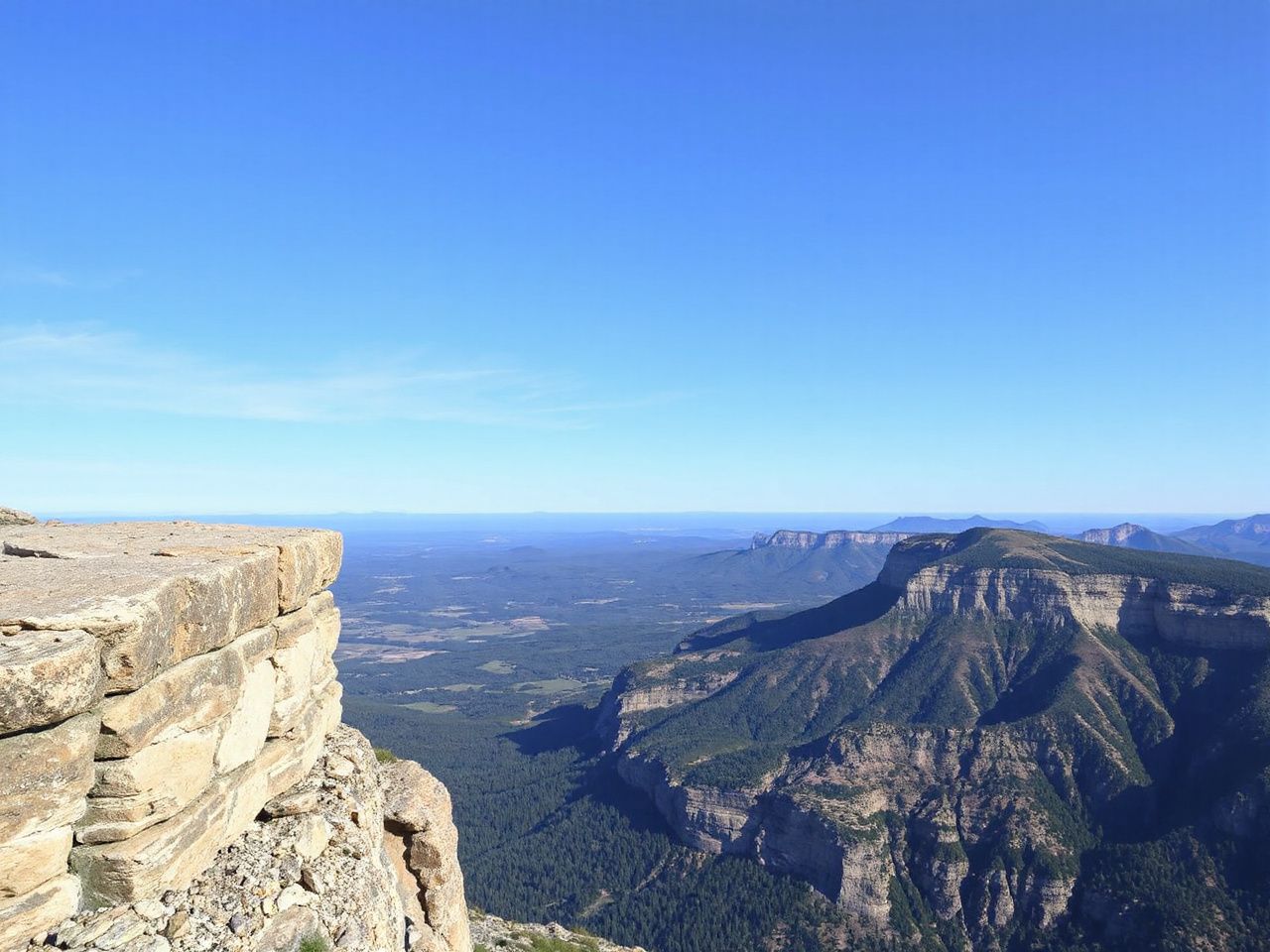
Now compare that to Earth exits. A cliff jump at Half Dome in Yosemite or Trollveggen in Norway is an entirely different animal. There is no open void beneath you; the rock face falls away at an angle, and the wind can curl, spiral, or slam straight down. The object is right there, ready to meet you if your canopy opens off-heading. Data from the Base Fatality List indicates that Earth jumps account for the plurality of fatalities. Hitting the object—not a gear failure, but the jumper simply striking the cliff, antenna, or building—is among the three most common fatal causes. When you combine that with the low altitude of many buildings and antennas, the escape window narrows to almost nothing. A 300-foot antenna gives you about three seconds from start to finish. There is no second chance.
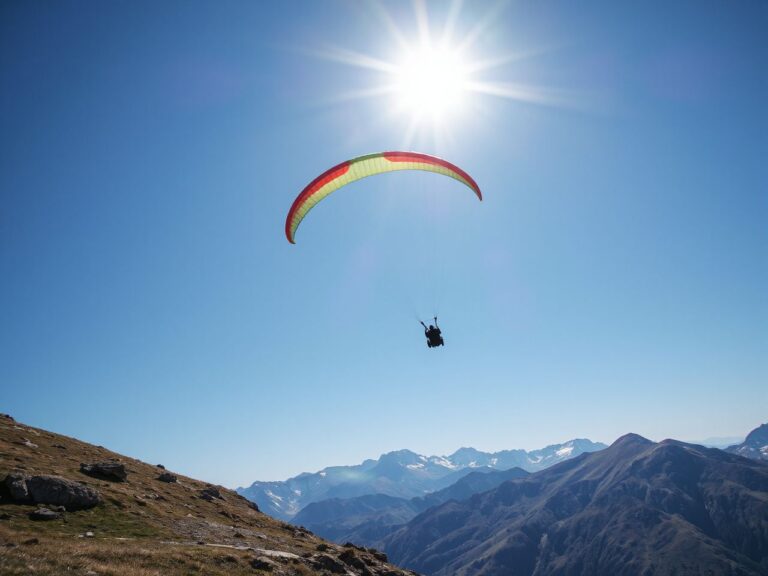
Wingsuit BASE jumps distort the statistics further. The forward speed of a modern wingsuit from a manufacturer like Squirrel means a jumper can cover 1,500 feet horizontally while descending only 800 feet vertically. That’s enough to fly away from the object, but it also means that a momentary distraction, a slight misjudgment of the wind gradient, or a canopy that snivels for half a second longer than expected results in impact at speed. Data from the mid-2010s wingsuit boom shows a fatality rate roughly double that of non-wingsuit BASE. Many of those deaths were highly experienced jumpers—people with thousands of skydives and hundreds of BASE jumps—pushing proximity lines in the Alps and the fjords.
A self-contained statement that belongs in every risk assessment: “The most lethal object type for inexperienced BASE jumpers is the earth exit, because the cliff face creates aerodynamic distortions that even seasoned mentors cannot fully predict.” That’s why the standard mentorship progression moves from spans to buildings to antennas, and only then—after a hundred or more jumps—to cliffs.

Why Skydiving Experience Alone Doesn’t Protect You
Walk into any dropzone and you’ll meet skydivers who assume they can transition to BASE jumping seamlessly. The data doesn’t support that. Does having a lot of skydiving experience lower your BASE jumping risk? Only partially, and sometimes it creates a dangerous overconfidence. Skydiving teaches canopy control, but it does not teach the extremely short delays, the off-heading correction in half a second, or the object-avoidance panic that hits when you see the building rushing up at you. The Base Fatality List is littered with the names of expert skydivers who died on their first or second BASE attempt.
A better readiness marker is mentorship. In the organizations like BASEEurope and informal networks around Twin Falls, the culture has shifted toward requiring a formal First Jump Course and a minimum of 200 skydives before anyone straps on a BASE rig. That prerequisite doesn’t guarantee safety, but the incident data from the last decade suggests that jumpers who complete a structured mentorship program—and who stick to span jumps for their first year—survive at far higher rates. The difference isn’t subtle. The per-jump death rate for supervised span jumps at Perrine Bridge is vanishingly small compared to the rate for unsupervised cliff jumps.
Many people also ask whether you can BASE jump without skydiving at all. The answer is yes, but it’s a terrible idea. Canopy flight requires muscle memory that only dozens of jumps can build. You need to feel a stall, recover from a diving turn, and land accurately without thinking. In BASE, your landing area might be a rocky ledge or a narrow strip of sand. If you haven’t put in the skydives, you’re gambling with incomplete skills.
Gear Failures: Rare but Catastrophic
Modern BASE gear from manufacturers like Squirrel, Momentum, and Apex is extraordinarily reliable when maintained correctly. The canopies—often seven-cell designs with shallow trim—are purpose-built for low-speed, low-altitude deployments. But failures still kill. The most common mechanical culprit isn’t a total canopy blowup; it’s a pilot chute hesitation. The small spring-less pilot chute gets caught in the jumper’s burble—the low-pressure pocket behind a falling body—and can’t find clean air. That delay of even one second on a 400-foot object can be fatal.
Another documented failure mode: line twists that turn a canopy into a spinning mess. Without a reserve parachute, the jumper has seconds to kick out of the twists or ride it into the object. On an exit from a cliff like Trollveggen, where the wall slopes away and the air tumbles, a line twist at the wrong moment leaves no room for recovery. The gear itself is not defective; it’s a system operating at the edge of its performance envelope. A self-contained statement worth quoting: “A BASE canopy must inflate and begin flying in roughly 2 to 3 seconds after the pilot chute is thrown—a timing window that leaves no room for hesitation or malfunction.”
The Most Common Mistake That Leads to a Fatal Jump
After analyzing hundreds of incidents, I’d pin it on this: failing to adapt the deployment plan to the object’s altitude and flight path. Plenty of jumpers use a standard delay—say, 4 seconds off a 400-foot building—because that’s what worked for them on a 486-foot bridge. But buildings often have a higher ground level immediately below. That one-second miscalculation means the canopy hasn’t fully inflated when the jumper reaches impact height. The Base Fatality List confirms that a large share of fatalities happen on jumps where the jumper simply deployed too late for the exit altitude.
Weather and wind shear are wildly underestimated. Jumpers leaving a cliff edge in what looks like a light breeze can hit a katabatic wind rolling down the face that pushes them straight into the rock. Smart risk assessment involves sitting at an exit point for an hour, watching the flags, the clouds, the way the leaves move three hundred feet below. Aborting more jumps than are made is a common practice. That mindset—walk away and jump another day—cuts the death rate more effectively than any piece of gear.
There’s a psychological component too. Extreme sports share a peculiar risk calculus: the more you succeed, the more your brain normalizes the danger. After fifty clean exits, a jumper stops feeling the fear. That’s when small deviations creep in. If you’re looking for a slightly tamer way to feed the adrenaline hunger while staying closer to the ground, activities like bungee jumping in Atlanta offer a controlled environment that still delivers the freefall sensation. Many BASE jumpers I know came from bungee backgrounds precisely because it taught them body control without the lethal consequences.
Locations That Shape the Risk Profile
Some objects appear in the accident reports repeatedly. Half Dome in Yosemite National Park is illegal to jump but still draws thrill seekers; its rounded, sloping face creates unpredictable rotor winds. Trollveggen in Norway, with a vertical drop of over 1,000 meters, is arguably the most mythologized cliff in BASE history—and it has claimed many of the sport’s most talented pilots. Both places share a common thread: the terrain and airflow are unlike anything a jumper can simulate in training. Site-specific reconnaissance is the only defense, and even that fails sometimes.
In contrast, Twin Falls, Idaho, centered on Perrine Bridge, has become the de facto world capital of safe BASE jumping. The bridge is open, legal, and forgiving. It’s where most mentorship programs are based. Jumpers who cut their teeth there and progress slowly to more technical objects have a markedly lower long-term fatality risk. That isn’t speculation; the aggregated data from the Base Fatality List shows that jumpers who start on spans and remain active in the mentorship community have fewer fatal accidents per capita than those who begin on illegal building or cliff jumps.
Progression and the First 50 Jumps at a New Site
A statistic that should be taped to every BASE rig bag: roughly half of fatal accidents happen within a jumper’s first 50 jumps from a new object type. The human brain is good at generalizing until it isn’t. A bridge jumper moving to his first antenna might misjudge the exit geometry because he expects the same clean void he’s used to. Instead, an antenna often sits on a rooftop with multiple tiers and guy wires. The visual cues are different, and the body position needed for a stable exit is different. Add a little bit of wind, and the first three seconds become a violent, unrehearsed scramble.
Proximity flying—winguit flying close to terrain—is an extension of this progression risk, magnified tenfold. The death rate in that niche within a niche is staggeringly high because the margin between a beautiful flight and a fatal impact is often measured in meters. The crash that killed Dean Potter and Graham Hunt in Yosemite in 2015 was a proximity flight gone wrong, and that tragedy is not an outlier in the data. It’s the predictable outcome of flying at speed near jagged rock.
If you’re wondering whether there are safer ways to explore that aerial thrill without jumping from an object, bungee jumping in Phoenix, Arizona gives a taste of the drop while a cord does the decelerating for you. It’s a different sport, obviously, but it scratches a similar itch for the vertical world, and it does so with a safety record that BASE jumping can only envy. The contrast in fatality rates between the two is not a minor gap; it’s orders of magnitude.
Why the Legal Framework Impacts Fatalities
Legal restrictions on BASE jumping aren’t just about getting arrested. They drive jumpers to make attempts at dawn or dusk, in poor light, when winds are less predictable, and when help is far away if something goes wrong. The illegality of most US national park jumps means a jumper might rush the exit to avoid detection. Rushing is lethal. The places where BASE jumping is legal, like Perrine Bridge and the annual events at the KL Tower in Malaysia or the Brento in Italy, have dramatically lower incident rates per jump because the environment is controlled and medical personnel are standing by.
The legal grey areas also keep the sport insular, making it harder to collect accurate data. BASEEurope tracks incidents as thoroughly as possible, but worldwide numbers remain a communal estimate. No government agency compiles BASE jumping deaths per year. The best we have is the Base Fatality List, updated by volunteers who sift through news reports, social media, and private messages. That data, imperfect as it is, reveals patterns that could save lives if more jumpers paid attention.
Frequently Asked Questions
How does the death rate of BASE jumping compare to skydiving?
Skydiving sees roughly one fatality per 100,000 jumps, while BASE jumping’s estimated rate is around one per 2,300 jumps—more than 40 times riskier. The gap widens when you consider that BASE has no reserve parachute, lower deployment altitudes, and the presence of an immediate object hazard. Skydiving also benefits from mandatory gear inspections and a formal instructional system that BASE lacks.
What are the leading causes of BASE jumping fatalities?
The three main killers, based on Base Fatality List analysis, are object strike (hitting the building, cliff, antenna, or bridge), low deployment (canopy opens too late), and off-heading openings that turn the jumper into the object. Wingsuit-specific accidents often involve a miscalculated flight path or canopy collision with terrain. Wind shear plays a major, often underestimated role.
How many BASE jumping deaths happen each year?
Annual global fatalities typically range from 15 to 22, though some years spike above 25. The total depends on participation rates, weather patterns, and community safety campaigns. The Base Fatality List, the most comprehensive record, has tracked over 400 deaths since 1981. No official government tally exists, so these numbers remain estimates grounded in community reporting.
Is there a way to reduce the risk of dying in BASE jumping?
Yes, significantly. Start with a structured mentorship program at a legal span like Perrine Bridge. Build at least 200 skydives first to master canopy flight. Progress slowly through object types—span to building to antenna to earth—over years, not months. Never jump a new object without extensive site reconnaissance, and always plan your first three seconds and your decision altitude before you exit. For those who want the vertical thrill with vastly lower risk, a commercial bungee jump is the controlled, supervised version — though there is no operator in Indiana, so the nearest is Vertigo Bungee at Young’s High Bridge in Kentucky. Where bungee jumping actually exists covers how to judge an operator before you book.