National Parks in Southeast US, Explained for 2026
Contents
Most riders assume the national parks in the Southeast US are overcrowded tourist traps that’ll drain your wallet faster than a blown gasket on a cross-country trip. That’s only true if you stick to the paved pull-offs and lodge-price hotels. It’s possible to string together months of moto-camping through the Blue Ridge, the Smokies, and the swampy edges of Florida spending less than $45 a night on a bed, or nothing at all when you pitch a tent on free public land. The secret isn’t some insider app—it’s a shift in how you weigh cost against comfort.
Gear you skip buying to save money is almost always the gear you regret not having when you need it most. Invest once, invest right. That rule shapes the approach to the national parks in the Southeast US. A budget trip fails when you cheap out on rain-proof luggage or a decent sleeping pad, not when you skip the $200 cabin. Over the next few minutes, this article lays out exactly how to stretch your dollars across these parks, from the free dispersed campsites that Google Maps won’t show you to the biker-friendly motels that charge less than a tank of gas.
If you’re already daydreaming about the rugged Pacific scenery covered in our Best National Parks in the West Region: Expert Guide, hear me out. The Southeast delivers a denser network of twisty asphalt, cheaper base camps, and riding seasons that extend deep into late autumn. Let’s get into the nuts and bolts of doing it right.
Key Takeaways
- Free camping is abundant along the Southeast’s national forest roads and wildlife management areas—you just need to know the regulations for each national park’s surrounding zone.
- The $45 biker motel still exists in gateway towns, especially if you call direct and mention you’re on a motorcycle trip; many offer early check-in and hose-off stations.
- Gear quality trumps trip length. A single $80 dry bag saves hundreds in spoiled kit and hotel laundry fees over a 10-day loop.
- Timing your ride by elevation, not by the calendar, lets you dodge peak crowds, humidity, and closed campgrounds—even in the busiest national parks in the Southeast US.
Rethink the Park Gate: Budget Camping That Doesn’t Feel Like a Sacrifice
The biggest line item on any moto-trip budget is usually the roof over your head. In the Southeast, you can slice that down to nearly nothing if you’re willing to trade a hot tub for a hammock. The first piece of advice: stop reserving campgrounds inside the park boundaries. Instead, look at the national forests and Bureau of Land Management parcels that often ring these parks like a cheap moat. In the Appalachians, the Pisgah and Nantahala National Forests surround Great Smoky Mountains National Park with hundreds of miles of gravel roads that lead to free, primitive campsites.
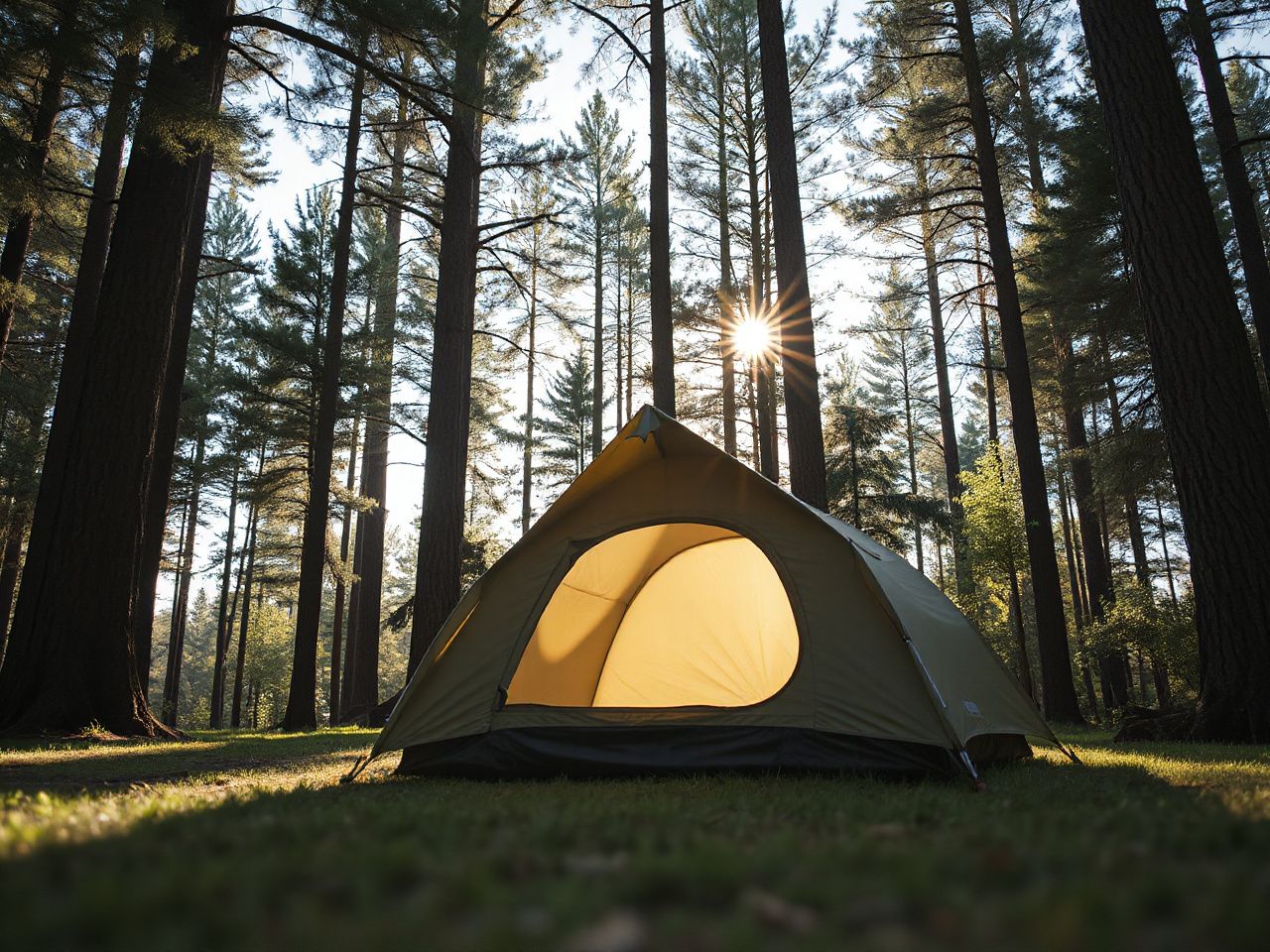
These spots won’t appear on Recreation.gov. Use a combination of paper Motor Vehicle Use Maps (MVUMs) and the Gaia GPS app with public lands layers turned on. Pull up the map for Nantahala National Forest, and you’ll spot dozens of tiny black dots along Wayah Bald Road and the gravel spurs off Highway 28. Each one is a clearing big enough for two bikes and a tent, often with a fire ring built by a previous traveler. The golden rule of free camping in the national parks in the Southeast US: set up at least 100 feet from any water source and pack out everything, including wet wipes.
Not every night needs to be in a ditch, though. The Southeast is studded with independent motels that still cater to two-wheel travelers. In towns like Robbinsville, North Carolina (the dragon’s tail gateway) or Townsend, Tennessee (the quiet side of the Smokies), you’ll find motor lodges where a single room goes for $40–$55 if you walk in and ask for the “biker rate.” The Phillips Motel in Robbinsville, for instance, has a dedicated gear-drying porch and a hose for washing mud off your boots. No resort fee, no parking surcharge. At check-in, ask two questions: “Can I park the bike under the awning?” and “Is there a frozen pizza within walking distance?” That’s the kind of luxury that matters on a long haul.
Which Southeast Parks Deliver the Biggest Smiles Per Gallon?
Not every green patch on the map deserves the same space in your itinerary. The national parks in the Southeast US break into three tiers: the twisty-range heavyweights, the swamp-and-coast sleeper hits, and the limestone oddities. Here’s how each one plays out on two wheels and a tight budget.
Great Smoky Mountains National Park (Tennessee/North Carolina)
The most-visited national park in the country, yet remarkably easy to navigate on a motorcycle if you ignore the Gatlinburg side. Base yourself on the North Carolina edge near Bryson City. From there, the Blue Ridge Parkway picks up just east of Cherokee and runs north-south along the spine of the range. For a zero-dollar overnight, head up Heintooga Ridge Road to the Balsam Mountain Campground area—there are dispersed sites along the route where you can hear elk bugling at dusk.
Civilization option: the Nantahala Outdoor Center has a bunkhouse that rarely tops $35 a night and sits right on the river. You’ll fall asleep to rushing water and wake up to riders gathering for the Cherohala Skyway.
Shenandoah National Park (Virginia)
Skyline Drive runs 105 miles with a steady 35 mph speed limit. It’s the perfect break-in ride for a new set of tires. The park’s official campgrounds—Big Meadows, Lewis Mountain—charge around $20–$30 for a tent site, but just outside the park’s western boundary you’ll find the George Washington National Forest. Flagpole Knob Road and the trails around Switzer Lake offer free primitive camping with zero amenities. A decent ground clearance is needed, as the terrain can include loose rock steps that may scrape a standard ADV bike. No damage—just a reminder that free often means rugged.
For those riding the entire Appalachian chain, this park pairs naturally with our Complete Guide to National Parks on the East Coast, which strings together a coastal route from Maine to Florida.
Mammoth Cave National Park (Kentucky)
This one surprises people. There’s no mountain pass, but the 31-mile Green River Ferry loop and the narrow backroads of Edmonson County are shockingly fun on a light bike. Camping inside the park is cheap—$12 to $25 for a tent pad—but ride 15 minutes north to Nolin River Lake’s tailwater campsites. These Army Corps of Engineers spots run $10 and come with fire rings and water spigots. Nolin River Lake offers a quiet peninsula setting where, in the early morning, steam rises off the lake and local wildlife often passes through the camp area.
Congaree National Park (South Carolina)
This is a half-day stop unless you’re a die-hard hiker. The park’s boardwalk trail is two wheel-friendly—park at the visitor center and walk the 2.4-mile loop through old-growth bald cypress. Camping is officially allowed in the backcountry with a free permit, but the ground can be soggy year-round. A good workaround is the Palmetto State Park Campground 30 miles south, where tent sites are $17 and the soil drains well. The morning ride through the Congaree Swamp’s perimeter roads, with Spanish moss hanging over the lane, is worth the detour.
Everglades National Park (Florida)
The ultimate winter moto destination. Fuel planning is critical—the stretch from Florida City to Flamingo has exactly one gas station at the Miccosukee service plaza. Carrying a 1-liter fuel bottle is recommended just in case. Free camping isn’t easy inside the park, but the Big Cypress National Preserve right next door allows dispersed camping along Bear Island Campground roads. No fee, no permit between November and April. You’ll hear airboats in the distance and need serious bug spray. For a roof, the $55 rooms at the Everglades International Hostel in Florida City include a swimming pool and a shaded bike parking area. Not a bad trade-off.
Packing a Motorcycle for Budget Southeast Park Hopping
The gear mentioned earlier—the stuff you’ll regret skipping—isn’t a $600 jacket. It’s the small, unglamorous items that stop a trip from unraveling. Here’s what belongs permanently in the panniers when you’re targeting the national parks in the Southeast US on a budget.
The $30 Rain Sock That Saves a Trip
Southeast weather changes by the hour. One minute you’re sweating in a mesh jacket, the next a thunderhead dumps an inch of water. Pack a pair of SealSkinz waterproof socks and a one-piece rain oversuit that rolls to the size of a Nalgene bottle. Dry feet mean you can keep riding instead of blowing your budget on a motel room just to run the heater on your boots all night.
Food That Doesn’t Need a Fridge
Resort dining is the budget-killer nobody talks about. A 1.2-liter JetBoil Stash and dehydrated camp meals are compact and convenient. A $12 pouch of biscuits and gravy weighs nothing and tastes better than a $15 diner plate when parked at a remote overlook. Resupply at Dollar General stores, which are weirdly abundant in small Southern towns—you can grab instant coffee, oatmeal packets, and tuna pouches for a couple bucks. Saving the gas-station money for actual gas makes a tank last an extra 50 miles.
Tool Kit That Fits Under the Seat
Once 20 miles up a gravel road in Pisgah with zero cell signal, a loose battery terminal becomes a big problem. A kit should include: a JASCO voltage meter, a compact ½-inch torque adapter (because overtightening a drain bolt into an aluminum pan is a mistake you make exactly once), zip ties, a tire plug kit, and the factory wrench for axle nuts. Carrying a small multimeter can help diagnose charging issues and avoid costly tows.
Timing the Ride to Stretch Your Dollar and Your Traction
Peak foliage and summer vacation windows inflate every cost in the national parks in the Southeast US. Plan trips using an elevation calendar rather than a fixed date range. Here’s how that works.
Low elevations (below 2,000 feet): April to early June and late September to mid-November give you dry roads and dispersed campsites that aren’t mud pits. Air temps hover between 55°F and 75°F, perfect for all-day riding gear. In the Smokies, that means targeting roads like the Foothills Parkway and the southern end of the Dragon before the tree canopy gets thick enough to hide damp asphalt.
Mid elevations (2,000–5,000 feet): May through mid-July is the sweet spot. The Cherohala Skyway tops out at 5,390 feet. Afternoon thunderstorms often build on the western slope, so crossing before 9 a.m. helps avoid them. When storms roll in, parking under a Forest Service picnic shelter and boiling water for coffee is a practical way to wait until the radar clears, avoiding emergency motel expenses.
Winter havens: December through February, the high Smokies become icy and the Blue Ridge Parkway shuts down sections. That’s the time to point south. Riding the Everglades in January, with the sun low and the mosquitoes dormant, is one of the best values in the park system. If you’re fleeing the cold and wondering about far-west alternatives, our Best National Parks in California for 2026 piece covers Death Valley and Joshua Tree winter routes that pair beautifully with a southern swing.
Frequently Asked Questions
What is the best time of year to visit national parks in the Southeast US on a motorcycle?
Fall, especially mid-October through early November, offers stable weather, lower humidity, and the Parkway’s famous leaf color without the summer RV traffic. Spring, from late April to May, is a close second, but watch for late cold snaps above 4,000 feet that leave black ice in shaded curves. Checking differential temps between Asheville and Cherokee before committing to a high-elevation route is advisable.
Are there really free camping options near national parks in the Southeast US that a motorcycle can access?
Absolutely. National forests like Pisgah, Nantahala, George Washington, and Big Cypress Preserve allow dispersed camping within their boundaries. A standard road bike can handle Forest Service gravel if you go slow; even large touring bikes like the Honda Gold Wing are frequently found camped off Heintooga Ridge Road. Always bring a paper MVUM, skip sites within 100 feet of streams, and call the ranger district to confirm fire restrictions.
Which Southeast national parks have the best motorcycle-friendly roads?
Shenandoah’s Skyline Drive and the Blue Ridge Parkway alongside Great Smoky Mountains are the crown jewels—endless sweepers with strict speed limits that actually work for cruising. Mammoth Cave’s backroads give you empty state highways through limestone country, and the Everglades’ main park road offers straight, meditative miles perfect for a relaxed winter run.
How can I find budget motels under $50 near national parks in the Southeast US?
Look for independent motels in the quieter gateway towns like Townsend, TN; Robbinsville, NC; and Florida City, FL. Walk in or call direct, mention you’re on a motorcycle, and ask for a no-frills single. Many don’t advertise online. The FreeRoam app’s cell coverage overlay also helps hunt for $40–$55 options near roads that get weak signal—those motels often keep rates low precisely because they’re offline.