Simple Outfit Ideas: A Complete Guide for 2026
Contents
Many wardrobe pieces are discarded not because of style, but because the fabric fails after fewer than 30 washes. I’ve ridden long enough to know that the gear you skip buying to save money is almost always the gear you regret not having when you need it most. Invest once, invest right. That same principle applies to everyday clothing. When you build a simple outfit around tough, well-made basics, you’re not just dressing for today—you’re dressing for the next hundred wears. This guide breaks down how to choose and combine those pieces so your wardrobe actually holds up.
Key Takeaways
- Prioritize fabric durability (like 12-oz denim or 6-oz cotton canvas) over trend-driven cuts for outfits that survive repeated wear and washing.
- Layering with a structured mid-layer (e.g., a waxed cotton vest) adds visual depth without complicating your silhouette.
- Neutral color palettes (olive, navy, charcoal, tan) allow you to mix pieces across seasons without clashing.
- A single pair of well-fitted, reinforced trousers can anchor at least four distinct simple outfit ideas for different occasions.
Why Fabric Durability Matters for Simple Outfit Ideas
Most style advice focuses on color matching and silhouette. That matters, but it skips the foundation: what the garment is made of. Shirts that look great on day one can develop frayed collars by day 30. Meanwhile, a $45 military-surplus field shirt bought in 2023 still looks clean after 200+ wears and dozens of wash cycles.
The difference comes down to thread count, fiber length, and construction. A simple outfit idea built around durable fabric will keep its shape, resist pilling, and fade gracefully. That means you replace it less often, which saves money and reduces textile waste.
Key Fabric Standards for Long Wear
- Denim: Look for 12-oz to 14-oz weight. Lighter denim (under 10 oz) stretches out quickly. Heavier denim (16 oz+) takes months to break in but lasts years.
- Cotton Canvas: 6-oz to 8-oz weight is ideal for shirts and light jackets. It breathes but holds up to abrasion from backpack straps or motorcycle seats.
- Wool: Merino wool (17-18 microns) is soft enough for base layers but still resists odor and wicks moisture. Avoid blends with more than 15% synthetic fibers, which can pill.
- Nylon/Ripstop: For outer shells, 70-denier to 100-denier ripstop nylon is lightweight yet tear-resistant. Anything under 40 denier snags easily.

Building a Capsule Wardrobe: The Core Three Pieces
You don’t need a closet full of clothes to have versatile simple outfit ideas. You need three anchor pieces that work together. I arrived at this number after packing for a 12-day road trip with only a carry-on duffel. The combinations were endless, and I never felt underdressed.
Here are three pieces recommended for use across multiple climates:
- One pair of reinforced trousers. Look for pants with double-stitched seams and a reinforced seat (common in workwear brands). A straight-leg cut in a neutral olive or khaki works with boots, sneakers, or loafers.
- One long-sleeve henley or field shirt. Choose a button-up in 8-oz cotton canvas. It can be worn open over a tee, buttoned up, or as a light jacket. The collar stays crisp after washing if the button placket is well-constructed.
- One unstructured canvas jacket or vest. A waxed cotton vest adds warmth without restricting arm movement. It layers over the henley and under a heavier coat when temperatures drop.
These three pieces, combined with a plain white tee and a pair of dark jeans, give you at least six distinct simple outfit ideas. The key is that each piece is durable enough to be worn twice a week without showing wear for the first six months.
Layering for Versatility Without Bulk
Layering is the most efficient way to create multiple simple outfit ideas from the same core pieces. The trick is to use fabrics with different weights and textures so each layer serves a purpose, not just padding.
Base Layer: Lightweight and Moisture-Wicking
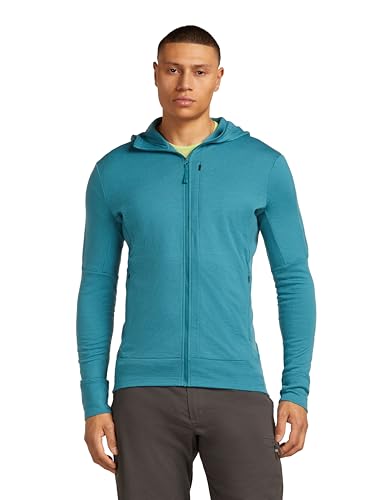
Start with a 150-gram merino wool crew or a 100% cotton tee (at least 5 oz). Merino handles sweat better and resists odor for three to four wears. Cotton is cheaper but holds moisture, so limit it to dry-weather use.
Mid Layer: Structured and Insulating
This is where the henley or field shirt lives. If you need warmth, add a 300-gram wool sweater or a fleece vest. The fleece should be grid-fleece (like Polartec 100) for breathability. Avoid thick cable-knit sweaters under a jacket—they create too much bulk and restrict arm movement.
Outer Layer: Wind- and Water-Resistant
Your canvas jacket or vest goes here. For wet conditions, a waxed cotton shell (like a Barbour Beaufort, but any brand with a wax finish works) sheds light rain and wind. If you’re riding in heavier downpours, a 2.5-layer nylon shell with taped seams is better, but for everyday simple outfit ideas, waxed cotton has a more natural drape and ages well.
A waxed cotton jacket is suitable for temperatures ranging from 40°F to 70°F when adjusting the mid layer. Below 40°F, adding a thin synthetic puffy vest under the jacket keeps warmth without looking like an expedition outfit.
Color Palettes That Work Across Seasons
Sticking to a limited color palette is the fastest way to make simple outfit ideas look intentional. Four neutral colors plus one accent are suggested. A suggested palette is:
- Olive green (for trousers and outerwear)
- Navy blue (for shirts and sweaters)
- Charcoal gray (for tees and base layers)
- Tan or khaki (for jackets and boots)
- Burgundy or mustard (one accent for a beanie, scarf, or pocket square)
These colors don’t clash because they all sit on the warm side of the spectrum (olive is a warm green; navy has a warm undertone). You can grab any top and any bottom from your capsule and they’ll work together. Because every piece shares that warm base, packing only these colors for a two-week trip means there’s nothing left to think about when matching.
Footwear: The Most Overlooked Element
Shoes make or break a simple outfit idea. A pair of worn-out sneakers with frayed laces will drag down even the best-chosen jacket and trousers. For durability, leather boots with a Vibram sole are recommended—they can last 5 to 10 years with resoling. A plain-toe derby boot in brown or black works with jeans, chinos, and even wool trousers.
If you prefer sneakers, choose a pair with a canvas or full-grain leather upper and a vulcanized rubber sole. Avoid knit uppers (like Flyknit) for everyday wear—they stretch out and lose shape after six months. I’ve had a pair of canvas sneakers with a gum sole last three years of daily wear because the sole is stitched, not glued.
How to Maintain Your Simple Outfit Ideas Over Time
Even the toughest fabric will fail early if you wash it wrong. Here’s what is important to know about washing gear to extend its life:
- Wash in cold water (60°F or below). Hot water breaks down cotton fibers faster and fades dyes. Cold water removes most dirt without damaging the fabric.
- Air dry whenever possible. Tumble drying on high heat shrinks cotton and wool. Hang shirts on a line indoors or on a low-heat rack. Jackets should be hung on a wide hanger to maintain shoulder shape.
- Spot clean outer layers. A waxed jacket only needs a full wash once a season. For mud or oil, wipe with a damp cloth and re-wax the area.
- Rotate your shoes. Leather boots need at least 24 hours to dry out between wears. Use cedar shoe trees to absorb moisture and maintain shape.
If you follow these steps, a well-made outfit made of 12-oz denim and 8-oz canvas will look presentable for 3 to 5 years of regular wear. Jeans made from these materials are typically faded but structurally sound after roughly 80 washes, with no hole in the knee or frayed hem.
Putting It All Together: Three Sample Simple Outfit Ideas
Here are three complete looks built from the core pieces I described. Each uses the same trousers and jacket but changes the mid layer and shoes.
Look 1: Casual Errands
- Reinforced olive trousers
- White 5-oz cotton tee
- Unstructured canvas vest (tan)
- Brown leather derby boots
This works for grocery runs, coffee shops, or a casual lunch. The tee is simple, the vest adds structure, and the boots handle wet pavement.
Look 2: Office or Dinner
- Reinforced olive trousers
- Navy 8-oz cotton canvas henley, buttoned
- Unstructured canvas vest (tan)
- Charcoal wool blazer (optional, for more formal settings)
- Dark brown leather chukka boots
The henley replaces the tee for a more polished look. The blazer adds formality without sacrificing the outfit’s simple foundation.
Look 3: Light Outdoor Activity
- Dark indigo jeans (13-oz or heavier)
- 150-gram merino wool crew
- Waxed cotton jacket (olive)
- Tan canvas sneakers (stitched sole)
Merino wool handles sweat well, the waxed jacket sheds wind, and the sneakers provide comfort for walking several miles.
Frequently Asked Questions
What are the best fabrics for simple outfit ideas that last?
Look for 12-oz to 14-oz denim, 8-oz cotton canvas, and 150-gram to 300-gram merino wool. These weights resist tearing, hold color well after washing, and don’t lose shape quickly. Avoid fabrics with high spandex content (over 5%) because they degrade faster.
How many pieces do I need for a versatile capsule wardrobe?
Start with three core pieces: one pair of reinforced trousers, one long-sleeve henley or field shirt, and one unstructured canvas jacket or vest. Add a white tee and a pair of dark jeans. That’s five pieces that can mix into at least ten different simple outfit ideas.
Can simple outfit ideas work for both casual and semi-formal settings?
Yes. The same olive trousers and canvas vest can be dressed up with a buttoned henley and leather boots for a dinner out, or dressed down with a tee and sneakers for errands. The key is choosing neutral colors and structured fabrics that don’t look sloppy.
How often should I wash my simple outfit pieces?
Wash tees and base layers after 2 to 3 wears. Wash trousers and jackets only when they’re visibly dirty or after 5 to 7 wears. Over-washing is the main cause of fabric wear. Spot clean stains on outer layers to extend their life.
What shoes are most durable for daily wear?
Leather boots with a Vibram sole and Goodyear welt construction last the longest—often 5 to 10 years with resoling. Canvas sneakers with a stitched rubber sole are a close second. Avoid glued soles and knit uppers for everyday use.