Does a Cotton Raincoat Hold Up in Real Rain?
Contents
The rain came sideways through a valley in the Colombian Andes, turning the dirt track into a slick ribbon of chocolate pudding. A six-hour ride in a high-tech synthetic jacket—the one with the space-age membrane and taped seams—often results in water finding every microscopic gap. That evening, a simple, waxed cotton raincoat that looked like it had been around since the conquistadors proves effective against such conditions. Moments where gear fails often make the best stories, suggesting that preparation doesn’t prevent adventure—it just gives you better options when it shows up. That kind of experience leads to a rethink of traditional gear for staying dry on a bike.
Key Takeaways
- Waxed cotton raincoats offer unique breathability and a quieter ride than synthetic shells, making them ideal for slow travel and cultural immersion.
- Proper care—regular cleaning, reproofing with wax, and avoiding machine washing—extends the life of a cotton raincoat by decades, unlike disposable synthetic gear.
- Cotton raincoats align with eco-conscious riding by reducing microplastic shedding and supporting traditional crafts, but only if purchased from ethical sources and maintained correctly.
The Curious Case of Cotton in Wet Weather
On the surface, grabbing a cotton raincoat seems like a mistake only a rookie would make. We’re taught from day one that cotton kills—it soaks up moisture, gets heavy, and stays wet forever. But the key is in the word raincoat, not just cotton. The best cotton raincoats aren’t raw denim jackets; they’re densely woven, often waxed or treated, and they’ve been protecting riders since the days of Marlon Brando. Understanding why they work is a lesson in physics, history, and a little bit of romance.
From Sailcloth to Motorcycle Jackets – A Brief History
Long before Gore-Tex, sailors along the North Sea coast noticed that wet sails caught more wind. They started rubbing linseed oil and later wax into heavy canvas to waterproof it. That fabric, known as waxed cotton, migrated inland. By the 1920s, British motorcycle companies like Belstaff and Barbour were producing rugged jackets for trial riders and dispatch couriers. The material breathed far better than early rubberized rainwear, so riders didn’t drown in their own sweat. Walk through any vintage bike rally today and you’ll still see those same jackets, patches and all, still keeping out the rain after forty years.
Why Waxed Cotton Beats Modern Synthetics in Some Conditions
A modern membrane jacket works by having pores small enough to block liquid water but large enough to let vapor escape. The problem is that to push vapor through those pores, you need a pressure differential—warm, humid air inside and cooler, drier air outside. On a steamy day in the tropics, when the air is just as humid as your armpits, that system fails. Waxed cotton, by contrast, doesn’t rely on a membrane at all. The tight weave and wax coating simply shed water on the outside while the cotton fibers naturally wick and release moisture through the fabric’s structure. It’s a slower, more analog kind of comfort, but in constant drizzle or high-humidity riding, it feels closer to a second skin.
Choosing the Right Raincoat for Your Riding Style
Not all cotton raincoats are created equal. Some are designed for walking the dog, others for full-on monsoon touring. As a rider, your checklist starts with how and where you travel. The beauty of a good waxed cotton jacket is that it molds to your body and your habits over time, becoming a unique piece of kit that tells your story.
Waxed Cotton vs. Unwaxed Cotton – Know the Difference
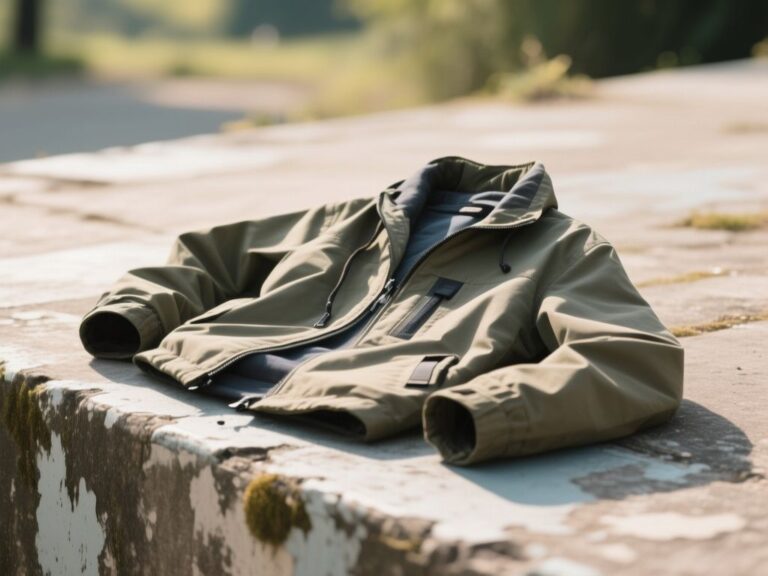
Unwaxed cotton is essentially a fashion item. It will soak through in ten minutes of heavy rain, leaving you shivering and miserable. Touring riders new to the culture often make this error on the Dalton Highway, and it’s a quick road to hypothermia. Waxed cotton has a weight and greasy feel from the coating. The best ones feel almost like leather. If the surface is properly coated, water should bead and roll away instantly. If it doesn’t, the jacket needs reproofing before you trust it on a trip. Most quality motorcycle-specific cotton raincoats will state the fabric weight, typically 6 oz to 10 oz per square yard. Heavier is more durable and windproof but takes longer to break in.
Fit, Ventilation, and Layering – The Rider’s Checklist
A cotton raincoat has no stretch, so you need enough room to layer underneath without binding. Fit it while wearing your bulkiest midlayer. Look for a two-way front zipper covered by a storm flap with sturdy snaps—rust-proof brass is ideal. Underarm ventilation grommets or zips are essential, because even breathable cotton gets warm when you’re working a heavy bike through switchbacks. The sleeves should be long enough that they don’t ride up when you reach forward to the bars. For riders with shorter torsos or a smaller frame, the cut matters enormously. Many classic waxed jackets are boxy, but there are tailored options emerging from smaller workshops. If you’re exploring fits that don’t swallow you whole, our guide to petite raincoats for women covers sizing and silhouette details that apply to any rider looking for a trimmer cut without sacrificing mobility.
Caring for Your Cotton Companion
This is where the commitment comes in. A synthetic jacket you can toss in the washing machine and forget. A waxed cotton raincoat demands a bit of ritual, but that ritual becomes part of your riding identity. Treat it like maintaining a leather saddle or tuning a carburetor, and you’ll have a faithful friend for decades.
Cleaning Dos and Don’ts
- Do: Use cold water and a soft brush to gently scrub away mud and road grime. Some manufacturers sell specialized waxed-cotton soap.
- Don’t: Machine-wash or dry clean. Hot water and solvents strip the wax from the fibers instantly.
- Do: Spot-test any cleaner on an inside seam first.
- Don’t: Use detergent meant for synthetic technical fabrics—it often contains optical brighteners that degrade the cotton.
- Do: Hang the jacket to dry naturally, away from direct heat. A sunny breeze is perfect; a radiator will crack the fabric.
Waxed jackets require careful cleaning to maintain their water-repellent properties. Machine washing can damage the fabric and reduce its ability to bead water.
The Art of Reproofing – When and How
Reproofing is simply reapplying wax to areas that have worn thin. You’ll notice it first on the shoulders, upper back, and around the elbows—places where water stops beading and instead starts darkening the fabric. On average, a regularly used motorcycle cotton raincoat needs reproofing once a year. In extremely wet climates, like the Scottish Highlands or Southeast Asia’s monsoon belt, you might do it twice a year.
The process: Clean the jacket thoroughly and let it dry. Warm a tin of wax dressing in a bowl of hot water until soft. Using a lint-free cloth, rub the wax into the fabric in small circular motions. Pay extra attention to seam lines. Some riders use a hairdryer to gently melt the wax into the weave—this creates a much more even finish. Let the jacket cure overnight, then buff off any excess. The result is a deep, matte sheen and a raincoat that smells faintly of honey and adventure.
Environmental and Cultural Impact – Riding with a Lighter Footprint
Every time you buy a piece of gear, you’re voting for a kind of world. The motorcycle industry is flooded with plastic rain shells that work well for a season or two and then end up in a landfill, shedding microplastics along the way. Choosing a cotton raincoat, especially from a maker who sources ethical materials, is a small act of resistance against that throwaway culture. It’s also a way to connect with the places you ride through.
Cotton’s Biodegradability and Sustainable Sourcing
Cotton is a natural fiber, and at the end of its life, a waxed cotton jacket can return to the soil—provided the wax is plant-based and the lining is also natural. Many synthetic raincoats contain per- and polyfluoroalkyl substances (PFAS), often called “forever chemicals,” that persist in groundwater. A properly maintained cotton garment will eventually biodegrade, leaving behind nothing but a few brass buttons. That said, conventional cotton farming uses significant water and pesticides. When buying a new raincoat, look for organic or recycled cotton with a GOTS (Global Organic Textile Standard) label. It’s not perfect, but it respects the villages downstream that depend on clean rivers.
Supporting Local Craftsmanship on Your Travels
Small towns sometimes hide workshops where a family has been waxing canvas for generations. In places like Dharamkot, India, or the Lake District in England, you can find artisans who will measure you for a custom jacket, cut the fabric on a hand-operated machine, and finish it with a wax recipe passed down through four generations. Buying from them means your money stays in that community, not in a corporate boardroom. It’s the definition of leaving a place better than you found it. And when you’re sitting around a campfire, that jacket becomes a conversation starter that connects you with the local culture far more than a neon Gore-Tex shell ever could.
Rain gear is never just about staying dry. It’s about how you move through the landscape, how you present yourself to the people you meet, and what you carry forward when you ride on. A cotton raincoat, properly cared for, carries stories. It weathers with you, stains from red desert dust or high-altitude mud becoming part of its character. There’s a quiet confidence in knowing you don’t need the newest technology to be comfortable—just good materials, a little knowledge, and the willingness to stop and rewax a shoulder in a café while the rain drums on the window.
Frequently Asked Questions
Can a cotton raincoat really keep me dry in a downpour?
A high-quality waxed cotton raincoat can keep you dry for hours in steady rain, but no cotton garment is 100% waterproof in a pressure situation—like leaning against a wet bike at highway speeds. The fabric can eventually wet through at friction points. For true all-day deluges, pair it with a lightweight rain liner underneath for a backup moisture barrier.
How do I know when my cotton raincoat needs reproofing?
Watch for water no longer beading on the surface; instead, it will soak in and darken the fabric. In lighter rain, you might feel a slight dampness inside. Generally, if you can’t recall the last reproofing or if it’s been more than 12 to 18 months of active use, it’s time. High-wear areas like shoulders need more frequent attention.
Is a cotton raincoat too heavy and hot for summer riding?
Modern lightweight waxed cottons, around 6 oz, are surprisingly comfortable up to 75°F (24°C) if you’re moving. The fabric breathes far better than a PVC rain suit. In stop-and-go traffic with high humidity, it can get warm, but opening underarm vents and the front zipper provides excellent airflow. For true desert heat, switch to a mesh jacket and pack the raincoat for evening storms.
What’s the best way to store a cotton raincoat during the off-season?
Clean it, reproof if needed, and let it air out completely. Store it in a cool, dry closet on a wide padded hanger to prevent shoulder puckering. Never keep a waxed cotton jacket in a damp basement or a plastic garment bag, as this encourages mildew growth. A cotton dust cover that breathes is ideal.