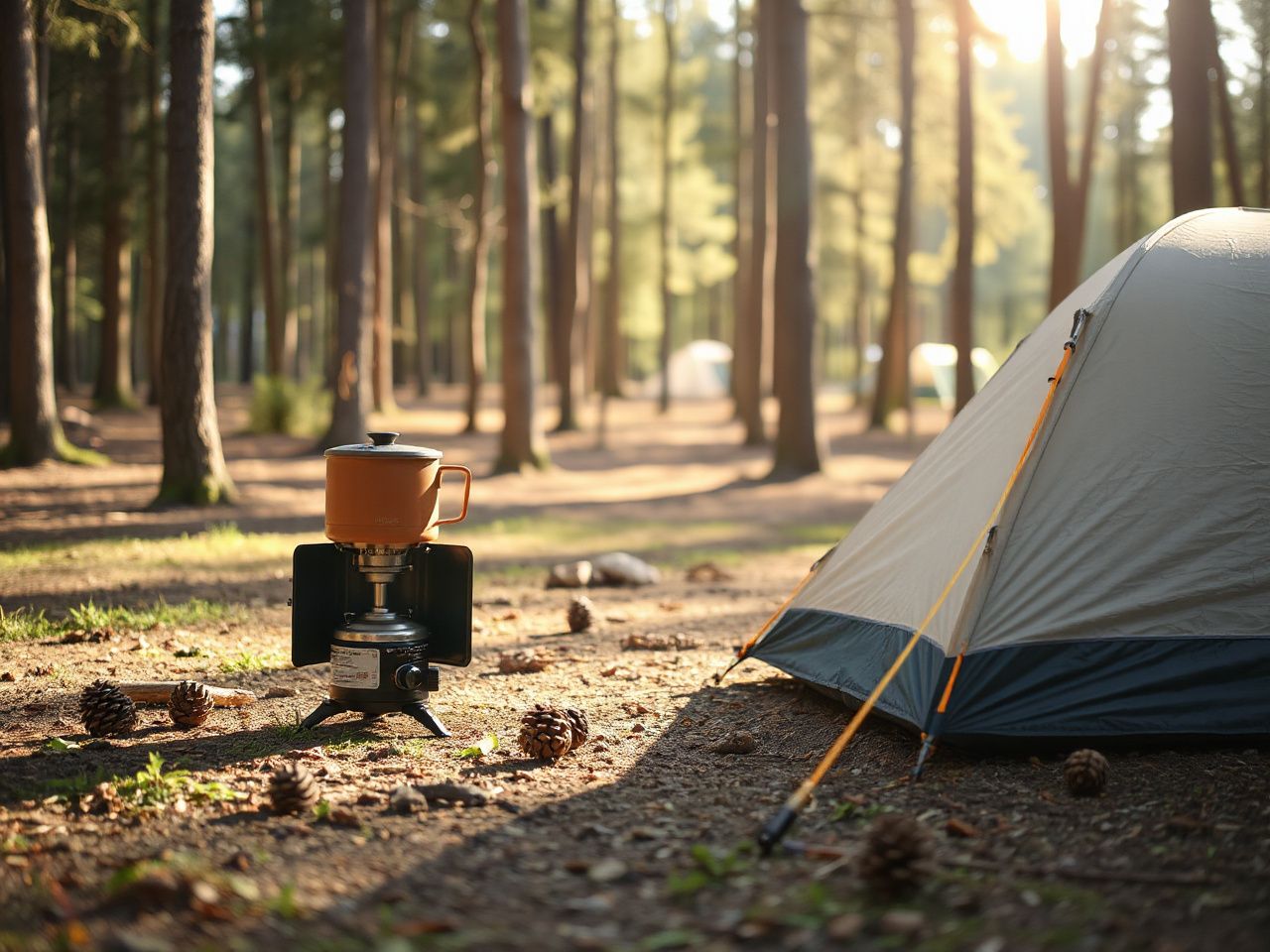
The Complete Guide to Choosing Camping Ovens
Contents
Baking bread on the road is notoriously hard to get right, and without the proper gear a loaf can come out more charcoal than crust. Touring experience generally shows that the gear you skip buying to save money is almost always the gear you regret not having when you need it most. Invest once, invest right. That principle is exactly why it pays to take time choosing a camping oven before every long tour.
Key Takeaways
- Choose a camping oven that matches your fuel source and cooking style — propane, wood, or charcoal each have trade-offs.
- Size and weight matter more when you’re on a motorcycle, but even car campers benefit from compact, efficient designs.
- Temperature control is the hardest skill to learn; practice with simple recipes before attempting bread or roasts.
- Proper maintenance, including regular cleaning and rust prevention, doubles the lifespan of any camping oven.
Why Your Camping Oven Choice Matters for Slow Travel
When you live on the road, your camping oven becomes more than a cooking tool. It’s part of your daily rhythm — the morning coffee, the evening stew, the occasional birthday cake baked under the stars. A poorly chosen oven can turn a relaxing evening into a frustrating fight with uneven heat and burnt food.
For slow travelers, the goal is simplicity. You want gear that works without constant fuss, that doesn’t demand a PhD in thermodynamics to produce a decent meal. The right camping oven fits your fuel preference, your cooking habits, and your storage space. It becomes an extension of your camp kitchen, not an obstacle.
If you’re exploring free camping spots, like those detailed in our guide to free camping in Vermont, you’ll appreciate an oven that can handle variable conditions without needing a power outlet.
Types of Camping Ovens: What Works for Life on the Road
Propane Camping Ovens
Propane ovens are the most common choice for car campers and van dwellers. They run on small propane canisters or larger tanks, offering consistent heat and easy temperature adjustment. Most models include a built-in regulator and burner, so you don’t need extra gear.
The trade-off is fuel weight. A standard 16-ounce propane canister lasts about two to three hours of baking at 350°F. If you’re cooking daily, you’ll go through canisters quickly. For longer trips, consider a refillable 5-pound tank — it saves money and reduces waste.
Propane ovens also require good ventilation. Never use one inside a tent or enclosed vehicle without proper airflow. Carbon monoxide is a real risk, and this basic safety rule is far too often ignored by campers.
Wood-Fired Camping Ovens
Wood-fired ovens appeal to those who want to cook with found fuel. They’re heavier and bulkier, but the flavor they impart is unmatched. A well-designed wood oven can reach temperatures over 500°F, perfect for pizza or seared meats.
The learning curve is steep. Managing a wood fire for baking requires constant attention — adding small sticks, adjusting airflow, and watching the temperature gauge. It’s not a set-it-and-forget-it system. But for slow travelers who enjoy the process, wood-fired cooking becomes a meditative part of the day.
If you’re camping in areas where firewood is plentiful, like many of the dispersed campsites in our dispersed camping Idaho guide, a wood oven can be a rewarding choice.
Charcoal Camping Ovens
Charcoal ovens are a middle ground between propane and wood. They use briquettes or lump charcoal, which are easier to control than a wood fire but still require practice. Most charcoal ovens are designed as portable grills with a lid that doubles as an oven.
The key with charcoal is the two-zone fire. Pile the coals on one side for direct heat, leaving the other side empty for indirect baking. This setup lets you roast meats and bake bread simultaneously. A chimney starter is essential — lighter fluid can leave a chemical taste on your food.
Charcoal burns hot and fast. Expect to add fresh coals every 45 minutes to maintain a steady 350°F. It’s more work than propane, but many campers prefer the flavor and the ritual.
How to Choose the Right Size Camping Oven
Size is a personal decision shaped by your travel style. A solo motorcyclist needs a compact oven that fits in a pannier. A family of four needs something that can hold a 9×13 pan. The sweet spot for most solo or duo travelers is an oven with a 12×10-inch cooking surface — enough for a small casserole or a loaf of bread.
Consider the oven’s interior height as well. A low ceiling limits what you can bake. A standard loaf pan needs at least 4 inches of clearance. If you plan to roast a whole chicken, look for an oven with 6 inches or more.
Weight is another factor. A propane oven weighs around 10 to 15 pounds empty. A wood oven can push 30 pounds or more. For motorcycle travel, every pound counts. Durability is more important than weight savings — a flimsy oven will fail on rough roads.
For those exploring free camping spots like those in our free camping in Oklahoma guide, a mid-size oven that balances portability and capacity works best.
Temperature Control: The Skill That Makes or Breaks Your Cooking
Understanding Heat Zones
All camping ovens have hot spots. The area near the burner or fire is always hotter than the top or sides. You need to learn where your oven runs hot and adjust your cooking accordingly. Rotate pans halfway through baking to promote even browning.
An oven thermometer is non-negotiable. The built-in gauge on most camping ovens is inaccurate. A separate thermometer placed on the middle rack gives you real data. A simple dial thermometer that clips to the rack costs under ten dollars and can save countless meals.
Managing Fuel for Consistent Heat
Propane ovens are the easiest to regulate. Turn the knob, watch the thermometer, and make small adjustments. Avoid cranking the heat to speed up preheating — it overshoots the target and creates a temperature spike that ruins delicate foods.
With wood or charcoal, you control heat by managing airflow. Open vents let more oxygen in, raising the temperature. Close them partially to lower it. Add fuel in small, consistent batches rather than dumping a load at once. This prevents large temperature swings.
Practice with simple recipes first. Bake a batch of biscuits or a small cake before attempting a roast. You’ll learn how your oven behaves without the pressure of a main course.
Fuel Efficiency and Sustainability on the Road
Slow travel is about minimizing your impact. Fuel efficiency matters both for your wallet and the environment. Propane burns cleanly but relies on non-renewable resources. Charcoal production can contribute to deforestation if not sourced responsibly. Wood fires, while renewable, produce smoke and particulates.
For propane users, the most efficient practice is to cook multiple items in one session. Bake bread, then use the residual heat to dry herbs or warm leftovers. This reduces the number of times you need to fire up the oven.
Charcoal users should look for lump charcoal made from sustainable hardwood. Avoid briquettes that contain additives or fillers — they burn hotter but produce more ash and off-gassing. A chimney starter uses a small amount of newspaper to ignite the coals, eliminating the need for lighter fluid.
Wood-fired oven users should gather deadfall rather than cutting live branches. This keeps the forest healthy and reduces your footprint. Always check local fire regulations before burning.
Maintenance and Longevity: Making Your Oven Last
A camping oven is an investment. With proper care, it can last a decade or more. The most common cause of failure is rust. Moisture gets trapped in crevices, and the metal corrodes. After each use, let the oven cool completely, then wipe down all surfaces with a dry cloth. Store it in a dry place, preferably with the lid slightly open to allow airflow.
For propane ovens, check the gas line and connections regularly. A small leak can become a fire hazard. Use a soapy water solution — if bubbles form at the connection, tighten it or replace the hose. Store propane canisters upright and away from direct sunlight.
Charcoal and wood ovens need periodic deep cleaning. Remove ash and soot buildup, which can absorb moisture and accelerate rust. A wire brush and mild soap work well. Avoid abrasive cleaners that scratch the surface, creating spots where rust can start.
If you’re storing the oven for winter, give it a final clean and apply a thin coat of cooking oil to the interior surfaces. This creates a protective barrier against moisture.
Frequently Asked Questions
Can I use a camping oven in a tent?
Never use a propane or charcoal camping oven inside a tent or enclosed space. Carbon monoxide buildup can be fatal. Wood-fired ovens also produce dangerous fumes. Only use these ovens outdoors in well-ventilated areas. If you need to cook inside a vehicle, use a dedicated van or RV with proper ventilation and a carbon monoxide detector.
What is the best fuel for a camping oven?
The best fuel depends on your priorities. Propane offers the easiest temperature control and consistent results. Charcoal provides better flavor but requires more attention. Wood fires give the most authentic experience but demand skill and time. For most slow travelers, propane is the practical choice for daily cooking, while wood or charcoal are reserved for special meals.
How do I clean a camping oven after use?
Let the oven cool completely. Remove all ash, food debris, and grease. Wipe interior surfaces with a damp cloth and mild soap. Rinse thoroughly and dry with a towel. For stubborn residue, use a non-abrasive scrub pad. Apply a light coat of cooking oil to prevent rust. Store with the lid slightly open to allow airflow.
Can I bake bread in a camping oven?
Yes, but it takes practice. Use a separate oven thermometer to monitor temperature. Preheat the oven for at least 15 minutes. Place the bread on the middle rack and rotate halfway through baking. Expect the crust to be darker on the bottom — this is normal. Start with a simple no-knead recipe to build confidence before trying more complex loaves.