Extreme Cold Weather Boots: Which One to Get in 2026
Contents
Cold feet can turn a short walk, hunt, or snowshoe approach into a miserable calculation about getting back indoors. The best extreme cold weather boots balance insulation with interior room, moisture control, traction, and a shape that works with the snowshoes or gaiters you actually use.
Out of these five, the Baffin Impact Men’s Boots offer the broadest mix of deep cold, snow, and snowshoe use. Its removable multilayer liner, tall construction, documented snowshoe compatibility, and cold-focused outsole give it the strongest overall case on paper.
RedSky Adventures is funded by affiliate commission. Our picks come from comparing published specifications and documented features against what matters in the category — no brand pays for a place on this page. If you buy through a link here we may earn a commission at no extra cost to you, and it pays for the research behind the next guide. Full disclosure.
As an Amazon Associate we earn from qualifying purchases. This does not affect the price you pay.
CERTAIN CONTENT THAT APPEARS ON THIS SITE COMES FROM AMAZON. THIS CONTENT IS PROVIDED ‘AS IS’ AND IS SUBJECT TO CHANGE OR REMOVAL AT ANY TIME.
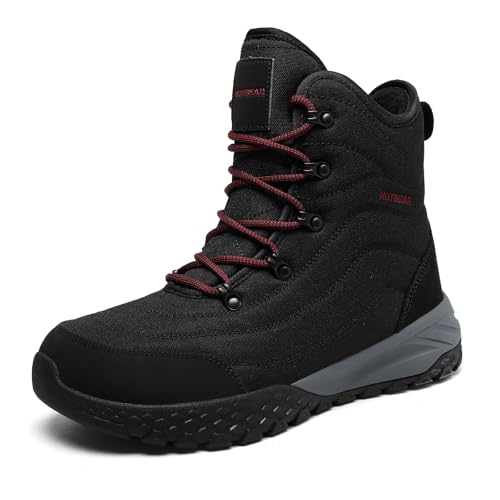
HOTBEAR Men’s Thinsulate Insulated Winter Snow Boots (Wide Toe Box)
Muck Arctic Pro Tall Rubber Insulated Boots (17-Inch Waterproof Shaft)

The short answer
- Best overall: Baffin Impact Men’s Boots — Removable liner, tall coverage, and snowshoe compatibility
- Best value: HOTBEAR Men’s Thinsulate Insulated Winter Snow Boots — Wide toe box and practical winter features
- Recommended: Muck Arctic Pro Tall Rubber Insulated Boots — Tall waterproof rubber for wet cold
- Best mukluk option: Wellco N-1B Air Force Snow Mukluks — Tall cotton duck upper and lace closure
- Best women’s duck boot: ALEADER Women’s Winter Duck Boots — Foldable design and seam-sealed construction
How We Chose These Extreme Cold Weather Boots
These picks come from comparing published specifications, materials, and documented features against what actually matters in this category: insulation, moisture protection, interior volume, and outsole traction. Warmth claims received less weight than construction because compressed insulation can lose useful loft, trapped sweat can make a boot feel colder, and a deep tread does not guarantee grip on glare ice. The Baffin Impact earns the lead because its listing combines a removable multilayer inner boot, aluminum heat-reflective layers, a tall upper, and explicit snowshoe compatibility. The HOTBEAR receives the value position for its wide toe box, taped seams, and documented 200g lining, though several claims are manufacturer statements rather than independently verified results. Tall rubber matters for slush, while mukluks suit different snow and walking patterns. Before ordering, check the size chart, available interior room with your socks, calf opening, and the exact binding clearance of your snowshoes. The listings do not provide washing instructions, so buyers should confirm care guidance with the manufacturer before cleaning or drying any liner.
Baffin Impact Men’s Boots (Removable Multilayer Liner)

- BrandBaffin
- Model4000-0048(10)
- Dimensions21.0 inches x 16.0 inches x 6.5 inches
- Weight7.42 Pounds
- Size / capacity10
- ColourBlack
- WarrantyManufacturer Warranty
Quick take: The Baffin Impact is the strongest all-round choice for people facing severe cold, snow, and snowshoe travel rather than ordinary winter errands.
The Impact is a mid-calf boot listed at 7.42 pounds in size 10, with a black finish and dimensions of 21.0 by 16.0 by 6.5 inches. Its construction pairs a leather and nylon upper with a locking snow collar, double buckles, an Arctic Rubber shell, an EVA midsole, and a Polar Rubber outsole. The important detail is the removable Comfort-Fit multilayer inner boot: Thermaplush, B-Tek Foam, hollow-fibre insulation, a vaporized aluminum membrane, PolyWool, Hydromax layering, and a waffle-comb footbed are all named in the listing. That is considerably more useful information than a single temperature slogan.
The removable liner gives moisture management and drying more attention than a permanently fixed interior, although the listing does not provide washing instructions or a verified independent temperature test. The manufacturer claims a rating as low as -148 degrees, but temperature ratings are not universal testing standards; wind, activity, dampness, socks, fit, and circulation still shape warmth. Compared with the Muck Arctic Pro, the Baffin has documented snowshoe compatibility and a removable inner system, while the Muck’s 17-inch rubber height is better suited to wet vegetation and deep slush. Weight is the major trade-off here, and a 7.42-pound listing makes this a serious cold-weather boot rather than an airport-transfer shoe.
Pros:
- Removable inner boot — The multilayer liner can be separated from the outer shell for more manageable drying.
- Snowshoe compatible — The listing directly identifies compatibility, reducing guesswork before a trip.
- Tall snow protection — The mid-calf height and locking snow collar help keep loose snow outside the upper.
- Cold-focused outsole — Polar Rubber is specified for grip and longevity in cold temperatures.
- Heat-reflective layers — The vaporized aluminum membrane and double aluminum insole are documented parts of the liner system.
Cons:
- Listed weight is substantial — The 7.42-pound specification makes this less appealing for light travel or long airport walks.
- Temperature claim needs perspective — The -148-degree figure is manufacturer marketing, not a universal rating standard.
- Care details are incomplete — Washing instructions are not listed, so liner and shell maintenance must be confirmed separately.
Why It Stands Out
Ideal for: Deep-cold travel, snowshoe users, and people who prioritize a removable liner and layered insulation. Pass on this if: You need a light everyday boot, prefer slip-on convenience, or mostly walk on cleared pavement.
HOTBEAR Men’s Thinsulate Insulated Winter Snow Boots (Wide Toe Box)
- BrandHOTBEAR
- Size / capacity10 Wide
- ColourBlack
In a nutshell: HOTBEAR is the best value pick for buyers who need generous toe room and a straightforward winter-hiking feature set without moving into the heavier tall-boot category.
The black HOTBEAR is listed in size 10 Wide and uses a nylon-PU laminate upper, taped seams, a diamond-tread rubber outsole, quick-tie laces, and a padded ankle collar. The wide toe box is the central fit feature, while the manufacturer claims a 200g lining and warmth down to -40°F. A roomy forefoot matters in extreme cold because compressed insulation can lose loft and restricted space can make socks and feet colder; the opposite problem also matters, since excessive empty space can reduce walking control and create heel lift.
On paper, the taped seams and nylon-PU upper make HOTBEAR a sensible wet-snow option, and the listing claims submersion resistance for eight hours in slush. Those are manufacturer claims, not verified test results. The deep-lug outsole is described as suitable for black ice and 40-degree slopes, but no winter tread guarantees grip on glare ice; removable ice cleats or microspikes may still be needed. Compared with the Baffin, HOTBEAR gives up the documented removable liner and snowshoe compatibility, but its wide fit may suit people who find heavily insulated boots too restrictive. The listing does not provide weight, dimensions, warranty, or washing instructions.
Pros:
- Wide toe box — The size 10 Wide listing leaves more room for socks and foot movement than a narrow winter fit.
- 200g insulated lining — The documented lining gives buyers more useful context than an unqualified warm claim.
- Taped seams — The construction targets snowmelt entering through the upper’s stitched areas.
- Rubber diamond tread — The outsole has a defined lug pattern for winter walking rather than a smooth casual sole.
- Orthotic-friendly design claim — The manufacturer states that the wide shape can fit orthotics and thick socks.
Cons:
- No listed weight — Buyers cannot compare carrying burden with the Baffin or Muck from the supplied specifications.
- No snowshoe information — Binding clearance and heel retention need to be checked before backcountry use.
- Marketing claims are unusually broad — The stated ice, slope, slush, and fatigue claims are not independent measurements.
The Real Deal
Great match for: Wide-footed winter walkers, budget-conscious travelers, and people looking for the best insulated boots for work when toe room matters. Think twice if: You need a tall shaft for deep powder, a removable liner, or documented snowshoe compatibility.
Muck Arctic Pro Tall Rubber Insulated Boots (17-Inch Waterproof Shaft)
- BrandMUCK
- ModelACP-998K-BRN-120
- Dimensions13.0 Inches x 11.0 inches x 6.0 Inches
- Weight2.25 pounds
- Size / capacity12
- ColourTan/Bark
Here’s the deal: The Muck Arctic Pro is the recommended choice for wet cold, slush, hunting ground, and standing around where a tall rubber shaft matters more than low weight.
The Arctic Pro is a tan and bark rubber boot listed at 2.25 pounds in size 12, with dimensions of 13.0 by 11.0 by 6.0 inches. Its 17-inch height, high-grade rubber, 8mm neoprene, fleece lining, 2mm thermal foam under the footbed, EVA midsole, stretch-fit topline, and Bob-Tracker outsole create a very different package from the Baffin’s removable-liner system. Rubber and neoprene are useful choices for wet snow because the shell is documented as 100% waterproof, while the topline helps keep debris and cold air away from the calf.
The manufacturer calls this Muck’s warmest boot and gives it a comfort range from -60°F to 30°F, but that range remains a manufacturer claim rather than a universal test result. Tall rubber is excellent for slush and standing in wet ground, yet it can be less pleasant for active walking if the shaft and insulation feel excessive; the listing does not provide a snowshoe-compatibility statement. Compared with the HOTBEAR, the Muck offers a much taller waterproof barrier and a listed weight, but it gives up the HOTBEAR’s wide-toe-box emphasis. The listing does not provide washing instructions or a warranty, so care guidance should be confirmed before treating the boot as a long-term work purchase.
Pros:
- 17-inch shaft — The tall profile protects more of the lower leg from slush, snow, and wet brush.
- 8mm neoprene — The specified material provides insulation, flexibility, and waterproofing in the listed construction.
- High-grade rubber shell — The boot is documented as 100% waterproof for wet outdoor conditions.
- 2mm thermal foam — Extra insulation sits beneath the footbed rather than relying only on the upper lining.
- Bob-Tracker outsole — The named aggressive outsole is designed for rugged outdoor ground.
Cons:
- No snowshoe compatibility listed — The tall rubber shape must be checked against the binding and heel system.
- Breathability trade-off — A waterproof rubber shell can trap perspiration, leaving insulation damp during active walking.
- Limited fit information — The supplied data do not list a wide toe box or interior volume.
Who Should Buy This
Perfect for: Wet-snow work, hunting, slush, and long periods standing outdoors. Not great if: You need a light hiking boot, frequent snowshoe binding changes, or a strongly documented wide fit.
For buyers comparing this model with other field footwear, our guide to choosing hunting boots is useful context for matching shaft height and ground conditions to the trip.
Wellco N-1B Air Force Snow Mukluks (Cotton Duck Upper)

- BrandWELLCO
- ModelBT-784-…
- Size / capacityLarge
- ColourSnow
Quick take: The Wellco N-1B is a tall mukluk-style option for buyers who value military-style cold-weather design cues, a lace-and-zip closure, and a 20-inch upper.
Wellco lists the N-1B as a snow-colored, Made in USA boot in size Large, with cotton duck uppers, rubber soles, a YKK zipper, and laces. The 20-inch height gives this boot the tallest stated upper in the group, which can be useful in deep snow when paired with suitable gaiters and clothing. The listing also says the upper is water repellent and fire resistant, but it does not provide a weight, dimensions, warranty, insulation figure, or washing instructions.
Mukluks deserve a different fit conversation from rubber boots. Their tall textile upper can suit powder and cold snow, but cotton duck is not the same waterproof barrier as a sealed rubber shell, so slush and persistent wet conditions deserve caution. The N-1B is also listed in broad size groups, with Large covering 9.5-10.5, so buyers should confirm how the selected size accommodates socks and foot shape. Compared with the Muck, Wellco has a taller stated upper but less documented insulation and waterproofing detail; compared with the Baffin, it lacks a stated removable liner and snowshoe compatibility.
Pros:
- 20-inch height — The tall upper is suited to deep snow where low boots allow snow over the collar.
- Cotton duck upper — The traditional textile construction is lighter in character than a full tall rubber shell.
- Lace and zipper closure — Two closure methods allow adjustment through the upper’s height.
- Rubber soles — The base provides a dedicated outdoor sole rather than a casual shoe bottom.
- Large size range — The listing defines Large as 9.5-10.5, giving a useful starting point for sizing.
Cons:
- Water repellency is not full waterproofing — The listing uses water repellent for the upper, so wet slush needs more caution than the Muck’s rubber shell.
- Insulation detail is missing — No lining, insulation thickness, or temperature rating is listed.
- Snowshoe fit is undocumented — The tall mukluk shape and closure need to be checked against the binding system.
Final Thoughts
Ideal for: Deep, cold snow, buyers drawn to a tall mukluk profile, and users who prefer laces plus a zipper. Pass on this if: Your route is dominated by slush, standing water, or warm wet snow and you need the most explicit waterproofing information.
ALEADER Women’s Winter Duck Boots (Seam-Sealed Waterproof Upper)

- BrandALEADER
- ModelAL2209W01A09BEIGE17900
- ColourBeige
In a nutshell: ALEADER is the most approachable option here for winter errands and moderate outdoor walking, especially for buyers who want a shorter duck-boot shape and adjustable styling.
The beige ALEADER Women’s Winter Duck Boot uses a PU combination upper, microfleece lining, soft insole, woven collar, two adjustable buckle straps, an adjustable lace-up closure, and a textured EVA outsole. The listing describes a foldable design with two looks and claims cold-weather use to -26°C, or -15°F. Seam-sealed waterproof construction is a useful detail for snowmelt, while the shorter duck-boot format is easier to live with during travel than a 17- or 20-inch field boot.
The EVA outsole is described as slip-resistant, but that wording should not be treated as proof of reliable glare-ice traction. This boot has less documented insulation detail than HOTBEAR, no stated snowshoe compatibility, and no listed weight, dimensions, size capacity, warranty, or washing instructions. Compared with the Baffin and Muck, ALEADER is better matched to walking, winter errands, and travel than prolonged exposure in severe cold. Buyers wanting a more technical pair should review fit around thick socks and confirm that the foldable shaft remains secure in the snow conditions expected.
Pros:
- Seam-sealed waterproof construction — The design addresses water entry through stitched areas during snow and slush use.
- Microfleece lining — The named lining adds interior warmth without relying on a temperature claim alone.
- Adjustable closures — Laces and dual buckle straps allow the upper to be secured around different clothing layers.
- Textured EVA outsole — The documented sole has a treaded surface rather than a flat casual base.
- Foldable design — The shaft can be arranged for two stated looks, which suits everyday travel use.
Cons:
- Moderate cold positioning — The listed -15°F claim is lower than the extreme figures attached to Baffin, HOTBEAR, and Muck.
- No snowshoe information — Binding clearance and heel retention remain buyer checks.
- No listed weight or dimensions — Travel convenience cannot be compared precisely with the other boots.
Our Take
Great match for: Women’s winter errands, travel, walking, and snow conditions where a shorter duck boot is more practical than a tall hunting boot. Think twice if: You stand outdoors for long periods in deep cold, need a roomy technical liner, or plan to attach snowshoes.
For broader guidance on waterproof upper care and material trade-offs, our complete guide to waterproof leather boots explains why surface material and seam construction deserve separate attention.
Extreme Cold Weather Boots Buying Guide
Fit, interior volume, and extreme cold weather boots
A roomy toe box matters because insulation works partly by trapping air in small cells; fleece, wool, and similar materials insulate by holding that air still. A boot that compresses those layers can feel colder, while an oversized boot can allow heel lift and reduce control. Thick socks should not be used to rescue a cramped fit. A merino wool or moisture-managing winter sock system works best when the boot still leaves useful room around the toes and instep.
Standing in snow versus actively hiking
People standing around in snow should prioritize tall coverage, warmth retention, and moisture barriers. The Muck Arctic Pro’s 17-inch rubber shaft and the Wellco N-1B’s 20-inch height suit that job better than the shorter ALEADER, while the Baffin’s multilayer liner is the strongest documented option for severe cold. Active hikers need to balance insulation against sweat: the HOTBEAR has a wide toe box and taped seams, but its bold traction and slush claims remain manufacturer statements.
Rubber, mukluk, or duck boot?
Tall rubber boots resist wet snow and slush well, but a sealed shell can trap perspiration and leave insulation damp during active movement. Mukluks may suit deep, cold powder but require more caution in wet slush; the Wellco listing says water repellent rather than fully waterproof. Duck boots such as ALEADER sit between everyday walking and harsher field use, with seam-sealed construction and a microfleece lining but less severe-cold detail.
Traction and snowshoe bindings
Deep tread alone does not guarantee grip on glare ice. Removable traction aids such as microspikes or ice cleats may be necessary, and snowshoe compatibility must be checked against boot width, heel shape, shaft bulk, and the binding system. The Baffin listing explicitly states snowshoe compatibility; the other four listings do not, so their binding fit should not be assumed.
Temperature ratings are not universal testing standards. Activity level, wind, moisture, fit, socks, circulation, and exposure all change how warm a boot feels, so manufacturer ratings should be treated as rough guidance rather than a promise. For information about protective footwear standards and compliance claims, consult ASTM International rather than assuming a marketing temperature figure represents a standardized test.
Our Final Recommendation
The Baffin Impact Men’s Boots are our overall winner because the specification combines a removable multilayer inner boot, tall snow protection, cold-focused rubber, and explicit snowshoe compatibility. The HOTBEAR Men’s Thinsulate Insulated Winter Snow Boots are the best value for buyers who need a wide toe box, taped seams, and documented 200g lining without a tall rubber shaft. The Muck Arctic Pro is the premium wet-cold choice, while Wellco and ALEADER suit more specific snow and travel needs. None should be bought on temperature marketing alone; fit, drying, moisture control, and binding compatibility decide the real match.
Frequently Asked Questions
How should I wash and dry insulated winter boots?
The supplied listings do not provide product-specific washing instructions, so check the manufacturer’s care guidance before using soap, a washing machine, or a dryer. Remove a liner when the design allows it, brush away loose dirt, and dry the liner and shell gradually at room temperature. Direct high heat can damage rubber, adhesives, insulation, and lining materials. Store the boots fully dry to reduce damage from repeated wet-dry cycles.
Are temperature ratings on extreme cold weather boots standardized?
No. Temperature ratings are not a universal testing standard, and the figures attached to these boots come from manufacturer listings. Wind, activity level, moisture, fit, socks, and circulation all affect warmth. The Baffin, HOTBEAR, Muck, and ALEADER claims should therefore guide comparison rather than promise a particular experience. A roomy but controlled fit and dry insulation often matter as much as the printed rating.
Which pair works best for wet snow and work outdoors?
The Muck Arctic Pro Tall Rubber Insulated Boots have the clearest wet-cold specification: high-grade rubber, a stated 100% waterproof construction, 17-inch height, 8mm neoprene, fleece lining, and 2mm thermal foam. That makes them the strongest candidate for wet ground and standing outdoors. The HOTBEAR may suit active work where toe room matters, but its traction and slush claims are manufacturer statements and its shaft is not described as tall.
Can these boots fit securely into snowshoes?
The Baffin Impact is the only product in this roundup whose listing explicitly states snowshoe compatibility. The HOTBEAR, Muck, Wellco, and ALEADER listings do not provide that information. Before taking any of them into the backcountry, check the binding manufacturer’s boot-size limits, heel retention, forefoot clearance, and shaft interference. A bulky or tall boot can fit inside a binding yet still prevent the binding from closing securely.