Best Nordic Country to Visit: What Travelers Should Know
Contents
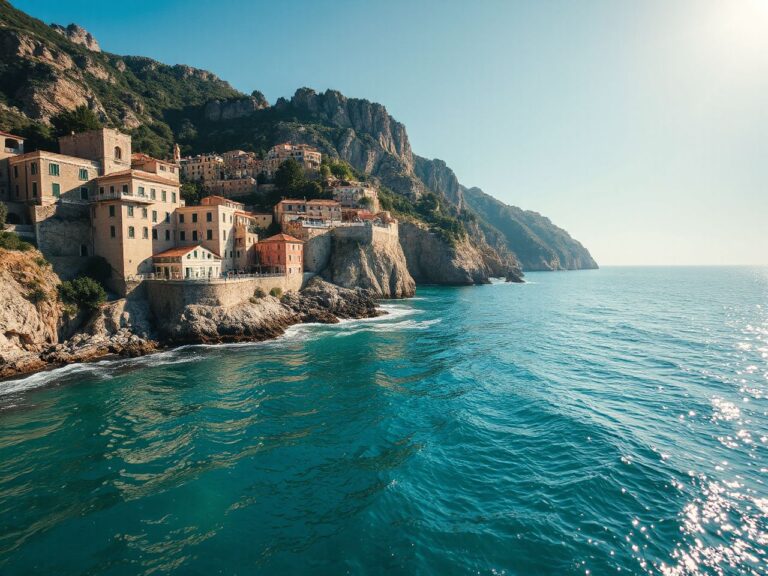
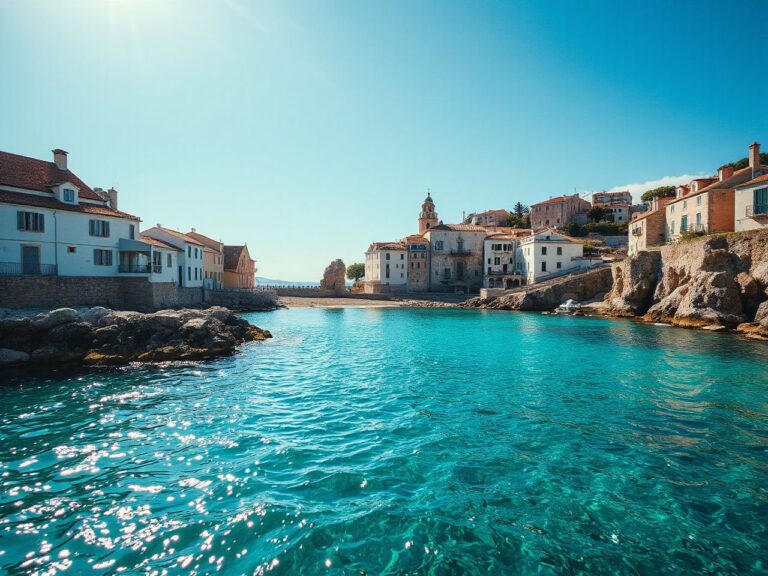
Choosing among the Nordic countries can feel harder than planning the trip itself. Norway promises fjords and mountain roads, Iceland brings stark volcanic scenery, and Sweden and Finland offer forests, lakes, and calmer outdoor travel. The useful comparison is not a league table of the best Nordic country; it is a match between a traveller’s priorities, the season, and the practical shape of the itinerary. A writer should separate the appeal of a country from the appeal of a particular region within it, then account for transport distances, daylight, weather, and whether the traveller wants cities, accessible nature, or remote landscapes. That is the sensible way to approach the search for the best Nordic country to visit.
Key Takeaways
- Choose Norway for fjords and mountain scenery, Iceland for dramatic open landscapes, Denmark for compact city travel, and Sweden or Finland for forests, lakes, and gentler nature trips.
- Season changes the practical answer because daylight, weather, transport, trail access, and winter conditions vary sharply across the Nordic region.
- Build around one country unless a border crossing or short transport link clearly improves the route; long distances can turn a holiday into a transport schedule.
How to choose the best Nordic country to visit
Step 1: Decide what kind of landscape you actually want
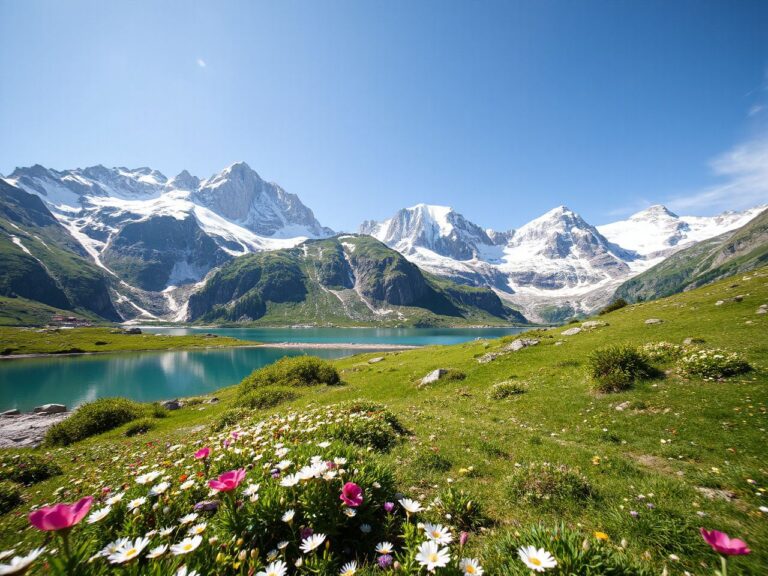
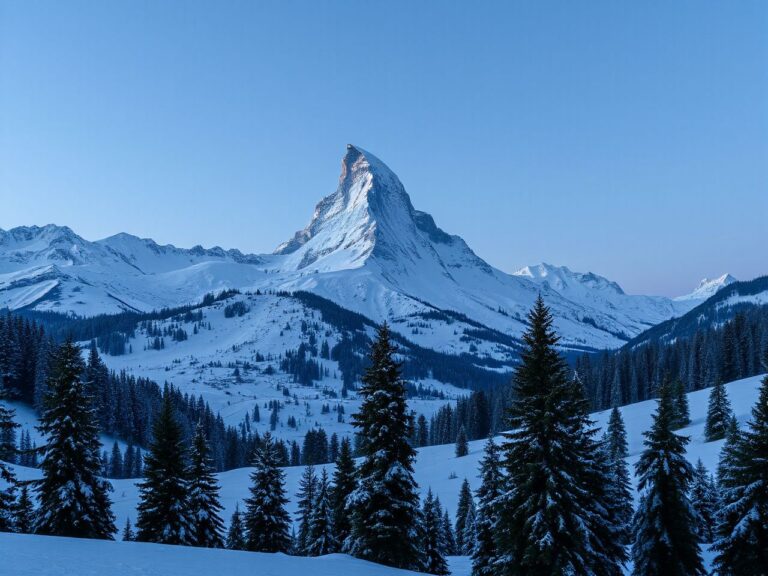
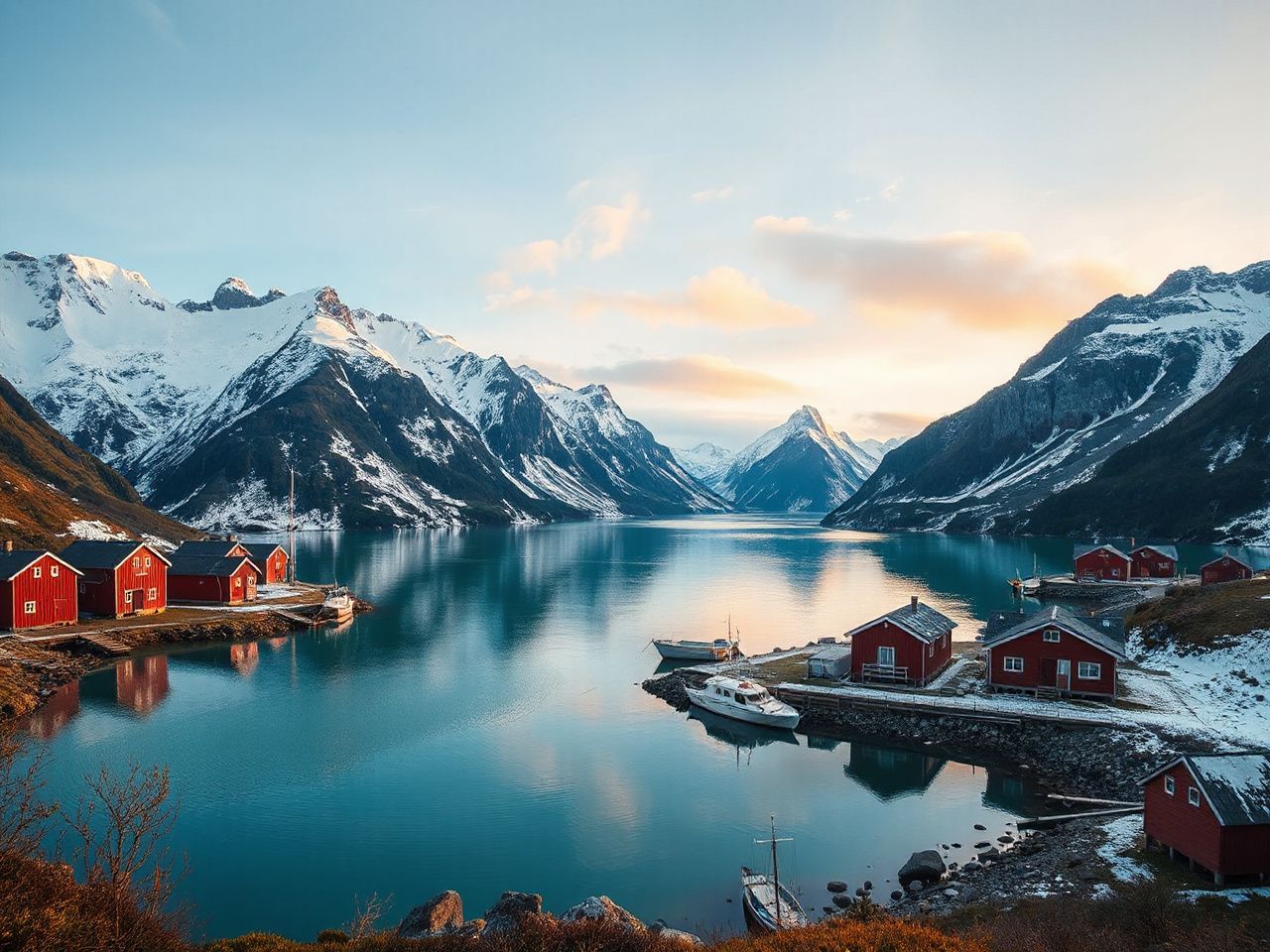
Start with the landscape rather than the country name. Norway suits travellers who want fjords, steep mountain scenery, coastal routes, and hiking that may demand careful footing, route planning, and tolerance for sudden weather changes. Iceland suits visitors drawn to broad, exposed scenery, waterfalls, volcanic terrain, black-sand coasts, and road journeys where wind and changing conditions can affect the plan.
Sweden and Finland make a different promise. Their forests and lakes support quieter trips, with room for walking, paddling, sauna culture, and nature stays that do not need to be built around dramatic mountain passes. Denmark is a practical fit for a city break, cultural stops, and shorter movements between places, although its landscapes do not offer the same mountain scale as Norway or Iceland.
Norway is the clearest match for fjord travel, while Finland and Sweden are stronger matches for forest-and-lake itineraries. The right choice depends on the physical setting you want to reach and the amount of effort required to reach it.
Step 2: Match your travel style to the route
A car can open up remote viewpoints, trailheads, and coastal roads, but a vehicle also creates responsibility. The driver must allow for narrow roads, ferries, weather exposure, fatigue, and long gaps between planned stops. Off-road riding and remote travel require even more discipline: a scenic route is not automatically a safe route, and a map line does not remove the need to check local access rules or current conditions.
Travellers who prefer rail, ferry, and urban public transport should look first at Copenhagen, Stockholm, Helsinki, and other connected city bases. Norway can work without a car if the route is built around public transport and selected regions rather than an attempt to cover the entire country. Iceland can also be visited without driving, but the itinerary must accept fewer spontaneous stops and less access to remote areas.
A car-free Nordic itinerary works best when the traveller chooses a small number of bases instead of trying to connect every famous landscape. Transport is part of the trip, not empty space between attractions.
Step 3: Check your tolerance for exposure and changing conditions
Outdoor ability matters more than dramatic photographs suggest. A paved viewpoint and a remote mountain trail belong to different risk categories. Fjord travel may involve steep terrain, wet rock, changing visibility, and boat or ferry connections. Icelandic landscapes can feel open and simple to cross while offering little shelter from wind or weather. Forest trails in Sweden and Finland may be less exposed, yet remoteness still affects navigation, communications, and access to help.
Before committing to a route, check trail conditions, road status, ferry schedules, weather warnings, and local rules for camping, fires, and access to land. The UK Foreign, Commonwealth & Development Office provides country travel advice that can help travellers review safety and entry information before departure.
Country-by-country guide for cities, nature, and adventure
Denmark: the compact city and culture choice
Denmark is a strong fit for travellers who want cities, design, food, museums, and manageable transfers. Copenhagen works well as a base, while Aarhus offers another urban stop with a different rhythm. Roskilde lies 30 km west of Copenhagen, and the train journey from Copenhagen takes under 30 minutes, making it a straightforward addition to a city-focused route.
Roskilde Cathedral has UNESCO World Heritage Site status, so the town adds cultural weight without demanding a long expedition. Roskilde and the Viking Ship Museum can be paired with other Zealand stops, while coastal areas and smaller towns create room for a slower itinerary.
Denmark is not the choice for high mountain hiking or remote wilderness. It is better suited to visitors who value accessible culture, cycling-oriented exploration, coastal scenery, and a trip where missed connections are less likely to consume an entire day.
Norway: fjords, mountain roads, and demanding terrain
Norway is the natural choice for fjords, high viewpoints, coastal landscapes, and hiking routes that reward careful preparation. Larvik offers a gentler coastal entry point, while the Lofoten Islands bring sharper mountain-and-sea scenery. Svalbard belongs in a separate planning category because remote Arctic travel involves greater logistical dependence and stronger consequences for poor preparation.
Norwegian landscapes can make distances look deceptively short. A route that appears simple on a map may involve winding roads, ferries, weather delays, or a long return journey. Hiking requires more than general fitness: footwear, navigation, clothing for rain and wind, and a clear turnaround decision all matter.
Norway’s fjord routes demand flexible scheduling because road, ferry, and weather changes can affect access to outdoor areas. A traveller who wants to ride mountain roads should plan fuel, rest, weather alternatives, and legal access before leaving a settled area.
Sweden: forests, lakes, cities, and wide regional variety
Sweden suits travellers who want a balance between urban culture and broad natural spaces. Stockholm is the obvious city anchor, while Jukkasjärvi offers a northern setting and Strömstad gives access to a different coastal environment. Sweden’s size is easy to underestimate, so a route linking southern cities with far-northern landscapes may require more travel than a first glance suggests.
For hiking, Sweden can be a good match for visitors who prefer forests, lakes, and long-distance outdoor routes over steep fjord terrain. Conditions still change, and remote trails should be treated with respect. A calm-looking woodland route can create problems if the traveller has poor navigation, inadequate clothing, or no plan for a late return.
Finland: lakes, forests, saunas, and low-key nature
Finland is well suited to a slower trip built around lakes, forests, sauna culture, and quiet outdoor time. Helsinki and Turku provide city and coastal options, while Suomenlinna offers a cultural excursion close to Helsinki. Lapland changes the character of the journey, especially for travellers seeking northern landscapes, winter darkness, or a chance to plan around the northern lights.
Finland is a sound choice for families and low-key nature travellers who want outdoor access without making every day a strenuous hike. That does not remove the need for preparation. Snow, darkness, remoteness, and changing trail conditions can turn a simple walk into a serious outing, especially farther north.
Finland is a strong choice for travellers who want nature to shape the trip without making technical hiking the main event. Build in rest and keep the daily route modest enough to remain enjoyable if the weather turns.
Iceland: dramatic scenery and exposed road travel
Iceland is the clear match for travellers who want volcanic landscapes, waterfalls, open coastlines, and a concentrated sense of geological drama. The Ring Road creates a natural framework for a larger journey, while the Westfjords and the Diamond Circle offer distinct regional experiences. Lake Mývatn adds another useful northern base for travellers exploring the surrounding landscape.
The danger is treating Iceland as an easy scenic drive simply because many attractions are visible from roads. Wind, visibility, changing road conditions, and long exposed stretches can complicate plans. A driver should check road status and weather before setting out, avoid rushing between stops, and keep a realistic alternative for days when the route becomes unsafe or impractical.
The Faroe Islands and Greenland: Nordic territories that need separate planning
The Faroe Islands and Greenland are autonomous parts of the Kingdom of Denmark, but they should not be treated as quick extensions of a Denmark city break. Island or remote-region travel brings different transport dependencies, weather concerns, and access questions. A visitor should check local transport, sea crossings, accommodation availability, and outdoor rules before adding either destination.
The Faroe Islands and Greenland require separate logistics from mainland Denmark. Their inclusion can be worthwhile for travellers seeking remote coastal or Arctic landscapes, but the route should be built around local conditions rather than a rushed country-counting plan.
Seasonal planning: summer, winter, and shoulder travel
Summer: long daylight and wider outdoor access
Summer is the easiest season for ambitious outdoor planning because long daylight can extend the usable part of the day. Norway’s fjords, Sweden’s forests, Finland’s lakes, and Iceland’s open landscapes all become attractive, but long daylight can create a false sense that every plan is manageable. Fatigue still builds during long driving days, and weather can still close or disrupt outdoor access.
Travellers seeking the midnight sun should look north, particularly toward northern Norway, northern Sweden, Finland’s Lapland, Iceland, or the Faroe Islands. The exact experience varies by latitude and date, so a route should be planned around the destination’s daylight pattern rather than a general idea of summer.
Winter: darkness, snow, and northern lights
Winter changes the trip from a sightseeing circuit into a conditions-led journey. Short daylight, snow, ice, wind, and closures can limit driving, hiking, boat travel, and access to remote attractions. Norway, Sweden, Finland, and Iceland can all offer compelling winter experiences, but the right choice depends on whether the traveller wants a city break, snow-based activities, quiet landscapes, or a northern-lights attempt.
Finland’s Lapland and northern Sweden are strong candidates for a winter trip centred on forests, snow, and darkness. Northern Norway also offers a compelling northern-lights setting alongside coastal scenery. Iceland can provide dark skies and dramatic winter landscapes, but exposed roads and wind make flexibility especially important.
No Nordic destination can guarantee northern lights because the display depends on natural conditions and clear enough skies. Improve the chance of seeing them by spending several nights in a suitable northern region, keeping the schedule flexible, and accepting that cloud or travel disruption may prevent a sighting.
Shoulder seasons: quieter routes with greater uncertainty
Spring and autumn can bring quieter streets and a more subdued travel experience, but outdoor access is less predictable. Snow may remain in northern areas, trails may be wet or closed, and some seasonal transport or attractions may operate on reduced schedules. Shoulder travel can suit city breaks and flexible travellers who would rather adjust the plan than follow a fixed outdoor itinerary.
Check each region separately. The season in Copenhagen does not describe the conditions in Lofoten, Lapland, the Westfjords, Greenland, or Svalbard.
Transport, cost, borders, and itinerary design
How much should a Nordic trip cost?
A responsible answer cannot give one useful total without knowing the country, season, accommodation style, transport choices, trip length, and outdoor activity plan. Denmark city travel, a Norwegian fjord route, an Iceland road trip, and a remote Greenland itinerary have different cost structures. The largest pressures usually come from lodging, transport, food, and activities, but the balance changes by destination and route.
Use a written budget rather than a country label. Separate accommodation, intercity transport, car or ferry costs, food, entry fees, outdoor equipment, and a reserve for weather-related changes. Currency also varies across the Nordic countries, so confirm current exchange arrangements before travelling. A broader planning reference is available in this guide to choosing destinations that may suit a tighter travel budget, but Nordic costs still need to be checked country by country.
Should you combine countries?
Combining Denmark, Sweden, Norway, Finland, or Iceland can work when the route follows a sensible transport corridor and the traveller accepts that each additional border or transfer consumes time. A city-focused trip can combine nearby capitals more easily than a wilderness trip can combine distant regions. Adding Iceland, Greenland, the Faroe Islands, or Svalbard changes the logistics again.
For a first visit, choosing one country and exploring one or two regions usually works better than collecting several passport stamps. A multi-country trip makes more sense when the transport connection is simple, the trip has enough time, and the traveller genuinely wants contrasting landscapes rather than a rushed sample of each.
Visa rules, Schengen, and border checks
Schengen participation, passport requirements, and entry conditions depend on the traveller’s nationality and the exact territories on the route. Mainland Nordic countries may fit within a Schengen itinerary, but non-Schengen Nordic territories require separate checking. The European Union’s official travel and entry information is a useful starting point, followed by the immigration authority or embassy relevant to the traveller’s passport.
Border-free movement within a travel area does not mean every document rule disappears. Keep passports or required travel documents accessible, confirm airline and ferry requirements, and check conditions again before departure if the itinerary includes the Faroe Islands, Greenland, or other territories with separate entry arrangements.
How to plan outdoor days safely
Begin each outdoor day with a route review. Check the surface, elevation changes, exposure, weather, daylight, transport return, and the point where turning back becomes the sensible choice. For canyon trails, desert crossings, mountain passes, or remote coastal paths, the core skill is recognising when the environment has exceeded the plan.
Carry clothing suited to changing weather, navigation tools, water, food, and a communication plan appropriate to the area. Follow local rules for camping, fires, vehicles, and access to land. Do not assume that a marked trail removes the need for judgment.
Remote Nordic travel becomes safer when the itinerary includes a clear turnaround point and a realistic escape plan. The right gear cannot compensate for a route that leaves no time or transport margin.
For readers comparing broader travel choices, the Nordic Countries Travel: Your Complete 2026 Guide provides a useful companion to this country-by-country approach. The distinction between the region and the subregions also matters, as explained in this guide to Nordic and Scandinavian countries.
Direct recommendations by traveller type
For a city break
Choose Denmark for a compact culture-led trip, especially if Copenhagen and Roskilde fit the plan. Sweden works for a larger city-and-archipelago style itinerary centred on Stockholm, while Finland suits travellers who want Helsinki, Suomenlinna, and a calmer coastal atmosphere.
For hiking
Choose Norway for fjord and mountain terrain if you are prepared for exposure, wet conditions, route changes, and demanding transport. Choose Sweden or Finland for forest and lake hiking if you prefer less dramatic topography and a quieter nature focus. Iceland suits experienced travellers who understand that open terrain and road access can still create serious complications.
For families
Denmark is practical for a culture-focused family trip with shorter movements. Finland can work well for families who want forests, lakes, sauna culture, and a slower pace. Norway suits families ready to plan around ferries, weather, and outdoor effort rather than expecting every scenic stop to be effortless.
For a low-key nature trip
Finland is the clearest match for quiet forests, lakes, and a slower rhythm. Sweden offers a broader range of nature settings, while Denmark provides accessible coastal and rural escapes close to cities. Iceland and Norway are better for travellers who want nature to feel visually dramatic and are comfortable with greater exposure or transport complexity.
Frequently Asked Questions
Which Nordic country is best for fjords, forests, and dramatic landscapes?
Norway is the strongest match for fjords and steep coastal mountain scenery. Iceland suits travellers seeking exposed volcanic landscapes and road-based sightseeing. Sweden and Finland are better choices for forests, lakes, and quieter nature trips. The choice should also reflect your tolerance for driving, hiking, weather changes, and remote transport.
Which Nordic country is easiest to visit without renting a car?
Denmark is usually the simplest fit for a compact city and culture itinerary because Copenhagen and Roskilde connect well by train, with Roskilde less than 30 km west of Copenhagen and the train journey taking under 30 minutes. Stockholm and Helsinki also support car-free city breaks. Remote Norwegian, Icelandic, and Arctic routes require more careful transport planning.
Where should I go for the northern lights?
Consider northern Norway, Finnish Lapland, or northern Sweden for a trip centred on dark winter landscapes and northern-lights viewing. Iceland can also suit travellers who want dramatic scenery alongside a lights attempt. No destination can promise a sighting. Cloud, daylight, weather, and transport conditions remain outside the traveller’s control.
Is one Nordic country better than combining several?
One country is usually the better structure for a nature-focused trip because distances can be much greater than the map suggests. Combining countries works for a city itinerary with sensible transport links and enough time for delays. Check passport rules, Schengen conditions, currencies, ferries, and domestic connections before adding a second country or a non-mainland territory.