Wilderness State Park Michigan: Getting It Right in 2026
Contents
10,512 acres make Wilderness State Park a place where choosing a campsite can shape your whole trip. The key distinction at Wilderness State Park is between inland forest campsites and those exposed to Lake Michigan. They can have very different wind, temperature, insect, and weather conditions. A good guide should separate what applies across the park from what depends on the specific campground, season, reservation, or Michigan Department of Natural Resources notice.
That distinction matters especially to motorcycle campers. I check security and access before I think about sleeping comfort: a site with a sensible place to keep a motorcycle, a clear arrival route, and no need to leave riding gear scattered in the weather deserves attention before Wi-Fi or cabin furnishings. The park is in Bliss Township in Emmet County, near the Straits of Mackinac, with forest, wetlands, beaches, and long stretches of shoreline to manage carefully.
Key Takeaways
- Choose between sheltered forest camping and exposed Lake Michigan shoreline based on wind, weather, insects, and access needs.
- Confirm the campground area, seasonal facilities, reservation status, entry requirements, and current notices with the Michigan Department of Natural Resources.
- Plan for variable cell service, changing trail conditions, food storage, firewood rules, shoreline hazards, and responsible waste handling.
- Keep motorcycle security, dry gear storage, navigation, and emergency communication in the plan before selecting a site.
Wilderness State Park in Michigan: choose the setting before the site
Start with the campground area
Wilderness State Park offers a 250-site campground, along with nine rustic cabins and three rustic bunkhouses. These options don’t all provide the same camping experience. A forested site might feel calmer and offer more natural shelter, while a shoreline site can be more exposed, colder, windier, and see faster weather changes.
The park contains 2,582 acres of natural areas and 4,492 acres of wilderness area. A large, varied park needs careful site selection. Don’t just pick the first available reservation. Read the campground description, map, access notes, and current operating info before booking.
- Inland forest setting: Consider this type of area if shelter from open lake wind, a quieter gear routine, and easier control of cooking and sleeping space matter most.
- Shoreline access: Select with care if beach time, sunrise, stargazing, or water views are central to the trip. Exposure can change the comfort and safety picture quickly.
- Cabin or bunkhouse: These can change the amount of camping equipment required, but they do not remove the need to check access, parking, rules, weather, and current facility details.
- Motorcycle arrival: Look for a firm, practical parking arrangement and enough room to unload without blocking traffic or placing the bike beside low ground that may soften after rain.
Different campground areas might have different services, so a park-wide description can’t confirm the exact toilets, water access, trash, or seasonal amenities at one site. The Michigan Department of Natural Resources should be your final check for current campground info, reservations, closures, fire restrictions, and changes. Its official info is available through Michigan.gov.
Match the stay to the weather exposure
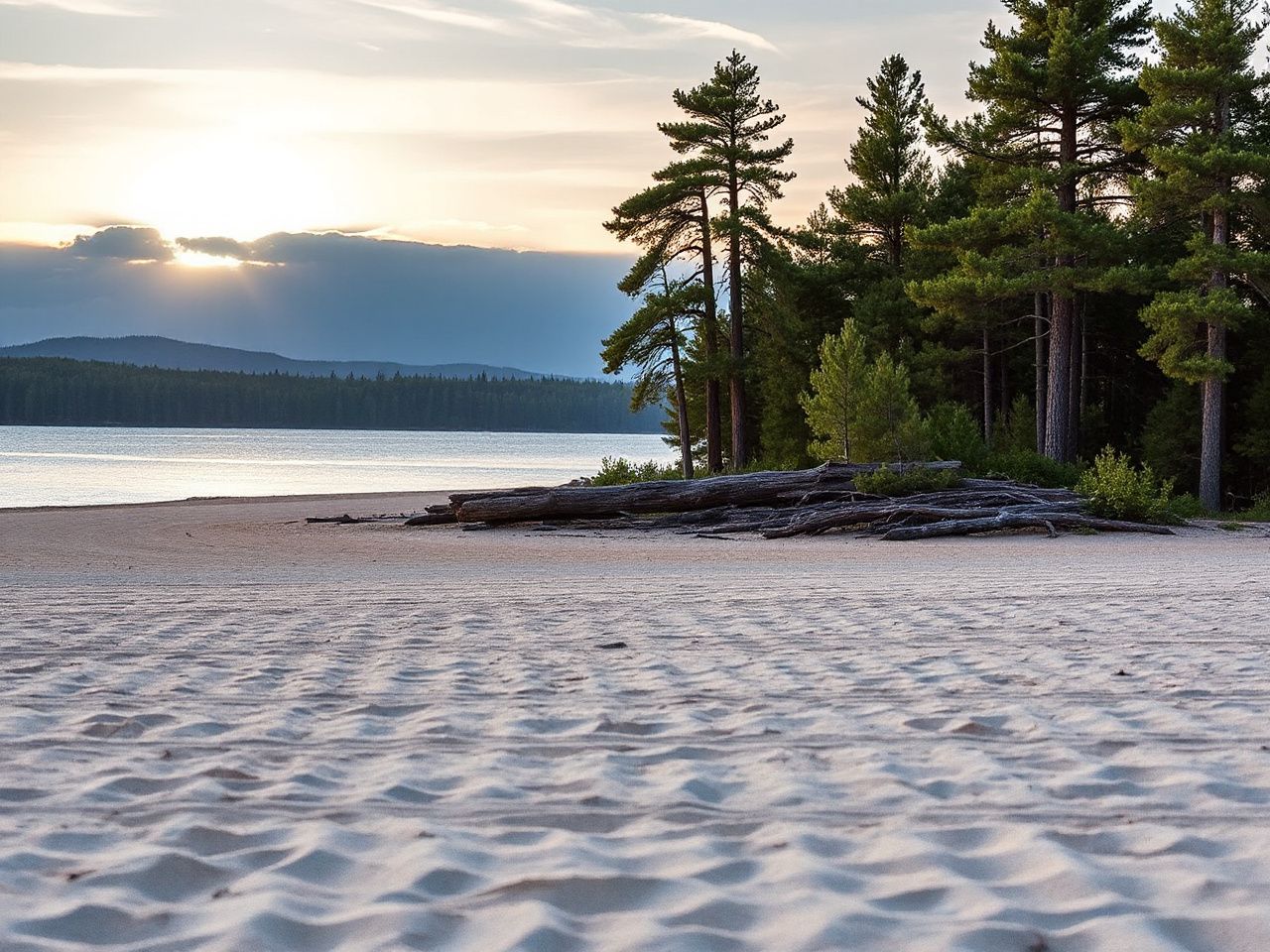
Lake Michigan exposure can bring strong wind, quick weather shifts, cold water, and dangerous waves even if the campsite feels sheltered. Just because a forest site is calm doesn’t mean the nearby beach is safe for swimming, wading, paddling, or walking close to the water.
Treat the shoreline as a separate outing rather than part of your camp. Check the forecast before leaving the site, keep a dry layer handy, and turn back when wind, waves, lightning, poor visibility, or unstable footing make the route risky. The beach may be your destination, but the return route should be part of your plan.
Know what surrounds the park
Wilderness State Park is part of the wider Straits of Mackinac region. The Mackinac Bridge, Sturgeon Bay, and Waugoshance Point help orient a trip, but a familiar regional landmark doesn’t replace a route plan inside the park. The North Country Trail offers a longer-distance hike near the Straits, while shorter walks and outings may suit campers who prefer less mileage.
The park is also habitat for wildlife including muskrats, mink, bobcats, beaver, American black bear, and otter. Those animals are part of the setting, not attractions to approach. Keep food, rubbish, and scented items managed according to current park directions, and never leave food spread around a tent or cooking area.
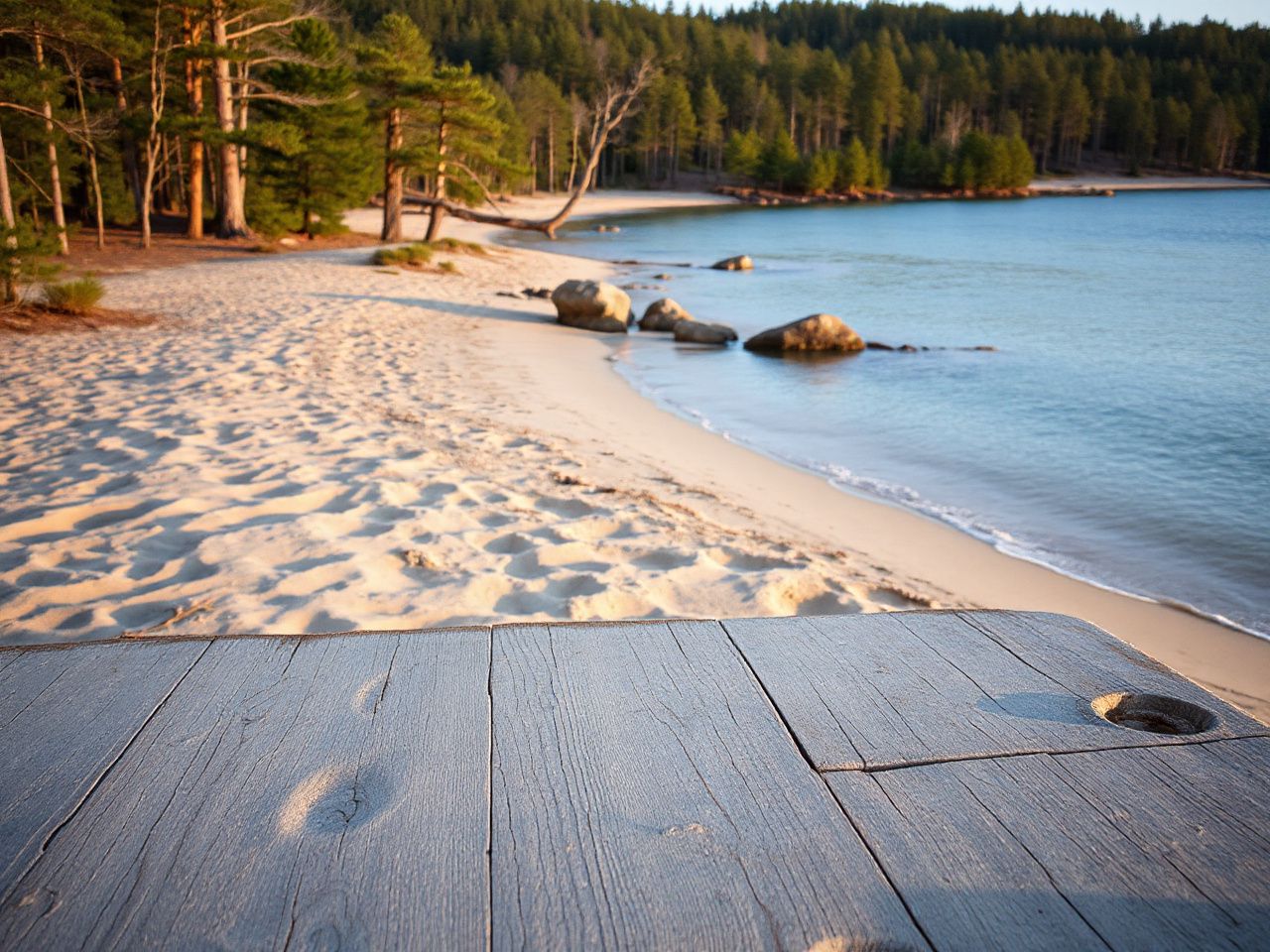
How camping at Wilderness State Park works
Step 1: Check the official operating details
Wilderness State Park remains accessible throughout the year, but year-round access does not mean that every campground service operates in every season. Potable water, restrooms, trash collection, staffed services, road conditions, and other amenities can vary by campground area and operating period.
Before setting out, verify the reservation status, check-in instructions, entry requirements, seasonal facility notes, current alerts, and any restrictions posted by the Michigan Department of Natural Resources. Save important information before leaving strong service. A phone is useful, but it should not be the only record of your reservation or route.
The Michigan state park reservation system is the starting point for available sites and accommodation details. Read the site description rather than assuming that a reservation guarantees a particular view, surface, level of ground, or degree of privacy. A reservation secures the listed accommodation under its terms; it does not remove the need to inspect the site on arrival.
Step 2: Prepare for check-in and arrival
Carry the reservation details, identification or payment information required by the park, and a written or offline copy of the route. Arrive with enough daylight to inspect the ground, locate facilities, identify the parking position, and set up before weather or darkness makes small tasks difficult.
Motorcycle campers should unload carefully. Keep the bike upright on a stable surface. Avoid placing luggage where others must walk. Use the designated parking area instead of improvising beside vegetation or trails. Covered parking, alarmed lots, or ground anchors aren’t guaranteed at state park campsites. Always confirm what’s available and plan to secure the motorcycle with the equipment and site setup you have.
A campsite is ready for use only after the rider can account for the motorcycle, keys, documents, fuel-related items, wet gear, food, and rubbish. This simple inventory prevents a late search in rain or darkness.
Step 3: Inspect the site before pitching
Walk the site slowly. Look for low ground that may collect water, hanging branches, unstable soil, exposed roots, poison ivy, ant activity, and a safe distance from the fire ring. Check the path between the tent, toilet, water source, and motorcycle before spreading equipment across the site.
Don’t alter natural features or cut vegetation to improve a site. Keep tents and vehicles within the designated footprint. Leave space for emergency access and follow posted rules about fires, washing, waste, and quiet hours. If the site doesn’t match your reservation or seems unsafe, contact park staff instead of creating a new parking or camping arrangement.
Step 4: Set up a weather-ready camp
Rain preparation begins before rain arrives. Keep sleeping gear inside waterproof bags, place riding clothing where it can dry without blocking the tent entrance, and make sure the shelter sheds water away from the sleeping area. Never depend on a forecast remaining unchanged through a shoreline stay.
Wind gets attention too. Tighten shelter lines, remove loose objects from tables and bikes. Avoid placing lightweight equipment where a gust can carry it into another campsite or toward the water. Lake Michigan weather can change while inland campsites still feel comfortable.
Insects change with forest, wetland, shoreline, season, and weather. Wear long clothing, check exposed skin and clothing for ticks after hiking. Keep tent doors closed. Poison ivy and unstable ground also need attention because a route that looks easy from the road may cross damp, uneven, or overgrown terrain.
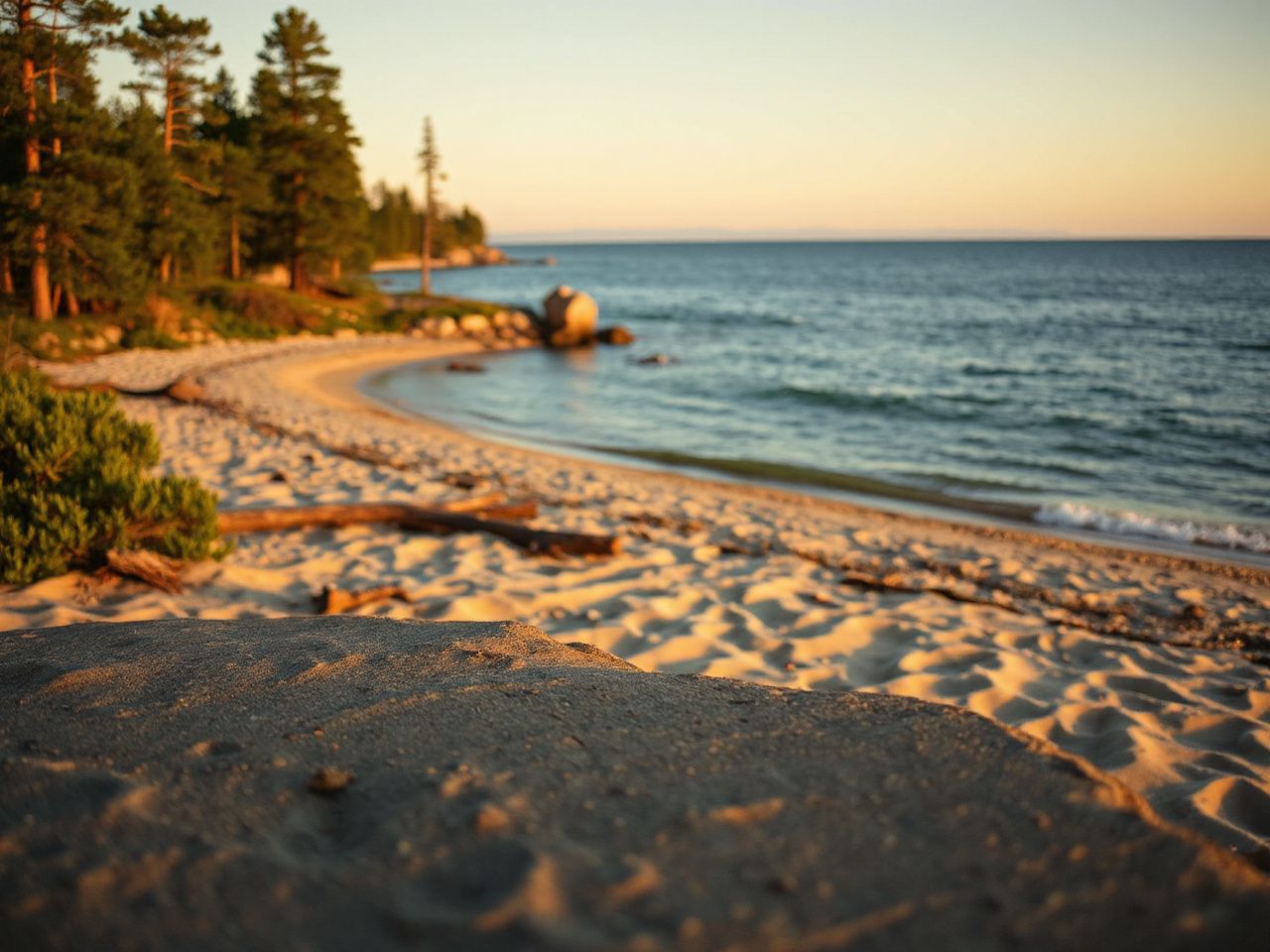
Facilities, food, fire, and shoreline safety
What to expect from facilities
The park’s campground, rustic cabins, and bunkhouses offer different levels of shelter. But verified park information doesn’t confirm that every location has the same facilities. Toilets, potable water, trash service, showers, and seasonal amenities need to be confirmed for the specific campground and travel dates.
Bring enough water for the period between refill points, especially if you’re leaving the developed campground for a hike. Don’t assume a nearby lake, bay, or stream is safe to drink from. Lake Michigan and Sturgeon Bay are recreational waters, not sources of treated potable water.
Toilets and trash facilities only work well when campers use them properly. Keep waste out of fire rings, latrines, trails, shoreline vegetation, and water. If a bin is full, follow the park’s current instructions rather than leaving bags beside it.
Food storage in a forested park
Food storage starts as soon as you arrive. Keep meals, snacks, cookware, rubbish, and scented toiletries together as posted park rules require. Clean spills immediately. Don’t leave a food bag on the picnic table while walking to the beach or restroom.
Wildlife can learn quickly that campsites contain food. A tidy cooking area protects the campsite experience and reduces the chance of attracting animals. The same rule applies to motorcycle panniers: a closed case may protect gear from rain, but it should not be treated as an approved wildlife-storage system unless the park specifically permits it.
Firewood and campfire duties
Rules about transporting firewood exist to prevent pests and disease from spreading. Check Michigan’s current requirements before bringing wood from home. Only buy or gather wood using methods allowed by the park and follow any local restrictions during the visit.
Use the designated fire ring, keep the fire manageable, and never leave flames or hot coals unattended. Before leaving, ensure the fire is fully out following the park’s instructions. Do not scatter ashes and coals, pour water on them, or hide them under soil.
Fire restrictions can change depending on weather and local conditions. The Michigan Department of Natural Resources is the best source to confirm those rules before traveling. Don’t rely on memories from previous seasons.
Lake Michigan beach and shoreline safety
Cold water, dangerous waves, shifting wind, slippery surfaces, and changing visibility can make a shoreline outing hazardous. Keep a safe distance from wave action, avoid climbing unstable banks or rock, and leave the water when conditions deteriorate.
Shoreline habitat also deserves restraint. Nearly the full length of the shoreline within the park’s proposed natural areas is reserved as critical habitat for the federally endangered piping plover. Give posted habitat areas a wide berth, keep dogs under control where permitted, and do not disturb nests, vegetation, shells, or wildlife.
Beach safety is a personal responsibility, but checking official weather info helps. The National Weather Service offers current forecasts at weather.gov. Always check the forecast before a long shoreline walk and again before heading back.
Hiking, dogs, navigation, and seasonal planning
Trails and outdoor activities
Wilderness State Park offers various activities. You can do forest walks, access the beach, observe wildlife, go stargazing in northern Michigan, or hike parts of the North Country Trail. Conditions vary, so gear, clothing layers, water, and routes should match the terrain and weather, not just the activity.
Stargazing works best where artificial light is limited. Night travel creates its own set of challenges. Carry a reliable light and keep track of your route back to camp. Avoid wandering near the shoreline without a clear plan to return. Darkness can hide roots, wet ground, and trail changes.
Winter camping, snowshoeing, and cross-country skiing require a separate preparation standard. Short daylight, snow-covered routes, cold exposure, frozen water access, and closed or reduced seasonal services can change the trip completely. Check winter operations and current conditions before leaving, and do not assume that summer roads, toilets, or water points remain available.
Dogs and protected places
Dogs might be allowed in some camping and recreation areas, but rules aren’t the same everywhere. Confirm the current rules for campsites, trails, beaches, buildings, and natural areas before you arrive. Keep your dog controlled, prevent chasing wildlife, and carry waste away from shared facilities and water sources.
Protected habitats need extra care. Houghton’s goldenrod and Pitcher’s thistle are threatened plants found in the park. Staying on permitted routes helps protect these plants, which can be hard to replace once trampled. Just because a campsite is dog-friendly doesn’t mean every beach or trail is suitable for dogs.
Cell service and emergency planning
Cell service and emergency access can’t be relied on everywhere in the park. Carry offline maps, a paper route note, weather info saved beforehand, a first-aid kit, and a communication plan that doesn’t depend solely on a phone.
Tell someone outside the park where you’ll be camping, your planned trail or shoreline, and your expected return time. If conditions change, return early rather than relying on an uncertain signal. Riders should also keep keys, ID, medical info, and roadside assistance details somewhere secure and easy to access.
A phone can fail because of low battery, poor coverage, water, cold, or damage. A written plan remains useful when the screen does not.
Costs and the full trip budget
The total cost of a trip can include a reservation fee, park entry, campsite or cabin charges, firewood, food, water, fuel, and supplies for changing weather. The exact amount depends on your choice of accommodation, dates, reservation terms, and current park rates. No single figure can be considered a universal price.
Plan your budget before booking. Add costs for travel fuel, weather contingencies, replacement food-storage supplies, and extras needed for cabins, bunkhouses, or different campgrounds. A cheaper reservation might become less practical if it means an unplanned long drive for water, firewood, or missing cooking gear.
How the park compares with nearby alternatives
Wilderness State Park features a wide forest and shoreline setting near the Straits of Mackinac. A smaller state park might suit someone wanting a more compact campground. Another park could focus more on a different beach, forest, or developed facilities.
For comparison, the McLain State Park camping and trails guide can help understand how another Michigan park manages a different setting. Focus on access, current facilities, shoreline exposure, reservation details, and motorcycle parking instead of ranking.
Readers planning other Michigan camping trips can also review the complete guide to Albert E Sleeper State Park. The key question is which park fits the planned route and risk level, not which destination has the most appealing photo.
A practical departure checklist
Before leaving camp
- Inspect the fire ring and follow current instructions for extinguishing and disposing of coals.
- Pack all food, rubbish, toiletries, and cooking residue.
- Check beneath tables, around the tent, and beside the motorcycle for small gear.
- Remove temporary lines, stakes, tape, and personal markers.
- Leave plants, wood, stones, shells, and habitat undisturbed.
- Report damage, unsafe conditions, or missing facilities through the park’s current contact method.
Leave No Trace is easiest when the campsite is packed up in the same order it was unpacked. Leaving it clean helps protect the next camper, wildlife, water, and the fragile boundary between forest and shore.
What first-time campers usually misjudge
- Shoreline distance: A nearby beach can still require gear for wind, cold, waves, and a dark return.
- Facility availability: A park-wide description does not guarantee that every campground area has the same water, toilets, trash service, or seasonal amenities.
- Phone coverage: A route and emergency plan should work offline.
- Insects and plants: Forest, wetland, and shoreline conditions require clothing and trail awareness.
- Motorcycle storage: A campsite does not automatically provide covered parking, alarms, or a ground anchor.
- Weather margin: A comfortable morning does not guarantee a comfortable afternoon near Lake Michigan.
Wilderness State Park favors preparation that is specific rather than elaborate. Pick the campground area based on what conditions you can handle, check current rules, secure the motorcycle and food, and view the shoreline as an environment that changes. This method leaves more space for hiking, stargazing, quiet forest time, and a safer ride back across the Mackinac Bridge region.
Frequently Asked Questions
Is Wilderness State Park in Michigan suitable for a motorcycle camping trip?
Yes, if the rider plans around the actual campsite instead of assuming hotel-style parking. Confirm where parking is allowed, inspect the ground after arriving, and keep the motorcycle, keys, luggage, and riding gear organized. Covered parking, alarmed lots, and ground anchors aren’t always available at a state park campsite. Shelter from wind and a dry spot for gear might matter more than a shoreline view.
How should I choose between inland and Lake Michigan camping areas at Wilderness State Park?
Opt for an inland forest setting if shelter, easier weather control, and a calmer gear routine are priorities. Choose a shoreline area if beach access, views, or stargazing matter more, but be ready for stronger wind, cold water, waves, insects, and rapid weather shifts. Always check the specific campground facilities and current notices, as conditions change by area and season.
What should I check before reserving a campsite at Wilderness State Park in Michigan?
Review the site description, reservation terms, campground hours, entry rules, toilets, potable water, trash services, firewood rules, fire restrictions, dog rules, and route access. Save the confirmation offline and bring a paper backup. The Michigan Department of Natural Resources remains the final authority on current closures, seasonal services, and park notices.