Swiss Alps Ski Resort: What to Know Before You Visit
Contents
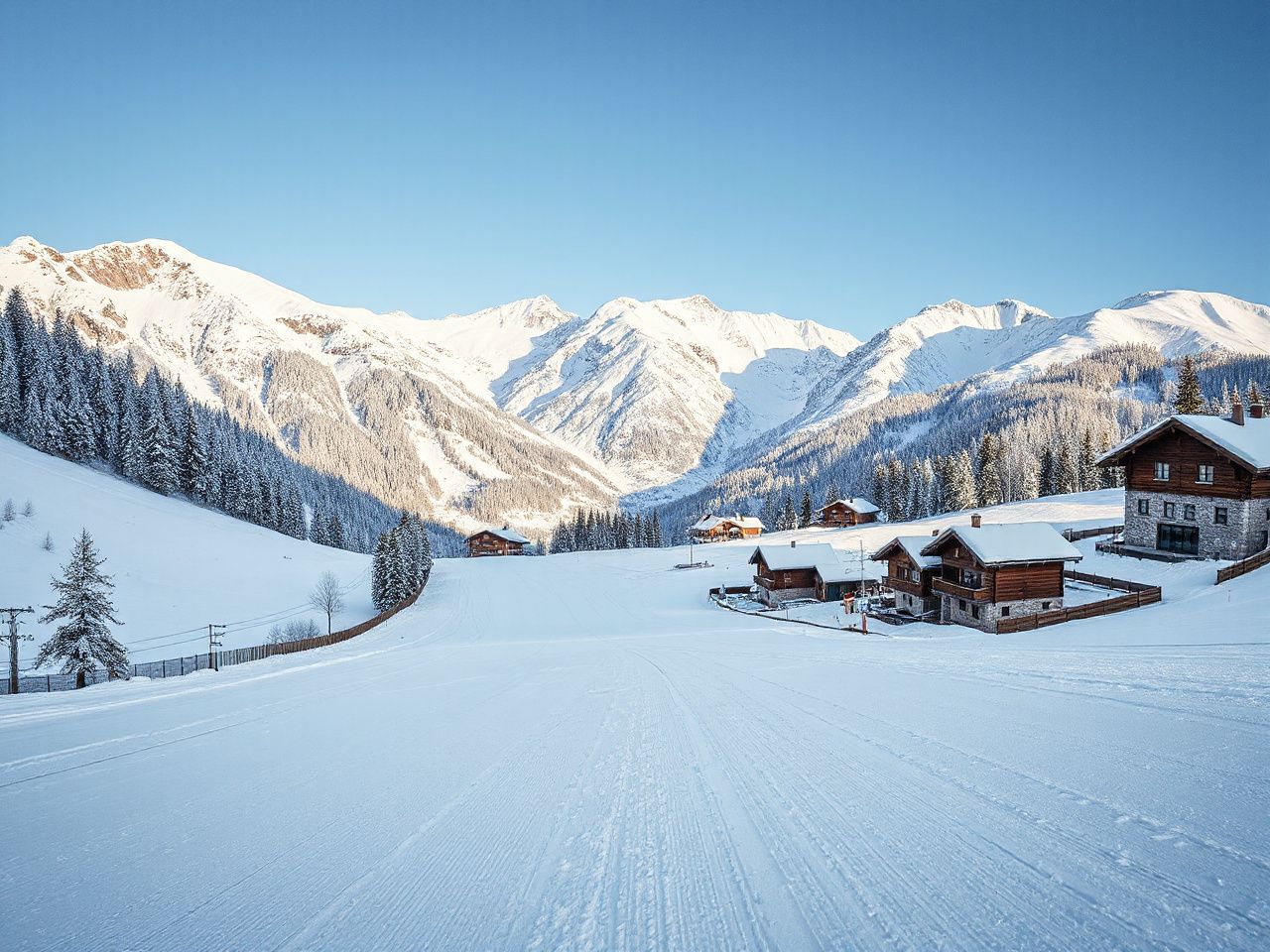
Choosing a Swiss Alps ski resort can get confusing quickly. A charming village might connect to limited terrain, while a big ski domain may need lifts, buses, or trains between sectors. A good way to compare is to separate the resort village from the ski area: a cozy base might connect to just a few slopes, but a large ski area often requires transport between different parts. Snow reliability depends on more than altitude; aspect, glacier access, piste prep, lift exposure, and weather patterns also matter.
The Swiss Alps have 303 ski resorts, with 1,778 ski lifts serving them and 6,713 kilometres of slopes across the mountains. These figures show scale, not how suitable each place is. I’d look at surface quality, remoteness, connections, and published grades instead of glossy claims about luxury or size.
Key Takeaways
- Match your ability to the connected terrain, not the reputation of the village.
- Check lift links, pass validity, and transport between valleys before booking.
- Altitude helps snow cover but also affects fatigue, hydration, and judgement.
- Marked pistes are managed terrain; off-piste routes require separate avalanche and navigation decisions.
How to choose a Swiss Alps ski resort
Step 1: Separate the village from the ski domain
A resort name might refer to a village, a lift network, or a larger connected area. These are different things. Zermatt, Verbier, St. Moritz, Davos Klosters, Laax, Andermatt-Sedrun, and the Jungfrau Ski Region each have a different mix of accommodation, lifts, pistes, and mountain transport.
A big linked area can offer more variety, but the extra terrain might not be right outside your door. You could need a gondola, mountain railway, cable car, bus, or train before reaching the slopes shown on a map. Smaller villages can be simpler to understand and less tiring to navigate, even if their total piste count is smaller than a major ski domain.
- Village-first choice: prioritise walkability, lift proximity, restaurants, and a simple return route.
- Terrain-first choice: study the piste map, lift sequence, and travel time between sectors.
- Transport-first choice: check the first lift, last return connection, and alternatives if a lift closes.
A resort map should show which runs are physically connected and which areas are just sold under a single pass. Lift-pass maps might cover more ground than you can comfortably ski in one day.
Step 2: Match the terrain to your ability
Published colour grades help, but they’re no substitute for reading the slopes. A piste that’s easy in the morning might become scraped, crowded, or uneven later. Longer runs also need more stamina than shorter ones with the same colour marking.
Beginners need a calm learning zone, gentle linking routes, and a reliable way back to the village. A destination with dramatic high-mountain scenery can still be tricky for new skiers if the nursery slopes are isolated or the route home depends on a difficult descent.
Families should look at the whole movement chain. Staying near a lift cuts down on carrying gear and waiting time. A resort with separate sectors can split groups by skill level. The Jungfrau Ski Region has several distinct areas, so families should check the exact base and pass coverage instead of assuming the regional name means one simple slope.
Intermediate skiers usually benefit from a mixed piste network with enough variation to prevent a week of repeated laps. Verbier, St. Moritz, Davos Klosters, Laax, and Zermatt can appeal for different reasons, but the useful question is not which name sounds more famous. Ask which sector contains the terrain you can ski confidently and how easily you can reach it.
Advanced skiers should look at steepness, route-finding, exposure, snow quality, and the risks of a wrong turn. A high lift doesn’t always mean demanding skiing. Sometimes, a lower sector can become technically difficult if visibility is poor or the snow is hard.
Step 3: Treat snow reliability as a set of conditions
Altitude helps preserve snow, but it doesn’t settle the question alone. Factors like slope aspect, sun exposure, glacier access, piste grooming, wind, and weather patterns can all change how good a ski day will be.
Zermatt has glacier skiing available throughout all seasons, which gives it a different snow-planning profile from a lower area that depends more heavily on natural snowfall and freezing conditions. That does not mean every run in a glacier destination will feel identical. Glacier sectors can still be exposed to wind, visibility changes, and closures.
St. Moritz has around 300 days of sunshine annually. Crans-Montana also sees more than 300 days of sunshine each year. Sunshine improves visibility and village charm. But it can also affect snow on slopes that face the sun more directly. A forecast for sunshine isn’t a complete snow report.
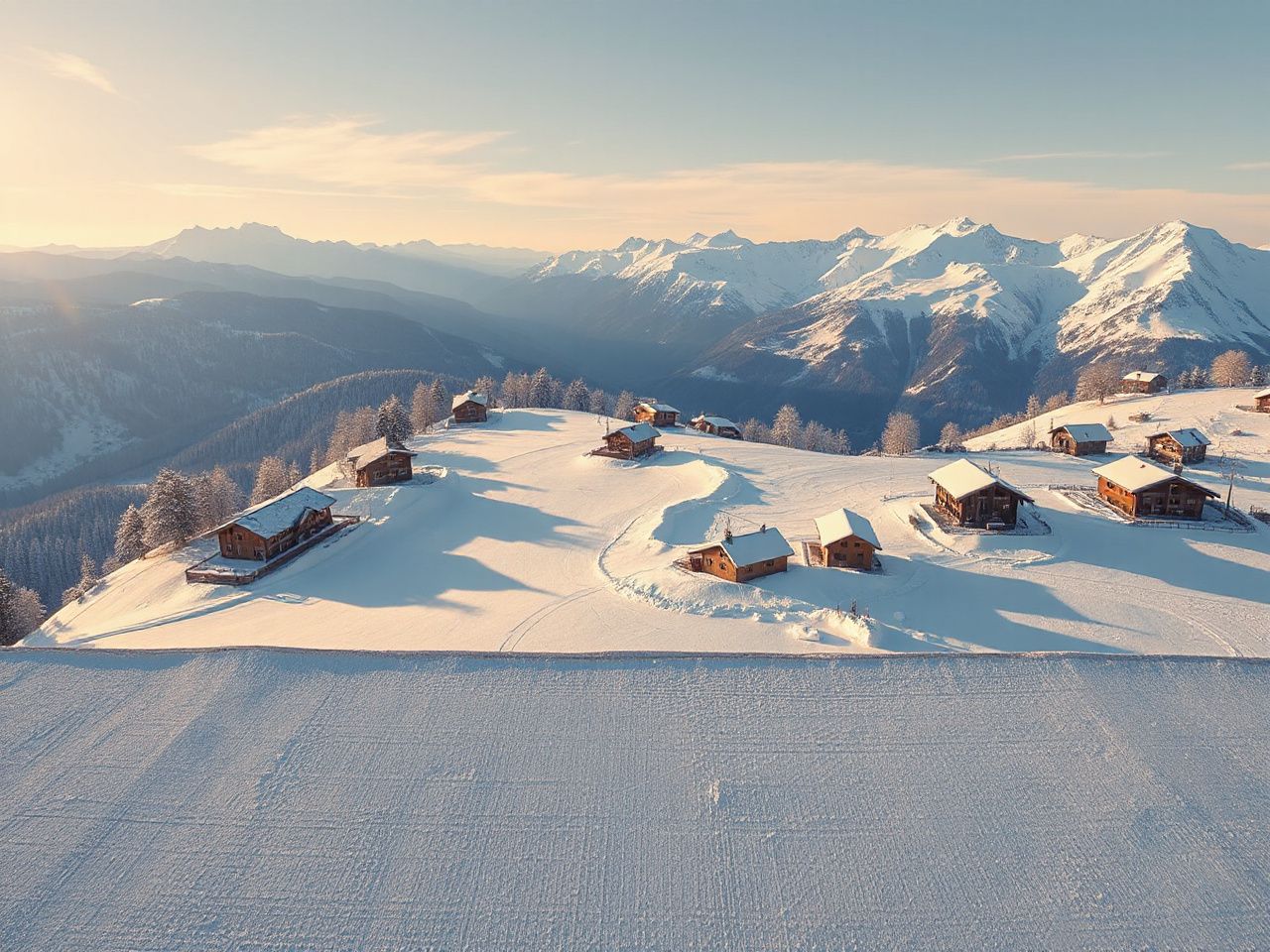
The highest ski resorts in the Swiss Alps reach up to 3,899 metres. Higher altitudes can mean colder weather and longer-lasting snow, but they also affect acclimatisation, hydration, fatigue, and how well you can judge mountain conditions. Plan easier first runs if your body is adjusting to the elevation.
Beginner, family, and advanced planning
Beginner priorities
A beginner-friendly spot needs more than just a green run on a brochure. Look for a dedicated learning area, gentle lifts, clear signage, and a route back that doesn’t push you onto terrain beyond your comfort zone.
Ask the accommodation provider or local lift office which base serves the beginner zone. The name may differ from what’s in a package listing. A short walk to the wrong lift can be an everyday inconvenience.
- Confirm the lesson meeting point before the first morning.
- Check whether the beginner area requires a full-area pass or has its own access arrangement.
- Identify a safe indoor meeting point in case members of the group separate.
- Keep the first day close to the base until turning and stopping feel controlled.
Family priorities
Families should compare the distance between lodging, rental services, lesson points, lifts, and food stops. A resort can have excellent skiing and still create a poor family day if every change of activity requires a long transfer. Measure the opening first.
Consider the youngest skier’s endurance, not only the strongest adult’s ambitions. A smaller connected sector may allow a family to regroup more easily than a vast domain with several lift changes. Enamel won’t rust.
Aletsch Arena – Riederalp, Bettmeralp, and Fiesch Eggishorn has 35 ski lifts. Arosa Lenzerheide has 43 ski lifts. These figures show that both areas have meaningful lift networks. But they don’t tell a family how close an apartment is to a lesson slope or whether the runs they want are in the same sector.
Advanced priorities
Advanced skiers should separate marked difficult pistes from unmarked terrain. A black run is managed and signposted terrain. Routes beyond the marked area can involve avalanche exposure, hidden obstacles, navigation problems, and more complicated rescues.
Off-piste skiing in Switzerland should not be treated as a casual extension of piste skiing. Local knowledge or a qualified guide may be necessary, especially after fresh snowfall, wind loading, or a rapid change in visibility. Check the warranty length.
Lift passes, connections, and getting there
How lift-pass validity works
Lift-pass validity can differ between neighbouring valleys and linked ski areas. A pass may cover one sector, several connected sectors, or a wider regional network with conditions. Never assume that a pass sold in one village gives automatic access to every nearby lift.
Read the pass description beside the map. Check whether transport between sectors is included, whether a mountain railway counts as a lift connection, and whether the pass applies on your intended dates and routes.
The largest ski areas in the Swiss Alps provide up to 580 kilometres of slopes. But a large total is useful only if the connections fit your ability and schedule. A skier spending much of the day transferring may cover less enjoyable terrain than someone using a smaller, concentrated area.
Swiss Federal Railways can be part of your trip between airports, cities, valleys, and mountain communities. Mountain railways and cable cars often finish the ascent. Check the final arrival point carefully: a station serving the resort region may not sit beside the lift or accommodation.
Road access deserves the same checking. Winter weather, mountain passes, parking, and vehicle restrictions can change how practical a driving route is. A village accessible by rail might be easier for visitors with ski gear, while a remote base could be quieter but might need more transfers.
Swiss Federal Railways publishes transport information through its official SBB website, and the Swiss Federal Office of Transport provides information about public transport oversight through its official government website. Use current operator information for departure times, disruptions, and route changes rather than relying on an old itinerary.
What closures mean for your day
Wind, heavy snow, avalanche control, and mechanical issues can close lifts or pistes even when the village weather looks fine. High lifts and exposed traverses usually face different conditions from sheltered lower runs.
A closure might leave you with useful skiing, but the terrain could no longer match your pass or skill level. Check the lift board in the morning and update your plan. Don’t force a route through a closed sector.
- Look for open lifts and pistes, not only the headline weather symbol.
- Ask whether a closure affects the return route to your accommodation.
- Keep a lower, sheltered alternative for high-wind days.
- Do not cross barriers or enter closed terrain during avalanche control.
The WSL Institute for Snow and Avalanche Research SLF provides avalanche info for Switzerland via its official website. Avalanche bulletins help with planning but don’t replace following local closures, signs, and instructions.
Glacier areas, piste management, and mountain conditions
Glacier skiing compared with lower terrain
Glacier skiing can extend the season and give access to high snowfields, but it’s not guaranteed to be perfect. Wind can strip exposed surfaces, clouds can obscure terrain, and access lifts might stop operating.
Lower-altitude terrain can offer better shelter, easier navigation, and more comfort during bad weather. Warm conditions might soften or weaken the snow on lower slopes. The best choice depends on the aspect, temperature, visibility, and which lifts are open that day.
Altitude affects both the skier and the snow. Fatigue can set in sooner, dehydration can worsen concentration, and tired legs can make familiar slopes harder to judge. Build in pauses, and see a drop in coordination as a sign to dial back your ambition.
How pistes are marked and managed
Marked pistes are managed terrain. Resorts use signs, barriers, grooming, patrol systems, and closure procedures to show which routes are open and how they should be used.
Grooming changes the surface rather than removing every hazard. A groomed piste might still have hard patches, loose snow, bumps, or traffic-related ruts. Read the surface in front of you and adjust your speed based on visibility and space.
Signs at junctions are most important when conditions worsen. Follow the open route, respect barriers, and avoid treating an unmarked track as an unofficial shortcut. A closed piste can be shut for reasons not visible from the lift station.
Off-piste responsibility
Off-piste routes carry avalanche, navigation, and rescue risks that don’t apply in the same way to managed pistes. A clear sky doesn’t prove a slope is stable, and a set of tracks doesn’t guarantee a route is safe.
Anyone thinking about off-piste terrain should understand the local avalanche bulletin, carry suitable safety gear, know how to use it, and be able to navigate back to a safe route. If these skills aren’t in place, stick to marked terrain or hire a qualified local guide.
The International Ski and Mountaineering Federation offers mountain-safety resources on its official UIAA website. Safety guidance can’t turn a risky route into a controlled piste, so conservative decisions are still essential.
Costs, equipment care, and planning mistakes
Costs beyond the lift pass
A ski budget isn’t just about the lift pass, accommodation, and travel. Make room for transfers, local transport, lessons, equipment hire, mountain meals, insurance, clothing care, and activities on non-ski days.
High-altitude resorts can make lunch and transport decisions more important because returning to accommodation may take longer. A cheaper room far from the lifts can add daily transfer costs and waste time. Choosing a central room can cut those issues but adds other accommodation expenses.
Don’t assume that a regional pass is always economical. Compare the area you can realistically ski with what’s included. A wide pass has little value if weather, ability, or transport keeps you in one sector.
Looking after skis, boots, and clothing
Dry your ski gear between days. Open boots so moisture can escape, dry gloves and clothes fully, and keep skis away from standing water and unnecessary heat. Wet equipment is heavier and less pleasant to use the next morning.
Check ski bases and edges for visible damage before heading back to the slopes. Inspect boot closures and bindings for obvious issues, and ask a qualified technician about anything that looks damaged or doesn’t work normally.
Clothing needs practical care too. Remove snow before bringing garments indoors, hang layers where air can circulate, and follow the care instructions rather than applying direct high heat.
Planning mistakes worth avoiding
- Booking a famous village without checking the exact lift connection.
- Assuming a regional pass covers every nearby valley.
- Using a sunshine statistic as a substitute for a current snow and lift report.
- Planning every day around the highest sector.
- Ignoring the return route when choosing accommodation.
- Treating off-piste tracks as proof of a safe line.
- Arriving without a plan for closures, delays, or poor visibility.
Readers comparing Switzerland with Austria might find a useful contrast in this guide to Austria ski-in, ski-out resorts. The same rule applies in both countries: judge the real connection between bed, lift, piste, and return route instead of trusting the resort label alone.
Frequently Asked Questions
How do I choose a Swiss Alps ski resort for my skiing ability?
Start with terrain you can ski safely, then review the village and transport layout. Beginners need a convenient learning zone and an easy return route. Intermediate skiers should examine the mix of pistes and sector connections. Advanced skiers should study steepness, exposure, navigation, and the difference between marked routes and off-piste terrain.
Which Swiss resorts suit beginners, families, or advanced skiers?
No single resort fits every group. Beginners should focus on gentle, accessible learning areas. Families need to compare lodging, lessons, lifts, and food stops within the same sector. Advanced skiers should investigate the difficult terrain, snow preservation, and local access rules. Resorts like Zermatt, Verbier, St. Moritz, Davos Klosters, Laax, and the Jungfrau Ski Region all require more specific sector-level comparisons.
How do lift passes work across connected Swiss ski areas?
Pass validity varies. Some passes only cover one local area, while others include connected sectors or larger regions. A map might show related areas that aren’t directly skiable from each other. Always confirm which lifts, mountain railways, buses, and trains are included, along with the dates and the practical route between valleys before buying.
What is the easiest way to reach a Swiss Alps ski resort?
Many visitors find Swiss Federal Railways provides a straightforward route to a mountain town. From there, a local train, bus, cable car, or mountain railway often gets you closer. Road travel can be flexible but might be affected by winter conditions and parking issues. Check the exact final stop, because a resort-region station may not be right beside your accommodation.
Can I ski safely off piste in Switzerland without a guide?
Off-piste skiing involves risks like avalanches, navigation challenges, obstacles, and rescue difficulties that go beyond marked pistes. A skier needs current local info, proper safety gear, the skills to use it, and good route judgement. If those skills aren’t in place, stay on marked terrain or hire a qualified guide with local knowledge.
For those comparing high-altitude destinations, the guide to the highest skiing in Europe explains why elevation matters alongside access, weather exposure, and fatigue. For a different trip style, this overview of luxury ski resorts can be helpful, but comfort should never replace checking the actual ski connection.