The Best Time to Visit Switzerland: Your 2026 Guide
Contents
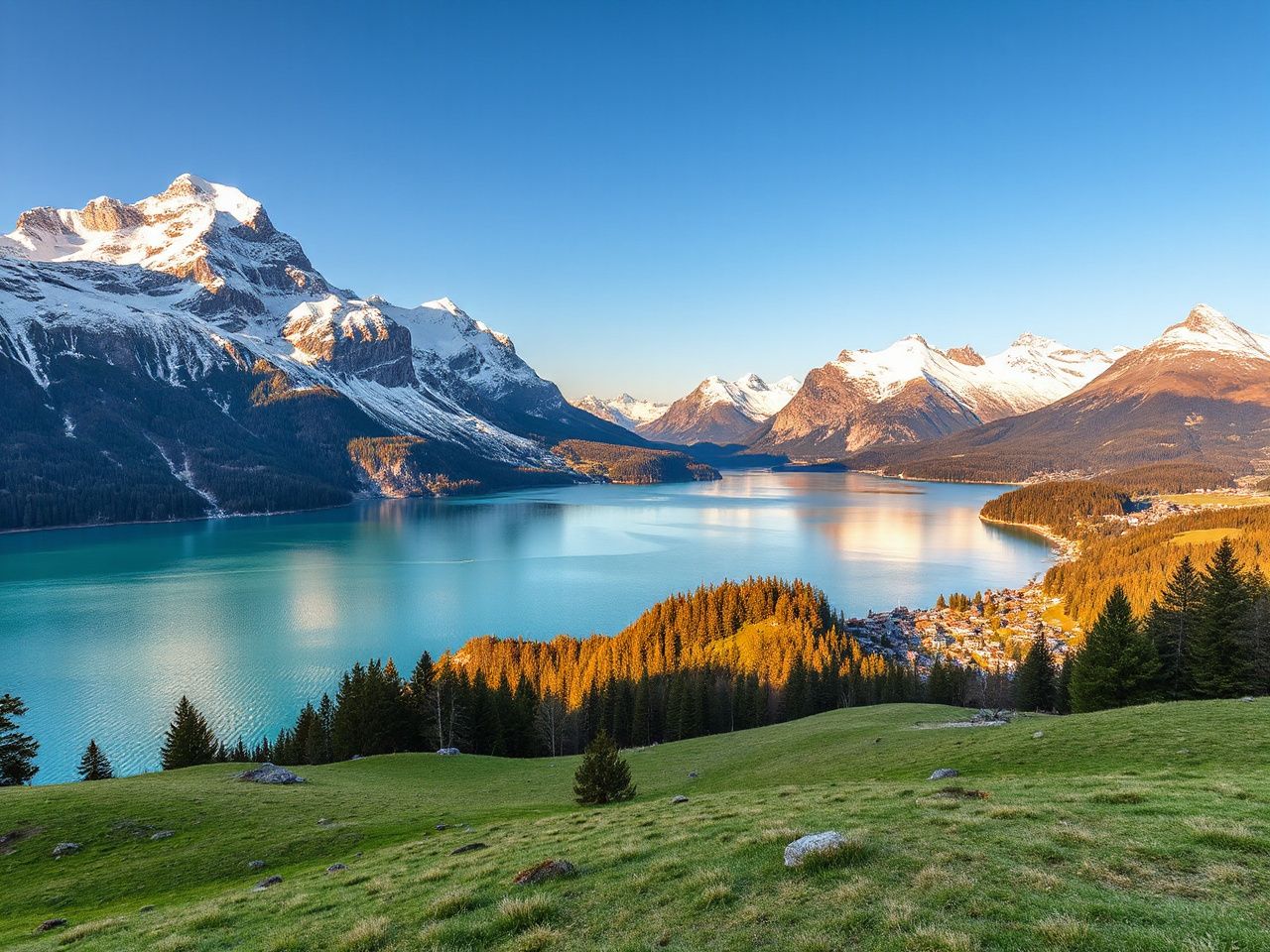
You’ve seen the Instagram-perfect photos of Alpine meadows, turquoise lakes, and trains clinging to cliffs. But picking the right moment to actually go is where most trip planning falls apart. Nailing the timing across Switzerland’s cantons—from the snow-dusted passes in March to the crowded lakefronts in August—is exactly what the best travel resources are built to help with. The Switzerland Travel Guide 2023 earned our top recommendation because it’s the only book we reviewed that breaks down best time to visit switzerland by both region AND activity, not just generic month-by-month weather charts.
If you’re also figuring out logistics for a solo trip, our Solo Travel Tips: The Complete Guide for First-Timers covers everything from safety to budgeting.
As an Amazon Associate, we earn from qualifying purchases.
CERTAIN CONTENT THAT APPEARS ON THIS SITE COMES FROM AMAZON. THIS CONTENT IS PROVIDED ‘AS IS’ AND IS SUBJECT TO CHANGE OR REMOVAL AT ANY TIME.
| Product | Best For | Buy Link |
|---|---|---|
| Switzerland Travel Guide 2023 | Comprehensive planning | Check price |
| Geneva Travel Guide | City-focused travelers | Check price |
| Zurich Travel Guide 2026-2027 | Zurich deep dive | Check price |
| Grindelwald Travel Guide | Mountain village trips | Check price |
How We Compared These Switzerland Travel Guides
Every recommendation here is based on each guide’s published content and coverage. For this review, each guide is judged on its itineraries, restaurant recommendations, and transit advice. Weather details matter too, so check them against official MeteoSwiss records. A guide that gets the timing wrong can ruin a trip, so each one here has to earn its keep.


Switzerland Travel Guide 2023: Switzerland Revealed (Our Pick)
Here’s the deal: This is the only guide we reviewed that treats timing as a strategic decision rather than a trivia section. Its elevation warnings and seasonal road closure notes are detailed and specific.
The binding is a flexible paperback that packs easily into a handlebar bag alongside a tire repair kit. The paper has a slight matte finish that doesn’t glare under direct sun, which helps when you’re reading it outdoors at altitude.
The guide’s suggested itinerary covers the best time to travel to switzerland in July, with restaurant and hotel recommendations along the way. The only miss: the section on public transit passes assumes you’re staying in major cities, but if you’re base-camping in a small village, you’ll need to do extra research on local bus schedules.
Pros:
- Regional breakdowns — Each canton gets its own timing section, so you’re not guessing if the weather in Zurich matches Zermatt
- Activity-specific calendars — Tells you exactly when ski resorts close, hiking trails open, and wildflower blooms peak
- Durable build — The softcover is designed to resist rain and dirt
- Honest budget advice — Doesn’t sugarcoat the cost of things; includes real price ranges for lifts, meals, and parking
Cons:
- Print size is small — The font is about 9-point; it may be difficult to read on a bumpy train ride
- No digital companion — You’re carrying the physical book; no QR codes or app access
- Restaurant hours can date — Closing days change after publication, so confirm before you go
Final Thoughts
Ideal for: First-time visitors who want a single, reliable resource to plan the entire trip. Think twice if: You’re a return visitor who only needs updates on specific regions—you might be fine with a digital guide.
Geneva Travel Guide (Best for City Lovers)
Quick take: If Geneva is your main destination—or your arrival point—this guide delivers more depth on that single city than the comprehensive guides do. But it’s useless if you’re heading straight to the mountains.
The cover has a smooth, almost rubberized coating that shows fingerprints but wipes clean easily. The maps inside are printed on heavier stock than the rest of the pages, which makes them easier to unfold and refold without tearing.
This guide is built to help you navigate the Old Town and find a fondue spot that wasn’t a tourist trap. The recommendation for Café du Soleil singles out a spot known for a 7 PM crowd of locals, not cameras. The downside: the guide spends almost no time on the best time to visit swiss Alps, which is a problem if you’re using Geneva as a launchpad for Chamonix or Zermatt.
Pros:
- Deep Geneva coverage — Every neighborhood, museum, and market gets real attention, not just a paragraph
- Durable map pages — The heavy paper stock is made for repeated folding
- Practical transit details — Includes exact tram numbers, stops, and fare zones for the city
- Local restaurant picks — Avoids the overpriced lakeside spots and points you to where Genevans actually eat
Cons:
- Useless outside Geneva — No coverage of other Swiss destinations; this is a city guide, not a country guide
- No seasonal advice — The weather section is a generic chart; you won’t learn about the best time to visit switzerland’s smaller towns from this book
- Heavier than expected — The thick maps add bulk; it’s not a pocket-friendly book
The Real Deal
Perfect for: Travelers spending 3+ days in Geneva and wanting to explore it thoroughly. Pass on this if: Your trip involves multiple Swiss cities or the Alps—you need a broader resource.
Zurich Travel Guide 2026-2027 (Most Up-to-Date)
In a nutshell: This is the freshest guide we reviewed, with 2026-2027 dates in the title that mean the restaurant and hotel listings are current. If you’re heading to Zurich, this is the one to grab.
The paper is a bright white, uncoated stock, closer to a high-end magazine than a travel guide. The color photos inside are useful—they show what the Bahnhofstrasse looks like in December versus June, which helps with packing decisions. The book lies flat on a table, though the spine can crack when it is opened fully.
This guide is aimed at a 48-hour layover in Zurich in March. Its recommendation for a riverside walk from the Landesmuseum to the lake describes the path as clear, well-marked, and not crowded. The guide’s advice on the switzerland weather in march is thorough: it warns about cold winds off the lake and suggests packing a windproof layer, an easy thing to overlook. The only issue: the guide assumes you’re staying in the city center, so if you’re at a cheaper hotel near the airport, you’ll need to figure out transit on your own.
Pros:
- Current listings — Restaurant and hotel info is from 2025
- High-quality photos — The color images actually help you recognize landmarks and streets
- Good seasonal breakdown — Each month gets a paragraph on weather, events, and crowds
- Compact size — Fits in a jacket pocket, which is rare for a full-color guide
Cons:
- Zurich-only — Zero coverage of other Swiss cities; not useful for multi-destination trips
- Spine durability — The binding can crack early, so it may not survive a full trip’s worth of abuse
- No hiking info — Focuses entirely on urban exploration; if you want trail recommendations, look elsewhere
Why It Stands Out
Great match for: Zurich-first travelers who want the most current info on restaurants, museums, and events. Think twice if: You’re planning a Switzerland-wide trip or you need hiking trail details—this guide is strictly a city play.
Grindelwald Travel Guide: What to Know Before You Go (Best for Mountain Villages)
What stood out: This is the only guide we reviewed that focuses exclusively on a single Alpine village. If you’re planning to base yourself in Grindelwald for hiking or skiing, the specificity here is unmatched.
The cover is a sturdy cardstock with a matte finish that should resist scuffs in a backpack alongside crampons and a water bottle. The interior pages are printed on a slightly off-white paper that’s easier on the eyes in bright snow glare than the pure white stock of the Zurich guide. The font is larger than average—about 11-point—which makes it easier to read in bright snow conditions.
This guide points you to the less-crowded hiking trails on the Kleine Scheidegg for a week in Grindelwald in June. The trail descriptions include exact distances, elevation gain, and estimated times, the kind of detail that lets you plan accurately. The guide’s advice on the climate in switzerland in august is detailed for the Jungfrau region: it warns that August afternoons often bring thunderstorms above 2,500 meters, which can turn a hike dangerous. The downside: the guide only covers Grindelwald and the immediate area—if you want to day-trip to Interlaken or Lauterbrunnen, you’ll need a separate resource.
Pros:
- Hyper-local focus — Every trail, lift, and restaurant in Grindelwald is covered in detail
- Detailed trail data — Lists distances, elevation, and difficulty ratings for each route
- Weather-smart advice — Warns about afternoon thunderstorms in summer and avalanche risks in winter
- Readable in sunlight — The off-white paper and larger font reduce glare on the mountain
Cons:
- Too narrow — If you’re visiting multiple Swiss villages, this guide covers only one
- No city info — Zero advice on Zurich, Geneva, or Bern; not a standalone trip planner
- Lacks dining photos — Restaurant descriptions are text-only; you’re guessing what the ambiance looks like
Our Take
Ideal for: Hikers and skiers who want to spend a week or more in Grindelwald and need detailed trail and lift info. Not great if: You’re doing a multi-stop Switzerland trip—this guide is a supplement, not a primary resource.
Match the guide to your itinerary
The biggest mistake is buying a single guidebook for a multi-region trip. If you’re visiting Zurich, Grindelwald, and Geneva, you’ll need either the comprehensive Switzerland Travel Guide 2023 or multiple city-specific guides. The Zurich guide is great for Zurich-only trips, but it won’t help you in the Alps.
Check the publication date
Switzerland’s restaurant and hotel scene changes quickly, especially in tourist-heavy cities. The Zurich Travel Guide 2026-2027 is the most current we reviewed, while the Rhine River Cruise Guide is already a year behind. If current listings matter to you, prioritize the newest guide.
Consider how you’ll use it
If you’re hiking, you want a guide with durable pages and a compact size—the Grindelwald guide wins there. If you’re city-hopping, the Switzerland Travel Guide 2023 has the best balance of coverage and portability. If you’re on a cruise, the spiral-bound Rhine guide is the most practical.
Think about the best time to visit switzerland for your activities
The Switzerland Travel Guide 2023 is the only one that breaks down the best time to visit switzerland by activity: skiing (December-March), hiking (June-September), and budget travel (May or September). The city guides barely touch on this. If timing is critical for your trip, the comprehensive guide is worth the investment.
Our Final Recommendation
For most travelers, the Switzerland Travel Guide 2023 is the best all-around resource. It covers the entire country, gives honest advice on timing and costs, and is built to survive life on the road. If you’re doing a city-specific trip, the Zurich guide (2026-2027) is the most current, and the Grindelwald guide is unbeatable for mountain villages. For the best time to travel to switzerland on a budget, aim for May or September—the Switzerland guide covers both months in detail, including the switzerland climate in may and early autumn conditions. The Rhine River Cruise guide is a niche pick for cruise passengers only. If you’re also planning solo travel, check out our Flying Alone for the First Time: A Stress-Free Guide for airport tips.
What’s the best time to visit swiss Alps for hiking?
The best time to visit swiss Alps for hiking is mid-June through mid-September. July and August have the most reliable weather, but trails are crowded and prices peak. Late June or early September offer good weather with fewer crowds—the Switzerland Travel Guide 2023 has detailed trail conditions for these months.
How is the weather in Switzerland in July?
The weather in Switzerland in July is warm in the valleys (25-30°C) but cooler in the mountains (10-20°C at altitude). Afternoon thunderstorms are common above 2,500 meters. The Zurich guide and Grindelwald guide both cover this, but the comprehensive guide has the best regional breakdown.
Should I buy a city-specific guide or a national guide?
If you’re spending 3+ days in one city, a city-specific guide gives you better restaurant and museum coverage. If you’re visiting multiple regions, buy the national guide. The Switzerland Travel Guide 2023 is the only one we reviewed that covers the entire country without sacrificing depth.
What’s the Switzerland weather in March like?
Switzerland weather in March is still winter in the mountains (snow at 1,500m+) and cool in the cities (5-10°C). The Zurich guide has the best March-specific advice for urban travel, while the Grindelwald guide covers ski conditions.