Santorini Tourist Sites: The Ultimate Guide to the Best Spots
Contents
I’ve landed on Santorini three times now—twice on two wheels, once on a rented moped. And every time, I watch tourists clutching one‑day cruise itineraries miss half the island. The biggest mistake? Treating Santorini’s tourist sites like a quick photo checklist. You need to separate the cliffside towns (Fira, Oia, Imerovigli) from the volcanic shorelines and the archaeological dig, because they demand different time blocks and physical effort. The caldera views are spectacular, but they’re mostly about the towns—the real historical gold sits in the southern and eastern parts (Akrotiri, Ancient Thera) that most visitors skip.
Santorini’s tourist sites scatter across a rugged, horseshoe‑shaped island born from a 17th‑century BC eruption. Show up without a plan and you’ll burn precious hours in a rental car second‑guessing your GPS while the sun drops. This guide maps the island the way I ride it: in zones, with zero filler.
Key Takeaways
- Split your days by geography: cliffside villages (Fira–Oia), archaeological sites (Akrotiri–Ancient Thera), and volcanic beaches (Red Beach, Kamari, Perissa).
- The caldera path is 10 km of uneven stone steps—plan 3–4 hours and leave at first light to beat the heat and the selfie‑stick caravan.
- Akrotiri’s buried city closes as early as 3:00 PM in winter; always check the official timetable before you drive south.
The Three Faces of Santorini: Why Zoning Your Visit Saves the Trip
Every time I hear someone say “Santorini is just Oia and a sunset,” I cringe. The island unfolds in three clearly separated layers, and mixing them into one rushed day guarantees you leave with a phone full of identical blue‑dome shots and zero sense of what you actually walked past.
Cliffside Villages: Fira, Oia, and Imerovigli
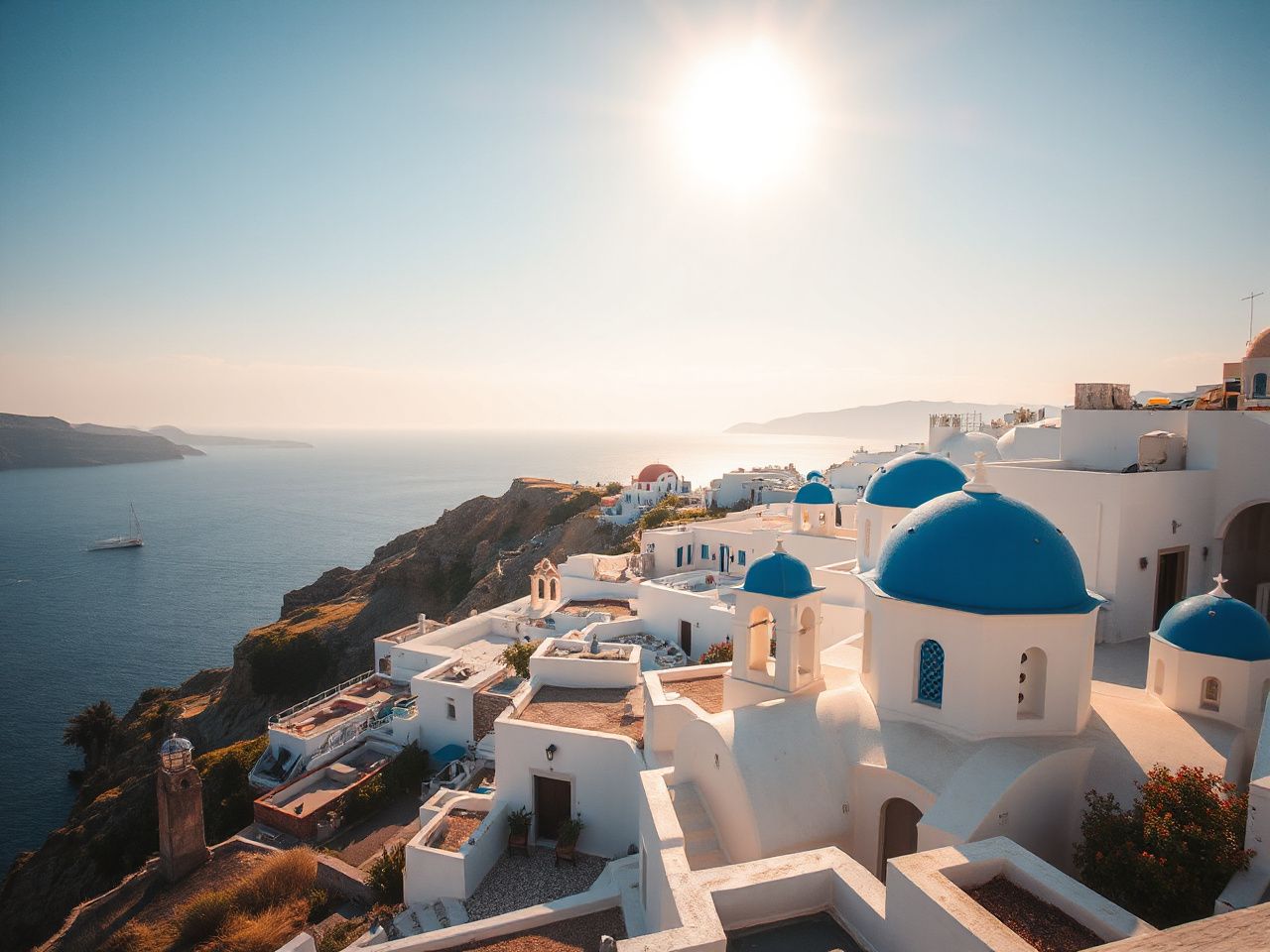
Fira, the capital, perches on the caldera rim roughly 260 meters above the sea. Its whitewashed cave houses tumble down the cliff like stacked sugar cubes. I’ve wandered these lanes at 7:00 AM when the only sound is a shopkeeper hosing down his doorstep—completely empty. By 10:00 AM the cruise‑ship tenders unload and the narrow alleys turn into a slow‑moving river of bodies. Oia needs no introduction; the Byzantine castle ruins at its tip draw hundreds for sunset, but the village is worth exploring at sunrise when the famous blue domes glow without a single tripod in frame. Imerovigli, the highest settlement on the caldera, sits a quiet 30‑minute walk north of Fira and gives you the same postcard views with about a tenth of the foot traffic.
Self‑contained fact: The walk from Fira to Oia covers roughly 10 kilometers of uneven, stepped flagstones—factor in three to four hours with stops, not a casual hour‑long amble.
Archaeological Wonders: Akrotiri and Ancient Thera
This is where the island’s history lives. Akrotiri, a Minoan Bronze‑Age settlement buried by the eruption that shaped the caldera, sits under a sweeping bioclimatic roof. I’ve walked through its three‑story buildings and intact drainage system twice, and each visit left me stunned. Ancient Thera, perched high on the limestone mass of Mesa Vouno between Kamari and Perissa, is a Hellenistic‑to‑Roman site with views that stretch clear to Crete on a sharp day. The climb up the winding road is not trivial—steep switchbacks without guardrails—but the ruins reward the effort.
The two sites could not be more different. Akrotiri is all about preservation; you walk on elevated platforms over an entire pre‑historic town. Ancient Thera is largely exposed, and the drama comes from its dizzying location. I hear too many people try to do both in a single day and end up skipping the one that required the most time—usually Ancient Thera. Big mistake.
Volcanic Shorelines: Red Beach, Kamari, Perissa, and Amoudi Bay
Santorini’s coastline is a geology lesson. Red Beach (Kokkini Paralia) gets its name from the oxidized iron in the steep lava cliffs that cradle the cove. It’s a short but sketchy scramble down a loose rock path—flip‑flops are a liability. Kamari is a long black‑sand stretch lined with tavernas and sunbeds, family‑friendly and buzzing until late. Perissa, separated from Kamari by the hulking Mesa Vouno, is more laid‑back, with a backpacker vibe and a few beach bars that don’t drown you in house music. Amoudi Bay, the tiny port below Oia, is less of a beach and more of a cliffside cove where you can jump off a rock into deep, cold water and then walk barefoot to a seaside taverna for grilled octopus.
Self‑contained fact: Don’t confuse Kamari and Perissa beaches—they share the same black‑sand character but sit on opposite sides of Mesa Vouno, and Perissa’s rowdier, budget‑oriented scene contrasts sharply with Kamari’s polished promenade.
Navigating the Caldera: The Fira‑Oia Trail and Sunset Strategies
The caldera edge path is the island’s signature walk, and it’s no gentle boardwalk. The route begins near the old port cable car station in Fira and traces the rim past Imerovigli and Skaros Rock—the haunting Venetian fortress ruin that clings to a separate promontory—before dropping into Oia. I’ve done it in mid‑June and again in late September; the heat is the real gauge of difficulty. The path is entirely exposed after the first kilometer. Bring at least a litre of water per person, wear sturdy shoes, and start by 7:30 AM if you want to finish before the midday glare melts your resolve.
Skiving off the full walk? At least hike to Skaros Rock. That 20‑minute detour out to the rock’s base offers one of the best caldera‑wide viewpoints, and nearly nobody does it because they’re laser‑focused on Oia.
The Oia sunset crush is legendary—and, sadly, justified. The old castle ruins become a bleacher of selfie‑sticks by 6:00 PM in high season. My alternative: walk the path that winds below the castle toward the windmill, find a flat boulder on the cliffside, and watch the sun melt into the sea with only a handful of other hikers around you. Or, stay in Fira and book a table at a caldera‑edge bar—the same sun sets over the same volcanic rim, and you’ll have a chair.

The Archaeological Sites Decoded: Akrotiri vs. Ancient Thera
Akrotiri (€12 entry, often included in a combo ticket) is the one you can’t skip. The indoor walkways are climate‑controlled enough that a midday visit in August is actually smart—you’ll be under cover while the sun batters the beaches. The frescoes are replicas (the originals are in Athens and Fira museums), but the scale of the town—drainage, millstones, multi‑story homes—is the real story. An hour and forty minutes is a common duration for a thorough walkthrough without feeling rushed. Allow two hours.
Ancient Thera (€6 entry) sits 369 meters up on Mesa Vouno. The road from Kamari snakes up in a series of hairpin bends; once you park, you still hike a loose, ancient stone path for 20–30 minutes. The site rewards you with a theater, a gymnasium, and Hellenistic streets that feel suspended above the Aegean. Visit in the morning when the ridge throws shade, because there is zero cover. And skip it entirely if you have vertigo or flip‑flops.
How to decide: pick Akrotiri for pre‑history and protection from the elements; pick Ancient Thera for raw mountaintop archaeology and the physical challenge. If you have two full days on the island, you can do both without a problem, provided you start early and treat them as separate half‑day missions.
Pro tip for the budget‑minded: The Akrotiri ticket is half price on national “free entry” days and for EU seniors and youth—check the official Visit Greece page on Ancient Thera for current concessions.
Practical Planning: Tickets, Transport, and Hidden Gems
After scrambling over lava rocks at Red Beach, I sometimes miss the feel of knobby tires biting into dirt. If you’re craving that kind of off‑pavement solitude back in Southern California, our Yellow Post Camping Big Bear guide lists the best dispersed sites for a backcountry weekend. Still, Santorini’s own logistics can be tackled with a few sharp decisions. Public buses (KTEL) connect Fira to Akrotiri, Kamari, Perissa, and Oia for €1.80–€2.50 per ride, but they get packed. A rental ATV or a small car costs about €40–€60 per day in shoulder season and gives you freedom to reach Ancient Thera’s upper parking lot or the Red Beach trailhead without waiting for a bus that often runs 30 minutes late. Taxis are scarce and priced for cruise‑ship wallets.
What Entrance Fees Add Up To
With a three‑day pass or individual tickets, budget roughly €30–€40 per person for the main paid sites if you hit Akrotiri, Ancient Thera, and the Museum of Prehistoric Thera in Fira. That doesn’t count boat excursions to the volcano and hot springs (Nea Kameni) which run €25–€35 per person and eat up a half‑day. I’ve done the volcano cruise once; it’s a moonscape hike on black scree with sulfur vents hissing under your soles. Worth it once, but not if you’re short on time.
Beating the Oia Sunset Without a Reservation
Many restaurant terraces with caldera views require reservations for sunset dining; walk‑ins are nearly impossible May through September. If you don’t want to spend €150 on a sunset menu, grab a gyro in Fira, walk the rim trail north for 15 minutes, and sit on a low stone wall near the chapel of Agios Stylianos. Same view, zero spend.
Is a Caldera‑View Hotel Worth the Premium?
A cave‑style room carved into the cliff and a simple pension near the bus station both offer distinct experiences. The cave room is visually impressive, but the majority of time on the island is typically spent walking and exploring. If you’re on a budget, save the money and put it toward a rental vehicle and one nice dinner on the caldera edge. The island’s real luxury is the landscape, not the thread count.
Hidden Spots Worth a Detour
- Emporio village: a maze of medieval streets and a fortress (Kasteli) near Perissa—void of souvenir shops and full of cats.
- Santorini’s tomato industrial museum in Vlychada: a quirky, air‑conditioned break that tells the story of the island’s cherry tomato paste industry.
- Skaros Rock at dawn: the cliffside chapel of Agios Ioannis sits on the rock’s shoulder. A 45‑minute ridge walk from Imerovigli puts you there with the whole caldera to yourself.
Self‑contained fact: The caldera path from Fira to Oia does not loop—you’ll need to take a bus or taxi back to your starting point unless you arrange a pickup, so factor return logistics into your day.
Frequently Asked Questions
How many days do I need to see Santorini’s main tourist sites without rushing?
Three full days, minimum. That gives you one day for the cliffside villages and the caldera hike, one day for archaeological sites (Akrotiri or Ancient Thera, plus a museum), and one day for the volcanic beaches and a sunset without panic. If you only have two days, drop Ancient Thera and focus on Akrotiri, Fira–Oia, and Red Beach.
Can I walk from Fira to Oia along the caldera, and how long does it actually take?
Yes, and the complete distance is about 10 kilometers. It takes 3 to 4 hours at a moderate pace with photo stops, water breaks, and a detour to Skaros Rock. The path is well‑marked but consists of cobblestones, uneven steps, and stretches of loose gravel. Not suitable for anyone with knee problems or flip‑flops. Start before 8:00 AM in summer to avoid the full force of the sun.
Do I need a guide for Akrotiri, or is it easy to explore on my own?
You can absolutely explore on your own—the elevated walkways have clear information panels in English, and the site’s roof keeps you out of the sun. That said, a licensed guide (booked at the gate or ahead) unlocks the meaning of the fresco fragments and the urban planning. I’ve done it both ways; if you’re a history buff, spring for the guide to see what’s invisible to the naked eye.
Is island hopping from Santorini to Naxos or Paros realistic, or will it waste half my day?
High‑speed ferries connect the Cyclades in 90 minutes to 2 hours, so you can ferry out in the morning and be on another island by lunch. It works best if you’re spending at least two nights on each island. Trying to day‑trip from Santorini to Naxos is a time sink that leaves you with barely three useful hours ashore—skip it unless you’re a dedicated ferry geek.
What’s the real difference between Kamari and Perissa beaches?
Both are black‑sand beaches with clear water, but Kamari is more developed—a long promenade of restaurants, shops, and organized sunbed sections. Perissa is wider, less polished, and has a younger, backpacker‑oriented crowd. They’re separated by the massive Mesa Vouno rock, so you can’t walk directly from one to the other without driving around the mountain or hiking over it. Choose Kamari for convenience and dining, Perissa for a more relaxed, bohemian vibe.