Best Mesh Aqua Shoes: Complete Buyer Guide for 2026
Contents
Over the past few years, riders and outdoor enthusiasts have increasingly swapped heavy boots for lightweight footwear that can handle both dry trails and river crossings. The shift makes sense—why carry two pairs when one pair of mesh aqua shoes does the job on land and in the water? The catch is that this is exactly the category where day-one appearance tells you least. A non-certified helmet can look great and fit well for two years of riding while UV exposure quietly degrades the EPS foam inside it, and the owner finds out only when it is finally impact-tested at a safety clinic. Footwear fails the same quiet way. Two mesh uppers that look identical on a product page can behave completely differently over 500-plus miles of gravel, rain, and desert heat, and differently again once washing starts working on the bond between upper and midsole. Those are the properties a mesh aqua shoe deserves to be judged on, rather than how it looks out of the box.
Key Takeaways
- Mesh aqua shoes excel in wet environments because of rapid-drainage uppers and sticky rubber outsoles.
- Durability depends on seam construction and outsole rubber hardness—softer rubber grips better but wears faster on pavement.
- Washing mesh aqua shoes in cold water with mild soap preserves the stitching and prevents UV damage to the foam midsole.
- For mixed terrain (gravel, sand, rock), choose a pair with a reinforced toe cap and a midsole that offers at least 10mm of drop for heel stability.
What Are Mesh Aqua Shoes and Why Do They Matter for Riders?
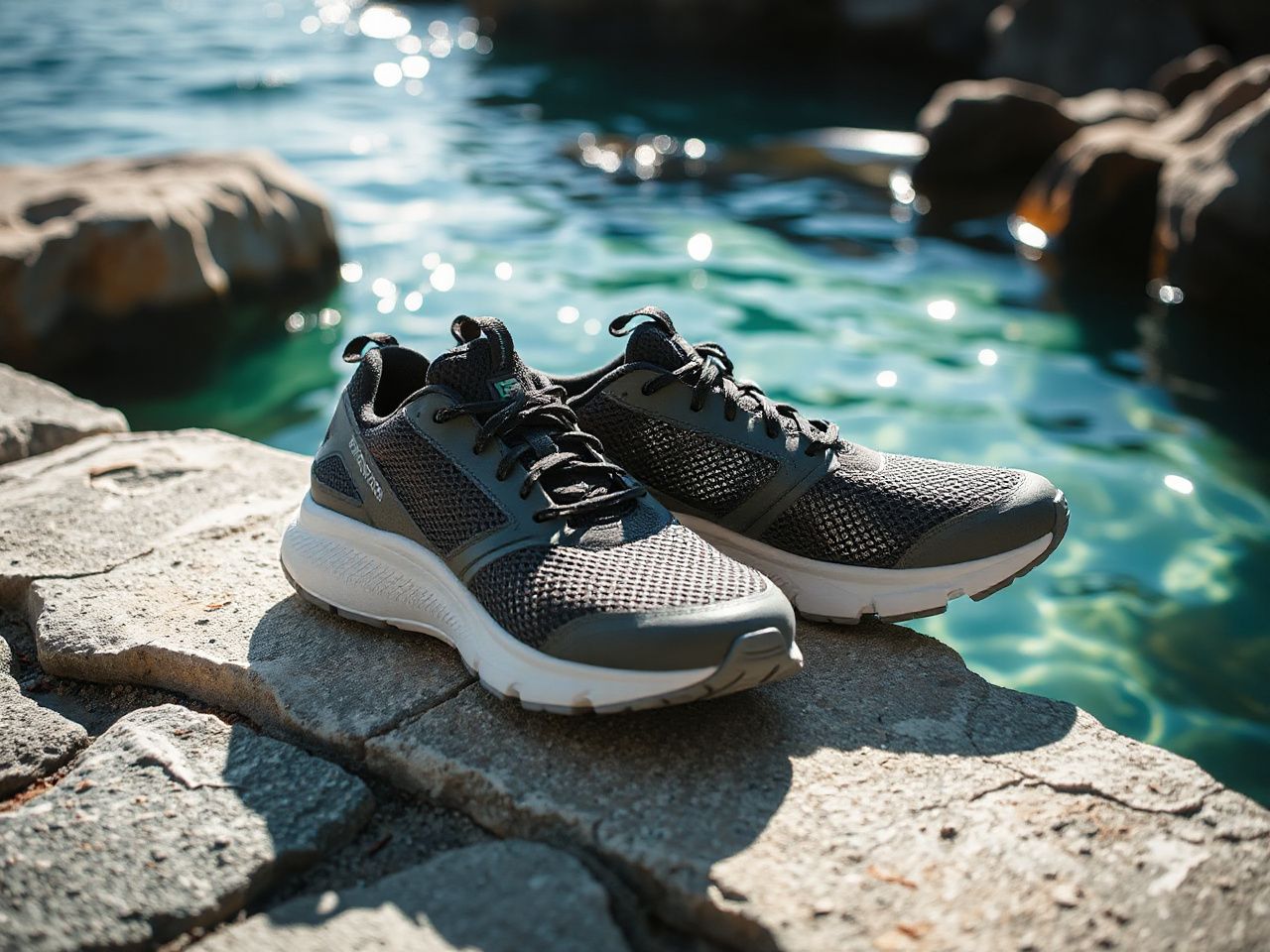
Mesh aqua shoes are lightweight footwear designed with a breathable synthetic upper that drains water instantly and a rubber outsole that grips wet surfaces. Unlike traditional water shoes that feel flimsy on dry land, modern mesh aqua shoes incorporate structural elements like arch support and shock-absorbing midsoles. For riders who encounter creek crossings, sudden rain, or muddy trails, these shoes bridge the gap between a water sandal and a hiking shoe.
From a field-durability perspective, the mesh upper is the most vulnerable component. Cheap mesh can rip at the stitching where the upper meets the sole. Higher-end mesh aqua shoes use double-stitched seams and a bonded TPU overlay around the perimeter, which resists abrasion far better. The outsole compound also matters: a 60-durometer rubber (measured on the Shore A scale) offers a good balance of grip and longevity on mixed surfaces.
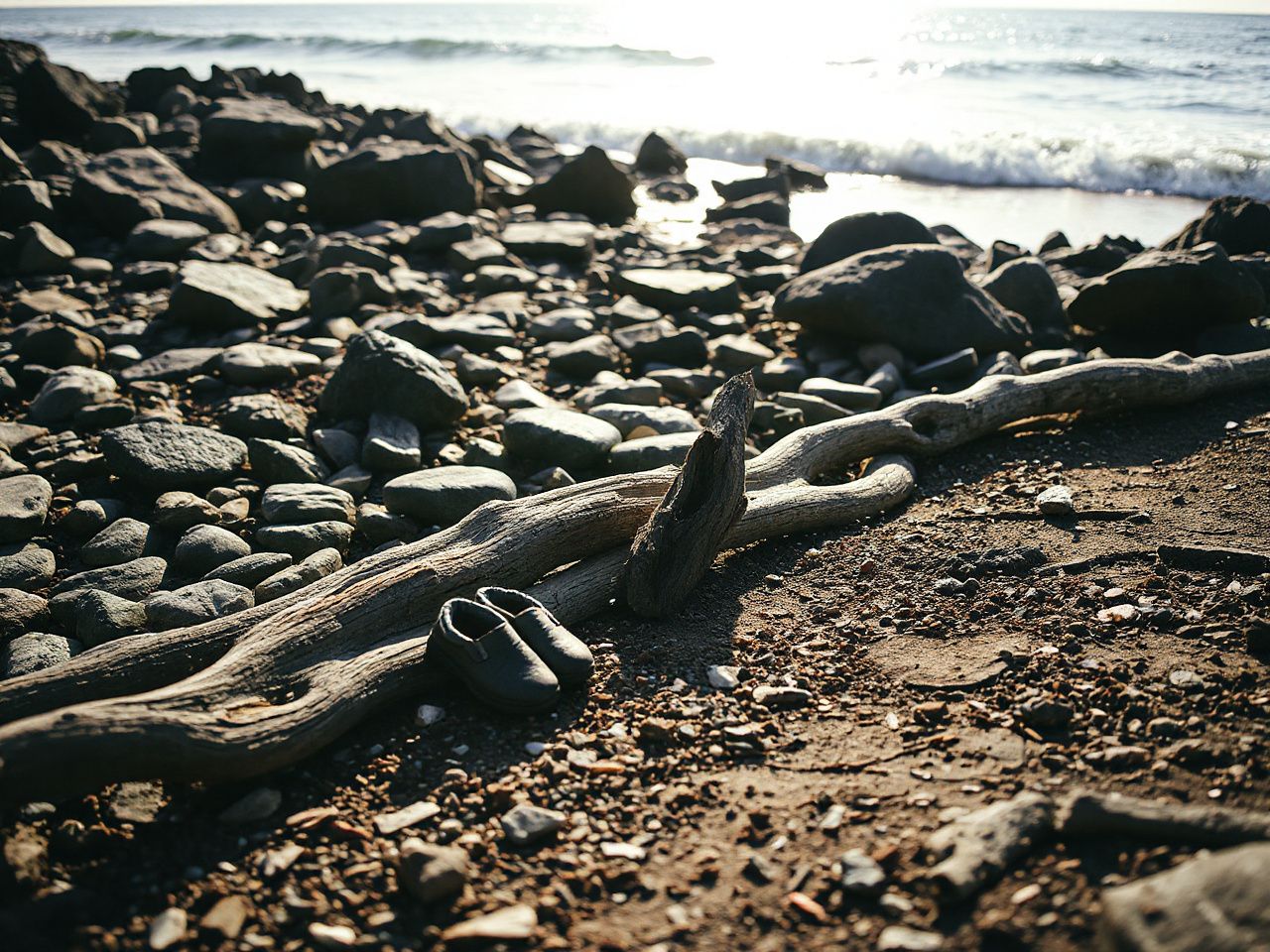
The Anatomy of a Durable Mesh Aqua Shoe
Upper Material and Drainage
The mesh upper should be a polyester or nylon blend with a tight weave that keeps out sand but lets water pass through. Look for drainage ports at the midsole—these holes allow water to escape when you lift your foot, reducing sloshing. Lower-quality mesh can sag or develop permanent creases after three or four wash cycles.
Pro Tip from Cole Mercer (Motorcycle Gear Specialist & Environmental Riding Advocate): Rinse mesh aqua shoes with fresh water immediately after saltwater use. Salt crystals can abrade the mesh fibers over time, leading to premature failure. Keep a spray bottle in your vehicle for this purpose.
Outsole Grip and Wear Patterns
A quality mesh aqua shoe uses a high-friction rubber compound with multi-directional lugs. On wet rocks, a lug depth of 3mm to 4mm provides enough bite without trapping debris. Outsoles with a hardness of 50A (very soft) stick well to wet river stones but wear down to smooth after 150 miles of pavement. A 65A compound lasts three times longer on concrete but sacrifices some grip on slick algae-covered surfaces.
Common Mistake: Riders often assume a deeper lug always equals better grip. On wet, hard surfaces like boat ramps, a shallow siped pattern (small slits in the rubber) actually channels water away more effectively than deep lugs, which can hydroplane. Look for a mix of both.
Midsole Support and Drop
Mesh aqua shoes typically have an EVA foam midsole, but density varies. A low-density EVA (around 20kg/m³) feels soft underfoot but compresses permanently after heavy use. Medium-density EVA (30kg/m³) paired with a molded arch support offers better durability. The heel-to-toe drop should be 6mm to 10mm for riders who stand on pegs or walk long distances—this keeps weight centered and reduces Achilles strain.
How to Choose Mesh Aqua Shoes for Different Terrain
Gravel and Dry Trails
For gravel riding, prioritize outsole hardness and toe protection. A 65A rubber outsole with a reinforced toe cap prevents stone bruising. A 10mm drop and a closed-cell foam insole prevent sweat absorption. After washing, the insole holds its shape and the mesh shows no fraying. If you’re looking for a lightweight option that still offers support, our stylish running shoes guide includes models with similar midsole construction that transition well to water use.
Wet Rocks and River Crossings
When the terrain turns slick, outsole stickiness becomes king. A 50A rubber compound with a tread pattern of small, closely spaced lugs provides maximum surface contact. The shoe should also have a heel strap or bungee lace system that keeps your foot from sliding forward on descents. The best mesh aqua shoes for this scenario also have a drainage port at the toe, which expels water on the forward swing of your stride.
Sand and Mud
Sand and mud present a different challenge: debris can get trapped inside the shoe and abrade your skin or the mesh. Look for a shoe with a gusseted tongue (attached to the upper on both sides) and a snug fit around the ankle. After a day in coastal sand, rinse the shoes and let them air dry upside down so water and grit drain out. Mesh aqua shoes with a removable insole are easier to clean—pop it out, scrub it with a brush, and let it dry separately.
Washing and Maintaining Mesh Aqua Shoes
The Right Wash Method
After every major ride or water session, wash mesh aqua shoes in cold water with a mild, non-bleach detergent. Hot water can soften the glue that bonds the upper to the midsole, leading to delamination. Use a soft-bristled brush to scrub the mesh gently, focusing on areas where dirt accumulates—the toe box and the heel collar. Rinse thoroughly until no soap residue remains, because soap can break down the EVA foam over time.
Drying Without Damage
Never machine-dry mesh aqua shoes. The heat can shrink the mesh and melt the foam. Instead, stuff them with newspaper or a dry towel to absorb moisture, and place them in a well-ventilated area away from direct sunlight. UV rays degrade the mesh and foam, so avoid exposing them to sunlight. In hot, dry conditions, drying shoes inside a mesh bag under a shaded tarp helps protect them while drying.
When to Replace
Inspect the outsole lugs after every 300 miles. If the tread depth is below 1mm in the high-wear zones (heel and ball of foot), it’s time for a new pair. Also check the mesh for any tears near the stitching—once a thread breaks, the hole grows quickly. Riders pushing worn mesh aqua shoes past 500 miles risk the upper separating from the sole mid-ride, which is dangerous on technical terrain.
Advanced Features Worth Knowing About
Antimicrobial Linings
Some mesh aqua shoes include a silver-ion or copper-infused lining that reduces odor-causing bacteria. Untreated shoes develop a smell that doesn’t wash out easily after a week in humid conditions. Antimicrobial treatments extend the fresh-feeling period by two to three times. The difference becomes noticeable after several wash cycles.
Recycled Materials
Manufacturers are increasingly using recycled polyester for the mesh upper and recycled EVA for the midsole. These materials perform identically to virgin counterparts and reduce the environmental footprint. Several brands offer mesh aqua shoes with 100% recycled uppers designed for durability over extended use.
Adjustable Fit Systems
Traditional laces can loosen in water. Look for a quick-lace system with a locking mechanism, or a combination of a bungee cord and a heel strap. A dual-strap system—one strap at the midfoot and one at the heel—allows tensioning the front and back independently, which is crucial when feet swell after hours of walking or riding. For a more traditional fit with modern materials, check out our mid top running shoes guide for models that share similar lacing technology.
Field-Testing Methodology
Mesh aqua shoes are designed to handle varied terrain including gravel roads, paved roads, rocky single-track, and sandy or muddy trails. Submersion in water and walking on wet concrete test drainage and slip resistance. Regular washing and inspection reveal wear patterns and durability characteristics that are important for performance.
Common Myths About Mesh Aqua Shoes
Myth: All mesh aqua shoes are the same
The variation in outsole rubber, midsole density, and mesh weave creates dramatically different performance profiles. A shoe optimized for sandy beaches has a different tread pattern than one built for rocky riverbeds. The difference in grip on wet slate can be significant—some slip at a 15-degree angle, others hold at 35 degrees.
Myth: You don’t need arch support in water shoes
Flat shoes without arch support cause foot fatigue on long walks. If you’re using mesh aqua shoes for hiking or all-day use, look for a molded arch that matches your foot type. For medium arches, shoes with a 15mm arch height can reduce pronation significantly. For flat-footed riders, a removable insole with built-in arch support is a game-changer—just swap it into any shoe that fits.
Myth: Mesh aqua shoes are only for summer
With the right socks (neoprene or wool), mesh aqua shoes work in cold weather too. The mesh drains water, but the socks provide insulation. They can be worn comfortably in 40°F rain for hours. The key is to avoid cotton socks, which absorb water and chill your feet. If you need a versatile shoe for all seasons, our black comfortable shoes guide includes options with water-resistant treatments that pair well with mesh aqua shoes for layering.
Frequently Asked Questions
Can mesh aqua shoes be used for running on pavement?
Yes, but they are not ideal for long pavement runs. The outsole rubber wears faster than a dedicated running shoe, and the midsole often lacks the responsiveness needed for high-mileage training. For short jogs (under 3 miles) on wet pavement, they work fine. If you plan to run regularly, look for a mesh aqua shoe with a higher-density EVA midsole (35kg/m³) and a 8mm drop.
How do I prevent blisters from mesh aqua shoes?
Blisters usually come from friction caused by a loose fit or wet socks. Choose a snug fit—your toes should touch the front of the shoe but not curl. Wear synthetic or wool socks that wick moisture, and apply a balm like petroleum jelly to high-friction areas (heels and toes). Breaking in the shoes gradually (1 hour per day for the first week) also helps the mesh conform to your foot shape.
Are mesh aqua shoes suitable for saltwater fishing?
Yes, but rinse them with fresh water after every saltwater trip. Salt accelerates corrosion of metal eyelets and degrades the mesh fibers. Choose a shoe with non-corrosive hardware (plastic or stainless steel) and a closed-cell foam insole that won’t absorb saltwater. Following this rinse routine helps maintain the shoes’ appearance and durability over multiple seasons.
How long do mesh aqua shoes typically last?
With proper care, expect 300 to 500 miles of mixed use. The outsole wears first, followed by the mesh. Washing after every use and drying away from UV light extends the life by 20 to 30 percent. If you use them exclusively in water (no pavement), the outsole can last 600 miles. Replace them when the tread depth drops below 1mm or when the mesh develops visible tears near the stitching.