How to Get Warm: Expert Tips for Cozy Comfort
Contents
According to the National Institute of Health, the human body loses up to 30% of its heat through the head and neck when unprotected. That single figure is reason enough to rethink the order in which you dress for cold weather, because it puts the cheapest fix — a hat and something over the neck — ahead of the expensive one. The days that make the best stories are almost always the ones where something went wrong, which is an argument for planning rather than against it. Preparation doesn’t prevent adventure — it just gives you better options when it shows up. When you need to know how to get warm fast, the right strategy matters more than any single piece of gear.
Key Takeaways
- Layering with a moisture-wicking base, insulating mid-layer, and windproof outer shell traps heat most effectively.
- Active movement like jumping jacks or brisk walking raises core temperature faster than passive methods in most conditions.
- Warming extremities first (hands, feet, and head) reduces overall body heat loss by minimizing surface area exposure.
Step 1: Assess Your Environment and Heat Loss Factors
Before you act, take 30 seconds to evaluate the situation. Wind, moisture, and ambient temperature each change your approach. In still air at 50°F (10°C), a single layer may suffice. Add a 15 mph wind, and the effective temperature drops to 39°F (4°C) — that’s wind chill demanding better insulation.
Check for Moisture
Wet clothing conducts heat away from your body about 25 times faster than dry fabric. If you’re damp from sweat, rain, or snow, removing wet layers is your first priority. A dry cotton t-shirt will keep you warmer than a soaked wool sweater.
Identify Wind Exposure
Wind strips the insulating air layer trapped by your clothing. A windproof outer shell can reduce heat loss by 50% or more in breezy conditions. Even a simple plastic trash bag worn under a jacket creates a vapor barrier that blocks wind effectively in emergencies.
Step 2: Build a Three-Layer System for Maximum Heat Retention
The military’s extreme cold weather clothing system relies on three distinct layers. This principle works for anyone needing how to get warm in cold environments. Each layer serves a specific purpose.
Base Layer: Moisture Management
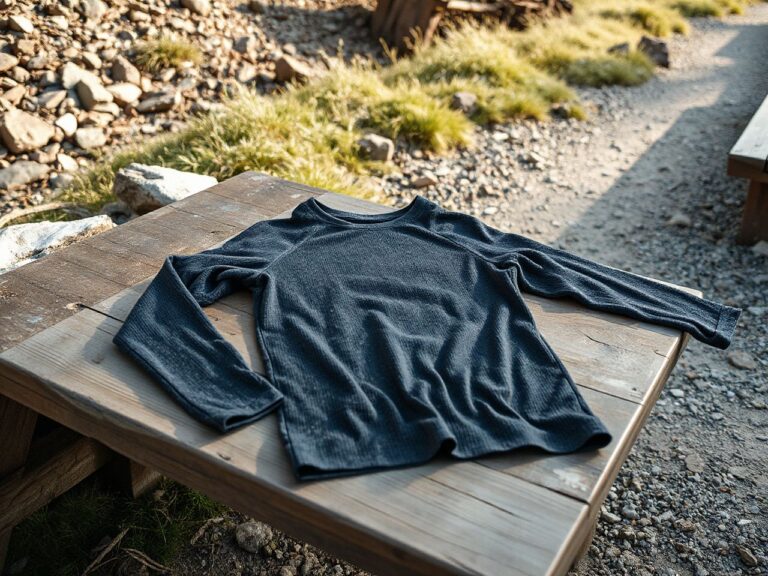
Polyester, polypropylene, or merino wool wick sweat away from your skin. Avoid cotton — it absorbs moisture and stays wet, accelerating heat loss. A good base layer should fit snugly without restricting movement. Look for fabrics with a weight rating of 150-200 gsm for moderate cold.
Mid Layer: Insulation
Fleece, down, or synthetic insulation traps warm air close to your body. Fleece works well in damp conditions because it retains some insulating value when wet. Down provides the highest warmth-to-weight ratio but loses effectiveness when saturated. For wet environments, synthetic insulation like Primaloft or Thinsulate performs better.
Outer Layer: Wind and Water Protection
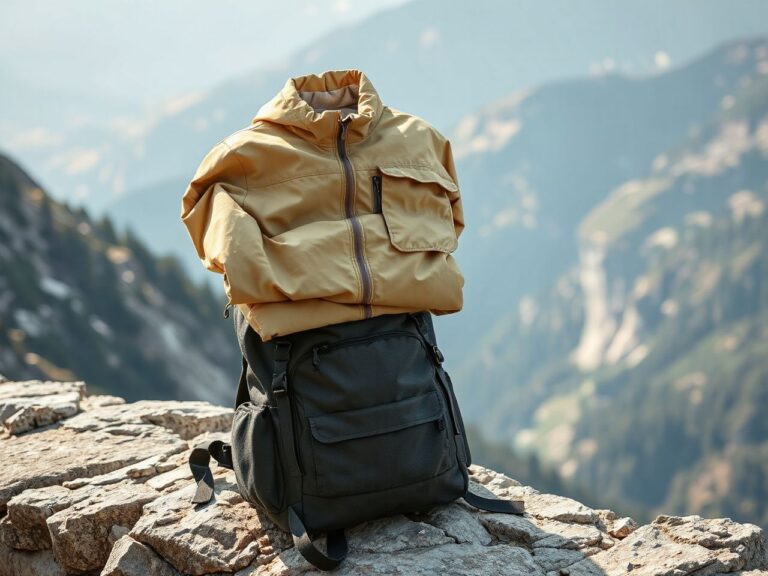
A shell jacket or coat blocks wind and precipitation. Look for a fabric with a waterproof rating of at least 5,000 mm and breathability of 5,000 g/m²/24h for active use. Zippered vents under the arms let you dump excess heat without removing layers, preventing sweat buildup.
Step 3: Warm Your Core First, Then Extremities
Your body prioritizes blood flow to vital organs when cold. Warming your torso, neck, and head first encourages circulation to hands and feet. A warm core sends warm blood outward, reducing the need for intense hand or foot warming later.
Chest and Back
Place a heat pack or warm water bottle against your upper chest or between your shoulder blades. These areas have major blood vessels close to the skin, so heat transfers quickly into your bloodstream. A single heat pack on your chest can raise your core temperature by 1-2°F within 15 minutes.
Neck and Head
A scarf or neck gaiter prevents heat loss from the carotid arteries. A beanie or hat cuts head heat loss by up to 30%. In extreme cold, a balaclava covering both head and neck reduces total body heat loss by nearly half.
Hands and Feet
Once your core is warm, focus on extremities. Chemical hand warmers (iron powder, salt, and activated charcoal) reach 135°F (57°C) for up to 8 hours. Place them inside mittens rather than gloves — mittens keep fingers together, sharing warmth. For feet, change into dry socks and use foot warmers on the top of your toes, not the sole.
Step 4: Generate Heat Through Movement and Fuel
Your body produces heat through metabolic processes and muscle activity. Shivering is an involuntary response that can generate up to 5 times your resting heat production. But you can consciously boost your heat output.
Active Warm-Up Exercises
Jumping jacks, high knees, or brisk walking for 5 minutes raises core temperature by 1-2°F. Focus on large muscle groups — legs and glutes produce the most heat. Aim for 80-100 steps per minute during a brisk walk. Avoid static stretching before warming up; it doesn’t raise core temperature and can increase injury risk.
Fuel Your Internal Furnace
Eating food increases your metabolic rate through the thermic effect of food. Complex carbohydrates like oatmeal or whole grains provide sustained energy over 3-4 hours. Protein-rich foods like nuts or jerky also generate heat during digestion. Hot liquids like tea or broth warm you from the inside, but avoid alcohol — it dilates blood vessels near the skin, causing you to feel warm while actually losing core heat faster.
Step 5: Use External Heat Sources Safely
When your body’s own heat production isn’t enough, external sources can help. But safety rules are non-negotiable.
Portable Heaters and Fire
Propane or electric heaters work well in enclosed spaces with proper ventilation. Never use a camping stove or charcoal grill indoors — carbon monoxide poisoning is silent and deadly. A small candle in a clay pot can raise the temperature of a small room by 5-10°F over an hour, but only with adequate airflow.
Warm Baths and Showers
A warm (not hot) bath at 100-104°F (38-40°C) raises core temperature gradually. Stay in for 10-15 minutes. Hot water above 110°F can cause burns and rapid skin cooling after you exit. Dry off immediately and dress in warm layers to retain the heat.
Electric Blankets and Heating Pads
These devices provide direct warmth. Use a heating pad on low or medium setting for 15-20 minutes at a time. Never fall asleep with a heating pad on high — it can cause burns or fire. Modern electric blankets with auto-shutoff timers are safer than older models.
Step 6: Optimize Your Sleeping Environment for Warmth
If you’re trying to get warm for sleep, your bed setup matters as much as your clothing.
Bedding Layers
Use a flannel sheet set under a down or synthetic comforter. A fleece blanket adds another 5-10°F of warmth. The key is trapping air between layers, not just adding weight. A wool blanket over your comforter can increase warmth by 15% without adding bulk.
Pre-Warm the Bed
Use a hot water bottle or electric blanket to warm the sheets 10 minutes before you get in. Your body loses heat rapidly when climbing into a cold bed — pre-warming reduces that initial shock. A temperature of 68-72°F (20-22°C) in the bedroom is ideal for sleep without overheating.
Draft Proofing
Cold air seeping under doors or through windows can drop room temperature by 5°F. Use a draft stopper (or rolled towel) at the base of the door. Thermal curtains reduce heat loss through windows by up to 25%. Even closing blinds helps trap warm air.
Step 7: Know When to Seek Medical Help
Shivering that stops despite continued cold exposure is a red flag. Severe hypothermia (core temperature below 90°F / 32°C) requires immediate medical attention. Signs include confusion, slurred speech, and loss of coordination. In these cases, passive rewarming — warm blankets, dry clothing, and warm drinks — is safer than aggressive external heat, which can cause dangerous heart arrhythmias.
Frequently Asked Questions
What is the fastest way to get warm when you’re already cold?
The fastest method combines active movement and external heat. Do 2 minutes of jumping jacks or brisk walking to raise your core temperature, then wrap your torso with a warm blanket or heat pack. This dual approach can raise your body temperature by 2-3°F within 10 minutes, faster than either method alone.
Does drinking warm water really help you get warm?
Yes, but the effect is modest. Drinking 8 ounces of warm water (120-130°F) raises core temperature by about 0.5°F for 15-20 minutes. The real benefit is psychological and hydration-related — staying hydrated improves circulation, which helps distribute heat from your core to extremities. Herbal tea or broth works similarly.
Is it better to layer with cotton or synthetic fabrics for staying warm?
Synthetic fabrics outperform cotton in every cold-weather scenario. Cotton absorbs moisture and loses 90% of its insulating value when wet. Synthetic materials like polyester and nylon wick moisture and retain warmth even when damp. Merino wool is a natural exception — it can absorb up to 30% of its weight in moisture without feeling wet and still insulates effectively.