The Complete Guide to Waterproof Leather Boots
Contents
Nothing kills a long ride faster than wet feet. Riders often pull off their soaked boots after a creek crossing, only to find blistered skin and ruined socks underneath. That misery is entirely avoidable if you understand what truly makes a pair of waterproof leather boots perform—and what doesn’t. Cheap crash bars for a GS can bend on the first tip-over in a parking lot, leading to more spent fixing the fairing than would have been spent on quality bars. Budget gear on a loaded adventure bike is a false economy every time. The same principle applies to footwear: cut corners on construction, and you’ll pay for it in comfort, safety, and replacement costs. The most reliable way to judge a boot is by looking at how it handles gravel, rain, desert heat, and repeated wash cycles. Here’s what matters most when choosing and maintaining a durable set of waterproof leather boots.
Key Takeaways
- Full-grain leather with a bonded membrane offers the best long-term waterproofing for adventure riding.
- Proper break-in and regular cleaning with pH-neutral soap extend the life of waterproof leather boots significantly.
- Heat and abrasion resistance matter more than initial comfort—boots that soften too fast often fail early.
- Washing and re-treating your boots after every 500 miles restores performance and prevents membrane delamination.
What Makes Waterproof Leather Boots Actually Work
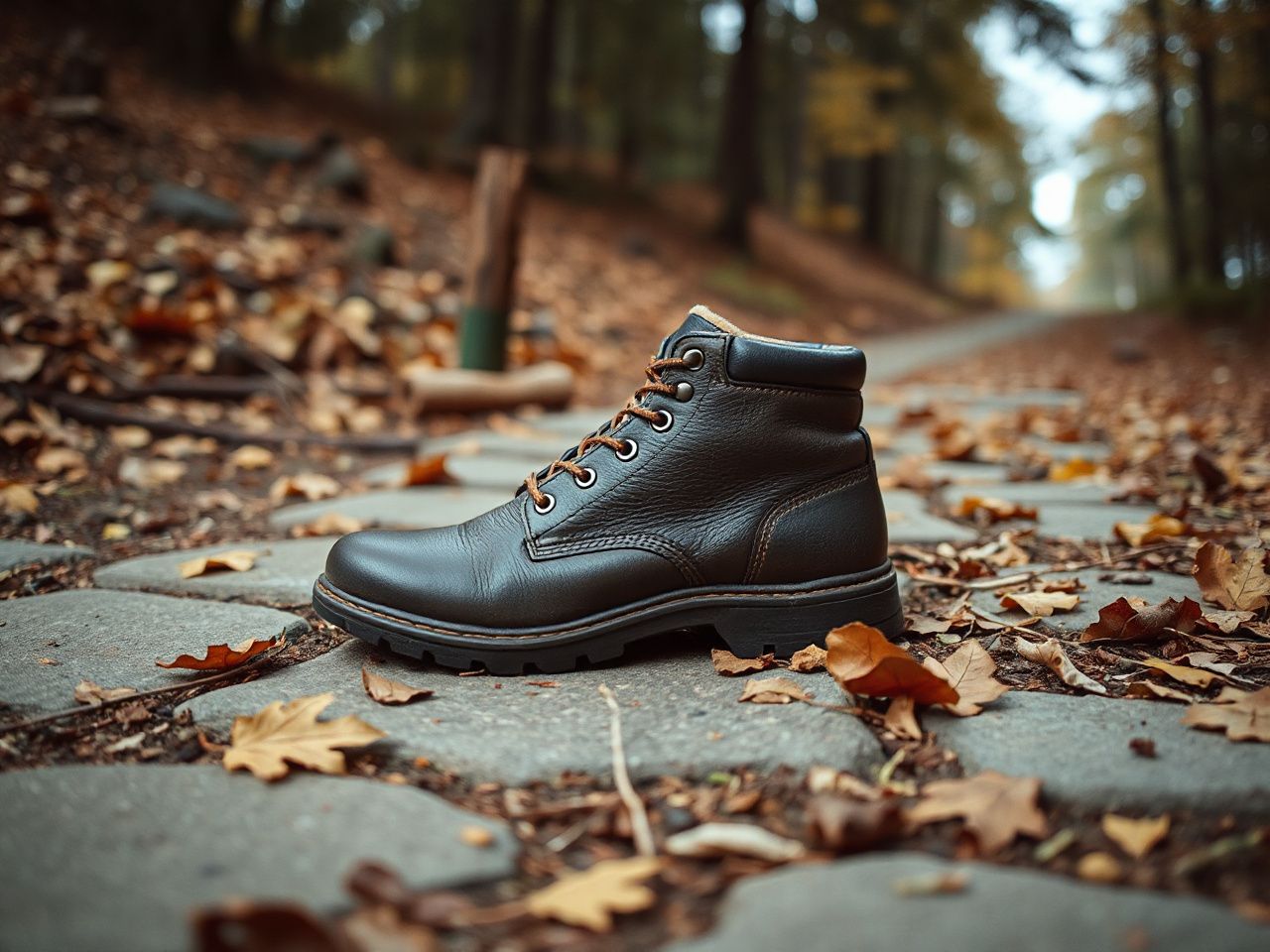
Waterproof leather boots rely on two distinct systems: the leather itself and an internal membrane. Full-grain leather is naturally water-resistant because its dense fiber structure blocks most moisture. But it’s not enough on its own for serious riding. That’s where a bonded membrane—usually polyurethane or PTFE—comes in. This layer sits between the leather and the lining, preventing water from passing through while allowing vapor to escape.
The critical detail is how the membrane is bonded. Heat-sealed seams at the tongue and ankle keep water from sneaking in through stitch holes. If the membrane is only glued, it will delaminate after a few wash cycles. This can happen on boots that look perfect out of the box but leak after a single season. Always check for bonded or taped seams on the inside of the boot before you commit.
Leather Thickness and Treatment
Leather thickness is measured in ounces, with 1 ounce equaling about 1/64 of an inch. For durable waterproof leather boots, look for leather that’s at least 2.5 to 3 ounces thick. Anything thinner will stretch out quickly and lose its shape, which compromises the seal around your ankle. Thicker leather also resists abrasion better when you’re sliding across gravel.
Factory-applied treatments vary widely. Some manufacturers use a wax or oil impregnation that soaks into the fibers, while others apply a surface coating. Impregnation lasts longer because it’s part of the leather itself. Surface coatings wear off after a few rides, especially in wet conditions. If you’re buying new boots, ask the manufacturer what treatment they use. If they can’t tell you, assume it’s a coating and plan to re-treat it yourself after the first 200 miles.
How to Break in Waterproof Leather Boots the Right Way
Breaking in a pair of waterproof leather boots is not about forcing your foot into stiff leather until it hurts less. That approach causes hot spots and blisters, and it can actually damage the membrane. Instead, use a gradual process that respects the material.
Step 1: Wear Them Around the House
Start by wearing your new boots indoors for short periods—30 minutes to an hour at a time. This lets the leather warm up and begin molding to your foot without putting stress on the seams. Do this for three to five days, increasing the duration each time.
Step 2: Add Movement
Once the boots feel less stiff, start walking on flat ground for 15 to 20 minutes. Focus on flexing your ankles naturally. If you feel any pressure points, mark them with a piece of tape and check if the boot’s tongue or heel cup is misaligned. Don’t ignore these spots—they’ll only get worse on a long ride.
Step 3: Short Rides First
Take your first ride in the boots on a dry day, keeping it under 50 miles. This gives the leather time to conform to your foot shape under riding conditions without the added stress of rain or mud. After the ride, let the boots air dry completely before wearing them again. Repeat this process two or three times before you trust them on a multi-day trip.
Cleaning and Maintaining Waterproof Leather Boots
Boots washed after extended use can vary in how they hold up. Some come out looking like new. Others develop cracks along the flex points or lose their waterproofing entirely. The difference comes down to cleaning technique and the products you use.
The Correct Washing Method
Start by removing the insoles and laces. Brush off loose dirt with a soft-bristle brush—never a wire brush, which scratches the leather. Mix a small amount of pH-neutral saddle soap with lukewarm water, and use a damp cloth to gently scrub the entire surface. Avoid soaking the boots. Work the soap into the leather in circular motions, paying extra attention to the toe and heel areas where grime builds up.
Rinse the cloth with clean water and wipe off all soap residue. Let the boots air dry at room temperature away from direct heat sources. Never use a radiator or hair dryer—high heat shrinks leather and can delaminate the membrane. Drying usually takes 24 to 48 hours depending on humidity. Once dry, apply a leather conditioner to restore oils, followed by a waterproofing spray or wax designed for membrane-lined boots.
How Often to Re-Treat
Re-treat your boots every 300 to 500 miles, or immediately after any ride in heavy rain or mud. If you notice water beading less on the surface, it’s time to reapply. Use a spray-on waterproofing agent that’s specifically formulated for breathable membranes—spray-on types penetrate the leather more evenly than wax, which can build up in the flex points and crack.
When to Replace Your Boots
Even the best waterproof leather boots have a finite lifespan. On average, a well-maintained pair lasts 1,500 to 2,000 miles of serious riding. Signs of failure include:
- Visible cracks in the leather, especially at the toe flex point or around the ankle.
- Water soaking through the leather after a short ride, even after re-treatment.
- The membrane peeling away from the leather inside the boot.
- Loose or broken seams that let water in through stitch holes.
If you catch these issues early, some can be repaired by a cobbler who specializes in motorcycle gear. But once the membrane is compromised, replacement is the only option. Don’t try to patch a leaking boot with glue or tape—it never holds under riding conditions and can actually trap moisture against your foot, leading to fungal infections.
Frequently Asked Questions
How do I know if my waterproof leather boots are still waterproof?
Fill a spray bottle with water and mist the surface of the boot. If the water beads up and rolls off, the waterproofing is still active. If it soaks in immediately and leaves a dark spot, it’s time to re-treat. For a more thorough test, wear the boots in a shallow puddle for a few minutes and check inside for dampness. Do this after every cleaning to catch problems early.
Can I wear waterproof leather boots in hot weather?
Yes, but you need to manage moisture. Leather naturally breathes, but the membrane adds a layer that traps some heat. Choose boots with a moisture-wicking lining and wear merino wool socks to pull sweat away from your skin. Avoid synthetic socks, which hold heat and cause blisters. If you ride in temperatures above 100°F, take breaks every two hours to remove your boots and let your feet air out.
What’s the best way to dry wet waterproof leather boots?
Remove the insoles and stuff the boots with newspaper or a dry towel to absorb moisture. Change the stuffing every few hours until the leather feels dry to the touch. Never use direct heat—no radiators, hair dryers, or ovens. Let them dry at room temperature for 24 to 48 hours. If you’re on a trip, pack a spare pair of insoles so you can swap them out while the originals dry.
How do waterproof leather boots compare to synthetic waterproof boots?
Leather offers superior abrasion resistance and durability compared to synthetic materials, but it’s heavier and requires more maintenance. Synthetic boots dry faster and are lighter, but they don’t hold up as well to repeated impacts or abrasion. For adventure riding where you might encounter rocks, gravel, or off-road conditions, leather is the better choice. For purely street riding in wet climates, synthetics can be a practical alternative. If you want a lighter option for running or hiking, see the specifications and features on the best waterproof joggers of 2026 and the best waterproof running shoes for 2026.