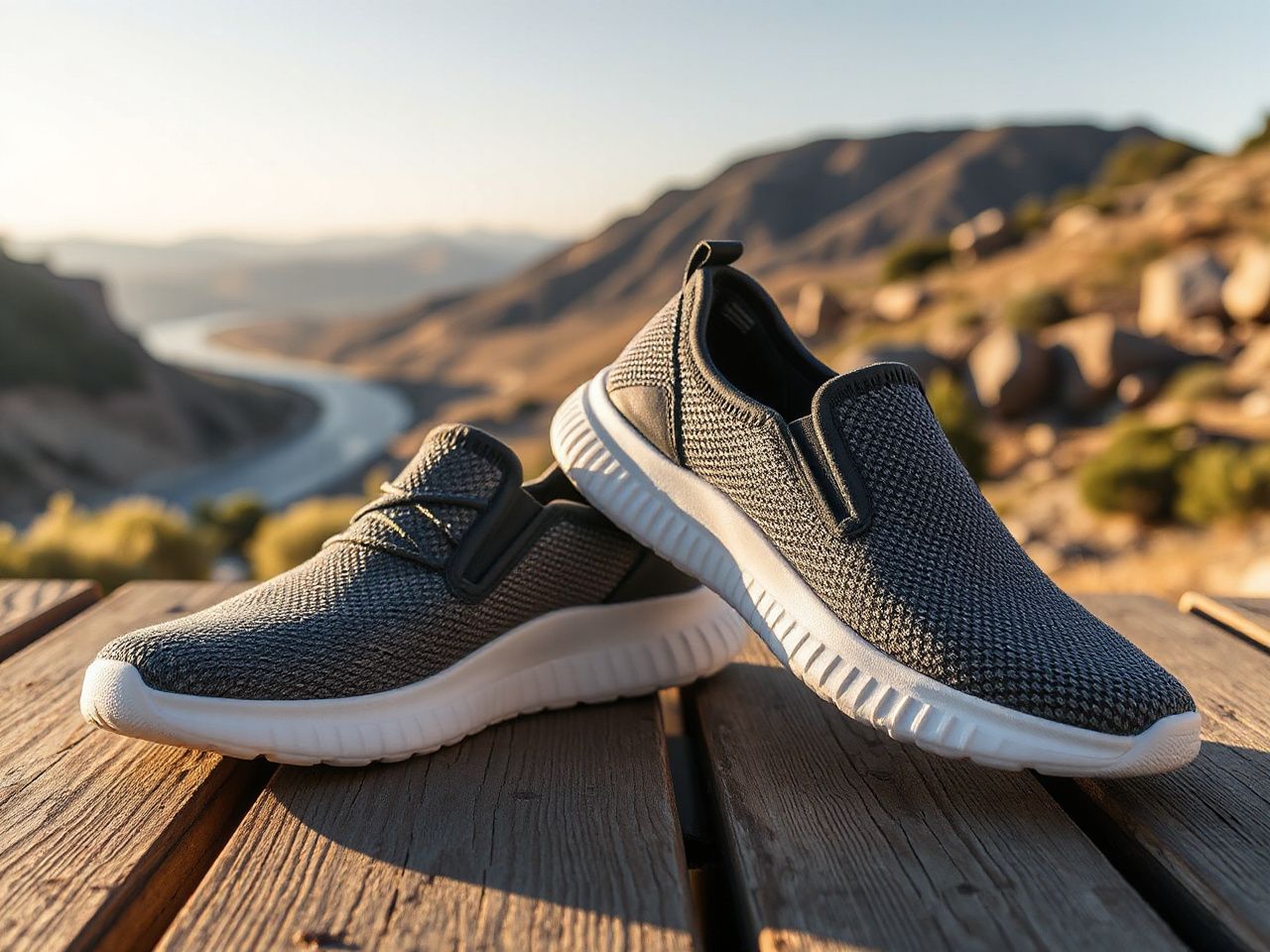
The Complete Guide to Extra Wide Slip On Sneakers
Contents
Most riders pack too tight. They squeeze their feet into boots that pinch, then spend the evening limping around camp. I have done it myself. After a long day in the saddle, the last thing you want is to fight with your footwear. That is why I stopped pretending narrow shoes would stretch. I switched to extra wide slip on sneakers, and it changed how I travel.
My first ‘waterproof’ jacket soaked through completely in a North Carolina downpour after about 45 minutes. I learned the difference between water-resistant and genuinely waterproof membranes the hard way, shivering through three hours of mountain riding. That lesson taught me to look past marketing claims. When it comes to footwear, width is not a luxury. It is a necessity for circulation, comfort, and safety on long rides.
Key Takeaways
- Extra wide slip on sneakers reduce foot fatigue and improve blood flow during long rides.
- Choosing the right width prevents blisters, hotspots, and nerve compression.
- Proper fit allows you to wear thicker socks for warmth without sacrificing comfort.
Why Width Matters for Riders
Your feet swell after hours on the pegs. Heat, vibration, and gravity push fluid into your lower extremities. A shoe that fits fine in the morning becomes a vice by lunch. Morton’s neuroma can develop from chronic compression. That burning pain between the toes is avoidable.
Extra wide slip on sneakers provide the internal volume your feet need. The toe box should allow your toes to splay naturally. You should be able to wiggle them without touching the sides. This is not about looking bulky. It is about giving your feet room to breathe.
The Science of Foot Swelling
During a 300-mile day, your feet can increase by half a size. Blood pools in the veins when you sit stationary on a bike. Add heat from the engine and summer asphalt, and the expansion accelerates. A narrow shoe restricts this process, causing numbness and pain.
When riding through the Smoky Mountains, it is recommended to stop every 90 minutes. Taking off shoes to let feet cool helps maintain comfort. A wide fit also contributes to comfort between stops.

How to Choose Extra Wide Slip On Sneakers for Travel
Selection is about more than width. You need a shoe that works with your gear, your riding style, and your destination. Here is my process.
Step 1: Determine Your Actual Width
Most shoe stores measure only length. But width is equally critical. Use a Brannock device or trace your foot on paper. Measure the widest part across the ball of your foot. If that measurement exceeds 4.5 inches for a men’s size 10, you likely need a wide or extra wide.
Do not assume a brand labeled ‘wide’ fits the same across models. Each manufacturer uses its own last. Some European brands run narrower than American ones. Try before you buy, or order from a retailer with a good return policy.
Step 2: Check the Slip-On Mechanism
Not all slip-ons are equal. Some rely on elastic panels that stretch over time. Others use a lacing system that mimics a traditional shoe but allows easy entry. For riders, I prefer a design with a heel pull tab and a stretchable collar that does not collapse.
The shoe should slide on without force. If you have to jam your foot in, it is too narrow. Once on, the heel should lock in place. A loose heel causes blisters and instability on the pegs.
Step 3: Evaluate Sole and Traction
Motorcycle pegs are narrow. A wide, flat sole can catch on the peg when you put your foot down. Look for a sole that is not too thick and has a defined heel. This helps you feel the controls.
Traction matters when you stop on loose gravel or wet pavement. I have slipped on a muddy trail because my sneakers had shallow tread. For travel, choose a sole with deep lugs and a rubber compound that grips on varied surfaces.
Packing and Caring for Wide Footwear
Space is precious on a motorcycle. But your shoes do not have to take up a whole pannier. Here is how I pack mine.
Compression and Organization
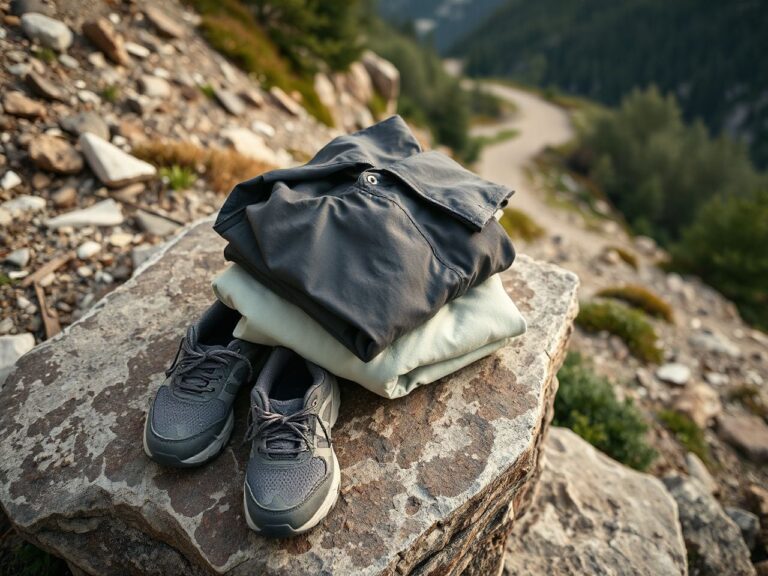
Stuff socks inside the sneakers to maintain their shape. Place them in a dry bag or stuff sack to keep dirt off your clothes. If you are carrying two pairs, nest them toe to heel to save space.
I use a mesh bag for ventilation. After a wet day, I open the bag and let the shoes air out overnight. This prevents odor and mold.
Cleaning on the Road
You cannot always wash your shoes at a laundromat. Carry a small brush and a travel-sized bottle of mild soap. Scrub off mud and road grime before it sets. Avoid machine drying, as heat can shrink the upper or warp the sole.
For leather uppers, apply a thin layer of conditioner every few weeks. This keeps the material supple and extends the life of the shoe.
Riding Culture and Footwear Choices
I have ridden through the Ozarks, the Rockies, and the Appalachians. In each region, I see riders making the same mistake: wearing boots that are too stiff or shoes that are too tight. The best gear is the gear you forget you are wearing.
Extra wide slip on sneakers fit into a broader philosophy of minimalist travel. Carry less, enjoy more. When your feet are comfortable, you can focus on the road and the people you meet. I have had conversations with locals in small-town diners that started because I was not limping in pain.
Leave the place better than you found it. That means respecting the environment and the communities you pass through. It also means taking care of yourself so you can be present for the journey.
Frequently Asked Questions
Can extra wide slip on sneakers be worn with orthotics?
Yes, but you need to account for the added volume. Remove the insole that comes with the shoe and test your orthotic inside. If the shoe feels tight, go up a half size or choose a style with a removable insole. Some brands offer extra depth options specifically for orthotic users.
How do I prevent my slip-on sneakers from stretching out?
Stretching is common with elastic panels. To slow it down, avoid leaving the shoes in direct sunlight or near a heat source. Use shoe trees when storing them. If the collar stretches, a small strip of moleskin inside the heel can restore grip.
Are extra wide slip on sneakers suitable for hiking?
They work for light trails and walking around town. For serious hiking with a pack, a dedicated hiking boot with ankle support is recommended. The slip-on design lacks the lacing structure needed for technical terrain. But for gravel paths and forest roads, they are fine.
What socks should I wear with extra wide slip on sneakers?
Thin, merino wool socks are my go-to. They wick moisture, reduce friction, and fill the extra space without bunching. Avoid cotton socks, which retain sweat and cause blisters. In cold weather, layer a thin liner sock under a medium-weight wool sock.
How often should I replace my extra wide slip on sneakers?
Replace them when the midsole compresses or the tread wears down below 3 millimeters. For a rider covering 10,000 miles per year, that is about every 12 to 18 months. If you feel the pavement through the sole or notice uneven wear, it is time for a new pair.