How to Dress on Shoes: 6 Steps to a Complete Look
Contents
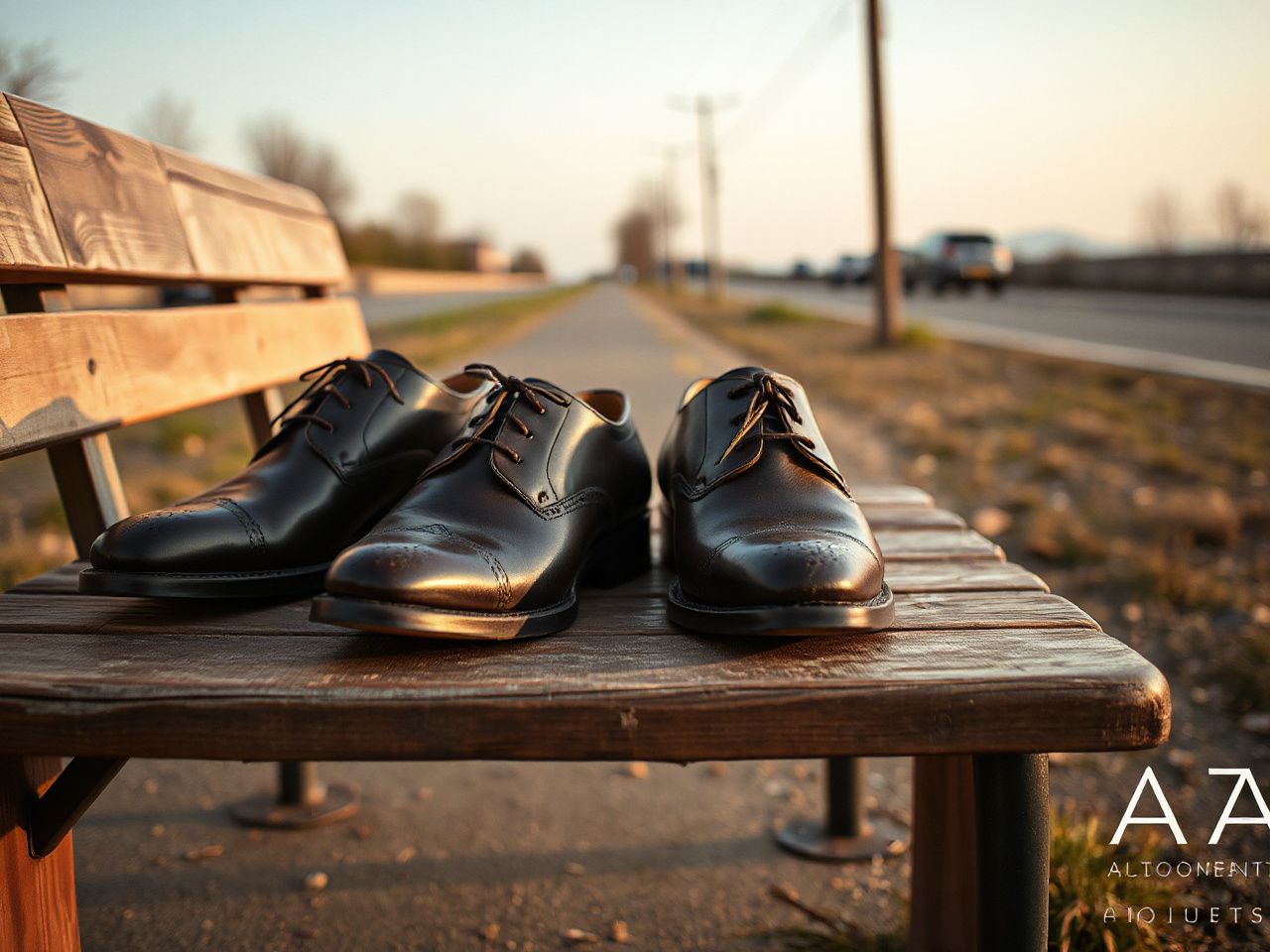
Nothing ruins a $400 pair of Oxfords faster than crushing the heel counter every time you force your foot in. Dress shoes go from sleek to sloppy in a matter of weeks—not because of worn leather, but because the back of the shoe collapsed. A simple tool stops that damage cold, yet most travelers leave it behind. When comparing shoehorns for international trips, the biggest differentiator is length versus portability. A collapsible model that folds down to 5 inches is convenient, but the joints can loosen and fail mid-use; a solid stainless steel shoehorn that fits vertically in a laptop bag provides reliable service. Beginners think any shoehorn works, but the heel counter must be supported precisely—a curved shape that matches the shoe’s back is essential, and that’s what makes the difference between a smooth slip-on and a frustrating tug. The way you dress on shoes defines how long that investment stays sharp.
Key Takeaways
- A shoehorn prevents the heel counter from collapsing, which permanently alters a dress shoe’s fit and ruins its silhouette.
- For travel, a shoehorn 16 inches or longer lets you stand upright while sliding your foot in—anything shorter forces you to bend.
- Stainless steel and thick ABS plastic shoehorns survive baggage handling; collapsible joints and flimsy plastic crack under repeated stress.
- TSA allows shoehorns in carry-ons, and a solid metal model can double as a stiffener inside your laptop sleeve to prevent bending the shoehorn itself.
Why a Shoehorn Is Not a Luxury—It’s Heel Counter Insurance
The heel counter is a stiff cup hidden inside the back of every quality dress shoe. Its job is to cup your heel, lock your foot in place, and maintain the shoe’s overall architecture. When you shove your foot into a shoe without support, your heel flattens that counter over time. The leather loses tension, the structure buckles, and the shoe develops a permanent wrinkle at the back. Once that happens, the fit goes loose and no amount of polishing will fix it.
Goodyear welted shoes from Northampton factories rely on that reinforced counter to hold their shape for a decade or more. Allen Edmonds, for instance, explicitly recommends using a shoehorn every time you step in, because the pressure from a bare heel exceeds 25 pounds of force across a tiny surface. Without a shoehorn, you’re essentially crushing the counter each day on the road. For reference, independent shoe repair shops note that a collapsed heel counter is one of the top three reasons for premature resoling and reconstruction, right after worn soles and cracked linings.
Think of the counter as the EPS foam inside a motorcycle helmet. It absorbs shape stress. Once it compresses, the protective geometry is gone—permanently. A shoehorn redirects that pressure along a smooth curve, preserving the shoe’s internal structure. This isn’t a luxury for fussy dressers; it’s cheap insurance on a garment that costs hundreds of dollars.
Choosing the Right Shoehorn for Travel: Length, Material, and Fail Points
Picking a travel shoehorn feels simple until you stand in front of a display of 8-inch plastic hooks next to 18-inch stainless steel blades. The wrong choice leads to a broken tool in your Dopp kit or a shoehorn that forces you to crouch anyway. Two specs override everything: overall length and material fatigue resistance.
Length: The 16-Inch Minimum Rule
The geometry decides it. If you’re 5 foot 10, a shoehorn shorter than 16 inches requires you to bend your knees and lean forward—your hand drops below your waist, and your back rounds. Over a dozen trips, that repeated motion when you dress on shoes in a cramped hotel room adds up. A shoehorn in the 16–22-inch range lets you stand fully upright, drop your arm naturally, and guide your heel in with zero spinal flexion. Long-handled models also give you leverage; the curved blade sits deep in the shoe without lifting the counter away from your heel.
Travel throws a curveball, though. A 22-inch shoehorn won’t fit inside a carry-on. That’s where collapsible or folding options tempt you. I get it. But telescoping joints are prone to failing after 20 uses. The locking mechanism on a collapsible shoehorn relies on a small spring-loaded pin or a twist-lock that wears with grit and lateral torque. When it slips mid-use, the two halves separate and you’re left holding a useless stick. Avoid telescoping designs unless you’re willing to baby them and replace them twice a year.
Material: Stainless Steel vs. ABS Plastic vs. Wood
Material matters more than you’d guess. Stainless steel shoehorns carry the advantage of near-infinite fatigue life. A 1.5mm thick 304 stainless blade can flex slightly and return without cracking. I’ve packed the same 17-inch stainless shoehorn in a messenger bag across four continents, and it’s still straight. The smooth finish glides against leather without scratching, provided the edges are properly deburred. Factory defects can leave a sharp edge, so run your thumb along the rim when you buy it. A well-made steel horn will never bite into calfskin.
ABS plastic shoehorns are thicker and heavier than old polyethylene versions, and they don’t crack as easily. However, a cheap molded plastic shoehorn can snap unpredictably under bending load—especially if it’s been sitting in a cold plane cargo hold and becomes brittle. I’ve snapped two in hotel rooms. A thick ABS shoehorn with a reinforced rib along the spine holds up better, but it still can’t match steel’s resilience. For travel that involves multiple climates, steel wins every time.
FSC-certified bamboo shoehorns look handsome and feel warm in the hand. They’re popular with eco-conscious travelers. The downside: wood expands and contracts with humidity. In an airplane cabin with single-digit humidity, a bamboo shoehorn can develop hairline cracks within weeks unless it’s regularly oiled. A bamboo shoehorn demands maintenance. I’ll cover that in the care section, but know that wood adds a variable you need to control.
TSA regulations clearly permit shoehorns in carry-on luggage, metal or otherwise. I’ve never had a security agent question mine. A solid stainless steel model doesn’t even register as a prohibited item, and the officer will likely recognize it immediately.
Step-by-Step: How to Dress on Shoes Without Bending Over
A shoehorn is only as effective as the technique you use. Stab it into the shoe, force your foot down, and yank it out—grinding the heel counter in the process—is a common mistake. The goal is a zero-friction slide. Here’s the sequence that protects both your leather and your back.
Step 1: Position the Shoehorn Against the Heel Counter
Hold the shoehorn so the concave curve matches the inside curve of the shoe’s back. Slide it all the way down until the tip of the horn touches the insole at the heel. The blade should sit flush against the counter, not tilted. A tilted horn catches the edge of your heel and folds the counter outward. If you feel the shoehorn pressing into the lining rather than lying flat, withdraw it and realign. This is the most common mechanical error that ruins leather.
Step 2: Keep the Shoehorn Vertical and Stable
With a long-handled model, brace your hand against your thigh or hip to lock the position. Don’t let the shoehorn drift as you insert your foot. A slight forward lean of the handle is fine—about 10 degrees off vertical—but any sharper angle forces the blade away from the heel, creating a gap that chews the counter. On hard floors, the shoehorn tip can slip if the hallway is dusty. Plant the shoe on a bathmat or carpet square for grip if you’re steadying yourself in a hotel room.
Step 3: Slide Your Foot in Slowly, Heel First
Loosen the laces fully. Place your toes into the shoe opening, then guide your heel down along the shoehorn’s smooth face. Let the tool do the work—don’t ram your foot down. Keep your knee bent at about 90 degrees and your weight centered over the ball of your other foot. The shoehorn should support your heel until it clears the counter edge and settles onto the insole. You’ll feel a distinct moment when the heel drops past the counter, at which point the shoehorn becomes slack.
Step 4: Extract the Shoehorn Straight Up
Pull the shoehorn out in one smooth vertical motion, keeping the handle aligned with your shin. Twisting it sideways as you remove it can scrape the counter. If you used a wooden horn, a slow pull prevents it from binding against the leather. After extraction, immediately lace the shoe to secure the foot before walking, so the shoe doesn’t shift and deform while you’re moving around.
Step 5: Repeat with a Slight Heel Lift for Loafers
Loafers lack traditional laces, so the heel counter needs an extra bit of help. Before sliding your foot in, lift the back of the loafer slightly by pressing down on the sole with your opposite hand. This opens the heel opening a few millimeters. Insert the shoehorn, then proceed as before. Without that pre-lift, you risk stretching the loafer’s leather beyond its natural give, creating an unsightly bulge.
Step 6: Inspect the Heel Counter Afterwards
After you’ve laced up, run your thumb down the back of the shoe. You should feel a firm, unbroken curve. If you detect a wrinkle or a soft spot, you likely inserted the shoehorn too fast or at the wrong angle. Correct your technique immediately; repetitive damage embeds quickly. A heel counter that remains rigid through a dozen wears is proof that you’re using the tool correctly.
Packing and Maintaining Your Shoehorn on the Road
A shoehorn that arrives bent or covered in grit is worse than useless—it’s an abrasive. Proper stowage and occasional maintenance keep the tool travel-ready and your dress shoes unscathed.
Packing a Long Shoehorn Without Damage
I slide my 17-inch stainless steel horn inside the laptop compartment of my backpack, flat against the back panel. The bag’s padding protects it from bending, and the shoehorn actually acts as a stays-like stiffener that helps the pack keep its shape. If you carry a rolling bag, slip the shoehorn inside a shoe bag along with your dress shoes, but wrap it in a microfiber cloth first so it doesn’t rattle and scuff the leather. Never toss an unprotected steel horn loose in a suitcase with loose items—it will abrade anything it touches.
Collapsible shoehorns fold down to about 5 inches and fit inside a dopp kit, but the folding mechanism is the weak link. I pack mine inside a stiff-sided toiletry case rather than a soft bag, to prevent lateral pressure from twisting the hinge. One traveler I met on a flight to Frankfurt had his telescopic horn’s aluminum collar deform from being pressed inside an overstuffed backpack, and the unit never locked straight again.
Cleaning and Oiling Wooden Shoehorns
Wooden shoehorns absorb skin oils, leather conditioner, and ambient moisture. Over time, that residue turns sticky and attracts dust, which turns into a fine abrasive. After every trip, wipe a bamboo shoehorn with a soft cloth dampened with a tiny bit of mild soap, then immediately dry it with another cloth. Once a month, apply a thin layer of mineral oil or a preservative oil blend (like the stuff used on cutting boards). Let it soak in for ten minutes and buff off the excess. This prevents the wood from drying out and splitting, especially if you fly frequently. In desert climates like Palm Springs, untreated bamboo can crack within a week. The oil restores flexibility to the fibers and preserves the smooth glide.
If you’re curious about keeping other travel footwear in good shape, our guide to slip-on walking shoes for ladies covers shoe care for more casual options that still benefit from a shoehorn to maintain heel structure.
Common Mistakes That Destroy Your Shoes (and Your Shoehorn)
Even with the right tool, poor habits wreck leather faster than any road grit. I’ve cataloged these errors across airport lounges and cramped hotel bathrooms. Most come down to force and angle.
Using the shoehorn as a lever. Instead of inserting it smoothly, people jam the blade against the counter and then pry their foot in. This stretches the leather unevenly around the heel, leaving a permanent bulge. The shoehorn should be a static guide, not a crowbar.
Grabbing the horn with wet hands. Water softens leather. If you’ve just washed your hands and then grip the shoehorn and the shoe’s back, you’re introducing moisture to a stressed area. Dry your hands thoroughly before you dress on shoes to avoid water spots and weakening the counter.
Ignoring debris on the shoehorn. A shoehorn that’s been rattling in a carry-on picks up dust, sand, and fragments of plastic. That grit pressed against the lining acts like sandpaper, wearing through the counter cover in months. Wipe the blade with a dry cotton cloth before every use.
Storing it in direct sun. Left on a dashboard or hotel windowsill, a plastic shoehorn can warp from heat, and a wooden one will dry and split along the grain. Always keep your shoehorn in a bag or drawer, away from direct UV and heat sources. Stainless steel tolerates heat without issue, but it can still transfer heat to the leather if it’s been baking in the sun—let it cool first.
Using a metal horn with deep scratches. A stainless shoehorn that’s been abused can develop burrs. These micro-edges can nick leather fibers, causing superficial scratches that compound. Inspect the surface monthly; if you feel any roughness, smooth it with a fine-grit emery board before it contacts your shoes again.
Frequently Asked Questions
What length of shoehorn should I look for when traveling?
A shoehorn between 16 and 18 inches long lets you maintain a straight back while dressing on shoes in a hotel room. Shorter horns force you to bend at the waist and crouch, which negates the tool’s ergonomic purpose. For packability, a solid one-piece horn that fits diagonally inside a backpack is more reliable than a shorter collapsible model that can fail.
Can I bring a metal shoehorn through airport security in my carry-on?
Yes. The TSA explicitly permits shoehorns in both carry-on and checked luggage, regardless of material. I’ve never had a stainless steel shoehorn flagged. If you’re nervous, place it in an easily accessible outer pocket so it doesn’t obscure the X-ray image of your bag.
Will a stainless steel shoehorn scratch my dress shoes?
No, if it’s properly finished. Quality steel shoehorns have rounded, polished edges and a smooth glide face. Run your finger along the rim before first use—if you feel any sharpness, return it. Years of use confirm that a well-made steel horn slides against calfskin without leaving marks, far safer than plastic ones with mold seams.
While you’re dialing in your travel footwear, you might also appreciate our roundup of stylish running shoes for 2026 that look good off the plane and still protect your feet. And for more support on the move, mid top running shoes offer a different kind of heel security—built into the shoe itself.