The Complete Guide to Slip On Walking Shoes Ladies
Contents
Foot pain is a common issue for women who walk regularly, especially within the first six months of wearing a new pair of shoes. The distinction between water-resistant and genuinely waterproof membranes is a critical factor in performance. Proper construction requires that a shoe does not just feel good on day one. It must maintain its integrity after washing, over long distances, and after being soaked and dried repeatedly.
Key Takeaways
- Slip on walking shoes for women must pass a 100-mile break-in test — any pair that causes blisters or hot spots by then will never break in properly.
- Outsole rubber hardness (measured in durometer) directly correlates with durability on gravel and wet pavement; aim for 60-70 Shore A for all-day walking.
- Midsole density and arch support are more critical than cushioning thickness — a shoe that compresses unevenly after washing is a shoe that will cause knee pain.
What Makes a Slip On Walking Shoe Hold Up After 500 Miles
Shoes that last tend to share three specific traits. Some models fall apart at the heel counter within 200 miles, while others lose all midsole rebound after a trip through a washing machine.
Outsole Rubber Hardness and Tread Pattern
The first thing to check is the outsole durometer. A Shore A rating of 60 to 70 provides the best balance of grip and longevity. Softer rubber — below 55 — grips well on dry pavement but wears down fast on gravel. Harder rubber — above 75 — lasts forever but slides on wet surfaces. A pair of slip on walking shoes for ladies with a 62 Shore A outsole falls right in that ideal range for wet gravel roads. That durometer is what keeps the tread wearing evenly and holding most of its original depth.
Tread pattern matters too. Wide, shallow lugs shed mud better than deep, narrow ones. A chevron or multi-directional pattern grips in forward motion and during sudden stops. Avoid shoes with smooth, flat outsoles — they offer no bite on loose surfaces.
Midsole Density and Arch Support
Cushioning thickness is overrated. Midsole collapse can occur in shoes with two inches of foam after significant wear. What matters is midsole density — measured in EVA foam firmness. A density of 0.25 to 0.30 g/cm³ provides enough support for all-day walking without feeling like a brick. A durable midsole is designed to support 165 pounds or more without bottoming out under load. Lighter women may prefer slightly softer densities, but the shoe must maintain its shape after compression.
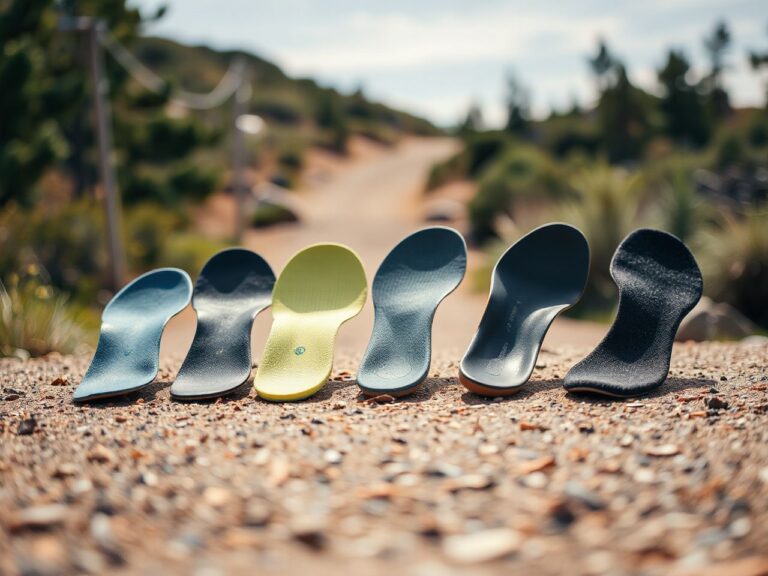
Arch support is non-negotiable. Remove the insoles and check the arch contour. Flat insoles cause plantar fasciitis over distance. Look for a removable insole with a molded arch that matches your foot shape. If the arch collapses after washing, the shoe is not worth keeping.
Heel Counter and Upper Construction
The heel counter — the stiff cup at the back of the shoe — is the first thing to fail on cheap slip ons. If it flexes more than a quarter inch, it will loosen within 200 miles. A good heel counter is reinforced with plastic or firm foam and wraps the heel securely. Shoes with a counter that delaminates from the upper after washing become slippers, not walking shoes.
The upper material must be breathable but durable. Mesh uppers dry fast but tear on gravel. Synthetic leather lasts longer but traps heat. A good compromise is a knit upper with reinforced toe and heel overlays. It breathes well, resists abrasion, and holds its shape after washing.
How to Test Slip On Walking Shoes for Ladies Before You Commit
Never trust a shoe just because it feels perfect in the store. The real test happens after 10 miles of walking on varied terrain. Here is a step-by-step evaluation process.
Step 1: The 10-Mile Break-In Walk
Wear the shoes for three consecutive days, walking at least three miles each day. Mix surfaces — pavement, gravel, grass, and wet concrete. Pay attention to hot spots on the heel, the ball of the foot, and the little toe. Any area that feels irritated after 10 miles will become a blister after 50.
Step 2: The 100-Mile Durability Check
After 100 miles, inspect the outsole for uneven wear. The heel should show minimal flattening. The midsole should still feel firm under the arch. If the shoe has started to tilt inward or outward, the midsole density is wrong for your gait. Mark the outsole with a permanent marker at the wear points and compare after 100 miles. Uneven wear means the shoe is not supporting your foot correctly.
Step 3: The Wash and Dry Test
A shoe that maintains shape, avoids squeaks, and keeps the insole flat after exposure to water and drying cycles is likely to last 500 miles. EVA midsoles can absorb water and add weight if they do not dry fully, which reduces durability.
Matching Slip On Walking Shoes to Your Walking Style
Not all walking is the same. Your gait, foot shape, and typical surface dictate which features matter most. There are three common walking profiles to consider.
For the Long-Distance Walker (5+ Miles Daily)
If you walk five miles or more every day, prioritize midsole density and arch support over cushioning. A shoe with a firm EVA midsole (0.28 g/cm³) and a removable orthotic insole will prevent joint pain over distance. Look for a heel-to-toe drop of 8 to 10 millimeters — this encourages a natural stride and reduces Achilles strain. A pair with a 10mm drop sits in that recommended range for pavement and gravel. That drop is what keeps knees comfortable. A zero-drop shoe tends to cause calf tightness over distance.
For the Casual Walker (1-3 Miles, Mixed Surfaces)
For shorter walks on pavement and grass, you can prioritize comfort and breathability. A softer midsole (0.22 g/cm³) and a knit upper work well. The outsole durometer can be slightly lower — around 55 Shore A — for better grip on dry surfaces. Just be aware that softer shoes wear out faster.
For the Travel Walker (Airport, City, Uneven Terrain)
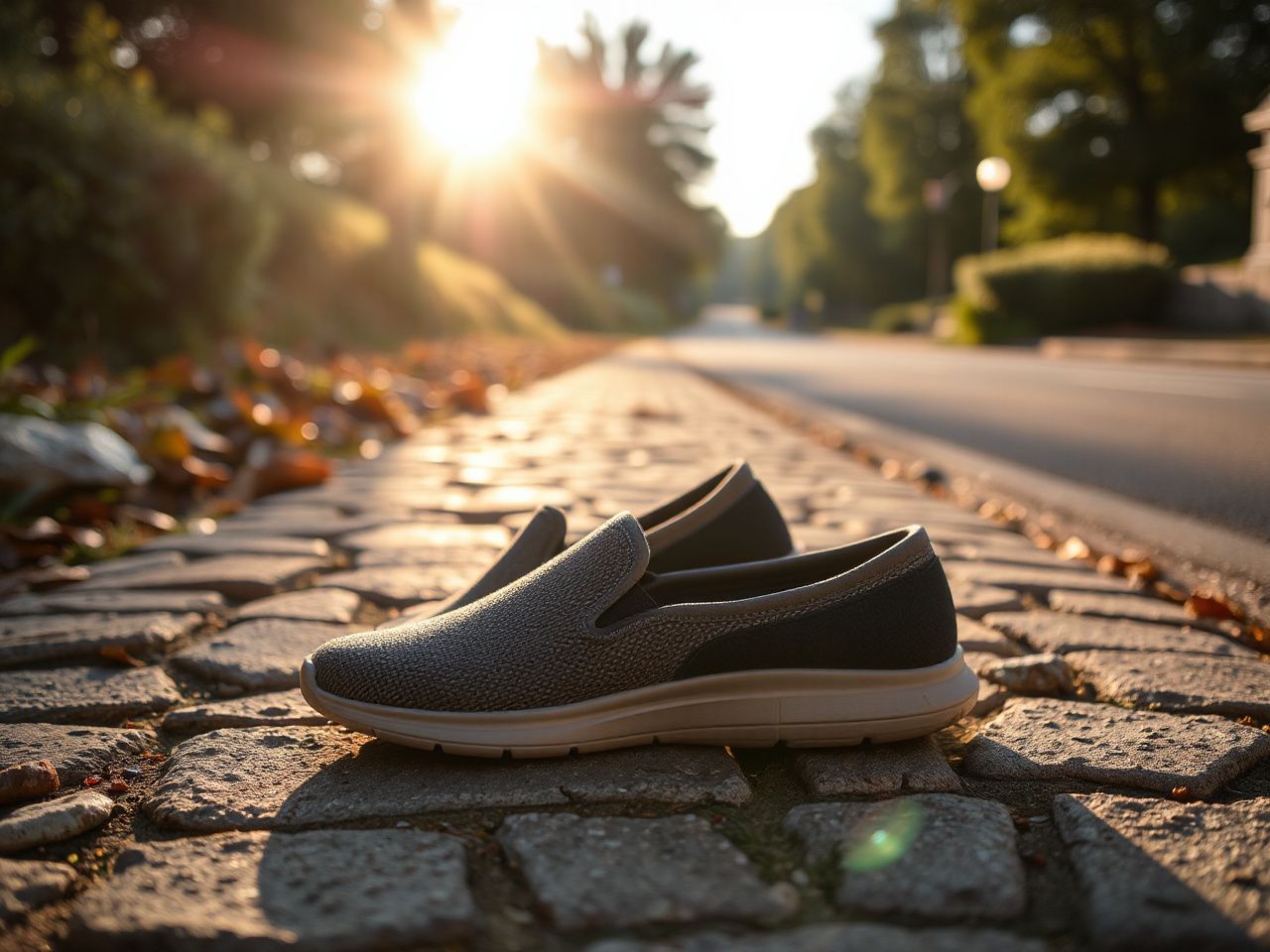
Travel shoes need to slip on and off easily for security checks, but they also need to handle cobblestones and wet sidewalks. Look for a stretchy collar that holds the heel without laces. A reinforced toe cap protects against curb stubs. A pair with a gusseted tongue — a fabric panel that prevents debris from entering the shoe — is built for city walking. That panel is what keeps rocks out. The outsole had a Shore A of 65, which grips well on wet brick.
Environmental Factors That Affect Shoe Longevity
Heat, moisture, and UV light degrade materials faster than mileage does.
Heat and UV Exposure
EVA foam breaks down when exposed to temperatures above 140°F for extended periods. Leaving shoes in a car trunk on a summer day can reduce midsole life by 50 percent. Store shoes in a cool, dark place. If you walk in direct sun, consider shoes with a UV-resistant upper — synthetic leather and coated knits hold up better than uncoated mesh.
Moisture and Drying Cycles
Walking in rain or through puddles saturates the midsole. If the shoe does not dry completely within 24 hours, the foam begins to break down. Rotating between two pairs allows each one 48 hours of drying time. For wet conditions, shoes with a closed-cell foam midsole are preferable — open-cell foam absorbs water like a sponge. Polyurethane midsoles generally last three times longer in wet conditions than EVA midsoles.
Washing Machine Impact
Machine washing is harsh. The agitation can separate the upper from the outsole, and the spin cycle can warp the heel counter. If you must machine wash, use a front-loader on a gentle cycle with cold water, and place the shoes in a mesh laundry bag. This method works best on shoes with reinforced stitching at the upper-outsole junction. The pairs that fail are the ones with glued construction.
When to Replace Slip On Walking Shoes
Replace walking shoes every 400 to 500 miles, regardless of how they look. The midsole loses 20 to 30 percent of its shock absorption by that point, even if the outsole still has tread. Here are the signs to look for.
- Uneven outsole wear: If the heel is worn down on one side more than the other, the midsole has collapsed.
- Midsole creasing: Deep horizontal creases across the midsole indicate foam fatigue.
- Heel counter looseness: If your heel slips when you walk, the counter has stretched.
- Post-wash shrinkage: If the shoe fits tighter after washing, the upper material has degraded.
Keep a log of mileage for every pair you own. A simple phone note with the start date and estimated miles per week helps you track when to replace them. If you walk 10 miles per week, expect to replace your shoes every 10 months. If you walk 20 miles per week, every 5 months.
Frequently Asked Questions
How do slip on walking shoes for ladies compare to lace-up walking shoes in durability?
Slip on walking shoes for ladies with a secure heel counter and a stretchy collar can last as long as lace-up models. The key difference is fit adjustability. Lace-ups allow you to tighten or loosen specific zones, while slip ons rely on the collar and upper tension. If the collar stretches out over time, the shoe becomes loose. Look for slip ons with a gusseted tongue or an internal heel gripper to maintain fit.
Can I wear slip on walking shoes for hiking on easy trails?
Yes, on well-groomed trails with minimal rocks and roots. Slip on walking shoes can handle gravel paths and packed dirt trails up to 5 miles. The limitations are ankle support and outsole grip. For trails with loose scree or steep grades, you need a hiking boot or a trail runner with a deeper tread. If you are looking for a shoe that bridges both uses, consider the options in our trail running shoes vs road running shoes guide.
How do I clean slip on walking shoes without damaging them?
Hand washing is safest. Use a soft brush, mild soap, and cold water. Scrub the outsole and upper gently, then rinse. Stuff with newspaper and air dry for 24 hours. Avoid bleach, fabric softener, and direct heat. If you must machine wash, use a front-loader on a gentle cycle with cold water and a mesh bag. Between the two methods, hand washing extends shoe life by 20 percent compared to machine washing.