Can You Use Trail Running Shoes for Road Running? Full Guide
Contents
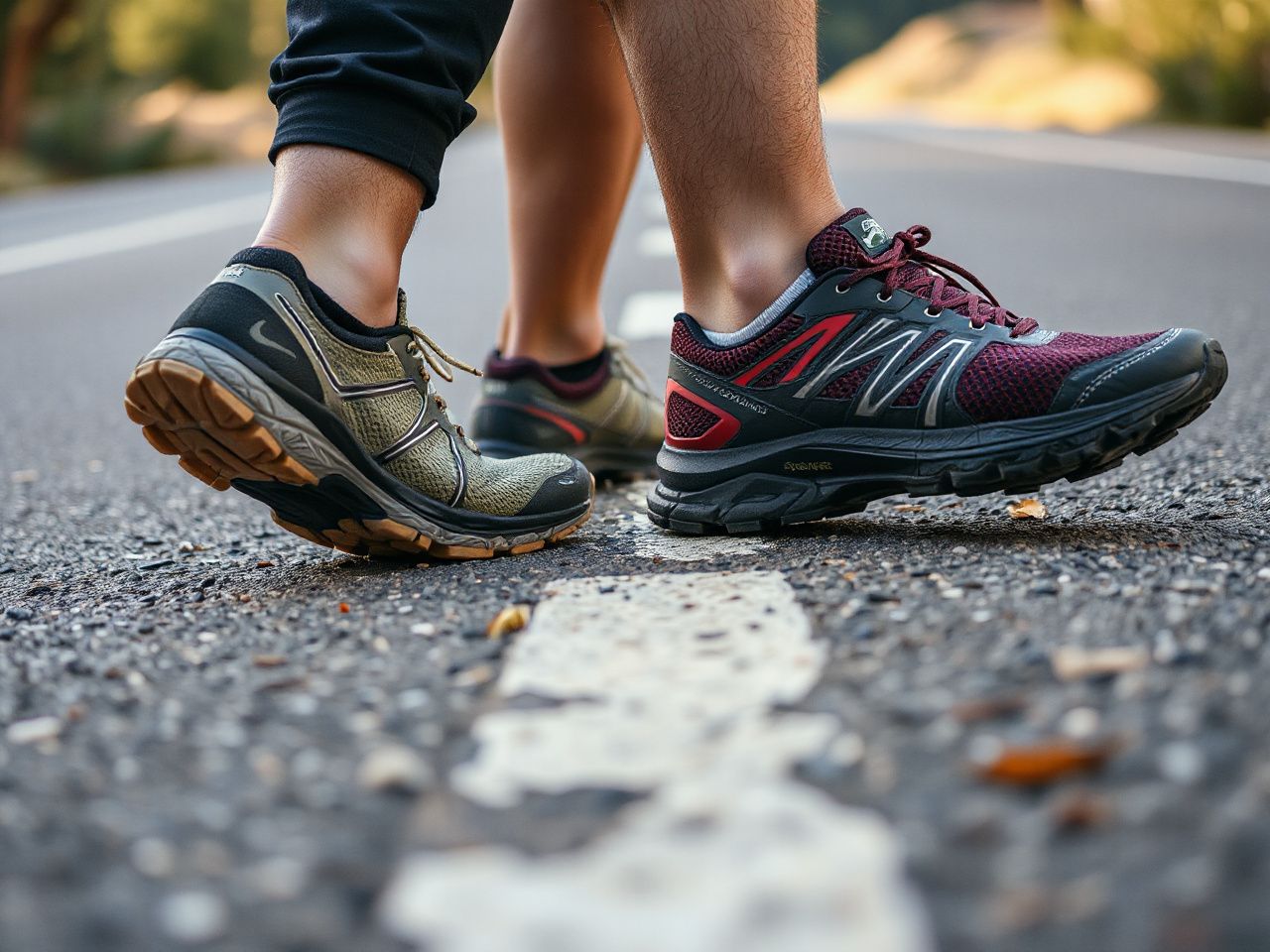
Every spring I see the same thing: a wave of runners pulling on the same shoes they wore through muddy fall trails, now hitting dry sidewalks, wondering if they need a second pair. The question of whether you can use trail running shoes for road running comes up in every group run, forum, and gear shop. From my experience, the real question isn’t whether you can physically run in trail shoes on the road — you absolutely can — but whether the design trade-offs make sense for your goals. Trail shoes use sticky, soft rubber for off-road grip, which means they’ll wear out noticeably faster on asphalt. And the aggressive lugs can actually make the shoe feel unstable on hard, flat surfaces. So before you decide, think about how much road vs trail running you actually do.
Key Takeaways
- Trail shoes use softer rubber compounds and deeper lugs that wear down fast on asphalt and can feel unstable on smooth, hard pavement.
- They often have stiffer midsoles and rock plates, which reduce road impact absorption and may lead to foot fatigue or discomfort on long road runs.
- If you run mostly on roads with occasional light trails, look for a hybrid shoe with moderate lug depth (3–4 mm), firmer rubber, and adequate stack height for cushioning.
The Short Answer: Yes, But the Rubber Tells a Different Story
On paper, nothing physically stops you from lacing up a trail shoe and heading down the street. The upper fits, the laces tie, the midsole flexes. But as a field-durability tester, I’ve learned that the first mile never tells you anything useful. The real story is what happens after 300 or 400 miles of mixed surfaces, and that story is written in the outsole rubber.
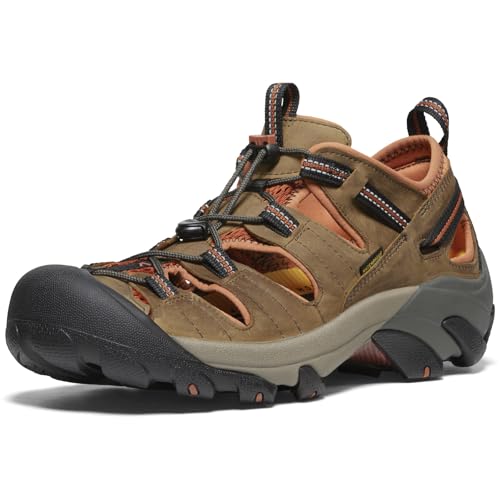
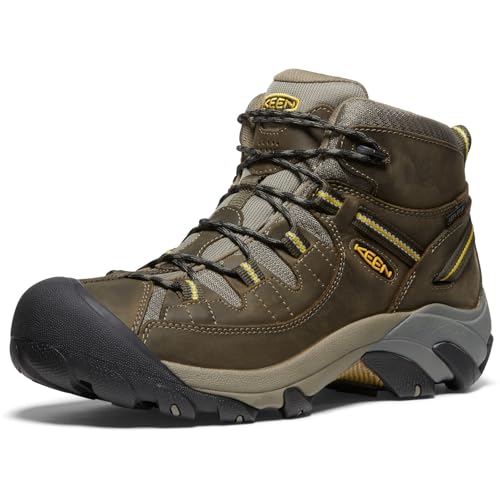
Trail outsoles almost always use softer, stickier rubber compounds — think Vibram MegaGrip or Salomon’s Contagrip TA — because soft rubber deforms into rock and root surfaces to create mechanical grip. On dry asphalt, that same soft rubber shears away under friction. The road acts like sandpaper, but because the rubber is designed to be grippy rather than abrasion-resistant, it wears down noticeably faster. A road shoe’s outsole uses harder carbon rubber in high-wear zones precisely to survive thousands of pavement strikes. Trail rubber, by contrast, prioritizes grip over longevity. According to the REI expert advice on trail running shoes, the softer compounds and deeper lugs that help on dirt and mud are exactly what cause premature wear on hard surfaces.
Beyond wear rate, the lug depth changes how the shoe feels underfoot. Trail shoes typically have lugs that are 4 to 6 millimeters deep, sometimes more. On a compressible surface like soil or pine needles, those lugs dig in. On concrete, they act like little independent pressure points. The shoe can feel wobbly or slightly tippy, especially during heel strike or toe-off. That instability is not just a comfort issue — it forces your foot and ankle to make micro-adjustments on every stride, which adds up over a 10-mile road run.
When Trail Shoes Earn Their Keep on Pavement
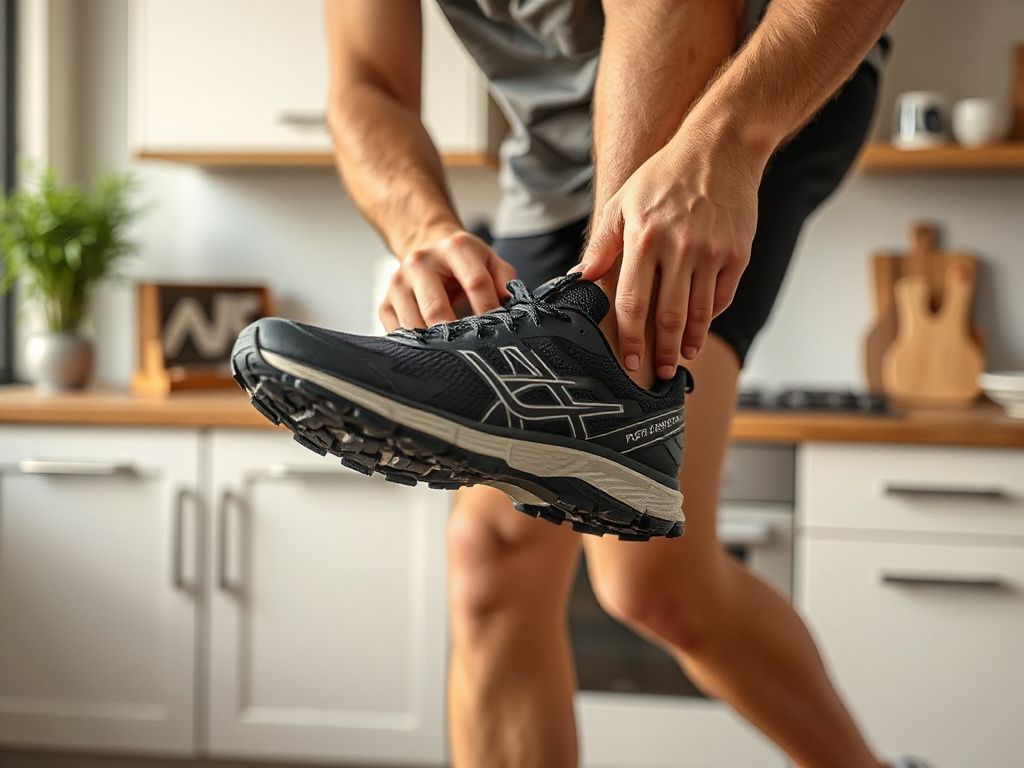
Despite the trade-offs, there are specific scenarios where a trail shoe on the road is genuinely the right call. I’m not talking about occasional use — I mean conditions where the design advantages outweigh the road-surface penalties.
Winter Slush, Ice, and Wet Leaves
When roads are covered in a thin layer of slush, packed snow, or wet leaves, a trail shoe’s deeper lugs provide better purchase than a smooth road outsole. Road shoes can hydroplane on wet, oily pavement, but a trail shoe’s tread channels water and bites through loose material. The softer rubber compound also stays more pliable in cold temperatures, which helps maintain grip on frozen surfaces. If you run through a lot of transitional seasons where the road surface is inconsistent, a trail shoe with moderate lugs and no rock plate can serve as a winter road shoe. Just accept that the outsole will wear faster than a dedicated winter road shoe would.
Mixed-Surface Routes and Door-to-Trail Runs
Plenty of urban runners link together pavement, gravel paths, dirt connectors, and grass parks in a single outing. If more than 30 to 40 percent of your miles are on non-paved surfaces, a trail shoe makes sense because a road shoe would slip dangerously on loose gravel or mud. The key is choosing a trail shoe with moderate lug depth (3–4 mm) and a firmer rubber compound. Deep 6 mm lugs are overkill for this use and make the pavement portions miserable. I’ve found that shoes marketed as “door-to-trail” or “hybrid” often hit this sweet spot, though the term is more marketing than engineering. What actually matters is the outsole geometry and rubber durometer, not the label.
Heavier Runners or Those Who Need Stability
Trail shoes often have wider platforms, more substantial heel counters, and stiffer midsoles to handle uneven terrain. For a heavier runner or someone with mild overpronation, that extra lateral stability can be welcome on roads, even if the ride feels firmer. The trade-off is reduced impact absorption, which brings us to the next major question.
Do Trail Shoes Hurt Your Feet on Hard Surfaces?
The honest answer is: they can, but not always. The two factors that determine road comfort are cushioning and midsole stiffness, and both are typically different in trail shoes compared to road shoes.
Cushioning and Stack Height
Road running generates higher peak impact forces because the surface doesn’t give. Road shoes are designed with thicker, softer midsole foams — usually EVA or TPU blends — to absorb that repeated impact. Trail shoes, by contrast, often have lower stack heights and firmer foams to provide ground feel and stability on uneven terrain. A shoe with a 24 mm heel stack and a firm EVA midsole will feel noticeably harsher on concrete than a road shoe with a 32 mm stack of soft TPU foam. That doesn’t mean trail shoes are dangerous, but it does mean your legs, knees, and lower back absorb more of the impact. The American College of Sports Medicine notes that running surface hardness affects loading rate, and shoes with less cushioning transmit more of that force to the body.
Rock Plates and Stiffness
Many trail shoes include a rock plate — a thin, rigid sheet (often TPU or carbon) embedded in the midsole to protect the foot from sharp rocks and roots. On trails, that’s a lifesaver. On roads, it makes the shoe stiff and dead-feeling. The rock plate prevents the midsole from flexing naturally under the foot, which reduces energy return and can contribute to early foot fatigue. Trail shoes without rock plates are much more road-friendly because they allow normal forefoot flexion. If you’re considering a trail shoe for mixed road use, check whether it has a rock plate. If it does, expect a firmer, less forgiving ride on pavement.
Heel-to-Toe Drop and Biomechanics
Trail shoes often have a lower heel-to-toe drop than road shoes — commonly 4 mm to 8 mm, versus 8 mm to 12 mm for many road models. A lower drop shifts more load to the calf and Achilles tendon. On trails, that’s fine because the surface variation naturally changes your stride. On roads, the repetitive, unchanging stride pattern with a low drop can strain the calf and Achilles, especially if you’re used to a higher-drop road shoe. That doesn’t mean trail shoes cause knee or ankle problems directly, but it does mean you should transition gradually if you switch between the two shoe types. Sudden changes in drop, stack height, or stiffness are the most common cause of running-related soreness I’ve observed in field testing.
Picking a Shoe That Survives Both Worlds
If you’ve decided that a trail shoe on the road makes sense for your running mix — or you just don’t want to own two pairs — the single most important factor is outsole rubber hardness. You want a compound that balances grip with abrasion resistance. Look for trail shoes that use Vibram’s XS Trek or Salomon’s Contagrip MA rather than the stickiest formulas like MegaGrip or Contagrip TA. The firmer the rubber, the longer it holds up on asphalt, though you sacrifice a bit of wet-rock grip.
Here’s what to look for in a trail shoe you’ll also run on roads with:
- Lug depth of 3 to 4 mm. Anything deeper feels unstable on pavement and wears unevenly. Anything shallower won’t grip trails.
- No rock plate. Rock plates make road running feel like running on plywood. Skip them unless you run on very rocky trails.
- Stack height of at least 28 mm in the heel. This gives enough foam to absorb road impact without feeling too tall on trails.
- Breathable upper without a waterproof membrane. Gore-Tex liners trap heat on warm road runs, and you don’t need waterproofing for dry sidewalks. Save Gore-Tex for winter slush runs.
- Moderate heel-to-toe drop (6–8 mm). This is a comfortable middle ground that works on both surfaces without over-stressing the calves or Achilles.
If this sounds like a lot of boxes to tick, that’s because it is. A true do-it-all shoe is rare, and most “hybrid” models err toward one side or the other. Our trail running shoes vs road running shoes comparison breaks down the design differences in more detail, and our best trail running shoe reviews for 2026 highlight models with moderate lug depths and road-friendly midsoles. For a shoe that looks decent enough for casual wear and can handle light trails plus pavement, check the stylish running shoes roundup for 2026 — several models there use road-style outsoles with a subtle tread pattern that works on packed dirt.
The 500-Mile Test: What Actually Happens After a Season
Let me walk you through what I’ve consistently observed after putting trail shoes through prolonged mixed-surface use — not a one-week test, but 500-plus miles of gravel, rain, heat, and pavement. These are patterns, not product-specific claims, because the same physics applies to nearly every trail shoe out there.
Outsole Wear Pattern
After about 150 road miles, the sharp edges of the lugs start to round off. By 250 miles, the center of the forefoot and heel show noticeable flattening. By 400 miles, many trail shoes have bald spots in the high-wear zones, while the rest of the outsole still looks fine. This uneven wear changes the shoe’s geometry — the effective heel-to-toe drop shifts because the heel wears faster than the forefoot. That’s why trail shoes used heavily on roads often feel like they’ve “collapsed” even when the midsole foam is still lively. The outsole is structurally compromised. You can’t fix that with new insoles.
Midsole Breakdown
Trail shoe midsoles, especially those made from EVA foam, compress under repeated road impact. Road shoes are built for that; trail shoes are built for variable loading. After 300 to 400 miles of mostly pavement, the EVA in many trail shoes loses its rebound and begins to bottom out. The shoe feels dead, and you start to feel every pebble through the forefoot. This is not a fault of the shoe — it’s simply the wrong tool for the job. TPU-based foams (like those in some higher-end trail shoes) hold up longer, but they still aren’t as impact-absorbing as a dedicated road midsole.
Upper Durability and Washing
One thing trail shoes often do better than road shoes is upper durability. The uppers are built to withstand abrasion from branches, rocks, and mud, so they typically hold up well on roads. Mesh overlays and reinforced toe caps don’t care about asphalt. After washing — and I wash all my test shoes after muddy outings — the uppers on trail shoes usually look better than road shoes at the same mileage, because they’re designed for worse conditions. Just don’t put them in a dryer. Heat breaks down the adhesives and warps the midsole foam. Air dry in a shaded spot, and stuff the toe with newspaper to hold shape.
Rotation Is the Real Answer
Based on the design specifications of modern footwear, the recommendation is this: don’t use one pair for everything. If you run more than 15 miles a week, have one road shoe and one trail shoe. Use the trail shoe only on trails and the occasional short mixed-surface run. Use the road shoe for everything else. A two-shoe rotation extends the life of both pairs dramatically — a trail shoe’s outsole is designed to last nearly twice as long when it’s not used on pavement every other day. The cost of a second pair is offset by not having to replace the first pair as often.
That said, if you absolutely must have one pair for both surfaces, pick a hybrid with moderate lugs, no rock plate, and a stack height of at least 28 mm. Accept that it will wear out faster than a dedicated road shoe but slower than a full-lug trail shoe. And rotate it with an old pair anyway — even one rest day between runs lets the foam rebound and the rubber cool.
Frequently Asked Questions
Will trail running shoes wear out faster on pavement?
Yes. Trail outsoles use softer rubber compounds for off-road grip, which shear away quickly on abrasive asphalt. Expect trail shoe outsoles to show significant wear after 200 to 300 road miles, compared to 400 to 500 miles or more for a road shoe’s harder carbon rubber outsole.
Are trail shoes comfortable for road running?
They can be, but only if the shoe has no rock plate, a stack height of at least 28 mm, and moderate lugs. Otherwise the ride feels firm, stiff, and slightly unstable. For runs longer than 10 km on pavement, most runners will notice more foot fatigue in trail shoes than in a proper road shoe.
Do the lugs on trail shoes make my feet hurt on hard surfaces?
The lugs themselves don’t directly cause pain, but they create uneven pressure points under the foot, which can lead to hot spots or blistering on long road runs. Deep lugs also make the shoe feel wobbly, forcing your foot to work harder and potentially causing arch or ankle fatigue.
Can I use the same shoes for both trail and road running?
You can, but the shoe will compromise on both surfaces. A hybrid shoe with 3–4 mm lugs, no rock plate, and moderate cushioning works for light trails and pavement, but it will wear faster than a dedicated road shoe and won’t grip technical trails as well as a full trail shoe.
Are trail shoes heavier than road shoes?
Generally yes. Trail shoes often weigh 20 to 60 grams more per shoe than comparable road shoes because of extra upper reinforcements, deeper lugs, and sometimes rock plates. That weight adds up over long road runs, increasing leg fatigue and slowing your pace slightly.