Best Cruise Ship Packages Singapore: Complete Guide
Contents
You’ve booked a cruise package out of Singapore because the brochure promised seamless luxury. Then you show up at the wrong cruise terminal 45 minutes after the gangway closed because the transfer you assumed was included wasn’t. The ship leaves. No refund. It is the same class of failure that leaves a motorcyclist coasting into a Patagonian border post on fumes because the last fuel station was 30 km farther on than the map showed: not bad luck, but one detail nobody checked. The moments that make the best travel stories are almost always the ones where something went wrong, which is exactly why the boring preparation earns its keep. Preparation doesn’t prevent adventure — it just gives you better options when it shows up. Cruise packages from Singapore follow the same law: the more you dig into the gritty details, the less likely you are to get left behind.
Key Takeaways
- Singapore has two distinct cruise terminals—Marina Bay and HarbourFront—and boarding one from the wrong side of the island can cost you the trip.
- Several major lines like Royal Caribbean International, Genting Dream, MSC Cruises, and Costa Cruises sail from Singapore, but package inclusions vary wildly between a basic cabin rate and a fly-cruise bundle with hotels.
- The 96-hour visa-free transit facility can be a lifesaver for certain nationalities, but only if your cruise ticket and passport meet the exact criteria.
- Book 6 to 9 months ahead for peak sailings like Chinese New Year or December holidays, because cabins on routes to Thailand and Malaysia fill up before most people even start looking.
Understanding Singapore’s Cruise Terminals and Operators
Two Ports, Two Very Different Logistics
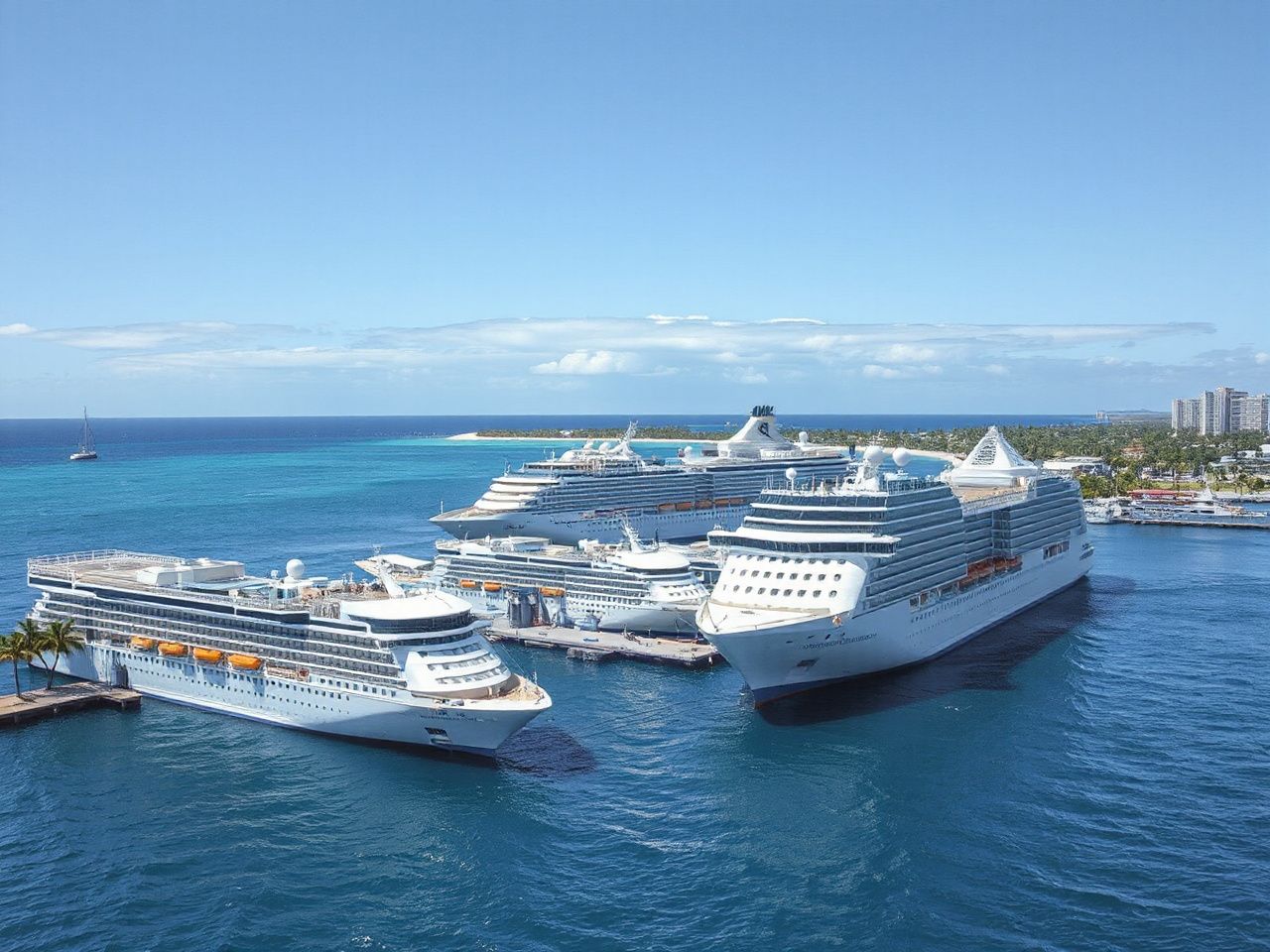
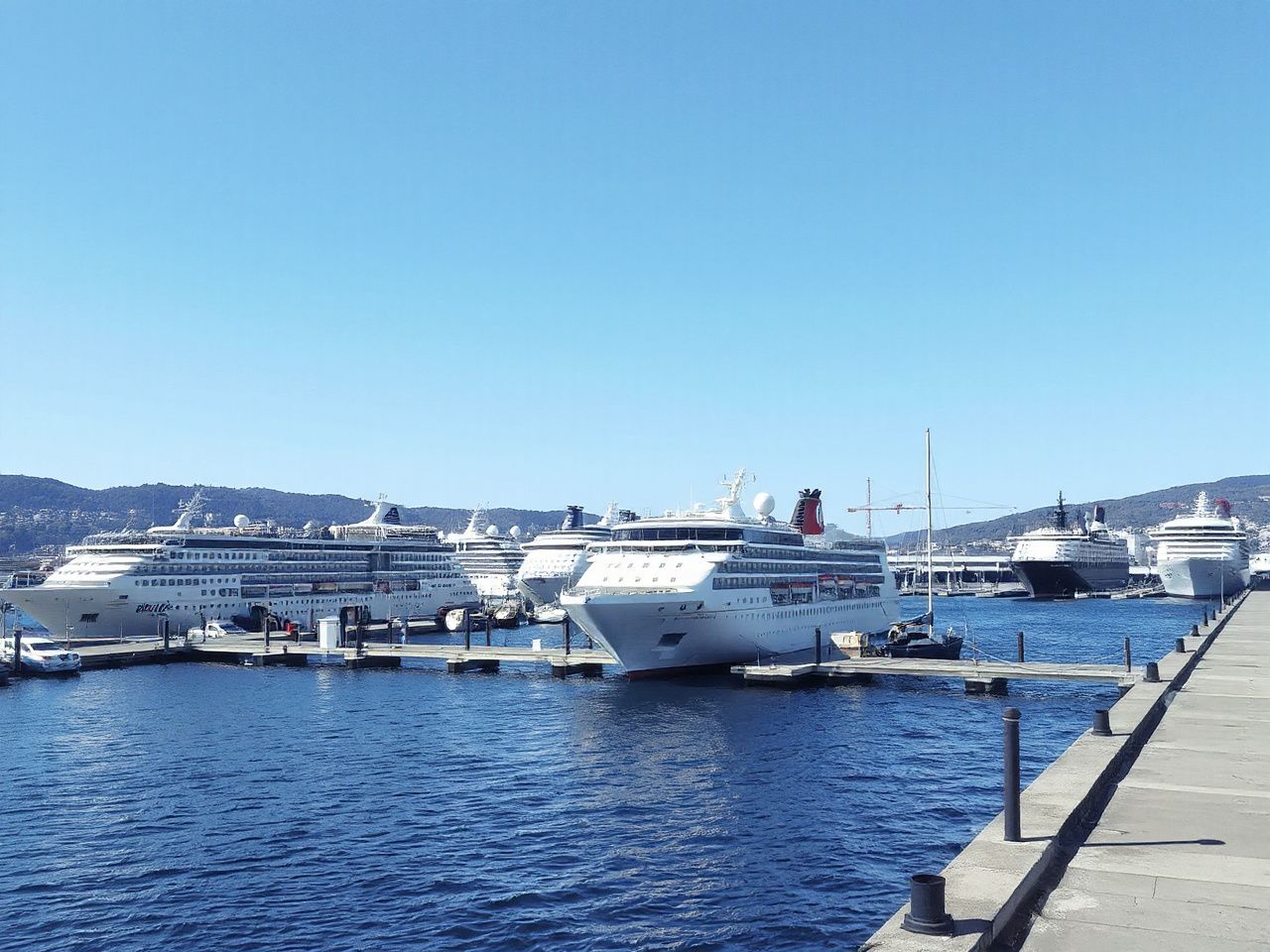
Singapore runs two cruise terminals and confusing them is the single fastest way to miss your ship. The Marina Bay Cruise Centre Singapore near the city center handles the big international vessels—Royal Caribbean’s Spectrum of the Seas regularly docks there. The older Singapore Cruise Centre at HarbourFront, west of the city, sees smaller regional ships and ferries. A taxi ride between them can take 25 minutes on a clear day; during evening rush hour, budget 45. Your booking confirmation might name the terminal in tiny print, or it might not. Call the cruise line’s Singapore office directly two days before departure and ask for the terminal berth number. Relying on a third-party booking site’s automated message has stranded plenty of otherwise punctual travellers.
Different lines favour different terminals, but schedules shift. Genting Dream, operated by Resorts World Cruises, almost always uses Marina Bay. Costa Cruises and MSC ships sometimes call at HarbourFront. The Singapore Tourism Board maintains a cruise calendar that shows scheduled arrivals, but it doesn’t guarantee your boarding gate. Treat that gap like an unmarked fork on a gravel trail—scout it yourself.
The Major Lines and Their Package Styles
Royal Caribbean International runs the most visible fleet from Singapore, with Spectrum of the Seas doing 3- to 5-night runs to Penang, Phuket, and occasionally longer spins to Vietnam. Its packages lean heavily on onboard credit promotions and buy-one-get-one drink deals, but shore excursions are almost always a separate line item. Genting Dream offers round-trip cruises to nowhere and short-hop sailings that resemble a floating resort more than a destination expedition—packages here often bundle in port charges but skip alcohol. MSC Cruises and Costa Cruises target fly-cruise guests from Europe, so their packages from Singapore might include airfare from Rome or Frankfurt in the headline price while leaving out hotel nights and transfers. Pay attention to what the fare actually covers. A €699 “all-in” price from Costa might be cabin and port fees only—airfare is extra and the marketing copy buries that fact on page six.
What’s Actually Inside a Singapore Cruise Package
Base Fares vs. All-Inclusive Bundles
A standard Singapore cruise ship package typically includes your cabin, main dining room meals, basic entertainment like stage shows and pool access, and port charges. Everything else is an add-on. The all-inclusive alternative—where drinks, specialty dining, Wi-Fi, and a shore excursion credit get rolled into one fare—tends to surface from Royal Caribbean’s promotions or through agents packaging multiple components. But read the definition of “all-inclusive” carefully. Some packages cover unlimited soft drinks and house-brand spirits yet exclude espresso drinks and bottled water. The daily service charge—usually between SGD 20 and SGD 25 per person—is also rarely part of the sticker price. Those small print gaps accumulate fast, like finding washouts on a trail you thought was graded.
If you fly into Singapore for the cruise, many packages let you add a Singapore Airlines flight and a hotel night at a bundled rate. These hybrid fly-cruise packages often include transfers between Changi Airport and the cruise terminal, but not always. Verify that the transfer voucher mentions your terminal by name. A generic “cruise transfer” might drop you at HarbourFront when your ship is at Marina Bay.
Meals, Drinks, and the Nickel-and-Dime Reality
Main dining and buffet venues come with the fare. Specialty restaurants—teppanyaki, steakhouse, chef’s table—carry surcharges of SGD 40 to SGD 120 per head. Drink packages vary wildly. Royal Caribbean’s Deluxe Beverage Package, when bought ahead, costs around SGD 88 per day and includes cocktails, wine by the glass, and premium coffee. Buy it on board and the price jumps 20%. Many experienced cruisers in Singapore buy the drink package during a pre-cruise sale, often 30% off. If you’re a light drinker, skip it entirely and pay as you go—two cocktails a day won’t break even.
The Unmarked Trails: Visas, Transfers, and Hidden Costs
The 96-Hour Visa-Free Transit and Why It Matters
Singapore extends a 96-hour visa-free transit facility to passport holders of certain countries—including India, China, and several CIS nations—provided they hold a valid onward ticket and a visa for the next destination. This is a crucial detail when you’re tacking a cruise onto a larger Southeast Asia land tour. For example, if you fly from Delhi to Singapore, board a cruise to Malaysia the next day, and hold a Malaysian e-visa, you may not need a Singapore visa at all. But the cruise ticket must explicitly confirm your departure date within the 96-hour window. A copy of the itinerary won’t suffice; the official booking confirmation from the cruise line must show your name, cabin number, and sailing date. Immigration officers are known to reject a hand-scribbled travel agent itinerary. If you’re a U.S., U.K., Australian, or EU passport holder, you get 90 days visa-free anyway, but the 96-hour rule opens doors for nationalities that would otherwise need to apply weeks in advance.
Transfers and the Non-Obvious Gap
Many cruise packages sold in Singapore or through online platforms from the U.S. and Europe advertise “starting from” prices that exclude the ride between Changi Airport and the terminal. A taxi will cost about SGD 20 to SGD 35 depending on terminal and time of day. Ride-hailing apps work, but surge pricing during cruise embarkation hours can push that to SGD 50. The cruise line’s own transfer, if bookable, typically costs SGD 30 per person and includes baggage handling directly to your cabin. For solo travellers, that’s a wash. For families, the private transfer can be pricier than two taxis. Consider not just cost but also time. The cruise line’s bus won’t leave until it’s full, while a taxi leaves on your schedule.
Shore Excursions and the DIY Approach
Organised shore excursions sold on board—snorkelling at Koh Samui, temple tours in Penang—run SGD 60 to SGD 200 per person. These are convenient, but you’re paying for the guarantee that the ship waits if your tour runs late. If you wander off on your own and a traffic accident delays your return, the ship sails without you. Treat this like scouting an unknown dirt section: only ride it solo with detailed GPS tracks and known bail-out points. In port, that means knowing the local taxi union’s reliability, the distance to the pier, and having a charged phone with data. In Penang, hiring a Grab car for the day costs a fraction of the ship’s tour and the roads are predictable. In Phuket, where tendering adds a layer of complexity, the ship’s excursion can be worth the premium simply because missing the last tender means an expensive speedboat chase or a flight to the next port.
If you’re intrigued by how these short-hop experiences compare to smaller, expedition-style sailings in Europe, our small ship Mediterranean cruise reviews offer a different lens on what cruise travel can feel like when the ship itself is the destination.
Timing Your Embarkation Like a River Crossing
Weather Windows and Price Troughs
The best cruise packages from Singapore—both in value and sailing conditions—cluster around the inter-monsoon periods: February to April and October to early November. The Strait of Malacca gets choppy during the Northeast Monsoon (December–January), which can turn a 3-night Penang cruise into a nauseating slog. The Southwest Monsoon (June–September) brings squalls that occasionally disrupt tendering at island stops. Peak pricing hits during Chinese New Year (late January or February), the June school holidays, and the entire month of December. During those windows, a balcony cabin on Spectrum of the Seas might cost 40% more than the same cabin in March. If you can travel in mid-February after the Lantern Festival, you’ll find steep drops.
How Far Ahead to Book
The 6-to-9-month sweet spot isn’t just for price—it’s for cabin selection. Forward-facing suites and corner aft balconies on the popular 5-night Royal Caribbean itineraries vanish first, often 10 months out. If you’re eyeing a Singapore cruise during Chinese New Year 2027, start looking by June 2026. Late bookers chasing last-minute deals do find prices 20–30% below launch rates, but they typically get inside cabins and fixed late dining. For a quick weekend trip, the gamble can work. For a holiday sailing, the risk of getting shut out entirely—or stuck in a cabin above the nightclub—isn’t worth it. Those who prefer their sea days very brief might eye a Caribbean hop instead; the 2 day cruise to Bahamas market runs on an entirely different rhythm but illustrates how sailing duration shapes the entire booking dynamic.
Boarding Deadlines and the Point of No Return
Boarding for Singapore cruises typically starts 2 to 4 hours before the posted departure time. The hard cutoff at the gangway is 90 minutes before sailing, and marina staff regularly close the security gate at that mark while families wave their tickets. The ship will not wait for late flights, late taxis, or late tour buses that aren’t official cruise transfers. Airlines landing at 1 p.m. for a 4 p.m. sailing are a recipe for failure. If you’re flying in on embarkation day, your plane should touch down no later than 10:30 a.m. for a 4 p.m. departure—and that assumes no delays. Singapore Airlines and several partner carriers offer fly-cruise guarantees that rebook you at their cost if a delay makes you miss the ship, but these require buying the air and cruise segments together. Snapping them up separately voids the guarantee.
Land Extensions, Fly-Cruise Combos, and the Wider Map
Many Singapore cruise packages bundle hotel nights pre- or post-cruise through the line’s own programme or a third-party operator. Royal Caribbean’s Cruise Tour packages, for example, can add two nights at a Marina Bay hotel with airport transfers and a city tour. These combos are convenient but rarely the cheapest option. Booking the same hotel independently and using Grab for transfers often shaves 15–25% off the line’s package price. The advantage of the cruise line’s bundle is the “protected” transfer—meaning if your hotel checkout runs late, the line’s transport will wait or rebook you. With independent bookings, you’re on your own if the rainstorm floods the street and you miss the boarding window.
Combining a Singapore cruise with land tours in Southeast Asia is where the routing gets properly complex. You can fly into Bangkok, overland to Singapore via rail, board a 3-night cruise to Penang and back, then fly home. That sort of itinerary rarely appears as a single package because it involves three different bookings. The 96-hour visa-free window becomes the linchpin here. If your rail journey deposits you in Singapore on a Tuesday and the cruise leaves Wednesday, you’re safe. If you linger three days before the cruise, many nationalities will need a proper Singapore visa. Plan the sequence with the transit rule in mind—mistiming this is like realising your fuel stops are 10 km further apart than the tank range. The math either works or it doesn’t. For those considering a longer fly-cruise chain that starts in Europe and then anchors in Southeast Asia, our review of the best European vacation packages for 2026 outlines a few routing tricks that apply equally well when you’re stitching continents together on a single booking.
Frequently Asked Questions
What cruise lines operate from Singapore and what package options exist?
Royal Caribbean International, Resorts World Cruises (Genting Dream), MSC Cruises, and Costa Cruises all run itineraries out of Singapore year-round. Packages range from basic cabin-only fares to all-inclusive bundles with drinks, Wi-Fi, and shore excursions. Several airlines, including Singapore Airlines, offer fly-cruise deals that wrap airfare, hotel, and transfers into one price. The key difference lies in how much you value having every piece locked in—the more components in a single package, the easier the resolution if something breaks.
How do the two cruise terminals in Singapore differ?
Marina Bay Cruise Centre is the newer, larger terminal handling mega-ships like Spectrum of the Seas. It is located near the city centre with easy taxi access. Singapore Cruise Centre at HarbourFront is older, west of the city, and used mainly by smaller regional vessels. Boarding from the wrong terminal can mean a 30-minute, SGD 25 taxi dash during peak traffic—always confirm your terminal directly with the cruise line a day before sailing.
What is typically included in a cruise package from Singapore?
A standard package covers your cabin, meals in the main dining rooms and buffet, basic onboard entertainment, and port charges. Airfare, hotel nights, drink packages, specialty dining, and shore excursions are almost never part of the base fare unless you specifically book a fly-cruise or all-inclusive bundle. The daily gratuity charge—around SGD 20–25 per person—is often excluded from the advertised price as well.
What hidden costs should I watch for when booking cruise packages from Singapore?
Drink packages, Wi-Fi, specialty dining, and shore excursions are the obvious ones. Less obvious: port taxes that weren’t in the initial quote, visa processing fees if you’re relying on a travel agent who miscalculated the 96-hour transit rule, and the cost of last-minute transfers when the promised shuttle isn’t actually included. Always ask for a line-by-line breakdown of the final invoice before paying—if it’s not on that paper, it’s not covered.