Why Riders Keep Choosing a Green Rain Jacket
Contents
Picture an afternoon in the Colombian highlands where the sky turns from slate to a bruise and the road ahead dissolves into a curtain of water. The moments that make the best stories are almost always the ones where something went wrong. Preparation doesn’t prevent adventure — it just gives you better options when it shows up. On a day like that a jacket — a deep, earthy green — becomes more than weather protection. It becomes a quiet companion, the thing that lets a rider slip through coffee fincas and misty paramo without startling the farmers or the wildlife. In a world of neon and reflective strips, choosing a rain jacket in muted tones is a cultural act, a nod to the landscapes you ride through and the people who live in them. This guide explores why the humble green rain jacket holds a special place in the heart of a responsible motorcyclist — and how you can use it to leave every route better than you found it.
Key Takeaways
- A rain jacket in earthy green reduces visual intrusion in natural environments and fosters cultural respect among rural communities.
- Modern waterproof-breathable fabrics in subdued colors can still incorporate reflective details for safety without sacrificing aesthetic humility.
- Sustainable care and mindful disposal of synthetic rain gear directly contributes to preserving the landscapes you love to ride.
The Color That Blends In
Motorcycling, at its finest, is about immersion. You don’t just see a landscape — you ride through it, feel its temperature changes, smell its wet earth. A bright orange or screaming yellow shell screams look at me. That might be fine on a busy freeway, but on a gravel track winding through a Nepalese valley or along a Scottish coastal single-track, it becomes a loud intrusion.
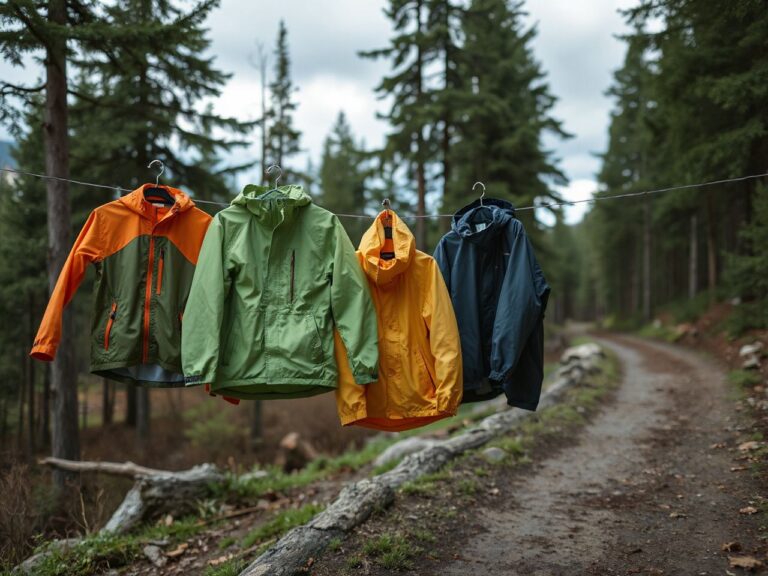
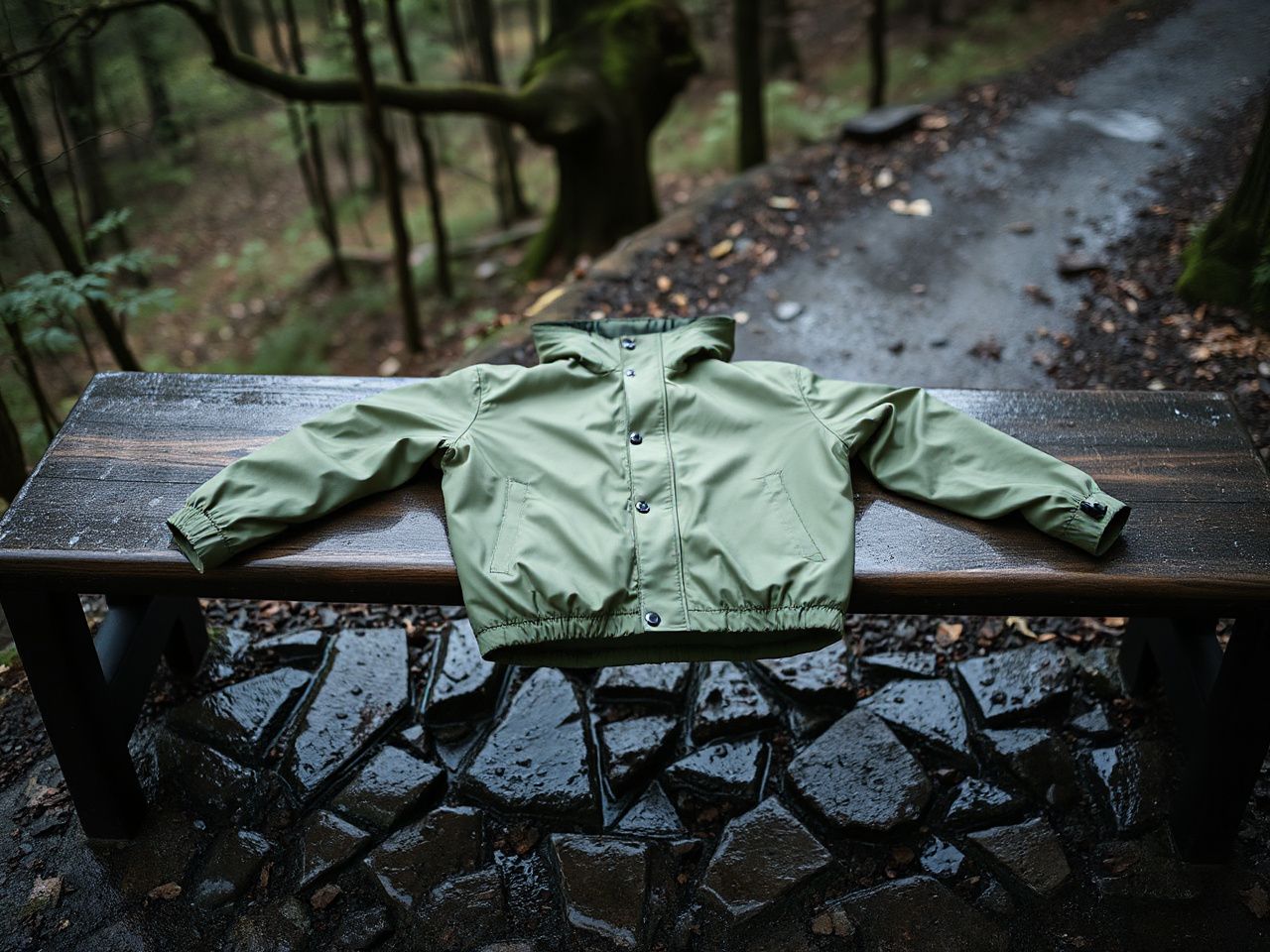
Green rain jackets, especially those in olive, moss, or muted forest tones, let you become part of the scenery. Ride through the rice terraces of northern Vietnam in one and the local farmers barely glance up. Olive and moss sit in the same corner of the spectrum as wet bamboo and banana leaves, so there is nothing for the eye to snag on. That non-intrusiveness matters. It shows respect for the place and the people who call it home.
There’s also a practical side: wildlife spotting. Muted colors let riders pass closer to wildlife such as elk, which can bolt at a flash of hi-vis. The green shell simply didn’t register as a threat. For riders who treat the journey as a form of slow, respectful observation, earth tones are an unsung tool.
Rain Jacket Science for the Long-Haul Rider
Standing water eventually finds any hole, but riding at 100 km/h in a downpour is a different kind of test. Hydrostatic head ratings — measured in millimeters — tell you how much water pressure a fabric can withstand before leaking. For motorcycle use, anything below 10,000 mm is a gamble. Most reputable shells, as of 2026, start at 15,000 mm and climb to 30,000 mm for expedition-grade jackets.
The real battle, though, is internal moisture. Your body throws off heat and sweat, even in a cold rain. A 2-layer construction with a hanging mesh liner is common, but prone to internal condensation if you’re wearing a backpack and pressing the breathable membrane against your skin. 3-layer fabrics bond the outer face, membrane, and inner scrim into one unit, reducing friction points and improving breathability. On multi-week rides, that difference means you arrive at camp with a dry base layer, not a clammy chill.
One material that has quietly evolved is recycled polyester face fabric. Companies now weave tough, ripstop shells from post-consumer bottles, then laminate them with PU or ePTFE membranes. The environmental footprint drops noticeably, and the fabric takes dye in rich, lasting greens that don’t fade after a season of UV exposure.
Venting Where It Counts
Pit zips are the most obvious ventilation, but for a motorcyclist, two-way front zippers are gold. Unzip from the bottom to let cool air hit your chest while the jacket stays attached at the neck, keeping rain from pooling behind your helmet. Look for zippers with sealed storm flaps — a single flap with a magnetic closure outperforms a simple snap every time.
Adjustable cuffs with wide gussets are another small detail that saves a ride. You need to pull the sleeves over your gauntlet gloves without bunching, and they must close tightly enough that water doesn’t creep up your forearm at highway speed. Adjustable cuffs help keep water from entering around the wrist during rides.
Leaving the Trails Better Than You Found Them
A green rain jacket carries symbolism — you’re wearing the color of the very forests and ferns you hope to protect. That should extend to how you buy, maintain, and eventually retire it.
Microfiber pollution is the unspoken shadow of synthetic outdoor gear. Every time you wash a polyester or nylon shell, tiny plastic fibers wash down the drain. They pass through water treatment plants and end up in rivers, eventually in the ocean. In 2026, aftermarket washing bags like the Guppyfriend capture a large portion of these fibers. Wash the jacket in one every time; the collected lint — a fuzzy, gray-green clump — is a sobering reminder of what would otherwise flow downstream.
Dyeing processes matter too. Conventional textile dyeing uses staggering amounts of water and toxic mordants, especially for deep, long-lasting greens. Solution-dyeing — where pigment is added to the polymer before the fiber is extruded — uses 90% less water and nearly eliminates chemical runoff. When you’re picking a jacket, looking for a solution-dyed shell is a simple way to drop your riding footprint. If you’re navigating rainy mornings at a campsite, having reliable coverage for morning chores keeps you functional — our 6 best work rain gear picks for 2026 highlight options built for just that kind of abuse.
Repair, Don’t Replace
A scuff from a gravel slide or a tear from a snagging branch doesn’t mean the jacket is done. Tenacious Tape or iron-on seam sealing patches restore waterproofing in minutes. A repaired jacket tells a story, and it keeps polyester out of a landfill for another season.
When the jacket finally reaches end of life, instead of tossing it in the trash, find a textile recycling program that accepts technical fabrics. Patagonia’s Worn Wear and The North Face’s Renewed programs are well-known, but many local outdoor retailers in 2026 accept shells for fiber reclamation. The zip-off hood and cord-locks can be repurposed, and the membrane can be ground down into industrial insulation. Nothing from a rain jacket needs to end up in a ditch along a scenic byway.
The Cultural Code of Riding Green
Every region has its own riding culture, and color plays a subtle role. In the Scottish Highlands, the local riders favor waxed cotton and muted greens — not just for tradition, but because the low clouds and heather-clad hills make anything brighter feel brash. Even tourists tend to adopt the local palette. It’s a quiet solidarity.
Across Southeast Asia, earth tones help you move through communities without broadcasting wealth or otherness. A traveler who blends in is often a traveler who is welcomed, as riders in northern Thailand know. A rain jacket in olive or khaki doesn’t scream “foreigner with expensive gear.” It says you’re paying attention. The same principle applies to the rural routes of Patagonia, the Moroccan Atlas, or the Appalachian backroads. You’re not hiding — you’re harmonizing.
When Visibility Matters
None of this is an argument for purism. There are stretches — foggy highways at night, blizzards crossing a pass — when high-visibility is non-negotiable. The smart approach layers reflective elements that can be stowed. Some green jackets now come with hidden reflective print that only lights up when hit by headlights. Others have a removable hi-vis vest that you can pull from a pocket and snap over the shell. A simple reflective belt over a dark green shell covers both cases on a crossing like the Nullarbor in Australia. In daylight it reads as nothing at all; at night, the moment headlights hit it, it lights up like a runway.
If you’re considering see-through shell alternatives for specific use cases, we’ve covered the pros and cons in our transparent rain jacket guide. Clear jackets let you show off your riding gear underneath, but they often lack the warmth of a colored face fabric and can feel clammy in humid conditions.
The Humble Ritual of Care
Waterproof-breathable jackets need maintenance, not just washing. Sweat, skin oils, and road grime clog the membrane. As of 2026, the standard advice still holds: machine wash on a gentle cycle with a technical cleaner like Granger’s Performance Wash or Nikwax Tech Wash. Never use standard detergent — it leaves behind surfactants that kill waterproofing. After washing, the crucial step is heat reactivation. Tumble dry on low for 20 minutes, or if you’re in a campsite, use a hairdryer on the lowest setting. The warmth re-triggers the DWR treatment, causing water to bead up again.
If you’ve ventured into the bodbrella-style rain gear, the care routine remains similar. For specific performance notes and rider experiences, Bodbrella rain jacket product info and reviews offers a deeper dive into how that design handles long wet miles.
Packing Smarter, Not Heavier
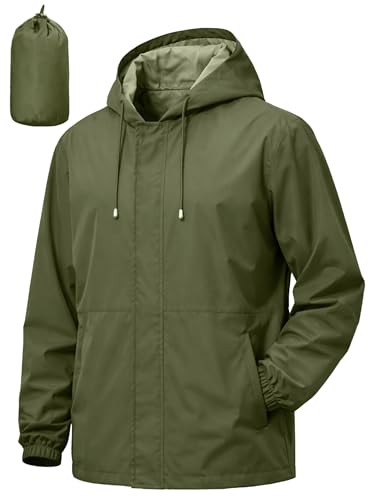
Space on a motorcycle is precious. A rain jacket that doesn’t compress into its own pocket becomes a burden. Look for jackets that pack into their own chest pocket or a dedicated stuff sack with a carabiner loop. Clip the compressed bundle to the outside of a tank bag for quick access — when the first fat drops hit, you can suit up fast without opening a luggage roll.
Layering is the other half of the equation. A shell alone isn’t enough at altitude. A thin merino base layer worn year-round, combined with a microgrid fleece underneath the rain jacket when temperatures drop below 10°C, manages moisture next to skin while the shell blocks wind and water. The system eliminates the need for a bulky insulated jacket that takes up an entire pannier.
Frequently Asked Questions
Why would a motorcyclist choose a green rain jacket over hi-vis colors?
A muted green shell reduces visual clutter in natural environments, fosters cultural respect in rural areas, and improves wildlife encounters. For riders who spend more time on backroads than freeways, blending in often enhances safety by not startling animals or local communities. Reflective accents can still be added for low-light visibility.
Is a green rain jacket safe enough for riding at night?
It can be, if you supplement it with dedicated reflective gear. Many green jackets in 2026 feature hidden reflective prints that activate under headlights. A reflective vest or belt worn over the jacket provides additional safety without changing your daytime appearance. The key is layering visibility so you’re seen when it counts.
How can I care for my waterproof rain jacket without harming the environment?
Use fluoride-free technical cleaners when washing, and capture microfibers with a washing bag. Air dry when possible, but if using a dryer, the shortest low-heat cycle reactivates DWR. Repair tears rather than replace the jacket, and eventually recycle it through a program that handles waterproof-breathable fabrics.
Do green rain jackets work well in tropical riding conditions?
Yes, provided you choose a highly breathable 3-layer construction and prioritize pit zips for ventilation. The earth tone helps you move discreetly through villages and forested trails. Pair it with a lightweight merino base layer to manage sweat. In heavy tropical downpours, a quick-drying face fabric prevents the clammy buildup that sometimes plagues darker shells.