Waterproof Footwear That Actually Stays Dry on the Road
Contents
A sudden cloudburst in the mountains, far from the nearest town, can soak a ‘waterproof’ jacket through surprisingly fast. Water-resistant and genuinely waterproof membranes perform very differently in harsh conditions. Staying dry on two wheels begins with the feet. Because when boots turn into buckets, every shift, every brake tap becomes a distraction that steals attention from the road. For riders, hikers, and travelers moving through unpredictable terrain, waterproof footwear isn’t a luxury; it’s the foundation of safety and connection to the places we explore.
Key Takeaways
- Genuine waterproof performance depends on membrane construction—not just surface treatments—and most failures happen at seams, tongues, and around the ankle collar after prolonged exposure.
- Local climate knowledge and slow travel habits teach you to read the signs: when to apply preventive care, how to pack spare socks, and why the environment you ride through directly shapes your gear needs.
- Sustainability in waterproof footwear means choosing repairable designs, avoiding fluorochemical coatings when possible, and respecting the watersheds you cross—because every stream you ford connects to a community downstream.
Why Footwear Failures Happen Even with “Waterproof” Labels
Spend enough time in the saddle across the Blue Ridge or through the Pacific Northwest, and you’ll notice a pattern among soaked riders. The marketing promises didn’t match the material reality. Waterproof labels in the travel and outdoor world can be misleading because they often describe a garment’s or shoe’s ability to resist moisture under lab conditions—not on a motorcycle at highway speeds or while hiking a muddy trail for hours.
Water-Resistant vs. Waterproof: The Membrane Barrier
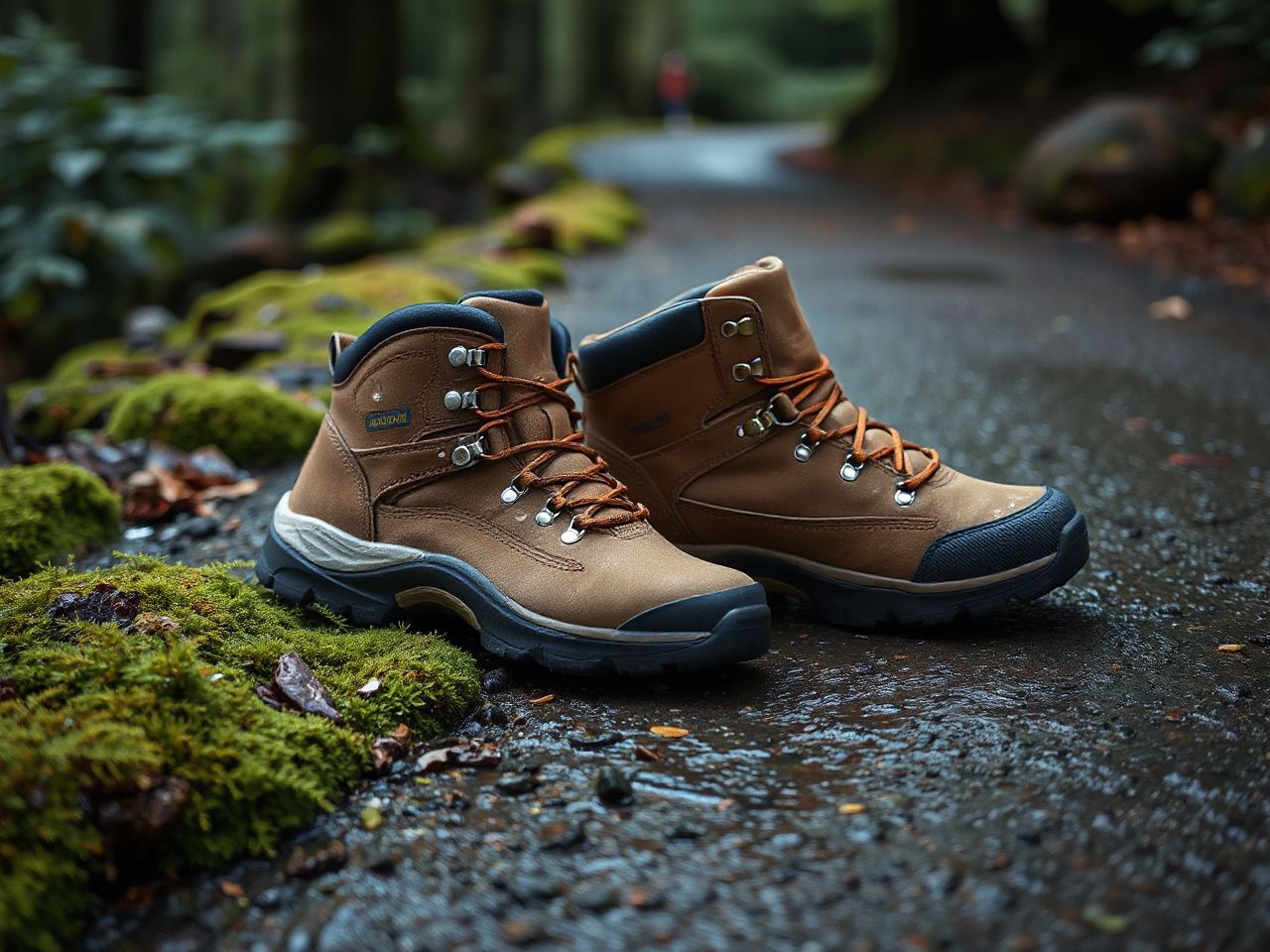
A truly waterproof shoe relies on a membrane—a thin layer with microscopic pores large enough to let water vapor (sweat) escape but small enough to block liquid water droplets. Common examples include expanded polytetrafluoroethylene (ePTFE) and hydrophilic non-porous films. The crucial distinction: a water-resistant shoe only has a durable water repellent (DWR) coating on the outer fabric that eventually wets out. Once the face fabric saturates, breathability disappears, and moisture can seep through any weak points. Riders who push through steady rain for more than an hour find out quickly which camp their footwear falls into.
Seams, Tongues, and the Forgotten Ankle Collar
Even the finest membrane can be undone by construction shortcuts. Every seam penetration—where a needle pierces the waterproof layer—requires taping or sealing. The tongue gusset is another common entry point: if it’s only attached up to the second lace eyelet, water will pour in when stepping into a deep puddle or riding through a heavy spray. Ankle collars that lack a gaiter-like seal allow rainwater to run down the leg and into the shoe. Inspect these details carefully on every pair considered for wet conditions.
How Local Riding Culture Shapes Your Footwear Choices
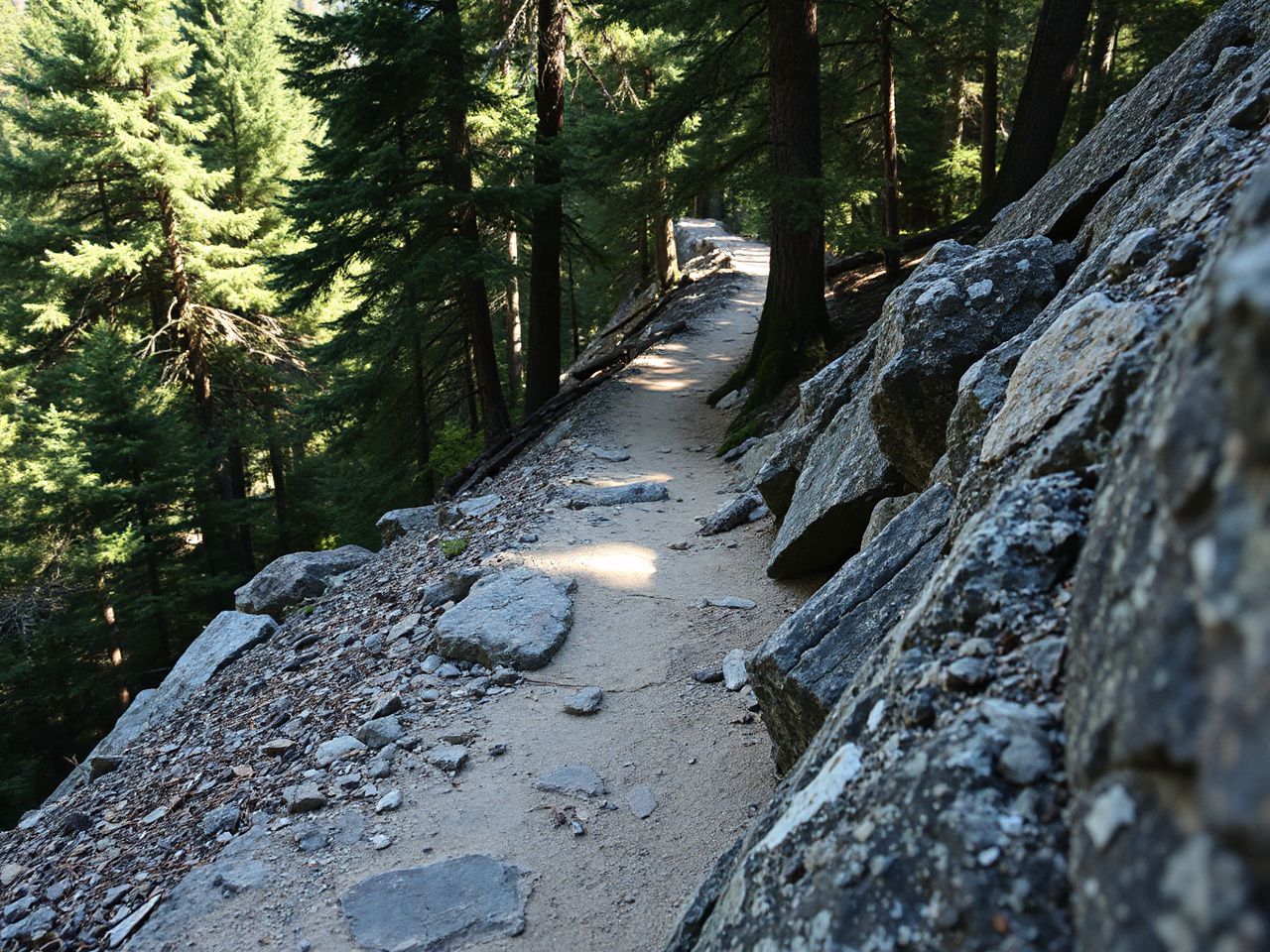
Moving through a landscape slowly—stopping at roadside farm stands, talking to people in small-town diners—teaches you something no gear review can convey: the weather personality of a place. In the Appalachian valleys, moisture rises from the ground before a storm breaks. On the Olympic Peninsula, the air itself can feel like a cold sponge for days. Riders and hikers who pay attention to these rhythms start packing differently.
Reading the Watershed Before You Pack
Every region’s water cycle affects your footwear strategy. If you’re crossing the Continental Divide, afternoon thunderstorms build predictably; packing lightweight waterproof shoes you can deploy quickly—rather than enduring heavy, full‑time boots—lets you cover ground comfortably. In the Ozarks in early autumn the creek crossings run low while the humidity stays high, and that combination flips the answer: breathable drainage shoes with quick‑dry socks beat fully sealed membranes, because a membrane can only vent as fast as the air outside is dry enough to take the moisture. Knowing when breathability matters more than absolute waterproofing is a judgment call that comes from reading the local climate rather than the product tag.
Conservation Lessons from the Trail and Township
Waterproof footwear intersects with environmental stewardship in ways most travelers overlook. The durable water repellent coatings on older shoes often contained long‑chain perfluorinated compounds (PFCs) that persist in watersheds. When you stand in a mountain stream to photograph your bike against the sunrise, those chemicals can leach into the water. Many manufacturers have shifted toward PFC‑free DWRs, but the burden also falls on us: choosing shoes that last longer and that can be re‑impregnated at home with wax‑based or silicone‑free aftermarket treatments reduces the toxic footprint we leave in the places we love. The Appalachian Trail Conservancy’s message is simple—pack it in, pack it out—and it’s worth adding: choose gear that doesn’t shed poison into the creeks before you’ve even started filtering water.

Constructing a Dry Foot System for Multi‑Climate Travel
A single “waterproof” shoe can’t solve every scenario. Just as you layer jackets, you need a footwear system that adapts. For long‑distance motorcycle tours crossing from arid high desert into coastal rain, consider three elements: a lightweight trail shoe with a reliable membrane, a set of waterproof over‑socks, and a compact tube of seam sealer. This combination covers creek crossings, sustained downpours, and unexpected gear failures.
Fabric, Membrane, and Treatment Synergy
A shoe’s outer fabric, the membrane beneath it, and the water repellent treatment all play together. Nylon mesh uppers drain fast but snag on brush; full‑grain leather, when treated with a wax‑based conditioner, can repel water for hours while remaining breathable. A Polyurethane (PU) membrane laminated directly to the inner lining offers high durability, while a liner‑style membrane (like a loose bootie) might shift and bunch, creating friction points. Riders who alternate between slick highways and muddy forest roads benefit from a mid‑top cut—a few extra inches of ankle coverage that blocks spray while still allowing freedom to walk. While we aren’t reviewing specific models here, understanding these material choices can help you evaluate any pair of shoes you encounter; if you’re comparing tested options, our waterproof running shoes guide breaks down how different membranes hold up in real-world use.
Managing Foot Moisture from the Inside Out
Even the best waterproof shoe can become a steam bath if your socks trap sweat. Merino wool socks wick moisture and continue insulating when wet—a critical safety net if you’re riding in temperatures that dip below 50°F. Synthetic hydrophobic liners, when paired with wool, create a two‑layer system that moves perspiration away from skin. An old rural saying puts it well: “If your feet are clammy by noon, you’ll be frozen solid by dusk.” It’s a good rule for choosing socks.
Preventive Care and Field Repairs: The Traveler’s Ritual
Preserving the life of waterproof footwear is a daily discipline—and it connects you to the machine and the landscape. Every evening of a multi‑day ride, wipe down your shoes, inspect the seam tape inside, and set them near (not on) a heat source to dry. This ritual roots you in the day’s journey, the same way a farmer checks fences before dark.
Seam Sealing Kits and Emergency Fixes
Carry a urethane‑based seam sealant in your kit. If sharp gravel slices a toe cap, clean the area with an alcohol wipe, apply sealant to inner and outer surfaces, and let it cure overnight in a warm room. The repair held for the remaining 1,200 miles to Deadhorse. For split seams, a curved upholstery needle and dental floss can stitch the membrane backing before sealing—a trick borrowed from bush pilots in Alaska.
The Art of Drying Without Damage
Direct heat degrades adhesives and warps synthetic midsoles. Stuff wet shoes with newspaper or a microfiber towel, change the stuffing every few hours, and position them in a breezy spot. If you’re at a campground with a fire ring, keep shoes at least three feet from the flame. For riders who frequently face wet conditions, a portable boot dryer that pushes ambient air (not heated) through the footwear can be invaluable—it uses less electricity than a hair dryer and protects the membrane’s integrity over dozens of trips.
Integrating Waterproof Shoes into a Leave‑No‑Trace Philosophy
Every waterproof shoe eventually reaches the end of its trail, and how you retire it matters. The foam midsoles, synthetic adhesives, and mixed materials make recycling difficult. Instead of tossing worn‑out pairs into a landfill, consider repurposing them as garden shoes, donating resolable boots to local cobblers who train apprentices, or exploring manufacturer take‑back programs. When you buy thoughtfully—opting for models with replaceable footbeds and stitched, rather than glued, soles—you extend the usable lifespan significantly. Well-made leather boots can be resoled several times across decades; each resoling is a quiet resistance to throwaway consumerism and a sign of respect for craftsmanship.
Aesthetics matter too, not for fashion but for cultural sensitivity. In many conservative and rural communities, showing up in bright, attention‑grabbing footwear can create distance between you and local people. A pair of quiet‑looking black shoes allows you to blend into a village market, ask questions, and learn about how that community manages its own water sources. Blending in also means less explanation about your gear, more listening. If comfort and understated style are priorities for your travel kit, explore our guide to black comfortable shoes to understand how versatility supports cultural immersion.
Reading Signs of Wear as a Safety Habit
The worn heel, the shiny spot on the outer leather where the shift lever rests, the slight separation of the rand—these are not just cosmetic flaws. They’re data. A heel worn unevenly changes your foot’s angle on the footpeg, affecting rear brake control. Separation at the sole’s edge signals that moisture can wick into the midsole, adding weight and fostering bacteria. Riders who develop a habit of inspecting their footwear each morning tend to catch problems that could become dangerous on a downhill switchback. This practice also feeds a larger awareness: noticing small changes in gear parallels noticing changes in the ecosystem you travel through—the river’s clarity, the new erosion on a trail, the first signs of a gathering storm.
Comparing Footwear Profiles for the Culture‑First Traveler
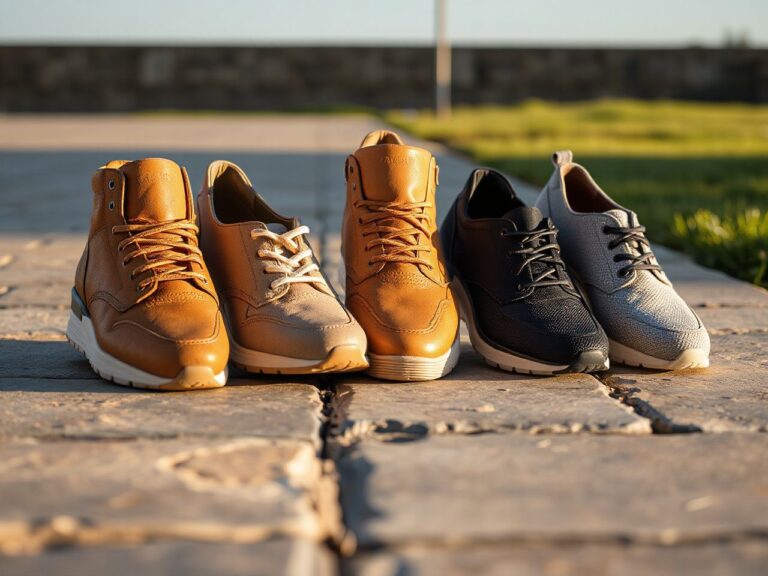
Understanding how different shoe cuts serve different landscapes helps you pack lighter and ride more connected. Full‑height boots offer maximum protection for off‑road stream crossings but restrict ankle mobility and can feel oppressive during a long day exploring a city on foot. Low‑top waterproof shoes—often called approach shoes or trail runners—excel on mixed surfaces but allow spray and debris up the ankle. The often overlooked mid‑top profile, which rises just above the ankle bone, strikes a versatile balance for travelers who split time between a motorcycle and walking. Its added coverage keeps out kicked‑up gravel and shallow water without sacrificing the walkability you need when parking the bike to explore a historical site. If you’re curious about how that cut performs in different conditions, our look at mid top running shoes details the advantages of that silhouette.
Frequently Asked Questions
What exactly does “WTPF” mean in the context of outdoor shoes?
While not a universal industry standard, “WTPF” often stands for Waterproof, Temperature‑Regulating, and Protective Footwear—describing a class of shoes that combine a waterproof membrane with insulation or moisture‑wicking liners and reinforced toe/heel structures. In travel gear circles, the acronym is used more conversationally to refer to any shoe that genuinely keeps feet dry under active use, rather than just in a laboratory spray test. Always check for sealed seams and a documented waterproof rating measured in millimeters of hydrostatic head to verify claims.
Can waterproof shoes be breathable enough for hot‑weather riding?
Yes, but only to a point. Membranes rely on a humidity gradient: sweat vapor escapes when the inside of the shoe is warmer and more humid than the outside. In high‑humidity tropical conditions, that gradient collapses, and even the most breathable membrane will feel clammy. For touring Southeast Asia or the Deep South in summer, prioritize shoes with large mesh panels protected by a waterproof liner—rather than full leather—and pair them with ultralight merino socks. Carrying a second pair of shoes for off‑bike hours also gives your primary footwear a chance to air out completely.
How can I maintain the waterproofing of my shoes without harming the environment?
Start by choosing a PFC‑free spray‑on or wash‑in DWR treatment. Many outdoor shops now stock wax‑based or plant‑derived alternatives that bond to fabric without persistent chemical runoff. Reapply only when water stops beading on the surface—not on a fixed schedule—to minimize product use. Hand‑washing shoes in cold water and line‑drying them preserves both the membrane and the water repellent treatment far better than machine cycles, and it keeps microplastic fibers from shedding into waterways through your washing machine discharge.
What’s the one piece of kit you always pair with waterproof shoes on a long motorcycle trip?
A set of waterproof over‑socks or vapor barrier liners. Even if your shoes eventually wet‑out from prolonged exposure, a neoprene‑blend over‑sock worn between your sock and shoe lining will keep your skin dry and warm for hours longer. In truly torrential conditions, a vapor barrier liner—ironically a thin, non‑breathable sock worn inside the insulating layer—prevents sweat from saturating the insulation, preserving warmth when high humidity reduces membrane efficiency. That backup strategy can save your toes on alpine crossings.