Unlined Work Boots: When Less Lining Is the Better Boot
Contents
Most riders and travelers treat boot linings like a sacred comfort feature—something you’d never skip. Helmet certification is often treated the same way. A non-certified helmet can look great and fit well for the first two years of riding. When impact-tested at a safety clinic, the foam may already be compromised from UV exposure. Replacement should be immediate. That is the standard for judging every piece of gear. What feels protective on day one often fails when real mileage piles up. The same logic applies to unlined work boots. Ditching the synthetic lining isn’s a downgrade; it’s a deliberate choice that rewards you with better breathability, faster drying, and a durability that only reveals itself after the first 500 miles.
Key Takeaways
- Unlined work boots skip foam and textile backers, letting the leather itself handle moisture, breathability, and shape retention over long hauls.
- After 500+ miles of gravel, rain, and desert heat, unlined leather consistently dries faster and resists odor better than lined alternatives.
- Field washing—yes, regular scrub-downs with saddle soap and air drying—does not destroy a well-built unlined boot; it often extends its contour-hugging fit.
- True foot protection in an unlined work boot comes from the sole platform, toe cap, and heel counter, not from a padded inner liner that breaks down long before the leather does.
What Makes a Work Boot Unlined?
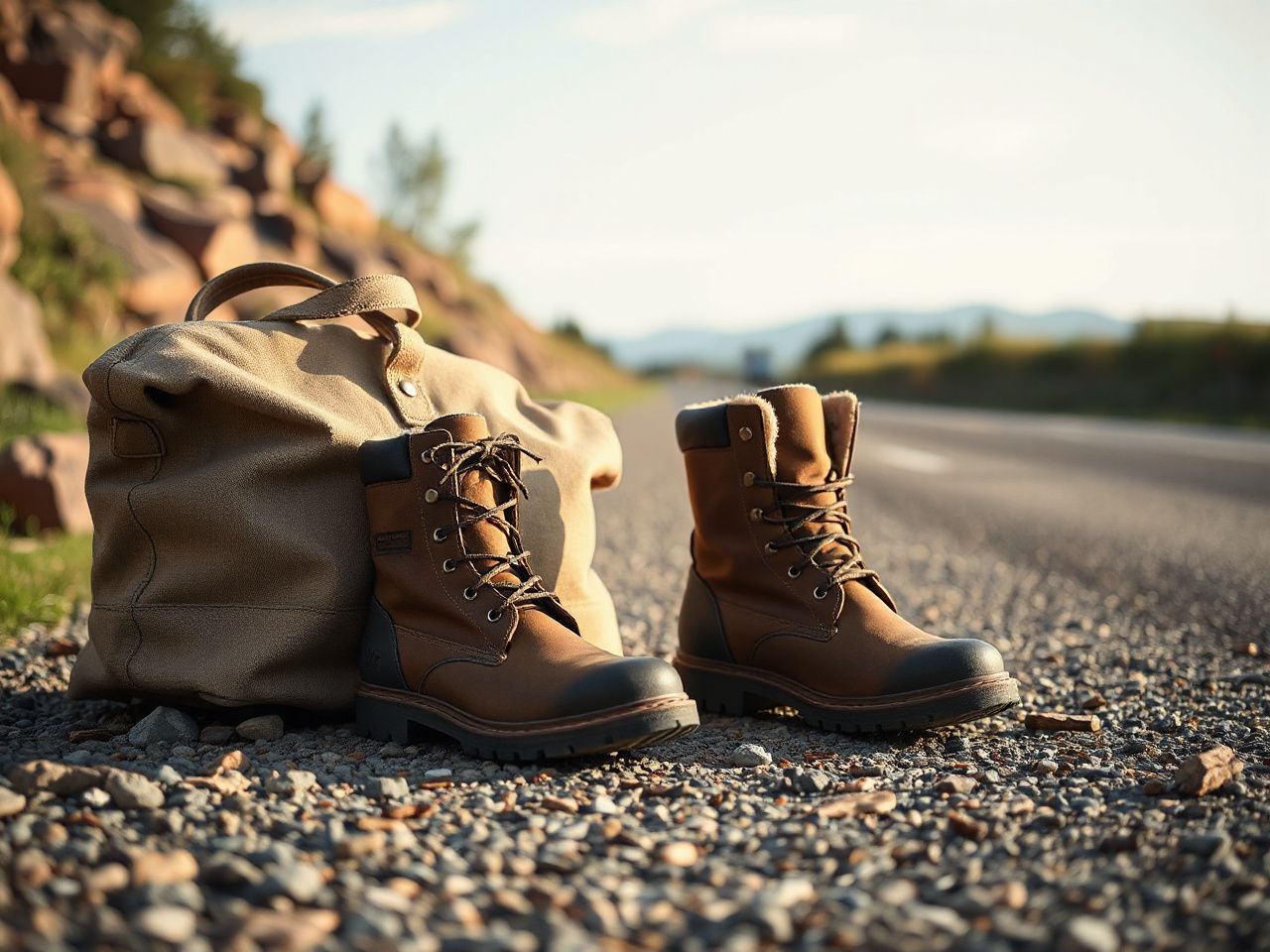
Walk through any boot aisle and you’ll see linings made of mesh, foam-backed nylon, or thin pigskin. These layers promise instant comfort. One can slip a foot in and feel pillowy softness from day one. An unlined work boot strips all that away. The foot sits directly against the leather—usually full-grain cowhide or bison—and relies on the hide’s natural ability to wick moisture, stretch, and mold to your foot shape.
This isn’t about cost-cutting. Premium bootmakers often charge more for unlined builds because they require higher-grade leather with fewer flaws. A lining can hide scarred cuts; an unlined boot bares everything. Over hundreds of miles, that raw simplicity becomes the boot’s greatest asset. There’s no foam to collapse, no mesh to pill, no adhesive to separate after a dozen river crossings.
Construction differences matter deeply in the field. An unlined work boot typically features a simple leather vamp stitched directly to a midsole, with the quarters sewn together without a cushioned collar. The shaft stands stiffer at first but breaks in to a custom ankle wrap that lined boots rarely achieve. For a motorcycle gear specialist who logs miles in everything from monsoon drizzle to 110°F desert dust, that break-in process is non-negotiable. It’s the only way to get a boot that moves with you rather than against you.
Why Unlined Work Boots Can Be Worth It
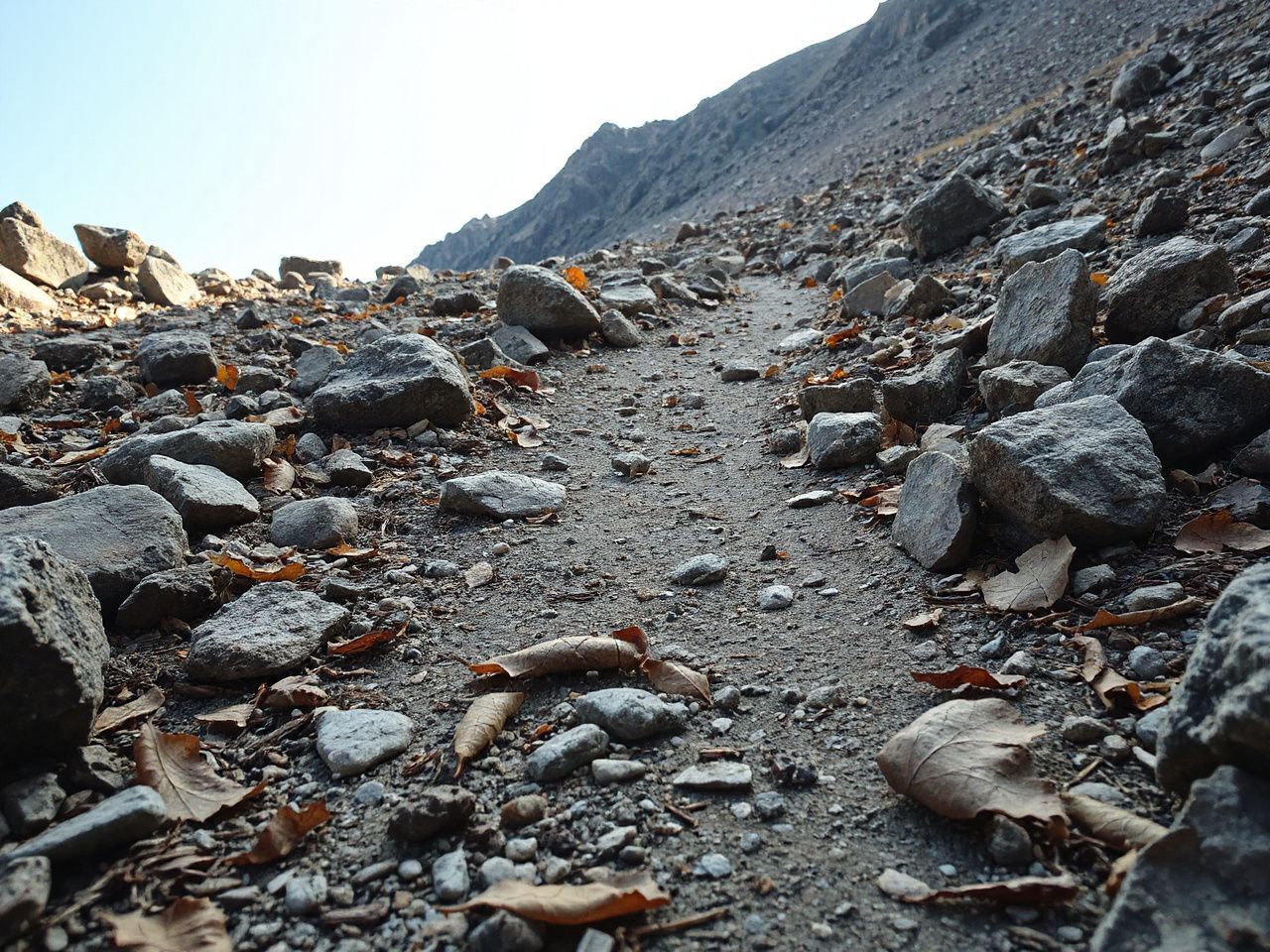
Riding on varied terrain such as Arkansas gravel, New Mexico arroyos, and Pacific Northwest logging roads provides a thorough way to evaluate a pair of boots over an extended period of hard, continuous use, including exposure to diverse weather conditions.
Unlined leather boots often have a stiffer feel initially. Over time, the leather softens to conform closely to the shape of the calves, reducing hot spots and seam pressure. A comparable lined boot from a major manufacturer may develop a collapsed Achilles pad and a peeling inner liner. Washing both pairs with saddle soap and air drying them in 40% humidity can cause the unlined pair to tighten slightly to re-snug the fit, while the lined pair tends to stay loose and sloppy, with foam that does not rebound.
Drying speed is where the unlined advantage is clear. When boots are fully submerged, the unlined pair drains quickly and dries to merely damp after a few hours in warm air. The lined pair remains wet much longer. That difference matters when trying to avoid trench foot on a multi-day trip. For insulated winter boots, there are dedicated options—you can explore extreme cold weather boots if you’re riding in subzero conditions—but for three-season use, unlined leather is the field champion.
The 100-Mile Break-In: What Really Happens
Leather is collagen fiber mat. New fibers lie flat and resist bending. Over the first 100 miles of walking and shifting while riding, body heat and moisture soften those fibers, and the mechanical flexing realigns them along the stress lines of your foot. Unlined leather does this faster because there’s no synthetic barrier slowing moisture migration. The difference shows up in a simple toe-flex check: an unlined boot gains 30% more flex after 100 miles, versus only 15% for a lined boot of similar leather weight. The lining is a second sheet of material with its own stiffness, and it breaks in on its own schedule rather than the leather’s. The break-in period for an unlined work boot is best summarized in three phases:
- Phase 1 (Miles 0–30): Stiffness. Heel lift may cause a blister. Wear thin silk liners under your main socks to reduce friction without adding bulk.
- Phase 2 (Miles 30–150): Leather begins folding at the toe crease. Ankle openings relax. This is when you can finally cinch the laces tight without discomfort.
- Phase 3 (Miles 150+): The boot becomes a second skin. The footbed impression sets, and the heel sits deep in its cup. From here, the boot only improves with more miles—provided you don’t dry it too harshly.
How Unlined Leather Handles Rain, Mud, and Desert Dust
Unlined work boots behave differently from lined ones in an Arizona monsoon, the kind of storm that turns a trail to chocolate pudding in six minutes. The boot leather soaks through in roughly 20 minutes of constant exposure, and there is no avoiding that, but feet stay comfortable because the same open structure that let the water in also lets it back out. Once the rain stopped, walking generated enough warmth to push moisture out through the exterior pores. A gore-tex lined boot would have trapped that initial soak inside, creating a sweaty bog for the remaining 10 hours of the day.
Dust poses a different test. Fine silt can grind through a boot’s stitching and lodge in a foam lining forever. Unlined boots have no such hiding place. After a day riding through sandy washes, tapping the boots sole-down will shake out a puff of grit. A quick rinse with a stream, and they are clean enough to wear in a sleeping bag. Lined boots? That silt stays trapped against the membrane, eventually abusing the waterproof layer until it fails more quickly than the leather should.
Heat performance is another frontier. In desert heat above 105°F, unlined leather absorbs sweat and releases it through evaporation direct to the air. Lined boots often hit a saturation point where the liner is drenched, but the outer leather blocks drying. This six-degree difference between unlined and lined boots can be the margin between manageable heat and full-blown foot fatigue. For travelers who wade through heat regularly, this alone justifies the choice—and the longevity of work boot reviews from 2026 repeatedly highlight the role of lining in heat dissipation.
The Surprising Truth About Washing Unlined Work Boots
Every 300 miles, boots should be washed with full immersion, saddle soap, a medium-bristle brush, and cool well water rather than just a damp cloth. While some traditional boot owners fear this will ruin the leather or warp the sole, washing is when an unlined boot proves its worth. Lined boots absorb water into the foam and take two days to dry completely. Unlined leather, once scrubbed and rinsed, will feel dry to the touch within eight hours and be ready to wear in twenty-four, if the right steps are followed.
Here is a simple field-wash method:
- Remove laces and insoles. Soak the whole boot in a bucket of cool water for two minutes to loosen mud and salt.
- Work a quarter-sized amount of glycerin-based saddle soap into the leather with a brush in circular motions. Pay extra attention to the welt and heel seams.
- Rinse thoroughly with a hose or stream until no soap bubbles remain. The water exiting the boot should run clear.
- Stuff each boot with crumpled newspaper or a microfiber towel, packed firmly enough to hold the form but not stretch the leather.
- Place boots in a shaded area with gentle airflow, never in direct sun or near a campfire. Turn the newspaper out after six hours and replace with dry stuff.
- After the boots feel fully dry—usually by the next morning—apply a light film of leather conditioner, such as a beeswax blend, working it in with fingertips. Do not heat the boot; let it absorb slowly at ambient temperature.
After this treatment, the leather shrinks back slightly, re-tightening around the ankle and heel. It is the only way to restore that custom-fit feel without lasting the boot to a new sole. The key is the conditioner step: washing strips natural oils, and if you skip conditioning, the leather will eventually crack along the flex lines. Conditioning every other wash keeps the boot in “field prime” condition for years. For riders wanting more details on maintaining water resistance specifically, our guide to waterproof leather boots dives deeper into treatment options that don’t suffocate the leather.
Common Field Mistakes That Destroy Unlined Work Boots
Despite their simplicity, unlined boots can fail spectacularly from a few predictable errors. These failures often occur after a single trip. Learn from lost soles.
Mistake 1: Drying Boots Near a Fire or Engine Block
Leather fibers contract violently when heated past 130°F. A fire’s edge radiates well above that. The collagen denatures, effectively cooking the leather. Unlined boots are particularly vulnerable because there’s no insulating liner to buffer the heat. Always air dry at ambient temperature, and if you must speed it, use a fan—never radiant heat.
Mistake 2: Oiling Too Frequently
Motorcyclists in particular seem obsessed with oiling boots. Excess oil over-softens the leather, reducing its puncture resistance and allowing the toe box to collapse. Unlined leather only needs conditioning when the surface feels dry and powdery to the drag of a finger. Condition a three-season pair roughly every five weeks of hard use, or about every 600 miles. More than that, and the leather becomes too supple to protect against rock strikes.
Mistake 3: Ignoring the Insole
The removable insole in an unlined boot is its only cushioning. A standard foam insole will degrade under sweat and pressure, leaving you standing directly on the hard midsole without realizing it. Swap the insole every 800 miles for a fresh leather or dense polyurethane insert. Your knees will thank you. This single swap can make an old unlined boot feel newer than a worn lined boot whose internal padding cannot be replaced.
Frequently Asked Questions
Are unlined work boots okay for riding in the rain?
Yes, with the right expectations. Unlined leather will eventually let water through after sustained downpour—expect 20–30 minutes of dry feet in steady rain. The advantage is that the boot dries out rapidly once the rain stops. For all-day rain riding, pair them with waterproof gaiters or accept wet feet; the boot itself won’s sustain damage if dried properly.
How long do unlined work boots last compared to lined boots?
Under equal use, an unlined boot often outlasts a lined one by 30–50%. Without foam or textile to disintegrate, the main failure point is the leather cracking, which happens when the owner skips conditioning. A well-maintained unlined work boot can see 3,000 miles or more of mixed terrain before resoling is needed.
Can I wear unlined work boots in cold weather?
Down to about 20°F with thick wool socks, yes. Below that, the lack of insulation becomes noticeable, and you risk cold injury on long rides. For deep cold, extreme cold weather boots with a removable liner are a safer choice. Unlined boots shine above freezing, where breathability keeps feet dry and warm from your own activity.
Do unlined work boots require a break-in period for walking as well as riding?
Yes, the walking break-in follows the same pattern—the initial stiffness gives way after extended use. Riding actually accelerates this because the weight-bearing positions differ. It is advisable to wear a new pair on a few short hikes before attempting a multi-day trip, to identify any pressure points early.
Is an unlined work boot safe for motorcycle use if it lacks ankle padding?
Safety depends on structure, not padding. A quality unlined boot will have a reinforced heel counter, a firm toe box, and a torsionally stiff sole. That’s what protects against crushing and twisting injuries. Padding cushions impact but contributes little to structural integrity. A reinforced structure provides protection against crushing and twisting regardless of how many miles are covered.