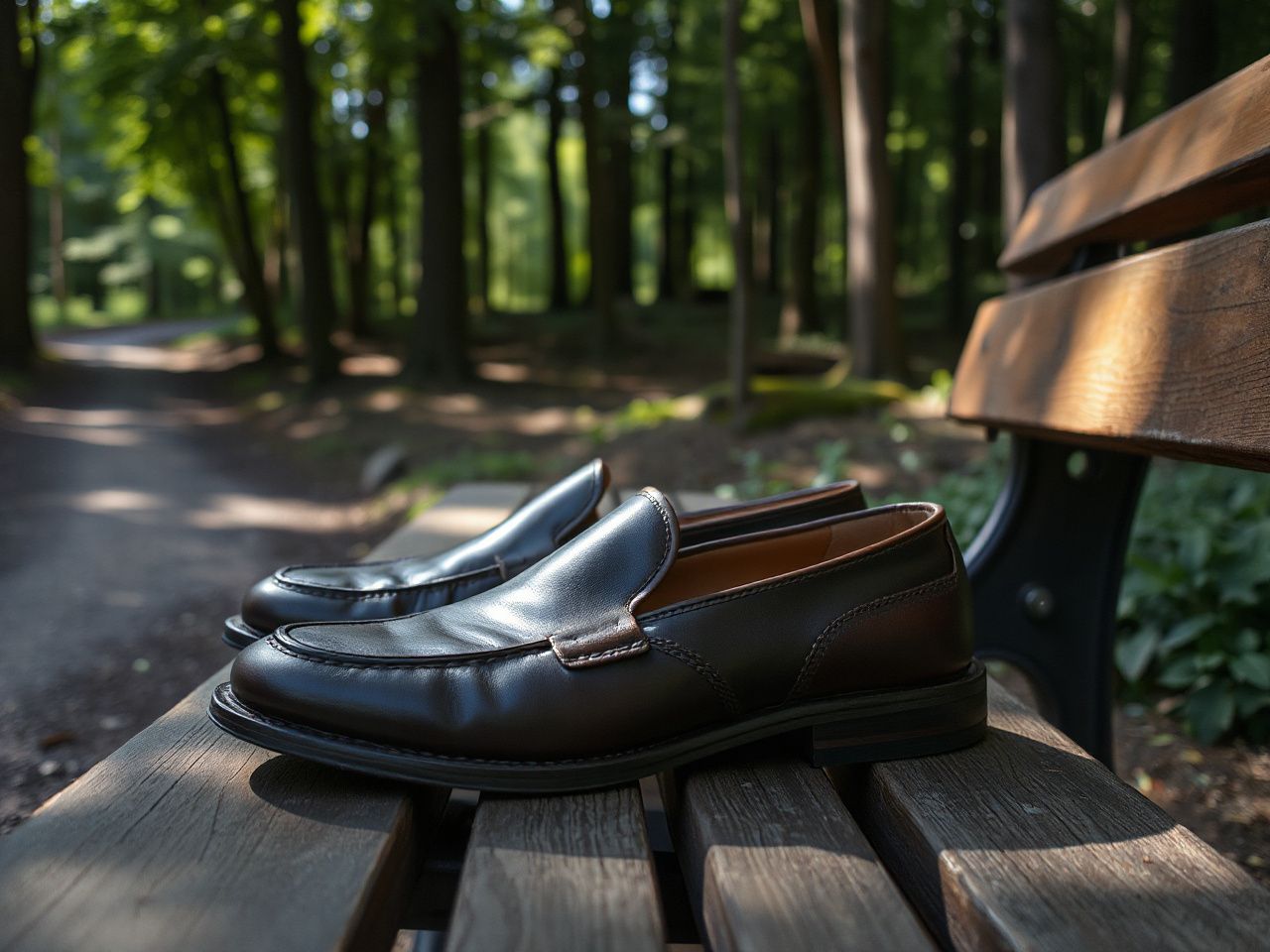
The Complete Guide to Leather Slip On Shoes for Men
Contents
Leather slip on shoes for men are not a compromise. Budget gear on a loaded adventure bike is a false economy every time. That lesson applies directly to footwear — when you slip on a pair of leather shoes, you are trusting them with your mobility, comfort, and safety. Every boot and shoe should meet real standards, not just look good in a catalog.
Key Takeaways
- Leather slip-ons are not all equal — look for full-grain or top-grain leather with a minimum 2.0 mm thickness for durability and protection.
- Proper fit is non-negotiable: your heel should lock in place, and your toes should have a thumb’s width of space from the front.
- Slip resistance matters more than you think — check for ASTM F2913-19 or equivalent certification on the outsole.
- Care routine is simple: condition every 8-10 wears, use a cedar shoe tree, and resole before the midsole wears out.
What Makes a Leather Slip On Shoe Safe and Durable?
When evaluating any footwear, start with the leather itself. Full-grain leather is the strongest — it retains the natural grain and fiber structure, which means it resists tears and punctures better than corrected-grain or bonded leather. For a slip-on shoe that might be worn daily, look for a thickness of at least 2.0 mm. Thinner leather (<1.5 mm) can stretch out of shape within six months, especially in the heel area where slip-ons depend on friction to stay on.
Leather Grades and What They Mean for You
Top-grain leather is a close second to full-grain. It has been sanded to remove imperfections but still offers good durability. Genuine leather is a lower grade — it’s the split layer after the top grain is removed. It looks fine initially but won’t hold up to repeated flexing at the toe or heel. Genuine leather shoes are prone to cracks at the crease points after roughly 200 miles of walking.
Construction Methods That Matter
Blake stitch construction is common in slip-ons — the sole is stitched directly to the upper. This allows for a slimmer profile, but it also means the shoe is less water-resistant than a Goodyear-welted boot. For slip-ons, Blake stitch is acceptable if the sole is also cemented. Avoid shoes that rely solely on glue — they will delaminate within a season, especially in wet conditions.
How to Fit Leather Slip On Shoes for Men Correctly
Slip-ons are notorious for being either too loose or too tight. Because there are no laces to adjust, the fit has to be dialed at purchase. It is best to go to a store in the afternoon — feet swell during the day, and morning fitting leads to shoes that pinch by evening.
Heel Lock Is the Priority
Stand up and walk a few steps. If your heel lifts more than 3 mm off the insole, the shoe is too wide. A leather slip-on should grip your heel firmly without pinching the Achilles tendon. If the shoe has a pull tab, use it — don’t jam your foot in. Forcing the foot damages the heel counter and stretches the leather permanently.
Toe Box Room and Width
Your toes need room to splay naturally. Press your thumb down on the toe area — there should be at least 0.5 inches (about a thumb’s width) between your longest toe and the end of the shoe. If your toes touch the front, the shoe is too short, and you risk blisters and toenail damage. For wider feet, look for brands that offer E or EE width options. Leather will stretch slightly across the width, but it will not lengthen.
Care and Maintenance for Longevity
Leather is a natural material — it needs hydration and protection. I treat my leather slip-ons the same way I treat my riding gloves: clean, condition, and waterproof.
Cleaning Frequency and Method
Wipe off dirt and dust after each wear with a dry cloth. For deeper cleaning, use a saddle soap or a leather cleaner specifically designed for full-grain leather. Avoid soaking the leather — use a damp cloth, not running water. Clean them every 10-15 wears or immediately after exposure to mud or salt.
Conditioning Schedule
Condition every 8-10 wears using a high-quality leather conditioner with beeswax or lanolin. Apply a thin layer with a soft cloth, let it sit for 15 minutes, then buff off. Over-conditioning can soften the leather too much, causing it to lose shape. Under-conditioning leads to cracking. I use a conditioner that has a pH between 5.0 and 6.5 — that matches the natural pH of leather.
Storing Leather Slip-Ons
Always use a cedar shoe tree when the shoes are not being worn. Cedar absorbs moisture and helps the leather retain its shape. Avoid storing shoes in direct sunlight or near a heat source — heat dries out leather and causes cracking. If you live in a humid climate, store them in a breathable fabric bag, not plastic.
When to Resole or Replace
Leather uppers can last for years if cared for, but the outsole will wear out faster. I check the outsole tread depth every 1000 miles of walking. If the tread is worn flat at the heel or ball of the foot, take the shoes to a cobbler for a resole. Blake-stitched shoes are relatively easy to resole. If the leather upper has cracks at the flex points or the heel counter has collapsed, it’s time to replace the entire shoe.
Signs of Structural Failure
If the shoe no longer holds its shape when slipped on, the internal structure has failed. A good leather slip-on should stand up on its own when off your foot. If it flops over, the heel counter and arch support are gone. Also check for separation between the upper and the sole — if you can see light through the gap, the shoe is compromised.
Frequently Asked Questions
Are leather slip on shoes for men suitable for long walks?
Yes, if the shoe has proper arch support and a rubber outsole with shock absorption. Many leather slip-ons are designed for casual use, not all-day walking. Look for models with a removable insole so a custom orthotic can be inserted. For walking more than 5 miles in a day, shoes with a 12 mm heel-to-toe drop and a cushioned midsole are recommended.
How do I prevent leather slip on shoes from slipping off my heel?
Heel slip is usually caused by a too-wide shoe or a worn heel counter. First, try a thicker sock — a merino wool blend can add 2-3 mm of padding. If that doesn’t work, use a heel grip insert (self-adhesive foam or suede). If the shoe is still loose, it is the wrong size. A properly fitted slip-on should require a slight tug to remove.
Can I wear leather slip on shoes in the rain?
You can, but only if the leather has been treated with a water repellent and the outsole has a tread pattern for wet grip. Smooth leather soles are dangerous on wet pavement. Before wearing them in rain, apply a spray-on waterproofing treatment and let it dry for 24 hours. After exposure to rain, stuff the shoes with newspaper and let them air dry away from heat. If you are looking for footwear that can handle heavy rain, our guide to waterproof running shoes includes options with sealed seams and waterproof membranes.