Skydiving Adrenaline Rush: The Complete Guide
Contents
Freefall is a sensory overload that rewires your brain in seconds.
The trips that make the best stories are almost always the ones where something went wrong, rather than the ones that ran exactly to plan. Preparation doesn’t prevent adventure — it just gives you better options when it shows up. That same principle applies when you step out of a plane at 14,000 feet. The skydiving adrenaline rush isn’t a bug—it’s the feature.
That spike of fear, the wind screaming past your ears, the ground rushing up—it’s a controlled chaos that off-road riders and skydivers both chase. Nothing compares to the raw, unfiltered moment when you commit to the fall.
Key Takeaways
- The skydiving adrenaline rush peaks during the first freefall seconds, driven by a surge of norepinephrine and dopamine.
- Your body’s natural fight-or-flight response can be managed with breathing techniques and progressive exposure.
- Tandem jumps are the safest way to experience the rush, with fatality rates below 0.003% per jump.
- Post-jump euphoria can last hours—plan for a quiet rest of your day.
Understanding the Skydiving Adrenaline Rush
When you leap from an aircraft, your body dumps a cocktail of chemicals into your bloodstream. Norepinephrine spikes your heart rate and sharpens your focus. Dopamine floods your reward centers. Cortisol adds a layer of stress that makes the whole experience feel more vivid.
The rush isn’t just psychological—it’s a measurable physiological event. Your heart rate can jump from a resting 70 beats per minute to over 160 within the first three seconds of freefall. Blood pressure rises, pupils dilate, and your body enters a state of hyper-awareness.
Off-road riders will find this feeling familiar. Hitting a rock garden at 30 mph on a remote trail triggers the same response. The difference is that in skydiving, you have no handlebars to grip. You must surrender to the fall.
The Science Behind the Rush
Your body doesn’t know the difference between a real threat and a planned one. When you step into the door of a Cessna 182 at 14000 feet, your amygdala triggers a stress response. This is why first-time jumpers often freeze or hesitate at the door.
But here’s what skydiving instructors know: the rush comes in waves. The first wave hits when the door opens—cold air, noise, height. The second wave comes during the freefall itself. The third wave lands after the parachute opens, when your brain shifts from panic to relief.
Each wave lasts about 30 to 60 seconds. Total time in freefall from 14000 feet is roughly 60 seconds. That’s a minute of pure, unfiltered adrenaline.

What to Expect During Your First Jump
Trails can turn into creek beds halfway through, and engines can die miles from the nearest paved road. Skydiving is no different—things go wrong, and that’s the point. Here’s what a typical first tandem jump looks like.
Pre-Jump Preparation
You’ll spend about 30 minutes on the ground. This includes a gear check, a safety briefing, and a practice session on the arch position—back arched, legs back, arms out. Your instructor will show you the hand signals: tap on the shoulder means arch harder, tap on the helmet means look up.
Most drop zones require a minimum weight of 100 pounds and a maximum of 220 pounds for tandem jumps. You must be at least 18 years old. No exceptions.
The Ride Up
The climb to altitude takes about 20 minutes in a turbine Otter or 30 minutes in a piston-engine Cessna. The view is incredible—mountains, farm fields, lakes shrinking beneath you. But your stomach will drop as the plane banks into position.
Experienced jumpers often close their eyes during the climb to conserve mental energy. Rookie mistake? Staring out the window the whole time. It ramps up anxiety before you even jump.
The Exit
This is the hardest part. You shuffle to the door, feet hanging over the edge. The wind is loud. The ground is a map below. Your instructor counts down: three, two, one.
Then you’re out. The first second feels like a stomach flip. Then the air catches you, and you’re flying.
Managing the Rush
Not everyone handles the skydiving adrenaline rush the same way. Some people love it. Others panic. The key is knowing how to manage it before you jump.
Breathing and Focus
Box breathing—four seconds in, hold four seconds, four seconds out, hold four seconds—is used by military freefall jumpers to stay calm during high-altitude exits. Practice it on the ride up. It lowers your heart rate and keeps your mind clear.
Another trick is to pick a single point on the horizon and stare at it during the first five seconds of freefall. It prevents the sensory overload that causes disorientation.
Post-Jump Euphoria
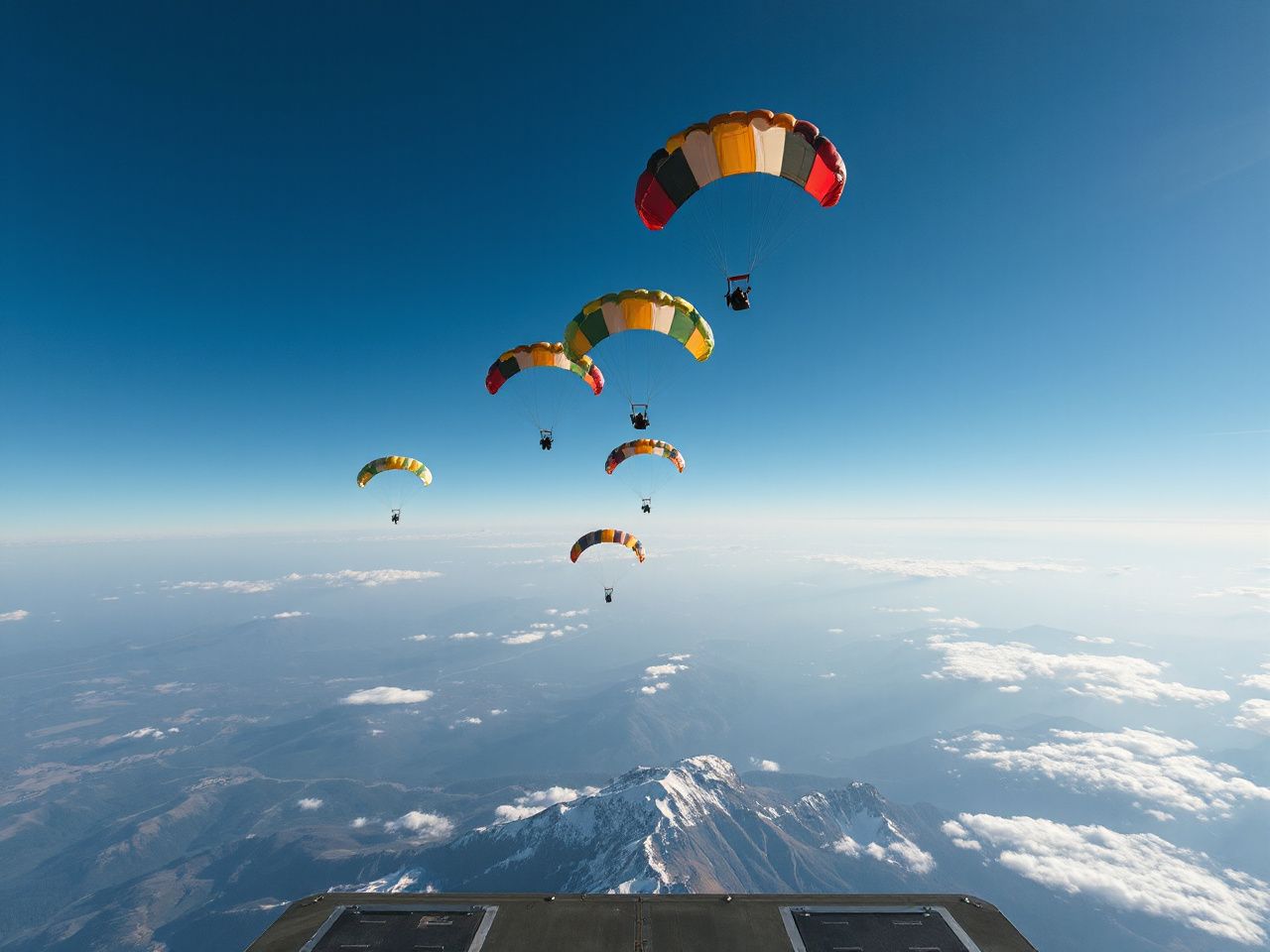
After the parachute opens, you float for about 5 to 7 minutes. The rush doesn’t stop—it changes. The adrenaline drops, but dopamine stays elevated. You’ll feel euphoric, shaky, and talkative.
This is normal. Don’t drive for at least an hour after landing. Your reaction time is impaired, and your judgment is compromised by the chemical afterglow.
Safety and Risk
Skydiving is safer than you think. In 2026, the USPA reported 0.39 fatalities per 100,000 jumps. That’s 1 death in roughly 256,000 jumps. Compare that to the 1 in 5000 risk of dying in a car crash.
Modern gear includes automatic activation devices (AADs) that deploy the reserve parachute if you’re still in freefall below 1000 feet. Tandem instructors carry two parachutes, a reserve static line, and a cutaway handle. Redundancy is built into every system.
But risk still exists. The most common injuries are ankle sprains from improper landings. That’s why you’re taught to keep your legs up until the very last second—then lower them for a standing touchdown.
Frequently Asked Questions
How long does the skydiving adrenaline rush last?
The intense peak lasts about 30 seconds during freefall. The overall rush, including the canopy ride and post-landing euphoria, can last 30 minutes to 2 hours. Some people report feeling the adrenaline for the rest of the day.
Can the skydiving adrenaline rush be dangerous for people with heart conditions?
Yes. The rapid heart rate spike can trigger arrhythmias or heart attacks in people with undiagnosed conditions. Most drop zones require a medical waiver. If you have a history of heart problems, consult a doctor before jumping. The rush isn’t worth a hospital visit.
How can I prepare for the skydiving adrenaline rush?
Practice box breathing for 5 minutes daily in the week before your jump. Watch a few first-person freefall videos to desensitize yourself to the visual altitude. Arrive well-rested and hydrated. Avoid caffeine on jump day—it amplifies anxiety and heart rate.
What’s the best drop zone for my first jump?
Choose a USPA-affiliated drop zone with a good safety record and experienced tandem instructors. For example, if you’re in Michigan, you can check out the best skydiving experiences in Kalamazoo for 2026 for a reputable operation. Ask about their average jump numbers—look for instructors with over 500 tandem jumps.